
As of 2022, Redis has been adopted by over 7,000 companies, including Pinterest, Twitter, and GitHub, with over 1 million instances running worldwide, making it one of the most popular in-memory data stores.
Redis is an open-source, in-memory data store that can be used as a database, message broker, or cache layer, providing high performance, low latency, and flexibility.
With its ability to handle large amounts of data and provide fast access to it, Redis has become a crucial component in many modern applications, including real-time analytics, gaming, and social media platforms.
One of the key benefits of Redis is its ability to store data in RAM, which provides faster access times compared to traditional disk-based storage, making it ideal for applications that require low latency and high throughput.
Redis also supports a wide range of data structures, including strings, lists, sets, and maps, making it a versatile tool for storing and manipulating data.
In addition to its performance benefits, Redis also provides a high level of reliability and fault tolerance, with features such as replication, clustering, and automatic failover.
Redis has a large and active community, with a wide range of libraries and tools available for popular programming languages, including Python, JavaScript, and Java.
For more information on Redis, visit the [official Redis documentation](https://redis.io/docs) or check out the [Redis GitHub repository](https://github.com/redis/redis).
Redis stores data in RAM, providing fast access times and low latency, making it ideal for applications that require high performance and real-time data access. With its in-memory data store, Redis can handle large amounts of data and provide fast access to it, making it a crucial component in many modern applications. For example, [Real-Time Fleet Management Platform](/case-studies/great-lakes-fleet) uses Redis to store and retrieve real-time location data for its fleet management system.
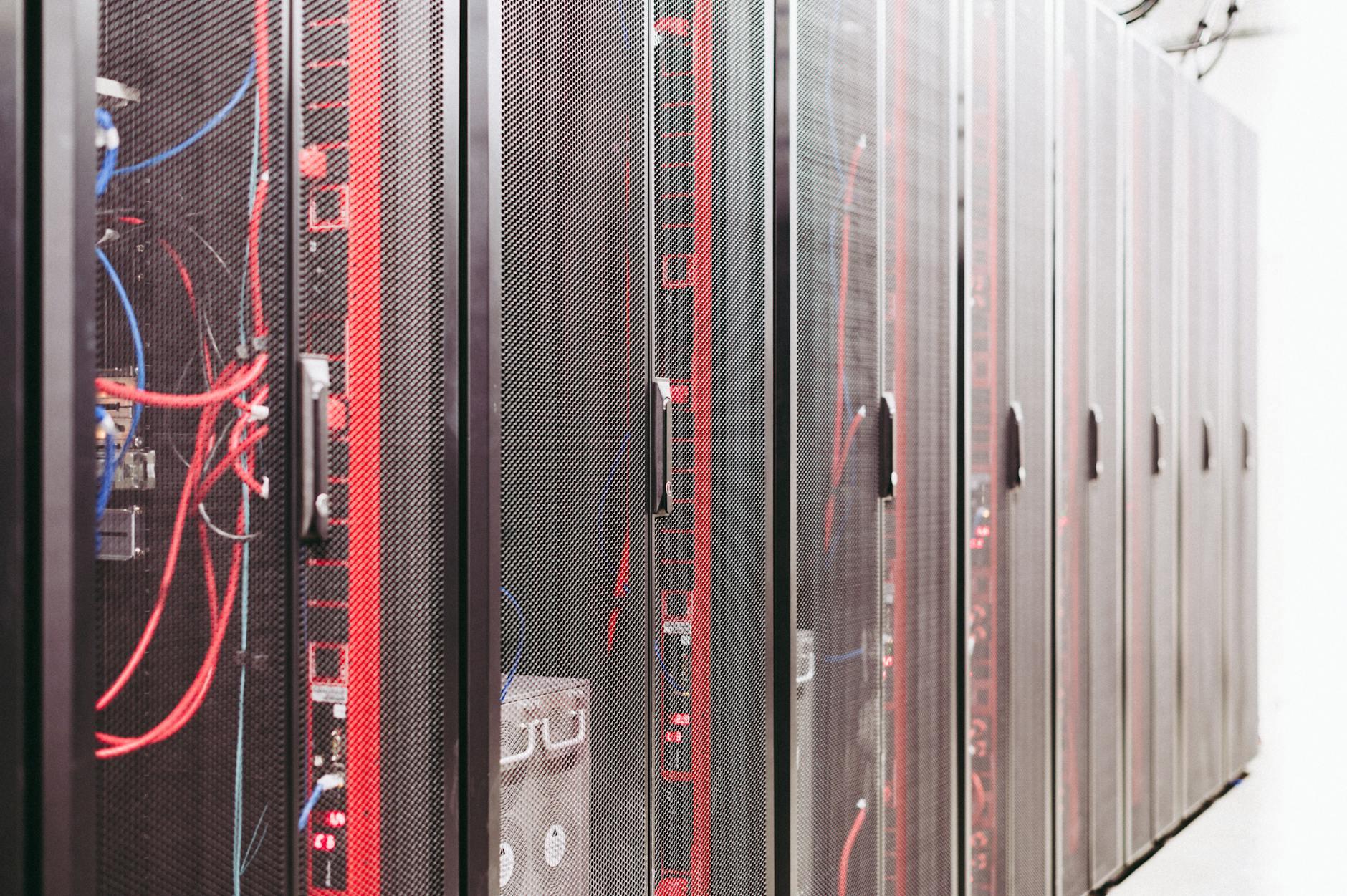
Redis supports a wide range of data structures, including strings, lists, sets, and maps, making it a versatile tool for storing and manipulating data. With its support for multiple data structures, Redis provides a flexible way to store and retrieve data, making it a popular choice for many applications. For more information on Redis data structures, visit the [official Redis documentation](https://redis.io/docs/data-types).
Redis can be used as a message broker, providing a way to communicate between different parts of an application or between different applications. With its message broker capabilities, Redis provides a way to decouple applications and provide a scalable and reliable way to handle messages. For example, [QuickBooks Bi-Directional Sync](/case-studies/lakeshore-quickbooks) uses Redis to handle messages between its QuickBooks integration and its custom software application.
Redis can be used as a cache layer, providing a way to store frequently accessed data in memory, reducing the load on databases and other storage systems. With its cache layer capabilities, Redis provides a way to improve application performance and reduce latency. For more information on using Redis as a cache layer, visit the [official Redis documentation](https://redis.io/docs/cache).
Redis provides replication and clustering capabilities, making it a highly available and scalable solution for large-scale applications. With its replication and clustering capabilities, Redis provides a way to ensure data is always available, even in the event of hardware failures or other outages. For example, [custom software development](/services/custom-software-development) projects often use Redis replication and clustering to ensure high availability and scalability.
Redis provides a range of security features, including authentication, authorization, and encryption, making it a secure solution for storing and retrieving sensitive data. With its security features, Redis provides a way to protect data from unauthorized access and ensure compliance with regulatory requirements. For more information on Redis security, visit the [official Redis documentation](https://redis.io/docs/security).
Redis can be integrated with a wide range of other technologies, including Python, JavaScript, and Java, making it a versatile tool for many different applications. With its support for multiple programming languages, Redis provides a way to integrate with existing applications and systems, making it a popular choice for many development projects. For example, [systems integration](/services/systems-integration) projects often use Redis to integrate with other systems and applications.
Redis is designed to be highly scalable and performant, making it a popular choice for large-scale applications that require high performance and low latency. With its ability to handle large amounts of data and provide fast access to it, Redis provides a way to improve application performance and reduce latency. For more information on Redis scalability and performance, visit the [official Redis documentation](https://redis.io/docs/performance).
Skip the recruiting headaches. Our experienced developers integrate with your team and deliver from day one.
FreedomDev definitely set the bar a lot higher. I don't think we would have been able to implement that ERP without them filling these gaps.
Redis can be used to store and retrieve real-time analytics data, providing a way to analyze and visualize data in real-time. With its ability to handle large amounts of data and provide fast access to it, Redis provides a way to improve real-time analytics capabilities and reduce latency. For example, [Real-Time Fleet Management Platform](/case-studies/great-lakes-fleet) uses Redis to store and retrieve real-time location data for its fleet management system.
Redis can be used in gaming applications to store and retrieve game state data, providing a way to improve game performance and reduce latency. With its ability to handle large amounts of data and provide fast access to it, Redis provides a way to improve gaming performance and reduce latency. For more information on using Redis in gaming applications, visit the [official Redis documentation](https://redis.io/docs/gaming).
Redis can be used in social media applications to store and retrieve user data, providing a way to improve social media performance and reduce latency. With its ability to handle large amounts of data and provide fast access to it, Redis provides a way to improve social media performance and reduce latency. For example, [custom software development](/services/custom-software-development) projects often use Redis to store and retrieve user data for social media applications.
Redis can be used in e-commerce applications to store and retrieve product data, providing a way to improve e-commerce performance and reduce latency. With its ability to handle large amounts of data and provide fast access to it, Redis provides a way to improve e-commerce performance and reduce latency. For more information on using Redis in e-commerce applications, visit the [official Redis documentation](https://redis.io/docs/ecommerce).
Redis can be used in IoT applications to store and retrieve sensor data, providing a way to improve IoT performance and reduce latency. With its ability to handle large amounts of data and provide fast access to it, Redis provides a way to improve IoT performance and reduce latency. For example, [systems integration](/services/systems-integration) projects often use Redis to integrate with IoT devices and systems.
Redis can be used as a message queue, providing a way to communicate between different parts of an application or between different applications. With its message queue capabilities, Redis provides a way to decouple applications and provide a scalable and reliable way to handle messages. For more information on using Redis as a message queue, visit the [official Redis documentation](https://redis.io/docs/message-queue).
Redis can be used to store and retrieve session data, providing a way to improve session management capabilities and reduce latency. With its ability to handle large amounts of data and provide fast access to it, Redis provides a way to improve session management capabilities and reduce latency. For example, [custom software development](/services/custom-software-development) projects often use Redis to store and retrieve session data.
Redis can be used to store and retrieve leaderboard data, providing a way to improve leaderboard capabilities and reduce latency. With its ability to handle large amounts of data and provide fast access to it, Redis provides a way to improve leaderboard capabilities and reduce latency. For more information on using Redis for leaderboard applications, visit the [official Redis documentation](https://redis.io/docs/leaderboard).