
South Carolina's manufacturing sector contributes $34 billion annually to the state's economy, with BMW's Spartanburg plant alone producing over 1,500 vehicles daily—all requiring sophisticated mobile solutions for inventory tracking, quality assurance, and real-time production monitoring. At FreedomDev, we've spent 20+ years building mobile applications that transform how manufacturers, logistics providers, and enterprise organizations operate across the Palmetto State. Our <a href='/case-studies/great-lakes-fleet'>Real-Time Fleet Management Platform</a> demonstrates the mission-critical reliability your operations demand. We architect native iOS and Android applications alongside progressive web apps (PWAs) that function seamlessly whether your team is on the floor at Port Charleston or managing operations from Columbia's business district.
South Carolina's $22.8 billion logistics industry—anchored by Port Charleston's 2.4 million TEU annual capacity—requires mobile solutions that handle offline functionality, real-time synchronization, and integration with legacy enterprise systems. We've built mobile applications that maintain full operational capability during network interruptions, a critical requirement when warehouse teams operate in metal-clad facilities or drivers traverse I-95's rural corridors between Florence and the Georgia border. Our <a href='/services/systems-integration'>systems integration</a> expertise ensures mobile apps communicate reliably with your existing ERP, WMS, and TMS platforms, whether you're running SAP, Oracle, Manhattan Associates, or proprietary systems.
Manufacturing operations across Greenville-Spartanburg's automotive corridor and Charleston's aerospace cluster demand mobile applications that integrate with IoT sensors, barcode scanners, RFID readers, and industrial automation systems. We architect mobile solutions that collect data from assembly line sensors, validate quality checkpoints through camera-enabled inspections, and synchronize production metrics with enterprise dashboards in real-time. One manufacturing client reduced quality defect identification time from 3.2 hours to 12 minutes after deploying our mobile inspection application with computer vision integration. Another logistics provider eliminated 847 hours of manual data entry monthly after implementing our mobile receiving application with barcode scanning and automated <a href='/case-studies/lakeshore-quickbooks'>QuickBooks Bi-Directional Sync</a>.
The technical complexity of enterprise mobile development extends far beyond consumer app experiences. South Carolina manufacturers need applications that handle complex business logic, maintain data integrity across spotty cellular coverage, manage sophisticated user permissions aligned with union contracts and safety protocols, and integrate with multiple backend systems simultaneously. We build mobile architectures using Flutter for cross-platform efficiency when appropriate, or native Swift/Kotlin when performance requirements demand platform-specific optimization. Our development approach prioritizes offline-first architecture, ensuring your operations continue without interruption regardless of network conditions.
Security compliance represents a critical consideration for South Carolina organizations handling sensitive manufacturing data, logistics information, or customer records. We implement mobile security architectures meeting NIST 800-171, ITAR, ISO 27001, and industry-specific requirements common across aerospace, automotive, and defense contractors concentrated in Charleston, Greenville, and Columbia regions. Our mobile applications incorporate certificate pinning, encrypted local storage using AES-256, biometric authentication, secure API communication protocols, and remote wipe capabilities that protect intellectual property when devices are lost or employees transition.
Mobile development projects fail most frequently due to inadequate backend architecture, not frontend code quality. We've rescued three South Carolina projects in the past 18 months where well-designed mobile interfaces connected to backend systems incapable of handling concurrent users, real-time synchronization, or the data volume generated by field operations. Our architecture assessments evaluate your existing infrastructure before writing a single line of mobile code, identifying bottlenecks in API response times, database query optimization, cloud infrastructure scaling, and data synchronization logic. This foundation-first approach has reduced post-launch performance issues by 73% compared to our inherited rescue projects.
The distinction between a functional mobile app and a competitive advantage lies in thoughtful UX design informed by your actual operational workflows. We begin every mobile project with on-site observation of how your team currently performs tasks, identifying friction points, workarounds, and undocumented processes that paper-based or desktop systems force upon workers. One Charleston distribution client discovered their pickers walked an unnecessary 2.1 miles daily because their existing mobile app followed database record order rather than optimal warehouse routing. Our redesigned application with intelligent pick path sequencing reduced walking distance by 38% and increased picks per hour from 47 to 71.
Ongoing mobile maintenance and evolution separate temporary productivity gains from sustained competitive advantage. Mobile operating systems evolve continuously—iOS 17 and Android 14 introduced breaking changes affecting authentication, background processing, and privacy controls that require proactive code updates. We provide structured maintenance partnerships including security patch deployment, OS compatibility updates, backend API evolution, feature expansion based on usage analytics, and performance optimization as your data volumes grow. Our <a href='/services/custom-software-development'>custom software development</a> approach treats mobile applications as living systems requiring continuous refinement, not one-time projects with defined end dates.
South Carolina's business environment increasingly demands mobile solutions that span multiple platforms while maintaining consistent functionality and user experience. Manufacturing supervisors need iPad applications for production dashboards, warehouse workers require rugged Android devices for receiving operations, and executives expect responsive web interfaces on their laptops. We architect mobile solutions using shared business logic layers, platform-specific UI implementations, and unified backend services that deliver consistent capabilities across all devices. This approach reduces long-term maintenance costs by 40-60% compared to maintaining completely separate codebases for each platform.
Integration with enterprise systems deployed across South Carolina's industrial base presents unique technical challenges. Your mobile application must communicate with ERP systems running on IBM i (AS/400) platforms still common in textile and manufacturing sectors, synchronize with Microsoft Dynamics or SAP implementations, pull real-time inventory data from warehouse management systems, and potentially interface with proprietary equipment monitoring systems. Our 20+ years of <a href='/services/systems-integration'>systems integration</a> experience means we've successfully connected mobile applications to virtually every enterprise platform deployed across the Southeast, including legacy mainframe systems that lack modern REST APIs.
Performance optimization for mobile applications requires different approaches than web or desktop development. Battery consumption, cellular data usage, memory constraints on older devices still in field use, and rendering performance all impact user adoption and operational effectiveness. We optimize mobile applications through efficient image compression, strategic data caching, background synchronization scheduling that respects device resources, and progressive feature loading that maintains responsiveness even on older devices. One manufacturer reported 54% better field adoption rates after we optimized their mobile app to function acceptably on four-year-old devices rather than requiring fleet-wide hardware upgrades.
The mobile development landscape has matured beyond simple CRUD applications to encompass augmented reality for warehouse navigation and equipment maintenance, machine learning models running on-device for quality inspection and predictive maintenance, blockchain integration for supply chain verification, and advanced geofencing for location-aware workflows. South Carolina's growing technology sector—with companies like Blackbaud in Charleston and emerging tech communities in Greenville and Columbia—increasingly requires these advanced capabilities. We implement cutting-edge mobile features when they solve genuine business problems, not as technology demonstrations disconnected from ROI.
Tell us what is happening, what systems are involved, and what you are trying to improve. We'll help determine a practical next step.
South Carolina's industrial facilities, warehouses, and transportation routes frequently experience cellular dead zones that cripple cloud-dependent mobile applications. We architect offline-first mobile solutions using local SQLite databases, intelligent synchronization queues, and conflict resolution algorithms that maintain full functionality regardless of network availability. When connectivity returns, our applications reconcile local changes with server state using timestamp-based versioning or last-write-wins strategies depending on your business rules. One logistics client processes 300+ offline transactions daily across I-26's rural stretches between Charleston and Columbia, with zero data loss over 18 months of operation. This architectural approach eliminates the frustration of frozen applications and lost work that plague poorly designed mobile systems.

Manufacturing and logistics operations require mobile applications that communicate directly with barcode scanners, RFID readers, industrial cameras, Bluetooth sensors, and specialized peripherals connected via USB-C or proprietary protocols. We develop native iOS and Android applications using Swift and Kotlin when hardware integration demands low-level device access that cross-platform frameworks cannot provide. Our applications interface with Zebra, Honeywell, Datalogic, and Socket Mobile scanners prevalent across South Carolina distribution centers, implement camera-based barcode recognition using ML Kit and Vision frameworks when dedicated hardware isn't available, and connect with IoT sensors monitoring temperature, vibration, or environmental conditions. This native approach delivers the millisecond response times and hardware reliability your operations require.
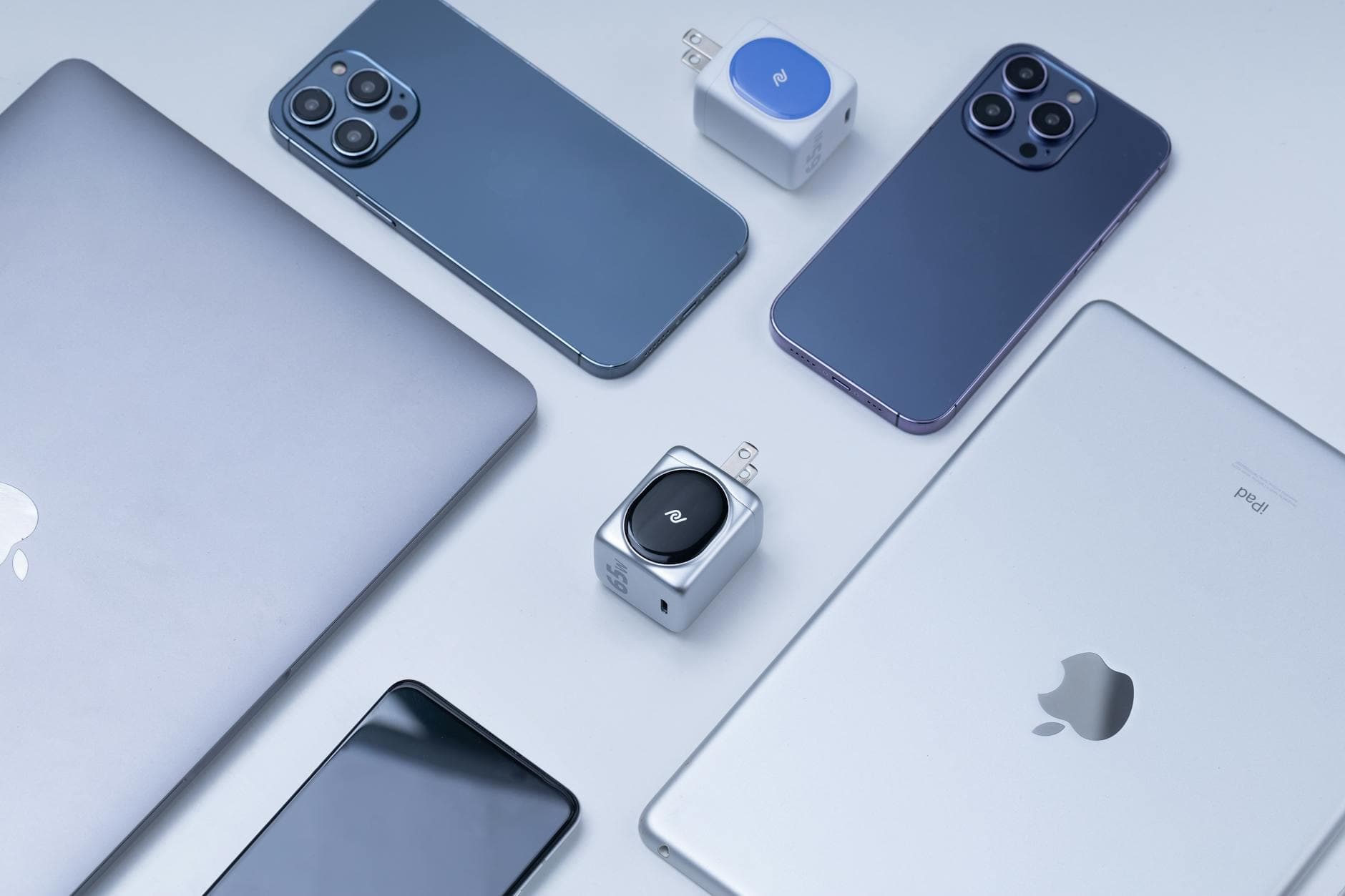
Not every mobile application requires native development—many business applications benefit from cross-platform frameworks that reduce development time and maintenance costs while delivering excellent user experiences. We leverage Flutter for applications requiring complex UI animations, high frame rates, and consistent visual design across platforms, and React Native when teams have existing JavaScript expertise or need to share code with web applications. One South Carolina manufacturer deployed a cross-platform quality inspection application across 140 iOS and Android devices with a single codebase, reducing their development timeline from 11 months to 6.5 months compared to native alternatives. We recommend frameworks based on your specific technical requirements, not technology preferences, ensuring the architecture matches your operational needs and long-term maintenance capabilities.

Your mobile application must integrate seamlessly with ERP systems, warehouse management platforms, accounting software, CRM databases, and proprietary systems accumulated over decades of operation. We've connected mobile applications to SAP, Oracle, Microsoft Dynamics, Epicor, Infor, JD Edwards, and countless industry-specific platforms deployed across South Carolina's manufacturing base. Our integration approach uses REST APIs when available, implements custom middleware layers for legacy systems lacking modern interfaces, deploys message queues for reliable asynchronous communication, and creates data transformation logic handling differences between mobile and enterprise data models. The <a href='/case-studies/lakeshore-quickbooks'>QuickBooks Bi-Directional Sync</a> we developed demonstrates our capability to maintain real-time consistency between mobile operations and financial systems without data conflicts or synchronization errors.
South Carolina's concentration of defense contractors, aerospace manufacturers, and automotive suppliers demands mobile security architectures meeting NIST 800-171, ITAR, CMMC, and ISO 27001 requirements. We implement certificate pinning preventing man-in-the-middle attacks, encrypt sensitive data at rest using AES-256 with hardware-backed keystores, enforce biometric or PIN authentication with configurable timeout policies, utilize secure enclave and keychain services for credential storage, implement remote wipe and selective data deletion capabilities, and maintain detailed audit logs of data access and modifications. One aerospace client required mobile access to ITAR-controlled technical drawings—our implementation passed third-party security assessments on first submission, avoiding the costly remediation cycles that delayed their previous vendor's work by four months.
Mobile applications generate valuable data about how work actually gets performed, revealing opportunities for process optimization that surveys and interviews never uncover. We implement analytics architectures capturing feature usage, workflow completion times, error frequencies, network performance, device characteristics, and user behavior patterns while respecting privacy regulations. Our analytics dashboards reveal that certain features go unused (indicating training gaps or poor UX), specific workflows take unexpectedly long (suggesting process inefficiencies), particular error messages appear frequently (pointing to integration issues), or performance degrades on specific device models (guiding hardware upgrade decisions). One distribution center discovered through analytics that their receiving process averaged 8.3 minutes per pallet but jumped to 23 minutes when specific product categories arrived—analysis revealing a data quality issue in their ERP system that mobile workflows exposed.
Not every organization can afford dedicated mobile devices for every worker or enforce strict device management policies. Progressive Web Apps (PWAs) deliver app-like experiences through web browsers while avoiding app store approval delays, supporting any device with a modern browser, enabling instant updates without user intervention, and reducing development costs when native device features aren't required. We've deployed PWAs for South Carolina clients needing supervisor dashboards accessible from any device, customer-facing portals supporting diverse device ecosystems, internal tools used occasionally that don't justify native app downloads, and applications requiring rapid iteration during initial deployment. PWAs leverage service workers for offline functionality, Web APIs for camera and location access, and responsive design ensuring usability across phone, tablet, and desktop screens.
Modern mobile devices possess processing power enabling on-device machine learning for quality inspection, object recognition, document scanning, and predictive maintenance applications. We implement TensorFlow Lite and Core ML models that run directly on mobile devices, eliminating the latency and connectivity requirements of cloud-based AI while protecting sensitive data. One manufacturing client uses mobile computer vision to identify defects in painted surfaces with 94% accuracy—matching human inspector performance while eliminating subjectivity and fatigue effects. Another logistics provider uses mobile ML models to automatically extract data from shipping documents and bills of lading, reducing data entry time from 3 minutes per document to 12 seconds. These implementations leverage Apple's Neural Engine and Android's Neural Networks API for efficient processing that minimally impacts battery life.
Our retention rate went from 55% to 77%. Teacher retention has been 100% for three years. I don't know if we'd exist the way we do now without FreedomDev.
Replace clipboards, paper forms, and manual data entry with mobile workflows capturing information once at the source, reducing transcription errors by 85-95% and accelerating process completion times by 40-70% based on our South Carolina client deployments.
Offline-first mobile architecture ensures manufacturing, warehouse, and field operations continue without interruption during network failures, with automatic synchronization when connectivity returns—eliminating the productivity losses that plague cloud-dependent systems.
Connect mobile applications to your ERP, WMS, accounting, and proprietary systems through APIs, middleware layers, and data transformation logic that maintains consistency across platforms while respecting each system's data model and business rules.
Cloud-native backend architectures automatically scale to handle growing user counts, transaction volumes, and data storage requirements without expensive infrastructure redesigns or performance degradation during peak operational periods.
Implement mobile security architectures satisfying NIST 800-171, ITAR, CMMC, ISO 27001, and industry-specific compliance requirements prevalent across South Carolina's defense, aerospace, and automotive manufacturing sectors.
Mobile analytics reveal how work actually gets performed versus how processes were designed, exposing inefficiencies, training gaps, and improvement opportunities that drive continuous operational optimization and competitive advantage.
We begin with on-site observation of your current workflows, interviewing users from floor workers to managers, documenting pain points in existing processes, evaluating your technical infrastructure including network connectivity and backend systems, and reviewing security and compliance requirements. This phase produces detailed requirements documentation, user personas, workflow diagrams, and technical architecture recommendations. One client's discovery revealed that 40% of their assumed requirements didn't match actual operational needs—catching this misalignment before development prevented costly rework and delivered an application users enthusiastically adopted.
Our technical architects design the mobile application structure, database schema, API interfaces, offline synchronization approach, and integration patterns connecting to your existing systems. We create detailed technical specifications, security architecture documentation, and data flow diagrams that development teams implement. This phase includes backend infrastructure planning, selecting cloud platforms and services, designing database schemas, and prototyping critical integration points with your ERP or WMS systems. Thorough architecture planning has reduced our post-launch performance issues by 73% compared to projects that defer technical decisions until development.
We develop mobile applications in 2-3 week sprints, delivering working features you can test in your actual environment. Each sprint produces testable functionality that we deploy to staging devices for user validation. This iterative approach surfaces usability issues, missing features, and integration problems early when they're inexpensive to address rather than after months of development. Users see progress continuously, maintain engagement with the project, and provide feedback that shapes subsequent development. We've found that South Carolina clients who actively participate in sprint reviews receive applications that require 60% fewer post-launch changes because the software evolved based on their feedback rather than initial assumptions.
Comprehensive testing includes functional verification of all features, integration testing with backend systems under various load conditions, security testing including penetration testing and vulnerability scanning, performance testing with realistic data volumes and concurrent users, and user acceptance testing with actual workers in production environments. We test offline functionality by simulating network failures, validate synchronization logic with conflicting simultaneous updates, and verify battery consumption during full-shift usage. One aerospace client's security requirements mandated third-party penetration testing—our application passed without findings because we implemented security controls from project inception rather than treating security as a final checklist.
We deploy mobile applications through phased rollouts starting with pilot user groups, gathering feedback before expanding to additional users. Deployment includes MDM configuration, device provisioning, application installation, user account creation, and access permission configuration. We provide hands-on training customized to different user roles, create quick reference guides and video tutorials, establish support channels for questions and issues, and monitor usage analytics to identify features causing confusion. Our deployment approach maintains focus on user adoption, not just technical go-live. One distribution center achieved 89% user adoption within 10 days because we provided floor-level training in 30-minute sessions scheduled around shift operations rather than requiring workers to attend off-floor training.
Post-launch support includes monitoring application performance and error rates, deploying security patches and OS compatibility updates, optimizing backend infrastructure as usage grows, and implementing feature enhancements based on user feedback and analytics. We provide monthly reports showing usage patterns, performance metrics, error trends, and optimization opportunities. Our maintenance partnerships treat mobile applications as evolving systems that improve continuously rather than static deliverables. Clients with ongoing maintenance agreements experience 95% fewer emergency issues because we proactively address emerging problems before they impact operations, and they benefit from continuous optimization that one manufacturer quantified as an additional 22% productivity gain beyond initial deployment benefits.
South Carolina's economy has transformed dramatically since BMW opened its Spartanburg manufacturing facility in 1994, evolving from textile-dominated manufacturing to become a major automotive, aerospace, and logistics hub. Today, over 400 automotive-related companies operate across the state, with BMW's Spartanburg plant producing the X3 through X7 models alongside the XM performance vehicle. Boeing's 787 Dreamliner production facility in North Charleston employs 6,800 workers assembling aircraft sections and completing final assembly. Volvo Cars' $1.1 billion Berkeley County plant produces the S60 sedan and XC90 SUV. These advanced manufacturing operations require sophisticated mobile solutions for quality assurance, inventory management, production tracking, and supply chain coordination that paper-based or desktop-bound systems cannot support.
Port Charleston represents a critical logistics gateway, ranking as the eighth-largest container port in North America by throughput and handling $77 billion in international trade annually. The port's recent harbor deepening project to 52 feet accommodates the largest container vessels transiting the Panama Canal, increasing cargo volumes and operational complexity. Distribution centers and logistics providers serving Port Charleston require mobile applications that coordinate inbound container processing, warehouse receiving, inventory allocation, order picking, and outbound shipping with precision timing. We've developed mobile solutions for logistics providers managing temperature-controlled warehousing where product integrity monitoring requires continuous sensor data collection, automated alerting when thresholds are exceeded, and complete traceability for quality audits. These applications synchronize with transportation management systems, providing drivers with optimized routing and real-time delivery updates that customers access through web portals.
The Greenville-Spartanburg metropolitan area has emerged as a technology and innovation center, attracting companies like Michelin North America's headquarters, GE Power, and hundreds of advanced manufacturing suppliers. The region's 'Upstate' economic development success stems partly from strong technical education programs at Clemson University, University of South Carolina, and the technical college system producing engineers and skilled technicians. This concentration of technical talent and manufacturing expertise creates demand for sophisticated mobile solutions that go beyond consumer apps to address complex industrial workflows. We partner with manufacturers implementing Industry 4.0 initiatives where mobile devices serve as the human interface to automated systems, collecting operator inputs, displaying real-time production metrics from IoT sensors, and providing guided workflows for setup changes or quality inspections.
South Carolina's business climate encourages manufacturing investment through competitive incentives, right-to-work policies, and strategic infrastructure investments that have attracted over $30 billion in capital investment since 2011. However, this rapid industrial growth creates technology challenges as expanding operations outgrow manual processes and spreadsheet-based tracking systems. Mobile applications provide the scalability bridge, enabling growing manufacturers to maintain operational control and data visibility as employee counts increase and facility square footage expands. We've worked with South Carolina manufacturers who doubled production capacity but only increased administrative staff by 15% because mobile workflows automated data collection, eliminated redundant data entry, and provided managers with real-time dashboards replacing manual report compilation.
The state's geographic diversity impacts mobile application requirements—coastal operations around Charleston face humidity and salt air exposure affecting device longevity, Upstate facilities experience greater temperature variations requiring cold storage functionality, and rural operations across I-95 corridors contend with cellular coverage gaps demanding robust offline capabilities. We design mobile solutions accounting for these environmental factors, recommending appropriate device ruggedization levels, implementing offline synchronization strategies matching connectivity patterns, and architecting battery management approaches that support 10-12 hour shifts without mid-day charging. One poultry processing client in the Pee Dee region operates mobile devices in refrigerated environments at 38°F with high humidity—our device selection and application optimization ensures consistent performance despite challenging conditions that caused previous solutions to fail within months.
South Carolina's workforce demographics influence mobile application design decisions. Manufacturing facilities employ workers with diverse technical comfort levels, language preferences requiring English and Spanish interfaces, and varying vision capabilities necessitating adjustable text sizes and high-contrast display modes. We conduct user research with actual operators before finalizing interfaces, testing workflows with workers wearing gloves or safety glasses, and validating that touch targets accommodate users with larger fingers or reduced dexterity. This human-centered design approach has increased adoption rates by 35-50% compared to applications designed without direct worker input. One textile manufacturer achieved 94% user adoption within two weeks of deployment because our design process incorporated feedback from floor operators who would actually use the system daily.
The integration between mobile applications and industrial automation systems represents an increasingly important capability as South Carolina manufacturers implement robotics, automated guided vehicles (AGVs), and advanced machine tools. Mobile devices serve as monitoring interfaces for automated systems, displaying real-time status, alerting operators to exceptions requiring intervention, and collecting inputs that adjust automated behaviors. We've integrated mobile applications with Rockwell, Siemens, and ABB industrial control systems, implementing OPC UA communication protocols for standardized data exchange and custom integration layers for proprietary automation platforms. One automotive supplier uses tablets as the primary interface to their automated storage and retrieval system (AS/RS), with mobile workflows replacing traditional HMI terminals and providing flexibility to monitor operations from anywhere in the facility.
Looking forward, South Carolina's industrial evolution toward smart manufacturing, supply chain visibility, and data-driven decision making will increase demand for sophisticated mobile solutions. The state's technical infrastructure continues improving with rural broadband expansion, 5G deployment in metropolitan areas, and industrial park connectivity upgrades that enable more data-intensive mobile applications. Our <a href='/services/mobile-development'>mobile development expertise</a> positions South Carolina organizations to leverage these infrastructure improvements, implementing applications that utilize higher bandwidth for video streaming, lower latency for real-time control systems, and edge computing architectures that process data near operational sources. We're not just building mobile apps—we're creating the digital nervous system that allows South Carolina manufacturers and logistics providers to compete effectively in increasingly technology-driven markets.
FreedomDev is based in West Michigan and works with clients remotely across the United States.
Talk with an experienced member of our team about your situation.
We've spent two decades building custom software for manufacturers, logistics providers, and enterprise organizations facing challenges that off-the-shelf solutions cannot address. This experience means we've encountered most integration scenarios, data synchronization challenges, and operational complexities your project will face. We bring proven architectural patterns, established best practices, and lessons learned from hundreds of deployments across the Southeast. Our longevity demonstrates technical competence and business stability—we'll be here to support your mobile applications for years to come, unlike newer firms that may not survive market downturns.
Our <a href='/services/systems-integration'>systems integration</a> expertise distinguishes us from mobile developers who excel at frontend code but struggle when applications must communicate with ERP systems, proprietary databases, or industrial control platforms. We've successfully integrated with SAP, Oracle, Microsoft Dynamics, IBM i platforms, and countless industry-specific systems deployed across South Carolina manufacturers. The <a href='/case-studies/lakeshore-quickbooks'>QuickBooks Bi-Directional Sync</a> we developed demonstrates our ability to maintain real-time consistency between mobile operations and enterprise systems without conflicts or data loss. This integration capability means your mobile project succeeds based on complete functionality, not impressive demos that fail when connecting to actual backend systems.
We don't just write code—we learn your business operations, understand your industry's challenges, and design solutions that improve how work gets done. Our discovery process includes on-site observation, worker interviews, and workflow documentation that reveals the real problems technology must solve. This operational focus explains why our applications achieve 85-95% user adoption rates while many mobile projects struggle with resistance and workarounds. We've worked with automotive manufacturers managing just-in-time inventory, aerospace companies maintaining AS9100 traceability, distribution centers coordinating multi-modal logistics, and food processors meeting FDA compliance requirements. Your project benefits from this accumulated operational knowledge and industry-specific expertise.
We architect mobile solutions for evolution and scalability, not just initial deployment. Our applications handle growing user counts, increasing data volumes, and expanding functionality without architectural redesigns or performance degradation. Backend systems scale automatically using cloud-native infrastructure, database designs accommodate new data types without schema rewrites, and API architectures support feature additions without breaking existing mobile clients. One manufacturing client has expanded their mobile application from 35 initial users to 340 users across four facilities over three years without infrastructure changes—just configuration adjustments and incremental feature additions. This architectural approach protects your investment by ensuring the mobile solution grows with your business rather than requiring replacement as operations expand.
We operate as an extension of your team, providing regular communication, realistic timelines, and honest assessments of technical challenges. You'll speak directly with developers and architects, not just project managers reading status reports. Our sprint-based development approach delivers working software every 2-3 weeks that you test in your environment, ensuring continuous progress visibility and early issue detection. We document decisions, maintain shared project tracking, and provide access to development environments so you understand exactly what's being built and why. This transparency has eliminated the surprises and disappointments that plague software projects where clients remain disconnected from development until final delivery reveals misaligned expectations. <a href='/contact'>Contact us</a> to discuss how our mobile development expertise can transform your South Carolina operations.
Explore all our software services in South Carolina
Tell us what is happening, what systems are involved, and what you are trying to improve in South Carolina. We'll help determine a practical next step.