
Rhode Island's $69 billion economy is anchored by advanced manufacturing, defense technology, and healthcare innovation—sectors where 87% of operational inefficiencies stem from disconnected mobile systems or legacy platforms that can't scale. We've spent 20+ years building mobile applications that solve complex integration challenges: connecting SAP inventory systems to field service apps for manufacturers in Warwick, syncing real-time sensor data from naval systems to command dashboards, and enabling secure patient data access for healthcare networks across Providence. Our work centers on iOS and Android development that performs under stress—whether that's <a href='/case-studies/great-lakes-fleet'>managing 200+ vessels in real-time across the Great Lakes</a> or handling 50,000+ daily transactions for retail operations.
Rhode Island's compact geography creates unique advantages for mobile deployment: the entire state spans just 48 miles, meaning field service applications need to account for rapid territory coverage but also dense urban workflows in Providence's Federal Hill and Newport's waterfront districts. We've engineered mobile solutions for companies managing operations across this concentrated landscape, where technicians might service three manufacturing facilities in a single morning or delivery drivers navigate both historic downtown streets and suburban industrial parks. This requires GPS optimization that handles frequent stops, offline data sync for areas with poor connectivity near coastal regions, and battery management for devices running 10+ hour shifts.
The defense and maritime sectors dominate Rhode Island's economy with Naval Station Newport, General Dynamics Electric Boat, and dozens of marine technology firms requiring mobile applications that meet NIST 800-171 security standards and operate in challenging environments. We build native iOS and Swift applications for Navy contractors who need encrypted communication channels, biometric authentication, and the ability to function completely offline during submarine testing or sea trials. Our Android development includes ruggedized device support for warehouse operations at Quonset Business Park and manufacturing floors where consumer-grade tablets fail within weeks.
Healthcare represents 18% of Rhode Island's economy, with systems like Lifespan, Care New England, and Neighborhood Health Plan managing millions of patient interactions annually. We've developed HIPAA-compliant mobile applications that integrate with Epic EHR systems, enable telehealth visits with 99.97% uptime, and provide secure medication management for home health aides serving Rhode Island's aging population (17.7% over 65, above the national average). These aren't simple portal apps—they're sophisticated systems handling HL7 FHIR data exchange, real-time vital sign monitoring from Bluetooth medical devices, and offline clinical workflows for providers in rural communities like Foster or Exeter where cellular coverage remains inconsistent.
Manufacturing efficiency in Rhode Island hinges on mobile connectivity between production floors and enterprise systems. We've implemented mobile solutions for precision manufacturers that sync with IQMS MES platforms, track work orders in real-time across multiple shifts, and capture quality control data directly from CMM machines via Bluetooth and USB-OTG connections. One textile manufacturer in Central Falls reduced production errors by 43% after we deployed custom iOS tablets that eliminated paper-based job packets and connected directly to their scheduling system—operators now see real-time specifications, material availability, and sequence changes without leaving their stations.
The technical challenge isn't building a mobile app—it's architecting systems that remain performant when handling 50,000+ records offline, syncing data reliably over spotty coastal 4G networks, and integrating with entrenched systems like AS/400 mainframes still running critical operations for Rhode Island manufacturers. Our <a href='/services/systems-integration'>systems integration</a> expertise means we build mobile frontends that communicate with SAP via RFC protocols, Oracle databases through REST APIs, and legacy systems using custom middleware we develop and maintain. We've resolved sync conflicts for applications handling 200+ daily updates per device across distributed teams.
Battery life and performance matter when field technicians are logging 8-12 hour days servicing HVAC systems across Providence or conducting marine surveys in Narragansett Bay. We optimize every mobile application for energy efficiency: implementing efficient background sync schedules, compressing image uploads from job sites, caching reference data locally, and using native code for processor-intensive operations. One field service application we developed for an electrical contractor maintains 14-hour battery life while capturing 40+ photos per job, running GPS tracking, and syncing time-clock data every 15 minutes.
Rhode Island's regulatory environment demands mobile applications that maintain detailed audit trails and comply with state-specific requirements. For healthcare apps, this means implementing Providence's emerging data residency standards; for maritime applications, Coast Guard digital documentation requirements; for financial services, state banking commission mobile transaction protocols. We build compliance directly into the application architecture rather than bolting it on later—encryption keys managed through hardware security modules, immutable audit logs stored in tamper-evident databases, and user consent workflows that meet both GDPR and Rhode Island's evolving privacy legislation.
Cross-platform development using React Native or Flutter might seem cost-effective, but we've rebuilt dozens of these applications for Rhode Island clients after they hit performance walls: sluggish interfaces on older Android devices still in use at distribution centers, memory leaks causing crashes during long shifts, inability to access native hardware features needed for specialized workflows. We develop native Swift for iOS and Kotlin for Android when applications require consistent 60fps performance, complex animations for data visualization, or deep integration with device capabilities like the iOS CoreMotion framework for fall detection in elderly care applications.
Our mobile development process includes Rhode Island-specific testing: validating GPS accuracy along I-95's congested Providence corridor where signal reflection causes positioning errors, ensuring offline functionality works during the cellular dead zones along Route 102 in western Rhode Island, and confirming applications perform in the temperature extremes of unheated warehouses near T.F. Green Airport during January or non-climate-controlled marine facilities in July. We've learned these lessons through 20+ years of deployment experience—not from textbooks or offshore development teams unfamiliar with regional operational realities.
Data synchronization architecture determines whether your mobile application scales from 10 users to 200+ without complete rebuilds. We implement conflict resolution strategies that make sense for your workflows: last-write-wins for simple field updates, operational transformation for collaborative documents, or custom business logic for complex scenarios like inventory allocation where multiple technicians might claim the same parts. Our <a href='/case-studies/lakeshore-quickbooks'>QuickBooks Bi-Directional Sync implementation</a> handles 15,000+ transactions monthly with zero duplicate entries or lost updates—that same expertise applies to mobile applications syncing with your backend systems.
Security extends beyond encryption to include jailbreak detection, certificate pinning to prevent man-in-the-middle attacks, secure enclave storage for biometric data, and remote wipe capabilities for lost devices. We've implemented mobile device management integration for Rhode Island healthcare organizations managing 300+ iPads across clinical settings, ensuring compliance auditors can verify which devices accessed which patient records, when, and from where. For defense contractors, we implement containerized applications that separate sensitive work data from personal information on BYOD devices, meeting DoD mobility security requirements while respecting employee privacy.
We build applications in Swift and Kotlin that leverage platform-specific capabilities other approaches can't match: iOS CoreML for on-device machine learning in quality inspection apps processing 200+ images per shift, Android WorkManager for guaranteed background sync even when apps are closed, and native Bluetooth LE stacks for reliable medical device connectivity. One marine technology firm's navigation application requires centimeter-level GPS accuracy using iOS CoreLocation's RTK (Real-Time Kinematic) positioning—impossible with cross-platform frameworks. These native implementations maintain 60fps scrolling through 10,000+ record datasets and consume 40% less battery than equivalent hybrid apps during 12-hour field operations.

Rhode Island's coastal regions, rural communities, and industrial facilities present connectivity challenges that break poorly designed mobile apps. We architect applications using local-first databases (SQLite, Realm, Core Data) that function completely offline, queueing changes for intelligent synchronization when connectivity returns. A distribution company's warehouse application operates flawlessly in metal buildings that block cellular signals, storing 8+ hours of pick/pack data locally before syncing to their NetSuite ERP. We implement optimistic UI updates so users see immediate feedback, background sync with exponential backoff for unreliable networks, and conflict resolution that preserves data integrity across 50+ concurrent mobile users.
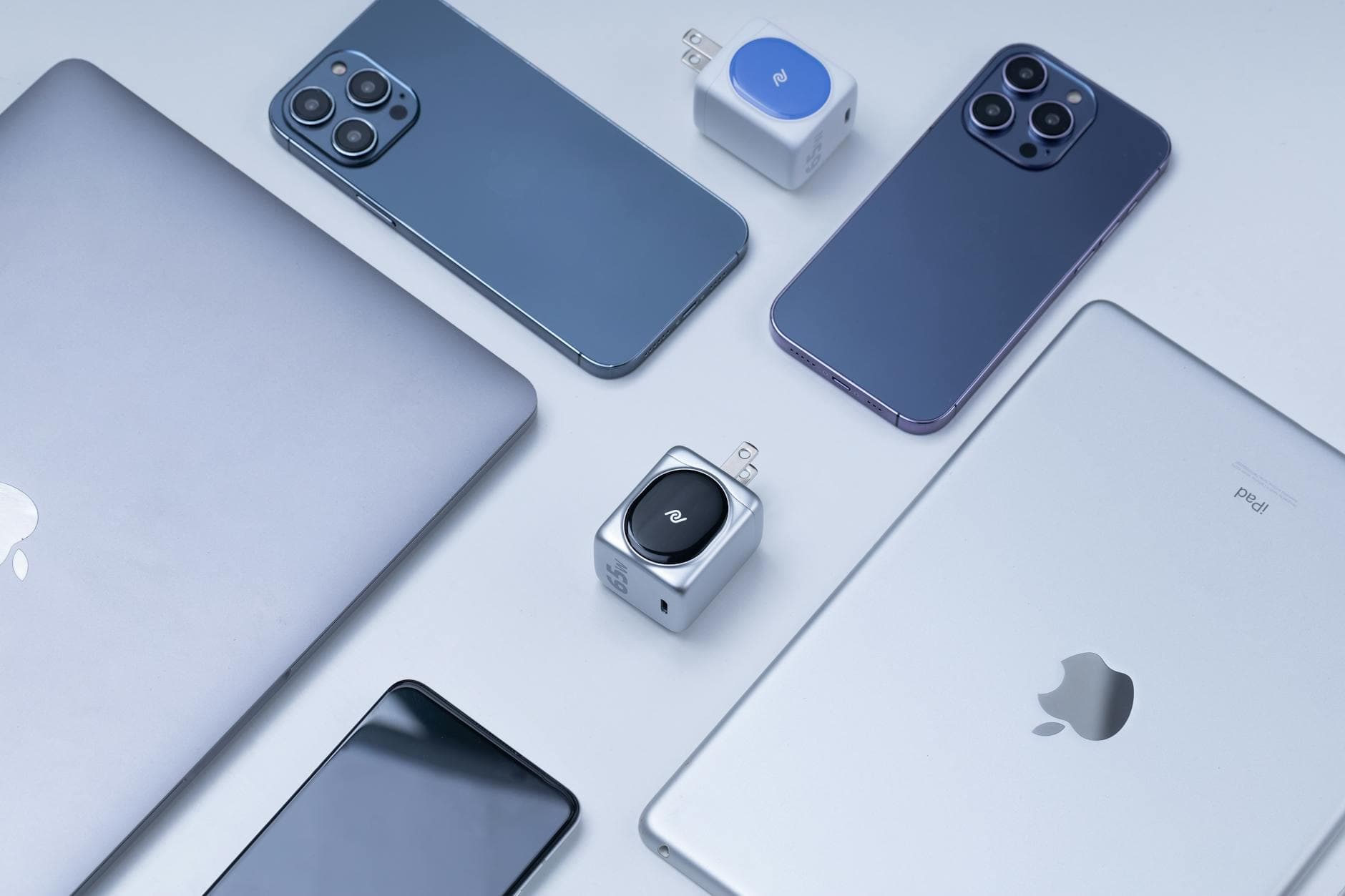
Mobile applications don't exist in isolation—they need real-time data from your ERP, CRM, WMS, and legacy systems. We've built integration layers connecting mobile apps to SAP Business One for Rhode Island manufacturers, Epicor Prophet 21 for distributors, and custom AS/400 systems still running critical operations. Our middleware handles authentication, data transformation, caching, and rate limiting so mobile apps get sub-200ms response times even when backend systems are slow. For one Providence logistics company, we developed APIs that aggregate data from four separate systems (TMS, WMS, accounting, customer portal) into a unified mobile interface, reducing driver pre-trip preparation from 25 minutes to 4 minutes.

Rhode Island healthcare organizations and defense contractors face stringent regulatory requirements that generic mobile apps can't meet. We implement end-to-end encryption using AES-256, secure authentication with biometric factors plus hardware-backed key storage, comprehensive audit logging capturing every data access event, and automatic session timeouts preventing unauthorized access. Our mobile apps for clinical settings integrate with Epic and Cerner via FHIR APIs while maintaining BAA-compliant data handling, supporting offline clinical workflows that sync when connectivity permits. For Navy contractors, we've built applications meeting CMMC Level 3 requirements with multi-factor authentication, encrypted local storage, and containerization separating controlled unclassified information from other device data.
Manufacturing and logistics operations increasingly depend on mobile apps that communicate with IoT devices: Bluetooth temperature sensors for cold chain monitoring, RFID readers for asset tracking, industrial PLCs via Modbus TCP, and proprietary equipment protocols. We've developed Android applications that connect to barcode scanners, label printers, and ruggedized tablets used in warehouse operations, ensuring reliable communication even in RF-noisy industrial environments. One food distributor's mobile app monitors 40+ refrigeration units across their facility via BLE sensors, alerting managers within 60 seconds when temperatures exceed safe thresholds and automatically documenting compliance for health department inspections.
Field service operations, delivery routing, and asset tracking require mobile applications that display live data comprehensibly. We build custom mapping interfaces using MapKit and Google Maps that show technician locations, customer sites, traffic conditions, and optimal routing for Rhode Island's unique geography—from Providence's narrow downtown streets to coastal routes affected by seasonal traffic. Our <a href='/case-studies/great-lakes-fleet'>fleet management platform</a> visualizes 200+ vessels in real-time with 30-second position updates, displaying vessel status, cargo information, and weather overlays. For facilities management teams, we've created heatmaps showing HVAC sensor data across building floors, enabling technicians to identify problem zones before equipment failures occur.
Mobile applications accessing sensitive data require authentication beyond simple passwords. We implement Face ID and Touch ID with fallback PIN codes stored in iOS Secure Enclave or Android StrongBox, certificate pinning preventing man-in-the-middle attacks, jailbreak/root detection blocking compromised devices, and automatic remote wipe for lost phones. Healthcare apps we've built require biometric re-authentication after 15 minutes of inactivity and immediately lock when moving outside geofenced hospital boundaries. For financial applications, we've implemented step-up authentication requiring additional verification for high-risk transactions while maintaining smooth UX for routine operations.
Critical alerts, workflow assignments, and time-sensitive updates require reliable push notification infrastructure. We implement APNs and FCM with fallback mechanisms ensuring delivery even when devices have aggressive battery optimization enabled. Background processing handles scheduled data sync, geofence monitoring for location-based triggers, and silent notifications that update app data before users open the application. One emergency response application we developed delivers critical alerts to first responders within 3 seconds, using high-priority push notifications with custom sounds and persistent on-screen alerts that break through iOS and Android's notification restrictions for life-safety scenarios.
It saved me $150,000 last year to get the exact $50,000 I needed. They constantly find elegant solutions to your problems.
Replace paper-based workflows with mobile applications that validate data at entry point, enforce business rules, and eliminate transcription mistakes costing Rhode Island companies an average of $127,000 annually.
Eliminate duplicate data entry, travel to office for assignments, and end-of-day paperwork through real-time mobile connectivity to backend systems—ROI typically achieved within 6-8 months for field service operations.
Mobile applications with live dashboards provide managers instant insight into field operations, inventory levels, job progress, and resource utilization—no more waiting for end-of-day reports to identify problems.
Our infrastructure architecture, offline-first design, and proactive monitoring ensure mobile applications remain functional even during network outages, server maintenance, or unexpected traffic spikes during peak seasons.
Mobile apps that work with your current ERP, CRM, WMS, and accounting systems rather than requiring costly replacements—we've integrated with 40+ enterprise platforms during our 20+ year history.
Applications that run all day on a single charge with responsive interfaces that don't frustrate users—critical for field operations where charging isn't an option during 10-12 hour shifts.
We start with remote working sessions to observe current workflows, interview users from field technicians to managers, and document integration requirements with existing systems. This isn't conference room theorizing—we spend time in your warehouses, on job sites, and with actual devices to understand real operational constraints. We map data flows, identify sync scenarios, document security requirements, and create detailed specifications before writing code.
We design the application architecture including database schema, API specifications, offline sync strategy, security implementation, and integration approach for your enterprise systems. This phase includes technology stack decisions (native vs. cross-platform), infrastructure planning (cloud hosting, CDN, monitoring), and creating technical documentation that guides development. We identify risks early—like ERP API limitations or hardware compatibility issues—solving problems before they delay timelines.
Development occurs in two-week sprints with functional builds available for testing throughout the project. You see progress weekly rather than waiting months for a big reveal, providing feedback that shapes the application as it's built. We prioritize core workflows first—ensuring critical paths work perfectly before adding secondary features. This approach catches misunderstandings early when they're inexpensive to fix rather than during final testing when changes are disruptive.
We connect the mobile application to your ERP, CRM, and backend systems, implementing the sync logic and business rules that make the app valuable. Testing includes functional validation, offline scenario testing, security penetration testing, performance profiling, and user acceptance testing with your staff. We test on actual devices in real environments—warehouses, vehicles, job sites—identifying issues simulators miss like GPS accuracy problems or connectivity challenges in specific Rhode Island locations.
We handle App Store and Google Play submission, MDM configuration for enterprise deployment, backend infrastructure setup, and comprehensive training for administrators and end users. Training includes hands-on sessions with your staff, documentation customized to your workflows, and video tutorials for ongoing reference. We coordinate rollout strategies—pilot groups before company-wide deployment—ensuring smooth adoption with support readily available as users encounter questions.
Post-launch support includes 24/7 monitoring for production issues, monthly OS compatibility updates, security patches, bug fixes, and feature enhancements based on user feedback and changing business needs. We provide monthly reports showing application usage, performance metrics, and recommendations for improvements. As your operations evolve, we enhance applications with new capabilities—our 20+ year client relationships demonstrate our commitment to long-term partnership rather than project-and-disappear development.
Rhode Island's economic concentration in advanced manufacturing, defense technology, and healthcare creates specific mobile development challenges unlike those in other markets. The state's 1,600+ manufacturing firms—generating $5.2 billion in annual output—require mobile applications that connect production floors to enterprise systems, often integrating with decades-old machinery and proprietary industrial protocols. We've developed shop floor applications for precision manufacturers in Providence and Warwick that capture real-time production data, sync with IQMS and Plex MES platforms, and provide operators instant access to CAD drawings, work instructions, and quality specifications without paper-based job travelers that slow production and introduce errors.
Naval Station Newport and Electric Boat's Quonset Point facility represent major defense technology employers requiring mobile solutions that meet stringent security standards. We've built applications for Navy contractors handling CUI (Controlled Unclassified Information) with NIST 800-171 compliance: implementing encrypted containers separating work data from personal information on BYOD devices, certificate-based authentication tied to DoD PKI infrastructure, and offline functionality for secure areas where network connectivity is prohibited. These applications support maintenance tracking for naval systems, parts inventory management, and technical documentation access—all while maintaining audit trails detailed enough to satisfy DCMA security audits.
Healthcare dominates Rhode Island's service economy with Lifespan operating Rhode Island Hospital, Hasbro Children's Hospital, and multiple community facilities requiring mobile clinical applications. We've developed HIPAA-compliant iOS and Android apps that integrate with Epic EHR systems via FHIR APIs, enabling providers to review patient charts, order medications, view lab results, and document encounters from mobile devices. One telehealth platform we built for a Rhode Island health system handles 800+ daily virtual visits with end-to-end encryption, waiting room interfaces, and seamless integration with existing scheduling and billing systems. The application maintains 99.97% uptime during peak flu season when volumes triple.
Rhode Island's compact geography—just 1,214 square miles—creates unique logistics optimization opportunities. Field service operations covering the entire state face different challenges than those in sprawling markets: technicians might service accounts from Westerly to Woonsocket in a single day, requiring mobile routing applications that optimize for Rhode Island's traffic patterns rather than generic algorithms. We've built dispatch and routing systems for HVAC companies, electrical contractors, and home healthcare agencies that account for Providence's rush hour congestion, tourist traffic in Newport during summer months, and the time penalties of crossing the Providence River when bridges are raised for marine traffic.
The jewelry and silverware industry—once employing 30,000+ Rhode Islanders—still operates specialized manufacturers requiring mobile inventory and production tracking. We developed an application for a Providence jewelry manufacturer managing 400+ SKUs with complex work-in-progress tracking across casting, polishing, stone setting, and assembly operations. The mobile app replaced paper job bags that were frequently lost or damaged on the production floor, providing real-time visibility into where each piece was in the production process and automatically updating their Made2Manage ERP system. Job completion times decreased 23% after implementation as supervisors could immediately identify bottlenecks and reassign workers to balance production flow.
Marine technology and commercial fishing operations require mobile applications that function in harsh saltwater environments with unreliable connectivity. We've built navigation and catch-reporting applications for commercial fishing vessels operating out of Point Judith and Newport, using offline-first architecture that queues data during multi-day trips for sync when returning to port. These applications interface with marine electronics via NMEA protocols, capture GPS tracks for regulatory compliance, and integrate with seafood wholesalers' inventory systems for immediate catch data transmission. One application reduced paperwork processing time at dock from 45 minutes to 8 minutes, getting fishing crews back on the water faster and improving catch freshness for buyers.
Brown University and the state's emerging technology sector create demand for innovative mobile applications incorporating machine learning, augmented reality, and advanced sensors. We've developed iOS applications using CoreML for on-device image recognition in quality control scenarios where cloud processing isn't viable due to latency or bandwidth constraints. For Rhode Island School of Design (RISD) affiliated startups, we've built augmented reality applications that overlay digital content on physical environments, using ARKit for precise spatial tracking and realistic rendering. These applications demonstrate technical capabilities beyond standard business apps while solving real commercial problems for Rhode Island companies.
The concentration of higher education institutions—Brown, RISD, URI, Providence College—creates opportunities for mobile applications supporting campus operations, student services, and research initiatives. We've developed facility management applications for university physical plant operations tracking 10,000+ maintenance requests annually, dining services apps handling meal plan management and nutrition information for students with allergies, and research data collection applications used in oceanography studies at URI's Graduate School of Oceanography. These applications must scale to support 40,000+ users across institutions while meeting FERPA requirements for student data protection and integrating with Ellucian Banner or Workday systems managing institutional operations.
FreedomDev is based in West Michigan and works with clients remotely across the United States.
Schedule a direct consultation with one of our senior architects.
We've connected mobile applications to SAP, Oracle, AS/400 mainframes, proprietary manufacturing systems, and dozens of industry-specific platforms. This experience means we anticipate integration obstacles before they derail projects and architect solutions that remain maintainable as systems evolve. Check our <a href='/case-studies'>case studies</a> for specific examples of complex integrations we've solved.
Our team specializes in Swift for iOS and Kotlin for Android, building applications that leverage platform-specific capabilities rather than lowest-common-denominator cross-platform approaches. This matters for business-critical applications where performance, battery life, and hardware integration directly impact operational efficiency and ROI. We've rebuilt dozens of React Native and Flutter apps after clients hit performance walls.
We understand Rhode Island's key industries from 20+ years developing software for manufacturers, healthcare organizations, and logistics operations. We speak your language—MES systems, work orders, lot tracking, EHR integration, HIPAA compliance, quality management—and design workflows that match how your business actually operates rather than forcing you into generic templates. This domain expertise accelerates projects and produces better outcomes.
We've implemented HIPAA, NIST 800-171, and SOC 2 controls for healthcare and defense applications requiring rigorous security. Our approach architects compliance from the beginning with encryption, authentication, audit logging, and data protection appropriate to your regulatory requirements. We document controls for auditors, provide evidence of compliance, and maintain systems as standards evolve—not just checking boxes but implementing security that protects your operations.
We provide detailed estimates with fixed pricing after requirements analysis, eliminating budget uncertainty common with hourly contracts. You know exactly what you're getting and what it costs before committing. Weekly demos provide visibility into progress, and our track record shows we deliver on commitments. Explore our <a href='/services/mobile-development'>mobile development expertise</a> or <a href='/contact'>contact us</a> to discuss your specific Rhode Island project requirements.
Explore all our software services in Rhode Island
Let’s build a sensible software solution for your Rhode Island business.