
FreedomDev delivers enterprise resource planning systems tailored to Michigan’s automotive, manufacturing, and healthcare industries with 20+ years of expertise
FreedomDev is based in West Michigan and works with clients remotely across the United States.
Michigan's manufacturing sector contributes over $100 billion annually to the state's GDP, with over 13,000 manufacturing establishments requiring sophisticated systems to manage complex operations across production scheduling, inventory control, quality assurance, and supply chain coordination. FreedomDev has spent two decades building ERP systems specifically for the operational challenges faced by Michigan's diverse industrial base, from automotive suppliers in the Metro Detroit region to food processors in West Michigan and specialized manufacturers throughout the state. Our [erp development expertise](/services/erp-development) focuses on creating integrated platforms that connect legacy systems, automate manual processes, and provide real-time visibility across multi-location operations.
The difference between off-the-shelf ERP implementations and custom development becomes evident when addressing Michigan's unique business requirements. We worked with a West Michigan distribution company managing 47 warehouses across the Midwest that needed real-time inventory synchronization with their existing warehouse management system, automated replenishment based on regional demand patterns, and integration with 14 different carrier APIs for freight optimization. Their previous SAP implementation cost $1.2 million and took 18 months to deploy, yet still required 23 hours of weekly manual data reconciliation. Our custom ERP solution reduced that reconciliation time to 90 minutes while providing capabilities their previous system couldn't deliver.
Manufacturing operations in Michigan face specific challenges that generic ERP systems struggle to address: just-in-time delivery requirements from automotive OEMs, complex compliance documentation for food safety regulations, multi-tier supplier coordination, and seasonal demand fluctuations that require dynamic resource allocation. A Grand Rapids-based metal fabricator we worked with processes over 2,400 custom orders monthly, each with unique specifications, material requirements, and delivery schedules. Their previous system required manual entry of production routing, resulting in scheduling errors that cost them approximately $180,000 annually in rush shipping and overtime. We built a custom ERP module that automatically generates production schedules based on machine availability, material stock levels, and delivery commitments, reducing scheduling conflicts by 87%.
Michigan's business landscape includes significant numbers of family-owned manufacturers, many operating for 30-50 years with deeply embedded processes and institutional knowledge that must be preserved during digital transformation. Our approach to ERP development begins with process documentation that captures not just what systems do, but why specific workflows exist and what business logic drives operational decisions. For a third-generation machinery manufacturer in Kalamazoo, we discovered that their 'inefficient' quality inspection process actually prevented a specific type of defect that had historically caused warranty issues costing $40,000-$60,000 per incident. Rather than eliminating this step for efficiency, we digitized it with automated data capture and trend analysis that maintained quality standards while reducing inspection time by 43%.
Integration with existing business systems represents one of the most critical aspects of ERP development for established Michigan companies. Our [QuickBooks Bi-Directional Sync](/case-studies/lakeshore-quickbooks) case study demonstrates how we connected a custom inventory and order management system with QuickBooks Enterprise, maintaining the accounting processes that had been refined over 15 years while adding capabilities for multi-warehouse management, lot tracking, and automated reorder points. The system processes approximately 1,800 transactions daily with automatic synchronization, eliminating the dual-entry workflow that previously required three full-time employees and produced monthly reconciliation discrepancies averaging $12,000-$18,000.
Real-time operational visibility becomes increasingly important as Michigan manufacturers deal with supply chain volatility, labor shortages, and pressure to reduce working capital tied up in inventory. We developed a production management ERP for a Detroit-area automotive supplier that provides minute-by-minute updates on work-in-progress inventory, machine utilization rates, quality metrics, and on-time delivery performance across three facilities. Plant managers can identify bottlenecks as they develop rather than discovering them during end-of-shift reports. This real-time visibility helped them reduce work-in-progress inventory by 34% while improving on-time delivery from 91% to 98.5%, a critical improvement given that automotive OEM contracts often include penalties for delivery failures.
The technical architecture of custom ERP systems differs fundamentally from configuring pre-built platforms. Our development approach prioritizes modular design that allows individual components to be updated, replaced, or enhanced without disrupting core operations. For a food processing company in Holland, we built their ERP with separate modules for production scheduling, quality management, inventory control, and shipping coordination, each communicating through a documented API layer. When FDA regulations changed their lot tracking requirements, we updated only the quality management module in six weeks rather than requiring a full system reengineering project. This architectural approach has saved them an estimated $240,000 in modification costs over four years compared to quotes they received for updating their previous packaged ERP system.
Michigan's workforce challenges—with manufacturing unemployment below 3% in many regions—make system usability a business-critical requirement rather than a nice-to-have feature. We design ERP interfaces specifically for the users who will interact with them daily: production supervisors working in manufacturing environments, warehouse staff using mobile scanners, quality inspectors documenting measurements, and office personnel managing orders and invoicing. A furniture manufacturer in Grand Rapids reduced new employee training time from five days to eight hours after we rebuilt their production management interface to match actual shop floor workflows rather than forcing workers to navigate a complex multi-screen process designed for office environments. Their turnover rate for production staff decreased by 22% in the following year, which HR attributed partly to reduced frustration with manufacturing systems.
Data migration from legacy systems represents one of the highest-risk elements of ERP implementation, particularly for Michigan manufacturers with decades of historical data that informs forecasting, costing, and customer service decisions. Our migration methodology includes parallel operation periods where both old and new systems run simultaneously, automated reconciliation reporting that flags discrepancies for investigation, and phased cutover approaches that minimize operational disruption. When transitioning a Muskegon-based industrial distributor from their 20-year-old AS/400 system to a modern custom ERP, we ran parallel systems for 90 days while processing approximately 850 orders daily. We identified and resolved 147 data transformation issues during this period that would have caused significant problems if discovered only after full cutover.
The return on investment for custom ERP development in Michigan manufacturing typically manifests across multiple dimensions: reduced labor costs from automation, decreased inventory carrying costs from better visibility and planning, improved customer retention from better service levels, and increased capacity from operational efficiency gains. Our [custom software development](/services/custom-software-development) approach includes establishing baseline metrics before development begins and tracking specific improvements post-implementation. A machinery parts distributor in Lansing documented $340,000 in annual savings from inventory reduction, $180,000 from eliminating duplicate data entry, and $95,000 from improved freight consolidation—a total annual benefit of $615,000 against a development investment of $280,000, achieving full payback in 5.5 months.
Michigan's seasonal industries—including agriculture, marine, construction, and tourism-related manufacturing—require ERP systems that handle dramatic demand fluctuations without maintaining year-round staffing and infrastructure costs. We built an ERP for a marine equipment manufacturer in Traverse City that automatically scales resource allocation based on seasonal patterns, adjusting production schedules, purchasing commitments, and staffing recommendations as demand increases from March through August. The system reduced their safety stock requirements by 28% while maintaining 99% product availability during peak season, freeing up approximately $420,000 in working capital that previously sat in inventory 'just in case' demand exceeded forecasts.
Integration with [business intelligence](/services/business-intelligence) capabilities transforms ERP systems from operational tools into strategic assets that inform decision-making at all organizational levels. Our ERP implementations include embedded analytics that provide role-specific dashboards without requiring separate BI platforms or data warehouse infrastructure. A West Michigan food producer monitors production efficiency, ingredient costs, customer profitability, and quality metrics through dashboards updated in real-time from their custom ERP. When ingredient costs for a key product increased 18% due to supply disruptions, their purchasing team identified alternative formulations within two days using cost analysis tools built into the ERP, maintaining margin targets that would have been missed using their previous monthly reporting cycle.
Custom algorithms that account for machine capabilities, setup times, material availability, labor skills, and delivery commitments to generate feasible production schedules automatically. Our scheduling engine for a Grand Rapids metal fabricator considers 47 different constraints including tool availability, quality certification requirements, and energy costs during peak demand periods. The system reduced scheduling time from 6 hours daily to 20 minutes while improving on-time completion rates by 31%. Schedule optimization runs continuously, automatically adjusting for machine breakdowns, material delays, or rush orders without requiring manual replanning.
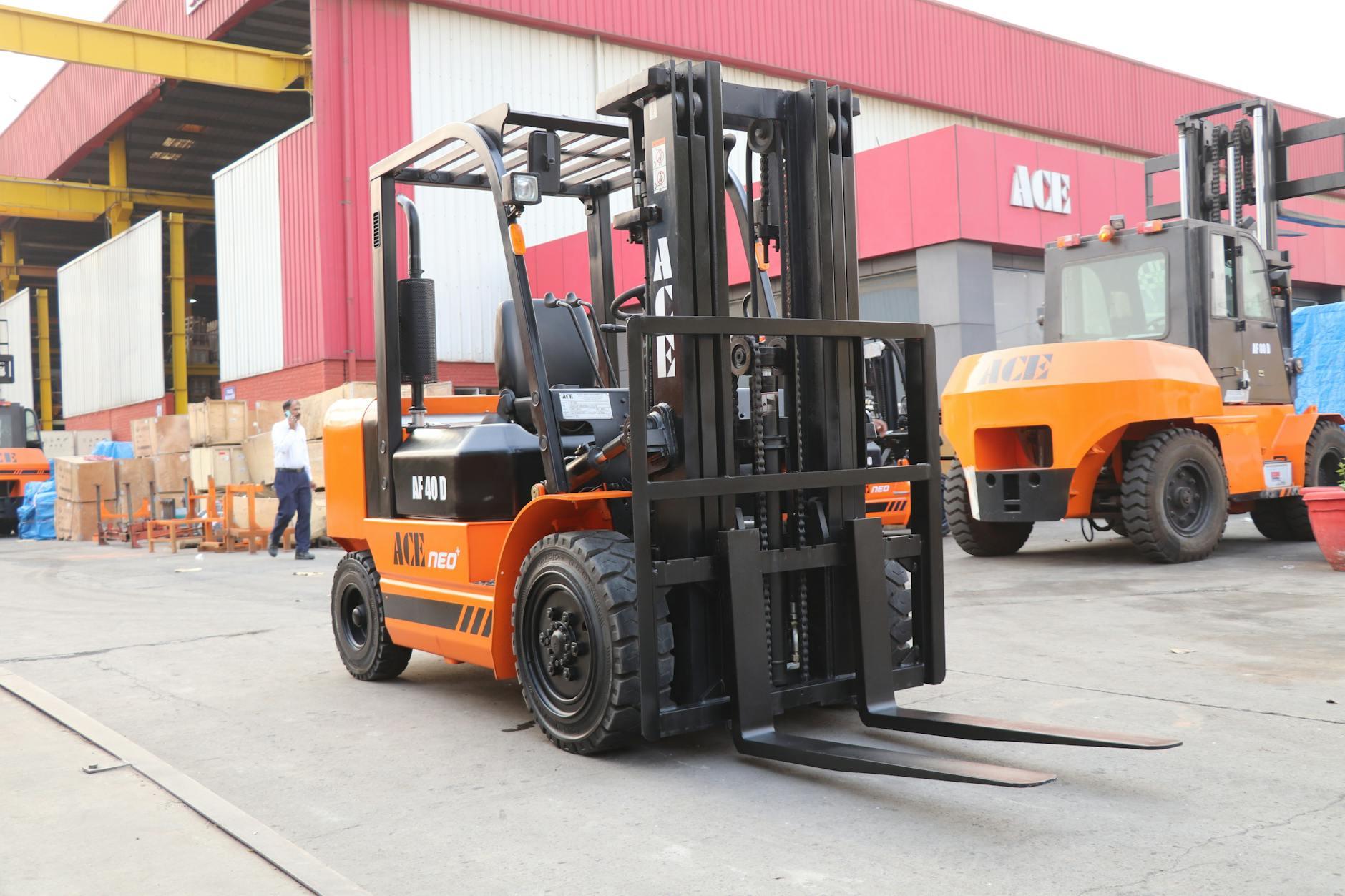
Real-time inventory tracking across warehouses, retail locations, production facilities, and consignment stock with automated transfer recommendations and replenishment triggers. We built inventory management for a distributor operating 23 locations across Michigan and Indiana that reduced stockouts by 64% while decreasing total inventory value by 19%. The system tracks inventory movement at the transaction level, providing complete audit trails for compliance purposes and identifying slow-moving stock before it becomes obsolete. Automated cycle counting procedures replaced annual physical inventory requirements, reducing counting labor by approximately 420 hours annually.
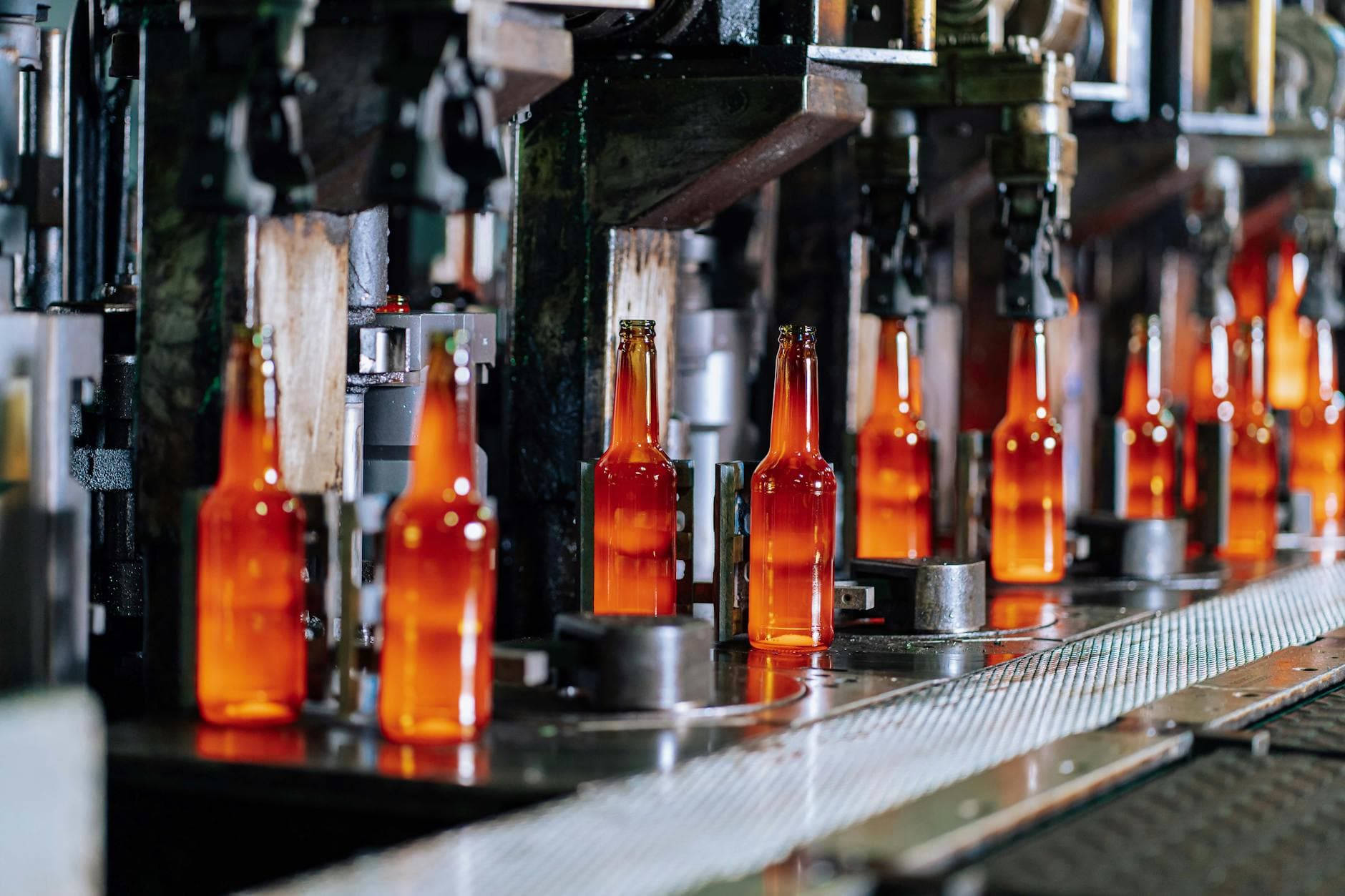
Integrated quality control workflows that capture inspection data, maintain calibration records, track non-conformances, and generate compliance documentation automatically. Our quality module for a food processor in Holland manages HACCP documentation, allergen tracking, supplier certifications, and customer-specific quality requirements across 340+ SKUs. The system reduced audit preparation time from 80 hours to 12 hours while maintaining complete traceability from raw material lot to finished product shipment. Automated alerts notify quality managers of approaching certificate expirations, calibration due dates, or trending quality metrics before they become compliance issues.

Complete order lifecycle management from quote through delivery with customer-specific pricing, approval workflows, production tracking, and shipping coordination. We developed order management for a custom manufacturer processing 1,800+ unique configurations monthly, automatically checking design feasibility, calculating accurate costs, and generating production documentation without manual engineering review for standard modifications. The system maintains complete customer interaction history, integrating with their existing CRM platform to provide sales representatives with real-time order status, quality history, and profitability analysis during customer conversations. Order entry time decreased from 12 minutes to 3.5 minutes per order while pricing accuracy improved from 94% to 99.7%.
Automated purchasing based on demand forecasts, safety stock levels, lead times, and supplier performance with integrated supplier portals for collaboration. Our procurement module for an industrial distributor manages relationships with 340+ suppliers, automatically generating purchase orders when inventory reaches reorder points while considering order minimums, package quantities, and freight optimization opportunities. The system tracks supplier performance metrics including on-time delivery, quality acceptance rates, and pricing trends, providing buyers with data-driven insights for negotiation and supplier selection decisions. Purchase order processing time decreased by 71% while stockouts from procurement delays decreased by 83%.
Bi-directional integration with accounting platforms maintaining real-time synchronization of transactions, inventory valuations, and financial reporting data. Our financial integration approach maintains the chart of accounts, reporting structures, and compliance procedures established in existing accounting systems while adding operational capabilities those platforms cannot provide. For a manufacturer using QuickBooks Enterprise, we built custom integration that processes approximately 2,400 transactions daily including sales orders, purchase orders, inventory adjustments, and job costing entries with automatic reconciliation reporting. Month-end close time decreased from 12 days to 4 days while providing management with daily financial visibility previously unavailable.
Native mobile applications and responsive web interfaces designed for production environments with large buttons, barcode scanning, and offline capability. We developed mobile interfaces for production tracking that allow machine operators to clock into jobs, report quantities, document downtime reasons, and flag quality issues using tablets mounted at workstations or handheld devices. The interface operates offline during network disruptions, synchronizing data automatically when connectivity resumes. A furniture manufacturer in Holland reported 94% user adoption within two weeks of deployment compared to 67% adoption after six months with their previous desktop-only system.
Role-based dashboards and custom reporting tools that transform operational data into actionable insights without requiring separate business intelligence platforms. Our embedded analytics provide real-time visibility into KPIs including order fulfillment rates, inventory turns, production efficiency, quality metrics, and customer profitability with drill-down capabilities to investigate trends or anomalies. A distribution company uses margin analysis reports that identify customers, products, and orders generating below-target margins, allowing sales management to address pricing issues proactively. The reporting system eliminated the 40+ hours monthly previously spent compiling spreadsheet reports from multiple systems while providing analysis capabilities their previous approach couldn't deliver.
Our retention rate went from 55% to 77%. Teacher retention has been 100% for three years. I don't know if we'd exist the way we do now without FreedomDev.
Automated workflows, optimized resource utilization, and reduced manual data entry typically decrease operational costs by 20-35% within the first year. Our clients document savings from eliminated positions, reduced overtime, decreased expediting fees, and lower error correction costs.
Better demand forecasting, automated replenishment, and real-time visibility across locations reduce inventory carrying costs by 15-30% while improving product availability. Michigan manufacturers report freeing $200,000-$800,000 in working capital through inventory optimization enabled by custom ERP systems.
Real-time order status visibility, accurate delivery commitments, and proactive communication about delays increase customer satisfaction and retention. Companies track improvements in on-time delivery rates, quote turnaround times, and inquiry response speeds after ERP implementation.
Custom ERP systems enable revenue growth without proportional increases in administrative and operational staff. Our clients process 40-60% more transactions with the same headcount after implementing automation and integration capabilities that eliminate manual bottlenecks.
Real-time dashboards and embedded analytics provide visibility into operational and financial performance that informs strategic decisions. Management teams make pricing adjustments, capacity planning decisions, and customer prioritization choices based on current data rather than month-old reports.
Automated documentation, complete audit trails, and systematic quality controls reduce compliance risks and decrease audit preparation time by 60-80%. Food processors, medical device manufacturers, and automotive suppliers maintain continuous compliance rather than scrambling during audit periods.
We begin with 2-4 weeks of workflow observation, stakeholder interviews, and system analysis to understand current operations, pain points, and integration requirements. This phase produces detailed process documentation, data flow diagrams, and system requirement specifications that form the foundation for development. We identify quick wins that can be delivered early and complex challenges requiring specialized solutions.
Our development team designs system architecture including database schemas, integration approaches, user interface frameworks, and deployment infrastructure. We create technical specifications, identify third-party services or APIs needed, and establish development milestones with delivery dates for functional modules. This phase typically requires 1-2 weeks and produces the technical roadmap guiding development activities.
Development proceeds in 2-3 week sprints, each delivering functional features for review and feedback. We prioritize core capabilities that provide immediate value, allowing early modules to be deployed while development continues on remaining components. Regular demonstration sessions keep stakeholders informed and allow course corrections based on user feedback before extensive development occurs on misunderstood requirements.
Before company-wide rollout, we conduct comprehensive testing including functional validation, integration testing, performance testing under realistic data volumes, and user acceptance testing with actual end users. Training sessions cover role-specific functions with hands-on practice using real data. Pilot deployments with limited user groups identify issues in controlled environments before broader deployment introduces risks to full operations.
Full deployment includes data migration, parallel operation periods where both old and new systems run simultaneously, and intensive support during the initial weeks as users adapt to new workflows. We monitor system performance, user adoption metrics, and error rates closely during this period, making immediate adjustments to address issues. Post-deployment optimization continues for 2-3 months as we refine performance, enhance usability based on user feedback, and resolve edge cases discovered during actual operation.
After initial deployment stabilizes, we transition to ongoing maintenance covering security updates, bug fixes, performance optimization, and minor enhancements. Most clients establish monthly maintenance agreements that ensure their ERP system remains secure and performs well as data volumes grow. Larger feature additions or new module development occur through scoped projects as business requirements evolve, allowing the ERP system to grow with your company rather than becoming a constraint on business development.
Michigan's economic composition creates unique ERP requirements that differ substantially from technology hubs or service-based economies. The state's 13,000+ manufacturing establishments span automotive suppliers, food processors, furniture manufacturers, machinery builders, chemical producers, and specialized equipment fabricators—each with distinct operational workflows, compliance requirements, and integration needs. FreedomDev's two decades serving Michigan businesses provides deep understanding of these sector-specific requirements. We've built ERP systems for just-in-time automotive suppliers operating on 4-hour delivery windows, food processors managing FDA compliance documentation, and custom manufacturers handling thousands of unique product configurations monthly.
The geographic distribution of Michigan's manufacturing base influences ERP architecture decisions, particularly regarding multi-location operations and supply chain coordination. West Michigan concentrates furniture, food processing, and industrial equipment manufacturing with tight-knit supplier networks. Metro Detroit remains the center of automotive production with complex multi-tier supplier relationships. The Upper Peninsula hosts mining-related industries and forest product manufacturers with unique logistics challenges. Our [Real-Time Fleet Management Platform](/case-studies/great-lakes-fleet) demonstrates how we address distributed operations for companies managing assets across Michigan's 83,000+ miles of roadway and Great Lakes ports including Detroit, Muskegon, and Escanaba.
Michigan's business culture favors long-term supplier relationships and local partnerships over constant vendor switching, making sustainable ERP solutions more valuable than trendy platforms that may become unsupported. We maintain client relationships spanning 10-15 years, continuously enhancing their ERP systems as business requirements evolve rather than abandoning them for the next technology trend. A manufacturing client in Kalamazoo has worked with us for 14 years, evolving from an initial inventory management system to a comprehensive ERP platform managing production, quality, customer service, and financial operations. This long-term approach allows ERP systems to mature with accumulated business logic and user feedback rather than forcing disruptive replacements every 5-7 years.
The seasonal nature of several Michigan industries requires ERP flexibility that standard systems struggle to provide. Marine equipment manufacturers, agricultural processors, construction suppliers, and tourism-related businesses experience demand fluctuations of 200-400% between peak and off-peak periods. We've built ERP systems that automatically adjust purchasing commitments, production schedules, and staffing recommendations based on seasonal patterns and current booking levels. A marine equipment distributor in Traverse City uses demand forecasting algorithms that consider historical patterns, current reservation data from marinas, and weather forecasts to optimize inventory levels—maintaining 98% product availability during peak season while reducing year-round carrying costs by 31%.
Michigan's workforce demographics influence ERP interface design and training requirements. Many manufacturing facilities employ workers ranging from recent high school graduates to employees with 30+ years of experience, creating diverse technology comfort levels and learning preferences. Our ERP interfaces accommodate this diversity through intuitive visual workflows, minimal typing requirements, and context-sensitive help systems. A furniture manufacturer in Grand Rapids reported that production employees in their 50s and 60s—who had resisted previous software implementations—became enthusiastic advocates for our custom ERP because the interface matched their existing work processes rather than forcing them to adapt to arbitrary software constraints.
The proximity to major research universities including University of Michigan, Michigan State University, and Western Michigan University provides access to emerging technologies and talent pools that inform our ERP development approaches. We incorporate research on machine learning for demand forecasting, optimization algorithms for production scheduling, and user experience design principles validated through academic studies. However, we prioritize proven, maintainable technologies over experimental approaches that may create long-term support challenges. Our ERP platforms use established frameworks and architectures that allow us to find qualified developers for maintenance and enhancement work, avoiding the common problem of custom systems built with obscure technologies that become unmaintainable when the original developer leaves.
Michigan's regulatory environment includes state-specific requirements beyond federal regulations that affect ERP system design. The state's Corporate Income Tax and Sales and Use Tax regulations create specific reporting requirements. Environmental regulations for manufacturers require documentation of waste streams, emissions, and hazardous material handling. Worker's compensation and unemployment insurance reporting requires integration between ERP systems and payroll platforms. We build these compliance requirements directly into ERP workflows rather than treating them as afterthoughts, ensuring that normal business operations automatically generate the documentation and reports necessary for regulatory compliance.
Economic development incentives available through organizations like the Michigan Economic Development Corporation (MEDC) and regional economic development agencies often include technology adoption programs that can offset custom ERP development costs. We've helped clients access programs providing funding for automation, workforce training, and operational efficiency improvements that encompass ERP implementation. A machinery manufacturer in Battle Creek received $85,000 in state incentives that covered approximately 30% of their custom ERP development costs, improving project ROI while supporting Michigan's economic development goals. Our familiarity with these programs allows us to advise clients on potential funding sources during project scoping.
FreedomDev is based in West Michigan and works with clients remotely across the United States.
Schedule a direct consultation with one of our senior architects.
We've built ERP systems specifically for Michigan's manufacturing and distribution sectors since our founding over 20 years ago, accumulating deep knowledge of industry-specific requirements, regulatory compliance needs, and operational challenges. This experience allows us to anticipate requirements and avoid common pitfalls that less experienced developers encounter.
Unlike packaged ERP vendors that control feature development and force version upgrades on their timeline, custom development gives you complete control. We modify systems based on your business priorities, not vendor product strategies. You're never forced to adopt unwanted features or delayed waiting for vendor roadmaps to address your critical needs.
Our portfolio includes integration with accounting platforms (QuickBooks, Sage, Xero), shipping carriers (UPS, FedEx, regional LTL carriers), payment processors, CRM systems, manufacturing equipment, warehouse automation, and industry-specific platforms. This experience ensures your ERP connects seamlessly with existing systems rather than creating data silos requiring manual bridging.
We maintain client relationships spanning 10-15 years, continuously enhancing their systems as businesses evolve. This long-term approach allows ERP platforms to mature with accumulated business logic and user feedback. Our [case studies](/case-studies) demonstrate sustained value delivery over years, not just successful initial implementations that decay over time due to inadequate ongoing support.
We provide detailed project estimates with fixed pricing for defined scope after completing discovery work, avoiding the budget overruns common with hourly billing or packaged ERP implementations where hidden costs emerge during deployment. Clients know their total investment before development begins and can make informed decisions about feature priorities and project scope based on budget constraints and expected returns.
Explore all our software services in Michigan
Let’s build a sensible software solution for your Michigan business.