
Massachusetts manufacturers contribute over $40 billion annually to the state's economy, yet many operate on fragmented ERP systems that weren't designed for the complexity of modern production environments. Companies across Worcester, Springfield, and the Route 128 corridor face similar challenges: legacy systems that can't communicate with newer warehouse automation, disconnected inventory management that creates stockouts during peak production, and manual data entry that consumes hours each week. We've spent 20+ years building [custom ERP solutions](/services/erp-development) that address these specific operational bottlenecks for manufacturing, distribution, and service businesses.
The Massachusetts business landscape requires ERP systems that handle unique operational requirements. Aerospace manufacturers in the Blackstone Valley need lot traceability that meets AS9100 standards. Medical device companies in the Route 495 corridor require 21 CFR Part 11 compliant electronic batch records. Food processors in the Pioneer Valley need real-time temperature monitoring integrated with production tracking. Off-the-shelf ERP packages claim to handle these requirements, but implementations drag on for 18-24 months and still require extensive customization that costs more than purpose-built solutions.
Our approach differs fundamentally from traditional ERP implementations. We don't force businesses into predefined workflows that ignore how work actually gets done. Instead, we start by mapping your current operations—how materials move through your facility, where information breaks down between departments, which manual processes create the most friction. A precision manufacturing client in Westborough was losing three hours daily to manual data transfer between their CNC machines and inventory system. We built a custom integration that captures machine output automatically and updates inventory in real-time, eliminating the data entry and reducing inventory discrepancies by 87%.
Massachusetts companies often operate in regulated industries where compliance isn't optional. Our [Real-Time Fleet Management Platform](/case-studies/great-lakes-fleet) demonstrates how we build systems that maintain detailed audit trails, implement role-based access controls, and generate compliance reports automatically. For manufacturers with FDA oversight, we've created electronic batch record systems that enforce proper sequencing, require digital signatures at critical control points, and prevent unauthorized changes to validated processes. These aren't add-on features—they're built into the core architecture from day one.
Financial integration represents a critical component of any ERP system, particularly for businesses managing multiple entities or complex job costing. Our [QuickBooks Bi-Directional Sync](/case-studies/lakeshore-quickbooks) case study shows how we handle real-time financial data synchronization without the fragility of typical integration tools. We've built similar integrations for Sage, Microsoft Dynamics, and custom accounting systems, ensuring that financial data flows seamlessly between operational systems and general ledgers. A distribution company in Lowell needed real-time cost tracking across 14 warehouse locations—we created an integration that updates actual costs within seconds of receiving shipments.
The technology stack for ERP development must balance performance, scalability, and maintainability. We build systems using Microsoft .NET and SQL Server for the reliability and performance that manufacturing operations demand. Database architecture receives particular attention—we design schemas that support high-transaction volumes during peak production periods while maintaining sub-second query response times for reporting. Our [database services](/services/database-services) include performance tuning, indexing strategies, and query optimization that keeps systems responsive as transaction volumes grow. A metal fabricator in Pittsfield processes 15,000 transactions daily; their system maintains consistent response times even during month-end closing.
Mobile accessibility has become essential for modern manufacturing operations. Shop floor supervisors need to update job status from production lines. Warehouse staff require real-time inventory lookups while receiving shipments. Quality inspectors must record measurements and upload photos directly from inspection stations. We develop responsive web applications that work on tablets, smartphones, and rugged mobile computers, with interfaces optimized for touch input and outdoor visibility. These aren't simplified mobile views—they're purpose-built interfaces that provide full functionality appropriate to each role.
Integration with existing equipment and systems determines whether an ERP implementation succeeds or creates new problems. Massachusetts manufacturers often operate diverse equipment: CNC machines from multiple vendors, automated assembly systems, robotic welding cells, and testing equipment that all generate valuable production data. We've integrated ERP systems with equipment using protocols from simple serial communications to modern REST APIs, OPC-UA industrial automation standards, and custom hardware interfaces. The goal is capturing production data automatically rather than forcing operators to enter information manually after completing work.
Reporting and business intelligence capabilities separate functional ERP systems from strategic business tools. We build custom dashboards that display real-time operational metrics: current production status, inventory levels, order fulfillment progress, and quality trends. A pharmaceutical packaging company in Cambridge needed dashboards showing real-time line efficiency, product changeover times, and deviation tracking across multiple production lines. We created role-specific dashboards that automatically refresh every 30 seconds, giving production managers visibility into operations without requiring them to dig through transaction records.
The migration from legacy systems to new ERP platforms requires careful planning and execution. We don't recommend "big bang" cutovers that force entire organizations to switch systems overnight. Instead, we implement phased migrations that allow validation at each stage. Data migration receives particular attention—we build custom ETL processes that clean, validate, and transform historical data while maintaining referential integrity. A mechanical contractor in Newton had 15 years of project data in a legacy AS/400 system; we migrated 2.3 million records with zero data loss and complete audit trails showing the transformation of every field.
Post-implementation support determines long-term ERP success. We provide direct access to the developers who built your system, not offshore support tiers reading from scripts. When a production issue stops operations, you need someone who understands your business logic and can diagnose problems quickly. We maintain detailed system documentation, provide administrator training, and establish clear escalation procedures. A food processor in Brockton called at 4:30 AM when their production scheduling system encountered an error; we had a developer investigating within 15 minutes and deployed a fix before the morning shift arrived.
Cost structures for custom ERP development are transparent and predictable. We provide fixed-price quotes for defined project scopes, with clear specifications for deliverables, timelines, and acceptance criteria. Projects typically range from $120,000 to $850,000 depending on complexity, number of users, and integration requirements. This represents 40-60% less than comparable NetSuite or SAP implementations for mid-market manufacturers, with faster deployment and systems that actually match how your business operates. [Contact us](/contact) for a detailed cost estimate based on your specific requirements.
Tell us what is happening, what systems are involved, and what you are trying to improve. We'll help determine a practical next step.
Track work orders from release through completion with automated data collection from production equipment. Our systems capture machine cycle times, operator clock-ins, material consumption, and quality measurements automatically, eliminating paper travelers and manual data entry. A precision machining company in Worcester reduced production reporting time from 45 minutes per shift to under 5 minutes while improving data accuracy by 93%. The system enforces proper work order sequencing, validates that materials are available before releasing jobs, and alerts supervisors to schedule deviations in real-time.
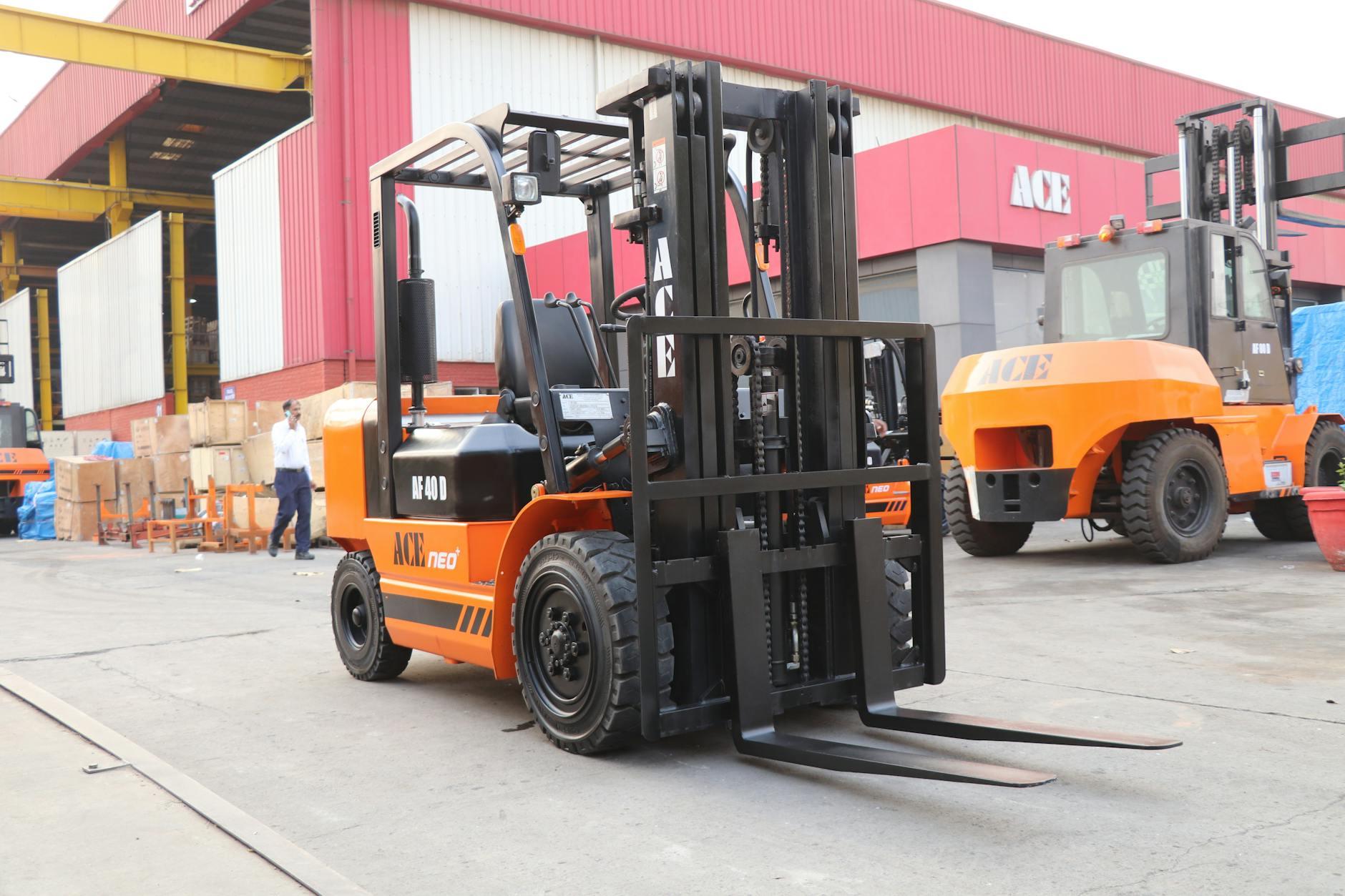
Maintain complete visibility into inventory across multiple warehouses, production locations, and customer sites. Our inventory systems track materials by lot number, serial number, expiration date, and custom attributes specific to your industry. Barcode scanning streamlines receiving, picking, and cycle counting while eliminating manual entry errors. We've implemented systems that track forward and backward lot traceability for FDA-regulated manufacturers, allowing complete recall management within minutes rather than days. A medical device company in Billerica can trace any finished product back to raw material lots and forward to all customers who received products from specific batches.
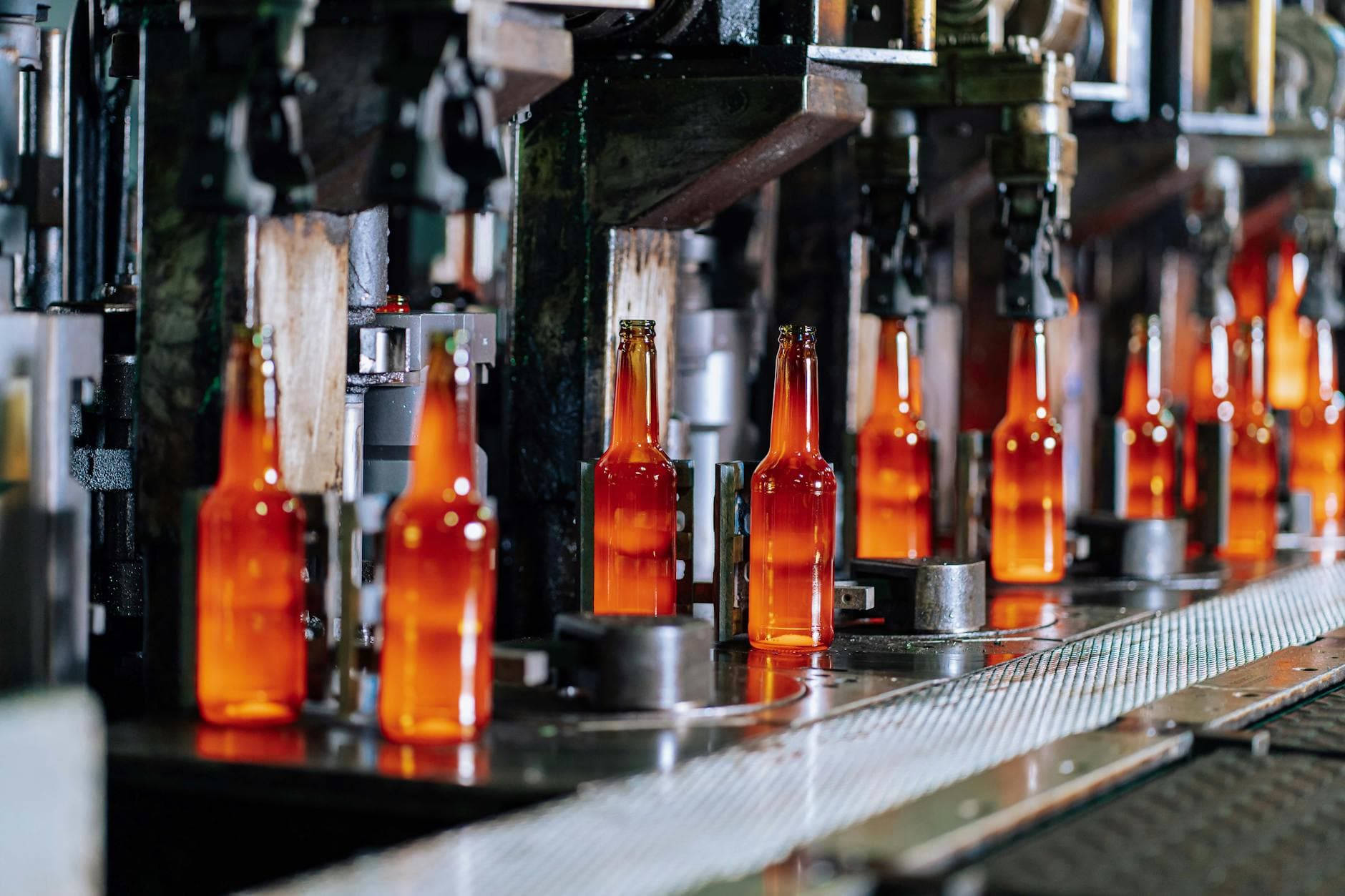
Eliminate duplicate data entry between operational and financial systems through real-time bidirectional synchronization. Our financial integrations handle complex scenarios including multi-entity consolidation, intercompany transactions, job costing, and project accounting. The system automatically generates journal entries from operational transactions—shipments create revenue entries, material receipts update inventory values, and labor transactions flow to work-in-process accounts. A distribution company with operations in Boston, Springfield, and Providence maintains separate legal entities with consolidated financial reporting, all from a single integrated system that ensures accounting accuracy.

Integrate quality control directly into production workflows with inspection requirements, statistical process control, and corrective action management. Our QMS modules enforce inspection plans at designated production stages, collect measurement data with automatic tolerance checking, and route non-conforming materials through proper disposition procedures. Statistical process control charts update in real-time as measurements are recorded, alerting quality engineers to process drift before producing scrap. An aerospace manufacturer in Woburn implemented our QMS and reduced customer returns by 76% within six months while achieving better on-time delivery through early problem detection.
Optimize procurement through automated reorder point calculations, vendor performance tracking, and electronic purchase order transmission. Our supply chain modules analyze historical usage patterns and current demand to generate purchase recommendations that balance inventory investment against stockout risk. Vendor portals allow suppliers to view forecast demand, confirm delivery schedules, and submit advance ship notices electronically. A manufacturer in Framingham reduced expedited freight costs by $180,000 annually after implementing our demand planning system that maintains optimal inventory levels while improving material availability to 99.2%.
Manage the complete order lifecycle from quotation through shipment with automated order processing, allocation logic, and customer communication. Customer portals provide real-time access to order status, shipment tracking, invoice history, and technical documentation without requiring staff involvement. The system automatically allocates inventory to orders based on configurable prioritization rules, generates pick lists optimized for warehouse layout, and creates shipping documentation including bills of lading and commercial invoices. A distributor in Northampton processes 400+ daily orders with a team of three, providing customers with real-time order visibility that reduced status inquiry calls by 85%.
Track maintenance schedules, equipment history, and spare parts inventory through integrated CMMS functionality. The system generates work orders automatically based on calendar intervals, runtime hours, or cycle counts, ensuring that preventive maintenance occurs on schedule. Maintenance technicians access work orders on mobile devices, record labor hours and parts consumption, and capture photos of completed work. Equipment downtime analysis identifies chronic problems and supports data-driven capital investment decisions. A food processor in New Bedford reduced unplanned downtime by 64% after implementing scheduled maintenance tracking that catches problems during planned maintenance windows rather than during production runs.
Transform operational data into actionable insights through role-specific dashboards and custom report generation. Our BI implementations include pre-built reports for common analysis needs—inventory turnover, on-time delivery, manufacturing variance, and customer profitability—while supporting ad-hoc report creation by business users. Dashboards refresh automatically, displaying current production status, order pipeline, cash flow projections, and KPI trends. Alert systems notify managers when metrics exceed thresholds, enabling proactive management rather than reactive problem-solving. A contract manufacturer in Lexington credits their executive dashboard with identifying a product line losing 12% margins, leading to pricing adjustments that restored profitability.
FreedomDev definitely set the bar a lot higher. I don't think we would have been able to implement that ERP without them filling these gaps.
Automated data capture from production equipment, barcode scanners, and integrated systems reduces manual entry by 70-85% while improving accuracy to 99%+, eliminating the costly errors that plague spreadsheet-based workflows.
Make decisions based on current information rather than yesterday's reports. Real-time dashboards show production status, inventory levels, and order fulfillment progress, enabling proactive management of your operations.
Meet FDA, ISO, AS9100, and industry-specific requirements through electronic batch records, audit trails, digital signatures, and validation documentation that's designed into the system architecture rather than bolted on afterward.
Custom ERP development costs 40-60% less than comparable commercial implementations while delivering systems that require minimal ongoing licensing fees, eliminate unnecessary functionality, and match your actual workflows.
Deploy functional systems in 4-8 months versus 18-24 months for traditional ERP implementations. Phased rollouts allow operational validation at each stage, reducing risk and accelerating time to value.
Systems designed to accommodate business growth without requiring platform migrations or expensive re-implementations. Add users, locations, and transaction volume while maintaining consistent performance.
We start with remote working sessions to observe your actual operations—how materials flow, where information breaks down, which processes create the most friction. This includes interviews with staff across all departments to understand their specific needs and pain points. We document current workflows, identify integration requirements with existing systems and equipment, and define measurable success criteria. This phase typically takes 2-3 weeks and results in a detailed requirements document and project proposal with fixed pricing.
Our development team creates detailed technical specifications including database schema, application architecture, integration approaches, and user interface mockups. We review these designs with your team to ensure alignment before writing code. This collaborative design process identifies potential issues early and ensures the technical approach supports your operational requirements. We also plan data migration strategy, testing procedures, and deployment approach during this phase.
Development occurs in two-week sprints with working software demonstrated at the end of each sprint. This allows your team to validate functionality incrementally and request adjustments before too much code is written. We prioritize core functionality first—typically order management and inventory—then add advanced features in subsequent sprints. You have visibility into progress throughout development rather than waiting months to see the first working system.
We deploy the system to a test environment with your actual data (migrated from legacy systems) where your team performs comprehensive testing. This includes scenario-based testing that mirrors real operational situations. Simultaneously, we conduct role-specific training sessions that teach users how to perform their daily tasks in the new system. Issues identified during testing are addressed before production deployment.
We recommend phased rollouts that deploy functional modules incrementally rather than attempting to switch all operations simultaneously. This reduces risk and allows validation at each stage. Initial deployment typically occurs during a slower operational period with both old and new systems running in parallel for 1-2 weeks. We provide on-site support during the first days of production use to address questions immediately.
After deployment, we provide continued support through direct access to the development team. This includes troubleshooting, minor adjustments, report modifications, and guidance on system use. Many clients schedule quarterly enhancement sessions where we implement improvements based on operational experience with the system. This continuous improvement approach ensures the system evolves with your business rather than becoming outdated.
Massachusetts hosts over 7,500 manufacturing establishments employing 238,000 workers across diverse industries including precision machining, medical devices, aerospace components, food processing, and electronics. The concentration of manufacturers along the I-495 corridor from Andover through Marlborough to Mansfield creates unique opportunities for businesses to leverage technology for competitive advantage. These companies face common challenges: skilled labor shortages that make operational efficiency critical, complex supply chains vulnerable to disruption, and customer demands for real-time visibility into order status and production progress. Custom ERP systems address these challenges by automating routine tasks, streamlining information flow, and providing the real-time data needed for effective decision-making.
The Route 128 technology corridor, stretching from Burlington through Waltham to Norwood, contains numerous companies requiring sophisticated ERP capabilities. Medical device manufacturers need 21 CFR Part 11 compliant electronic batch records and complete lot traceability. Aerospace suppliers must maintain AS9100 certifications with proper documentation of all manufacturing processes. Electronics manufacturers require first-article inspection workflows and supplier qualification tracking. These regulatory requirements often exceed the capabilities of generic ERP packages, creating opportunities for custom development that embeds compliance into standard workflows rather than forcing users to work around system limitations.
Western Massachusetts manufacturers, particularly in the Springfield, Holyoke, and Pittsfield areas, often operate in facilities that have been manufacturing for decades or longer. These companies possess deep expertise in their industries but frequently rely on legacy systems that can't support modern operational requirements. We've helped precision manufacturers transition from AS/400 systems to modern web-based platforms while preserving the business logic that took years to develop. A machine shop in Chicopee had been running the same job tracking system since 1987; we migrated their historical data and rebuilt their workflows in a modern platform that added mobile access, automated scheduling, and real-time capacity planning while maintaining the familiar operational model that their team understood.
The Boston metropolitan area, including Cambridge, Somerville, and the inner suburbs, hosts numerous companies in biotechnology, pharmaceuticals, and advanced manufacturing. These businesses often require ERP systems that integrate with laboratory information management systems (LIMS), electronic lab notebooks (ELN), and specialized testing equipment. We've built integrations between ERP platforms and instruments from Agilent, Waters, PerkinElmer, and others, automatically capturing test results and updating batch records. A biotech company in Cambridge needed real-time coordination between their ERP system, formulation database, and pilot plant equipment—we created an integrated platform that reduced batch record preparation time from 4 hours to 15 minutes while eliminating transcription errors.
Southeastern Massachusetts, particularly the New Bedford, Fall River, and Taunton areas, maintains a strong industrial base in metal fabrication, marine equipment, and contract manufacturing. These companies often operate on thin margins where operational efficiency directly impacts profitability. ERP systems must provide accurate job costing that captures all labor, materials, and overhead expenses in real-time. A metal fabricator in Dartmouth couldn't determine actual job costs until weeks after completing work, making pricing decisions difficult. We implemented real-time job costing that updates as transactions occur—material receipts, labor clock-ins, and machine time all flow to work-in-process accounts automatically. The system now shows job profitability while work is still in progress, allowing the company to address cost overruns immediately rather than discovering them during month-end closing.
Central Massachusetts, including Worcester, Fitchburg, and Leominster, hosts manufacturers in plastics, wire and cable, machinery, and industrial equipment. Many of these companies serve both domestic and international markets, requiring ERP systems that handle multiple currencies, languages, and regulatory regimes. We've implemented multi-language interfaces for companies with facilities in Massachusetts and operations overseas, ensuring that users work in their preferred language while maintaining a single source of truth for operational data. A wire manufacturer in Sterling exports to 23 countries; their ERP system generates commercial invoices, certificates of origin, and export documentation automatically in the appropriate format for each destination country.
The manufacturing technology landscape in Massachusetts continues to evolve with increasing adoption of automation, robotics, and Industry 4.0 concepts. Modern ERP systems must integrate with this equipment rather than operating as isolated information silos. We've connected ERP platforms to collaborative robots, automated guided vehicles, automated storage and retrieval systems, and manufacturing execution systems from vendors including FANUC, ABB, Omron, and Rockwell Automation. A manufacturer in Chelmsford implemented automated material handling that coordinates with their ERP system—when production requires specific materials, the system automatically directs the AGV to retrieve them from the warehouse and deliver them to the appropriate production cell.
Massachusetts offers various programs supporting manufacturing technology adoption, including the Manufacturing Competitive Partnership (MassMEP), the Manufacturing Innovation Initiative, and workforce development grants. These programs can offset some ERP implementation costs for qualifying companies. We've helped clients navigate these programs and structure projects to maximize available funding. The state's emphasis on advanced manufacturing and technology adoption creates a supportive environment for companies investing in modern ERP systems. Our understanding of both technical requirements and available assistance programs helps Massachusetts manufacturers make informed decisions about ERP investments that improve competitiveness while managing implementation costs effectively.
FreedomDev is based in West Michigan and works with clients remotely across the United States.
Talk with an experienced member of our team about your situation.
We've spent 20+ years building custom ERP systems specifically for manufacturing and distribution companies. This experience means we understand common operational challenges, have solved similar problems before, and can anticipate issues that might not be obvious during requirements gathering. We bring proven approaches to inventory management, production scheduling, quality tracking, and financial integration rather than learning on your project.
When you call with questions or issues, you speak directly with the senior developers who built your system—not offshore support tiers reading from scripts. Our team averages 15+ years of development experience with deep expertise in manufacturing operations, database optimization, and system integration. This direct access means faster problem resolution and better understanding of your business context when making technical recommendations.
We provide detailed fixed-price quotes that specify exactly what will be delivered, when it will be completed, and what success looks like. No ambiguous time-and-materials arrangements where costs spiral unpredictably. You know the total investment before committing to the project. Our 20+ years of experience allows accurate estimation—we've delivered projects consistently within 5% of quoted prices because we understand what custom ERP development actually requires.
We prioritize solutions that solve actual business problems over implementing trendy technologies that don't deliver measurable value. Our technology choices emphasize reliability, performance, and maintainability rather than résumé-building. This pragmatic approach has kept systems running reliably for 10+ years with minimal maintenance overhead. We'll recommend proven technologies appropriate to your needs rather than pushing whatever framework is currently fashionable.
We provide weekly progress updates with demonstrations of working functionality, not just status reports claiming everything is on schedule. You see actual progress regularly and can request adjustments before substantial work is completed. This transparency extends to addressing problems honestly when they occur rather than hiding issues until they become critical. Our clients appreciate knowing exactly where projects stand at all times.
Explore all our software services in Massachusetts
Tell us what is happening, what systems are involved, and what you are trying to improve in Massachusetts. We'll help determine a practical next step.