
Maryland's economy generates over $400 billion in GDP annually, driven by federal contractors in Montgomery County, cybersecurity firms along the I-270 Technology Corridor, and maritime operations in Baltimore. Companies across these sectors struggle with fragmented systems that can't communicate—procurement data locked in one platform, inventory scattered across spreadsheets, and financial reporting requiring manual reconciliation. We build custom ERP systems that unify these disparate processes into single platforms designed specifically for how Maryland businesses actually operate, not how generic software vendors think they should.
Our ERP development approach differs fundamentally from implementation consultants who configure pre-built platforms. We write code from the ground up, which means your ERP can handle the specific workflows that make your business competitive. A Baltimore-based logistics company needed real-time tracking across four different transportation modes with automated customs documentation for Port of Baltimore shipments. Generic ERPs couldn't accommodate their precise operational requirements without expensive workarounds that broke with every software update. Our custom solution integrated directly with their existing warehouse management system and provided the exact reporting structures their operations team needed. You can explore similar work in [our case studies](/case-studies), including our [Real-Time Fleet Management Platform](/case-studies/great-lakes-fleet) that handles complex multi-location operations.
Maryland businesses face unique regulatory and operational challenges that off-the-shelf systems rarely address effectively. Federal contractors need DCAA-compliant timekeeping and project accounting that survives audits. Healthcare organizations in Baltimore's medical corridor require HIPAA-compliant systems that integrate with legacy clinical platforms. Manufacturing companies in Frederick County need production scheduling that accounts for just-in-time delivery constraints along the I-270 corridor. We've built ERP solutions that address these specific requirements rather than forcing businesses to adapt their proven processes to software limitations.
The decision to build custom versus buying enterprise software typically centers on process differentiation. If your competitive advantage comes from proprietary workflows, unique supplier relationships, or specialized operational methodologies, generic ERPs become expensive constraints. We worked with a Maryland-based distributor whose entire business model relied on complex pricing algorithms that considered customer history, seasonal demand patterns, and real-time inventory across seven warehouses. Salesforce and SAP both quoted implementations exceeding $800,000 with annual licensing over $120,000, and neither could guarantee the pricing engine would work as required. Our custom ERP cost less upfront, has zero licensing fees, and calculates prices in under 200 milliseconds even during peak order volumes.
Integration capabilities separate functional ERPs from systems that create operational bottlenecks. Maryland businesses typically run a mix of specialized tools—manufacturing execution systems, CRM platforms, ecommerce solutions, shipping integrations, and financial software. Your ERP needs to exchange data with these systems in real-time, not through nightly batch processes that leave everyone working with stale information. Our [systems integration](/services/systems-integration) expertise ensures your custom ERP becomes the operational hub that connects everything. We've built bidirectional integrations with QuickBooks, NetSuite, Salesforce, Shopify, and dozens of industry-specific platforms, as demonstrated in our [QuickBooks Bi-Directional Sync](/case-studies/lakeshore-quickbooks) case study.
Performance requirements become critical as Maryland businesses scale. A Frederick County manufacturer processing 50 orders daily can tolerate a system that takes 5 seconds to load order details. That same company processing 500 orders daily loses over an hour of productivity if they don't optimize database queries and system architecture. We build ERPs with performance engineered into the foundation through proper database design, efficient query optimization, and strategic caching. Our [sql consulting](/services/sql-consulting) background means we architect databases that remain fast as transaction volumes grow, without requiring expensive hardware upgrades or system rewrites.
Mobile accessibility has shifted from optional feature to operational requirement. Warehouse managers in Baltimore need inventory visibility from the loading dock, not just from desktop computers in air-conditioned offices. Sales representatives meeting clients in Bethesda need real-time pricing and inventory data during conversations, not hours later after returning to their desks. Field service technicians in Ocean City need work order access and parts inventory from customer sites. We build responsive web applications that work on any device without requiring separate native apps that double development costs and complicate updates.
Data migration represents the highest-risk phase of ERP implementation, yet vendors consistently underestimate its complexity. Businesses don't just need data moved from old systems to new ones—they need it cleaned, reconciled, and validated in ways that preserve operational continuity. We've migrated data from systems as old as AS/400 mainframes and as varied as Access databases, Excel workbooks, and legacy web applications. Our migration approach includes extensive validation routines, parallel operation periods, and rollback capabilities that let businesses proceed with confidence rather than hoping everything works after cutover.
The total cost of ownership for custom ERP extends beyond initial development. Maryland businesses evaluating options should compare our approach against both the visible costs (licensing, implementation, customization) and hidden costs (annual maintenance increases, forced upgrades, consulting fees for changes) of enterprise platforms. A Rockville professional services firm paying $35,000 annually for a SaaS ERP over ten years spends $350,000 just on licensing—before counting the $120,000 implementation and $15,000 annually for basic support. Custom development that costs $200,000 with $18,000 annual hosting and support totals $380,000 over ten years, but delivers complete ownership and unlimited customization without per-user fees as headcount grows.
Security considerations matter especially for Maryland businesses handling federal contracts, healthcare data, or financial information. We build ERPs with role-based access control, audit logging, data encryption, and security practices that align with frameworks like NIST 800-171, HIPAA, and SOC 2. Unlike hosted platforms where you trust vendor security practices, custom ERPs deployed on infrastructure you control give you complete visibility and authority over security measures. We document security implementations thoroughly, which proves essential during compliance audits and customer security reviews.
Our relationship with clients extends well beyond launch day. ERPs evolve as businesses change—new product lines, additional locations, different supplier relationships, and emerging competitive pressures all drive system modifications. We maintain long-term relationships where we understand your business context and system architecture, enabling quick turnaround on enhancements without the knowledge transfer overhead that plagues businesses forced to explain their operations to new consultants every time they need changes. Several of our Maryland clients have partnered with us for over a decade, continuously refining their ERP systems as their businesses grow and markets shift.
The technical foundation we choose for your ERP balances current requirements against future flexibility. We primarily build using .NET Core or Node.js for backend services, React or Vue.js for user interfaces, and SQL Server or PostgreSQL for databases. These choices reflect mature ecosystems with strong developer communities, extensive libraries, and proven scalability rather than trendy frameworks that might not exist in five years. Our architecture emphasizes API-first design that enables future integrations and microservices patterns that let us update system components without complete rewrites. You can learn more about our development approach at [our erp development expertise](/services/erp-development) or explore our broader [custom software development](/services/custom-software-development) capabilities.
Maryland businesses with multiple entities—separate corporations for different service lines, subsidiaries for various locations, or acquisition-driven structures—need consolidated financial reporting without losing entity-level detail. We build financial modules that maintain separate general ledgers for each entity while providing real-time consolidated views across the entire organization. Our systems handle intercompany transactions, elimination entries, and the complex journal entry workflows that accountants actually need rather than simplified versions that create reconciliation nightmares. A Bethesda-based holding company with seven operating entities uses our custom ERP to close their books in three days instead of the two weeks their previous system required.
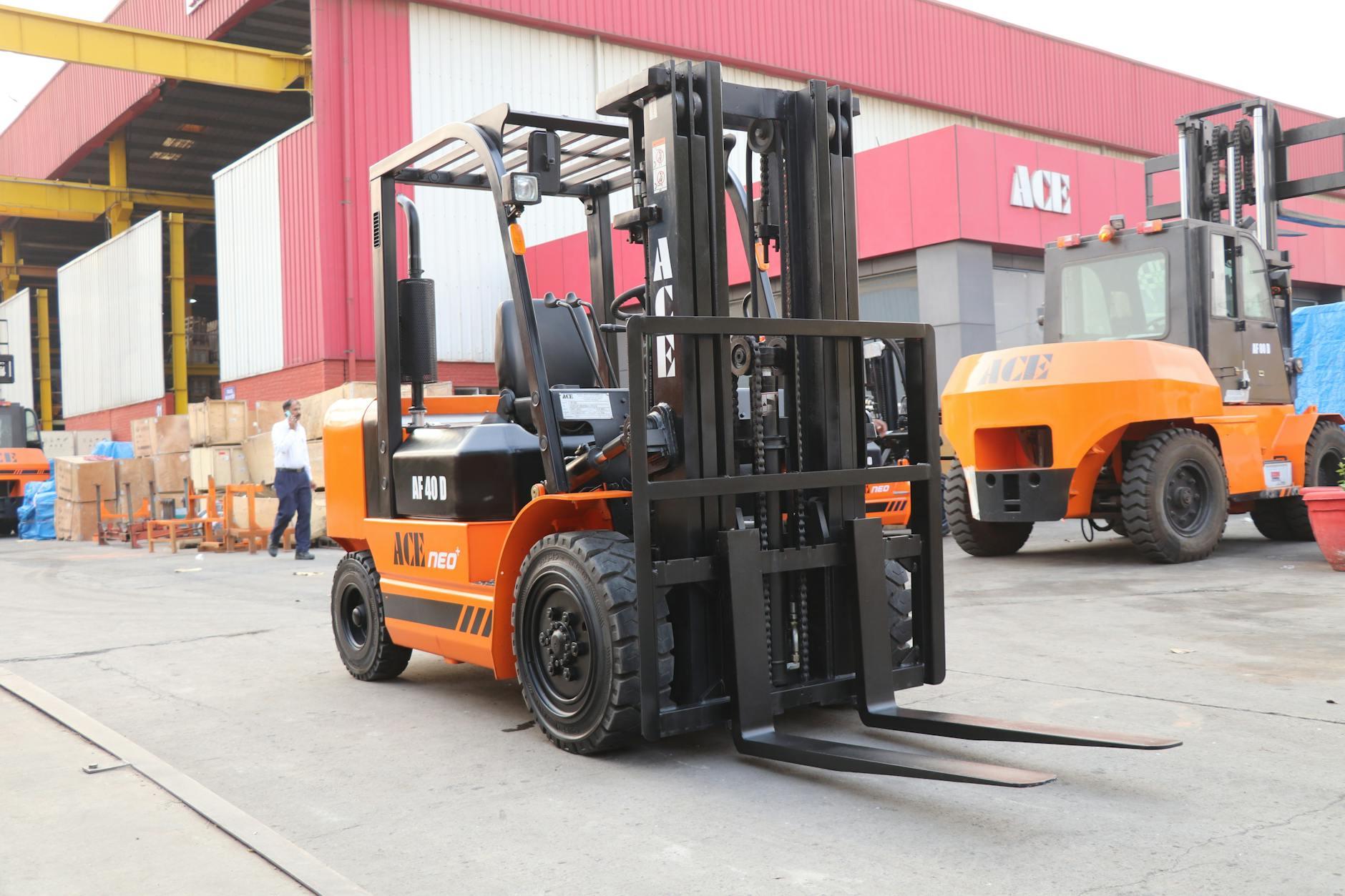
Manufacturing operations in Frederick and Baltimore Counties require production planning that accounts for machine capacity, labor availability, material lead times, and customer delivery commitments simultaneously. Our ERP production modules integrate directly with shop floor systems—barcode scanners, IoT sensors on equipment, and quality control stations—to provide real-time visibility into work-in-progress. We've built scheduling algorithms that optimize production sequences to minimize changeover time, systems that automatically generate purchase requisitions when raw materials reach reorder points, and dashboards that show actual versus planned production in real-time. These aren't add-on modules with limited customization—they're purpose-built components designed around your specific production processes.

Separating customer relationship management from operational systems forces sales teams and operations teams to work with different versions of truth. Our ERPs integrate CRM functionality directly into the operational platform so sales representatives see real-time inventory, production teams access customer specifications without switching systems, and customer service representatives view complete order histories including production status, shipping details, and invoicing information. A Columbia-based distributor reduced order processing time by 40% after we eliminated the data synchronization delays between their separate CRM and order management systems by building unified functionality into their custom ERP.

Maryland businesses operating warehouses in Baltimore, distribution centers in Frederick, and retail locations throughout the state need inventory systems that provide location-specific visibility while enabling transfers, rebalancing, and consolidated purchasing decisions. We build inventory modules that track lot numbers, serial numbers, expiration dates, and location-specific quantities down to bin-level precision. Our systems support multiple costing methods (FIFO, LIFO, weighted average, standard cost), handle complex kitting and assembly operations, and provide the cycle counting workflows that keep perpetual inventory accurate without disruptive full physical counts. Automated reorder point calculations consider lead times, usage patterns, and seasonality rather than applying simplistic formulas that cause stockouts or excess inventory.
Paper processes and email-based approvals create operational friction that custom ERPs eliminate through integrated document management and configurable workflows. We build systems where purchase requisitions route automatically to appropriate approvers based on amount thresholds and expense categories, vendors submit invoices directly through supplier portals, and all documentation remains attached to relevant transactions permanently. A Baltimore professional services firm eliminated their filing cabinets entirely after we built document management into their ERP with optical character recognition that extracts key data from scanned invoices and receipts. Their month-end close accelerated by five days because accountants no longer hunt through emails and file folders for supporting documentation.
Efficient procurement requires suppliers to interact directly with your systems rather than relying on phone calls, emails, and manual data entry. Our ERPs include supplier portals where vendors receive purchase orders electronically, submit advance ship notices, upload packing slips and commercial invoices, and track payment status. These portals eliminate the transcription errors that occur when suppliers manually enter orders into their systems from PDF purchase orders. Integration with your accounting system means three-way matching (PO, receipt, invoice) happens automatically with exception-based workflows that flag discrepancies for review. Maryland businesses with international suppliers particularly benefit from documentation workflows that ensure customs paperwork arrives with shipments to Port of Baltimore.
Separate business intelligence tools create delays between operational questions and analytical answers because data must sync from operational systems into reporting platforms. We build reporting and analytics directly into custom ERPs using modern dashboarding frameworks that query operational databases in real-time. Executives in Montgomery County federal contracting firms view project profitability updated throughout the day as timesheets are entered, not just at month-end. Operations managers see production efficiency metrics calculated from live shop floor data. Our approach eliminates the data warehouse complexity and overnight ETL processes that make traditional business intelligence slow and expensive.
Every Maryland business has different approval hierarchies, delegation rules, and authorization requirements that generic software forces into rigid predetermined structures. We build workflow engines where you define approval rules using business logic—amount thresholds, account categories, department hierarchies, or any combination of factors relevant to your operations. Role-based access control extends beyond simple user types to granular permissions that let you specify exactly which users can view, create, edit, or delete specific types of records. A Rockville healthcare organization uses 37 different role configurations in their ERP to comply with HIPAA minimum necessary standards while still enabling efficient operations.
Our retention rate went from 55% to 77%. Teacher retention has been 100% for three years. I don't know if we'd exist the way we do now without FreedomDev.
Your ERP matches your actual business processes rather than forcing your team to work around software limitations and perform manual workarounds that waste time and create errors.
Eliminate the data synchronization delays and nightly batch processes that leave teams making decisions based on yesterday's information instead of current operational reality.
One-time development costs and predictable hosting expenses replace escalating per-user licensing fees, forced upgrade costs, and consulting charges for basic modifications.
Proprietary workflows and unique operational capabilities become software-enabled competitive advantages rather than manual processes that competitors can easily replicate.
Connect your ERP to any system through APIs we control and can modify without vendor permission, integration marketplace limitations, or per-connection fees.
Add users, locations, and transaction volume without triggering license tier upgrades or per-seat fees that penalize growth and make expansion expensive.
We spend 2-4 weeks documenting your current workflows, identifying pain points, and understanding what makes your business operationally unique. This phase involves interviewing team members across departments, observing actual work processes, and reviewing existing systems. We deliver detailed process documentation and a prioritized feature list that separates must-have functionality from nice-to-have enhancements.
Our development team creates the technical architecture including database schema, API structure, integration approach, and technology stack selection. We present this architecture for review, explaining technical decisions in business terms. This phase typically takes 1-2 weeks and results in a technical specification document that guides development and prevents costly rework from architectural mistakes.
Development proceeds in 2-week sprints with working software demonstrations at the end of each cycle. You see actual functionality rather than status reports, providing feedback that shapes subsequent sprints. This approach catches misunderstandings early when corrections are inexpensive rather than discovering problems after months of development. Most clients find that seeing working software clarifies requirements better than specification documents.
We build and test data migration scripts using copies of your production data, validating accuracy through comparison reports. Integration development happens in parallel with core functionality, using test credentials and sandbox environments before connecting to production systems. This phase includes parallel operation where your team processes real work in both old and new systems, building confidence before cutover.
Role-based training sessions prepare your team for go-live, supported by documentation and video tutorials. We schedule launches during low-volume periods when possible and maintain heightened availability for the first two weeks as teams adapt to new workflows. Post-launch optimization addresses performance tuning, workflow refinements based on actual usage patterns, and enhancement priorities identified now that users interact with real functionality.
Maryland's position as home to over 60 federal agencies and more than 9,000 technology companies creates unique requirements that off-the-shelf ERP systems rarely address effectively. Federal contractors operating in Columbia, Bethesda, and Annapolis need time tracking that captures labor categories, project codes, and overhead allocation with the precision required for DCAA compliance. Defense contractors require systems that maintain separation between classified and unclassified project data. Research organizations partnering with Johns Hopkins University, the University of Maryland, and federal laboratories need grant accounting that tracks expenditures against multiple funding sources with different compliance requirements. We've built custom ERPs that handle these specialized needs without the complexity and cost of federal-focused enterprise platforms that assume you need capabilities designed for Fortune 500 defense primes.
The Port of Baltimore's position as a leading auto import hub and the nation's top port for roll-on/roll-off heavy farm and construction equipment creates opportunities for logistics companies, import/export businesses, and customs brokers who need specialized ERP capabilities. Systems must track inventory while goods are in transit, handle complex customs documentation, manage relationships with freight forwarders and drayage companies, and integrate with Automated Commercial Environment (ACE) systems. A Baltimore-based customs broker uses our custom ERP to manage documentation for over 2,000 annual shipments, with automated workflows that flag potential compliance issues before goods clear customs. The system integrates directly with their clients' inventory platforms to provide real-time visibility into shipment status from port arrival through final delivery.
Maryland's healthcare sector—anchored by Johns Hopkins Medicine, the University of Maryland Medical System, and numerous specialty practices throughout the state—creates demand for ERP systems that integrate operational management with healthcare-specific requirements. Medical device distributors need lot tracking and recall management capabilities. Clinical research organizations require systems that maintain audit trails meeting FDA 21 CFR Part 11 requirements. Healthcare facilities management companies need service scheduling, parts inventory, and preventive maintenance tracking integrated with client billing systems. These requirements exceed the capabilities of general-purpose ERPs while falling short of the comprehensive functionality (and massive costs) of healthcare-specific enterprise platforms.
The concentration of biotechnology companies in Montgomery County and Baltimore creates opportunities for businesses supporting research operations—laboratory equipment suppliers, specialized chemical distributors, and contract research services. These companies need ERPs that handle complex inventory management (temperature-controlled storage, expiration date tracking, chain of custody documentation), project-based accounting for research contracts, and compliance documentation for clients operating under GLP and GMP requirements. A Gaithersburg laboratory supplier reduced compliance documentation time by 60% after we built automated certificate of analysis generation into their ERP, pulling test results directly from their quality control database rather than requiring manual transcription.
Maryland's position along the I-95 corridor creates logistics advantages for distribution businesses serving mid-Atlantic markets. Companies operating warehouses in Aberdeen, Baltimore, or College Park need ERPs optimized for high-volume order processing with integration to multiple shipping carriers, automated rate shopping, and real-time tracking updates. Wave picking, zone picking, and batch picking strategies require system support that generic ERPs handle poorly. A Columbia distributor processing 1,500 daily orders uses our custom ERP with barcode scanning that guides warehouse staff through optimized picking routes, reducing picking errors by 85% compared to their previous paper-based process.
The cybersecurity industry concentrated along the I-270 corridor from Rockville to Frederick creates opportunities for professional services firms needing project-based ERPs. These businesses require systems that track time against specific projects and tasks, manage complex billing arrangements (time and materials, fixed price, retainer-based, outcome-based), handle security clearances and access controls, and provide the project profitability analysis needed to make strategic decisions about client engagement. A Bethesda cybersecurity consultancy uses our custom ERP to manage over 40 simultaneous client projects with automated billing that handles five different rate structures and provides project managers with real-time visibility into utilization rates and profitability.
Ocean City and the Eastern Shore's tourism and hospitality economy supports businesses needing seasonal inventory management, high-volume point-of-sale integration, and the financial reporting required to make decisions based on short operating seasons. Restaurants, retail shops, and property management companies need systems that handle the operational complexity of summer peaks without paying enterprise software licensing fees year-round. We've built ERPs for hospitality businesses that integrate point-of-sale systems, online ordering platforms, inventory management, labor scheduling, and financial reporting into unified systems that provide owners with complete operational visibility.
Baltimore's emergence as a technology hub—with companies like Under Armour headquartered downtown and a growing startup ecosystem in neighborhoods like Harbor East and Canton—creates demand for scalable systems that support rapid growth. Startups that begin with simple tools quickly encounter operational limits as they add product lines, expand to multiple locations, or scale transaction volumes beyond what entry-level software handles. We build ERPs that provide enterprise capabilities at startup budgets, with architectures that scale as businesses grow without requiring expensive system replacements. A Baltimore ecommerce company grew from $2 million to $18 million in annual revenue using the same core ERP we built during their early stage, with incremental enhancements that adapted to their evolving needs rather than forced platform migrations.
FreedomDev is based in West Michigan and works with clients remotely across the United States.
Schedule a direct consultation with one of our senior architects.
We've built enterprise software since 2001, giving us pattern recognition about what works long-term versus what creates technical debt and maintenance nightmares. Our clients include businesses still using systems we built over a decade ago, continuously enhanced as their operations evolved. This longevity comes from architectural decisions that prioritize maintainability, documentation practices that enable knowledge transfer, and code quality that withstands years of modifications. You can review our sustained client relationships and system longevity in [our case studies](/case-studies).
Our [sql consulting](/services/sql-consulting) expertise means we architect databases correctly from the start rather than discovering performance problems after deployment. We design schemas that maintain query speed as transaction volumes grow, build indexes that optimize your specific usage patterns, and write queries that return results in milliseconds rather than seconds. A Frederick manufacturer processes 2,000 daily orders with average page load times under 300 milliseconds because we engineered performance into the foundation rather than attempting optimization after problems emerged.
We provide detailed fixed-price quotes based on specific scope documentation, giving Maryland businesses predictable costs for budgeting and capital allocation. Our quotes itemize functionality so you understand exactly what you're getting and can make informed decisions about scope adjustments. We don't inflate estimates with contingency padding or bill hourly for scope creep—if we missed something in estimation, that's our problem to absorb. This approach requires more thorough discovery work upfront but eliminates the budget uncertainty that plagues time-and-materials projects.
Your project is handled by senior developers with 15+ years of experience, not outsourced to offshore teams or delegated to junior staff learning on your project. You communicate directly with the people writing code, making technical decisions, and solving problems. This eliminates the communication delays, quality issues, and frustration that occur when project managers and account representatives mediate every interaction. When you email a question at 2pm, you get answers from people who actually understand your system architecture, not generic responses from support staff reading documentation.
We serve Maryland businesses from Baltimore to Frederick to Ocean City without requiring proximity to our West Michigan office. Modern communication tools, screen sharing, and video conferencing enable effective collaboration regardless of location. We've successfully delivered projects for clients we've never met in person, though we're happy to visit Maryland for discovery sessions, training, or project kickoffs when face-to-face interaction adds value. Our distributed approach means you access senior development talent without geographic constraints or relocation costs. Learn more about our Maryland services at [all services in Maryland](/locations/maryland) or [contact us](/contact) to discuss your specific ERP requirements.
Explore all our software services in Maryland
Let’s build a sensible software solution for your Maryland business.