
At FreedomDev, our experienced team delivers tailored ERP development services in Kentucky, empowering businesses to streamline operations, boost efficiency, and drive growth. With a deep understanding of local industries and needs, we craft bespoke ERP solutions that meet your unique challenges.
FreedomDev is based in West Michigan and works with clients remotely across the United States.
Kentucky's manufacturing sector contributes $31.6 billion annually to the state's economy, with bourbon distilleries, automotive plants, and aerospace manufacturers operating complex supply chains that require sophisticated ERP systems. At FreedomDev, we've spent over two decades building custom ERP solutions that handle the specific compliance requirements of Kentucky's bourbon industry, the just-in-time inventory demands of Toyota's Georgetown facility suppliers, and the seasonal production cycles of agricultural operations across the Bluegrass State. Our [ERP development expertise](/services/erp-development) addresses the unique challenges of businesses operating in Louisville's logistics hub, Lexington's technology corridor, and Bowling Green's manufacturing district.
Traditional off-the-shelf ERP systems fail Kentucky businesses because they don't account for Kentucky Alcoholic Beverage Control regulations, the specific tax incentives available through Kentucky Business Investment program compliance tracking, or the multi-facility coordination required by companies operating across the state's 120 counties. We built a custom ERP for a Bardstown-area distillery that manages barrel aging inventory across 17 rickhouses, tracks federal excise tax obligations in real-time, and handles the complex calculations required for angel's share losses. That system processes 2,400 barrel movements daily and has reduced inventory discrepancies by 94% compared to their previous QuickBooks-based approach.
Kentucky manufacturers face integration challenges that generic ERP vendors don't understand: connecting legacy AS/400 systems still running in many established plants, interfacing with EDI requirements from major automotive customers, and coordinating data between production facilities and warehouses separated by hundreds of miles of mountain terrain with inconsistent connectivity. Our [Real-Time Fleet Management Platform](/case-studies/great-lakes-fleet) demonstrates our capability to build systems that function reliably even with intermittent network access, a critical requirement for distribution operations covering Eastern Kentucky's challenging geography. We've implemented similar architecture for a Louisville-based food manufacturer with production facilities in Henderson and distribution centers in Northern Kentucky.
The cost of ERP failure in Kentucky's competitive manufacturing environment goes beyond implementation expenses. When a Lexington medical device manufacturer's commercial ERP system failed during FDA audit preparation, they faced potential production shutdowns and compliance violations that would have cost millions. We rebuilt their quality management and traceability systems in 14 weeks, implementing lot tracking across 47 component suppliers, automated documentation generation for regulatory submissions, and real-time production monitoring that their previous system promised but never delivered. The new system handled their FDA inspection without a single documentation deficiency.
Agricultural operations in Kentucky require ERP functionality that software vendors from California or New York simply don't encounter: tracking crop rotation across thousands of acres, managing tobacco quota allocations, coordinating seasonal labor forces, and handling the price volatility of commodities markets. We developed a custom ERP for a Western Kentucky farming cooperative that manages 340 member farms, tracks grain storage across 12 elevator facilities, handles forward contracts with pricing formulas updated every 15 minutes, and coordinates equipment sharing among members. The system reduced administrative overhead by 67% while processing 8,200 delivery tickets during harvest season.
Our approach to [custom software development](/services/custom-software-development) means we don't start with a pre-built platform and force your business to adapt. A Covington-based logistics company came to us after spending $280,000 on a commercial TMS/ERP combination that couldn't handle their cross-border freight operations between Northern Kentucky and Cincinnati. We built a replacement system in five months for less than they'd already spent, implementing real-time customs documentation, multi-currency invoicing, and driver settlement calculations that their previous vendor said would require another year of development. The system now processes 1,100 shipments weekly with 99.7% documentation accuracy.
Kentucky's incentive programs for manufacturing and technology investment create specific reporting requirements that standard ERP systems can't address. The Kentucky Business Investment (KBI) program, Kentucky Enterprise Initiative Act (KEIA), and various county-level incentives each require different documentation of job creation, capital investment, and economic impact. We've built compliance modules that automatically generate the required reports from normal business transactions, eliminating the manual spreadsheet work that consumed dozens of hours each quarter. One client recovered $127,000 in previously unclaimed incentives after implementation because the system identified qualifying expenditures their accounting team had missed.
The bourbon industry's growth has created unique ERP requirements that no commercial vendor addresses. Distilleries need systems that calculate barrel entry proof, track warehouse locations with temperature and humidity monitoring, project maturation timelines based on rickhouse position, manage blending recipes as trade secrets, and handle the complex accounting of work-in-process inventory that won't become sellable for 4-12 years. Our custom ERP for a mid-sized distillery manages 88,000 barrels across 23 warehouses, calculates tax obligations on $47 million of aging inventory, and provides the real-time visibility that banks require for barrel-backed lending. The system integrated with their existing Master Distiller's blending software and cooperage ordering systems through custom APIs.
Manufacturing operations serving automotive customers face strict EDI requirements and just-in-time delivery windows measured in hours, not days. A Bowling Green auto supplier needed an ERP system that could receive production schedules via EDI, automatically generate material requirements, trigger supplier orders, schedule production runs, and send ASN (Advanced Ship Notice) documents—all without manual intervention. Their previous system required 14 manual steps and averaged 23 minutes per order cycle. Our custom solution completes the entire process in 90 seconds, has processed 127,000 orders without a missed delivery window, and reduced inventory carrying costs by $340,000 annually through improved demand forecasting.
Healthcare providers and medical device manufacturers in Kentucky operate under HIPAA and FDA regulations that require audit trails, electronic signatures, and validation documentation that consumer-focused ERP systems don't provide. We implemented a quality management system for a Louisville medical device company that maintains complete traceability from raw material lots through finished device serial numbers, captures electronic signatures with 21 CFR Part 11 compliance, and generates the validation documentation required for FDA submissions. The system tracks 340 process parameters across 12 production lines and has supported three successful FDA inspections with zero observations related to documentation or traceability.
Food and beverage manufacturers face the complexity of lot tracking, allergen management, nutritional labeling, and recall capabilities that generic ERP systems handle poorly. A Henderson food processor needed to track 67 ingredients with different allergen profiles, manage recipes with percentage-based formulations, calculate nutritional information for labeling compliance, and maintain complete lot traceability for recall scenarios. We built an ERP system that manages their entire operation from receiving through distribution, automatically generates COA (Certificate of Analysis) documents for customers, and can identify every unit affected by a specific ingredient lot in under 30 seconds. During a supplier-initiated precautionary recall, the system identified the 340 affected units in 18 seconds, compared to the 6-8 hours their previous manual process required.
Our [QuickBooks Bi-Directional Sync](/case-studies/lakeshore-quickbooks) case study demonstrates our ability to build systems that integrate with existing financial software rather than forcing complete replacement. Many Kentucky businesses have years of financial history in QuickBooks and accounting teams trained on the platform. We've built custom ERP systems for manufacturing, inventory management, and operations while maintaining QuickBooks as the financial system of record. One implementation synchronizes 28 different transaction types between the custom operations system and QuickBooks, maintaining real-time accuracy across both platforms and eliminating the double-entry that previously consumed 15 hours weekly.
Kentucky manufacturers frequently operate production facilities, warehouses, and distribution centers across multiple locations, requiring inventory visibility that updates in seconds, not overnight batch processes. Our ERP systems provide real-time inventory tracking across unlimited locations with automatic reorder calculations, inter-facility transfer management, and lot/serial number traceability. A Louisville distributor with warehouses in Lexington, Bowling Green, and Paducah processes 2,800 inventory movements daily with immediate visibility across all locations, reducing stockouts by 83% and eliminating the inventory discrepancies that cost them $67,000 annually. The system handles complex scenarios like consignment inventory, customer-owned stock, and vendor-managed inventory with configurable business rules for each arrangement.
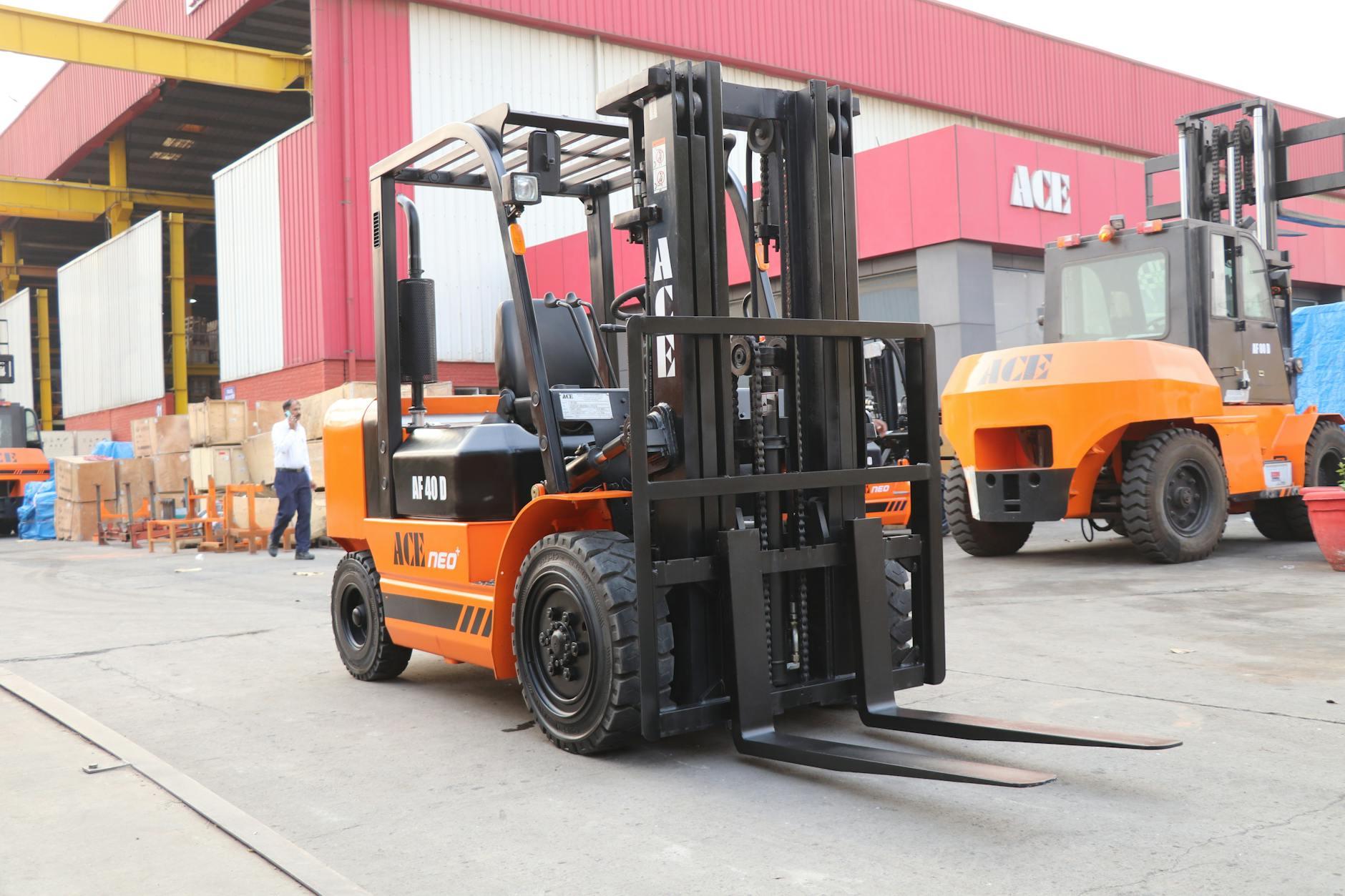
Manufacturing operations need ERP systems that connect production scheduling directly to shop floor execution, providing real-time visibility into work center capacity, material availability, and job status. We build custom scheduling engines that account for your specific constraints: setup time between different product families, equipment maintenance windows, skilled labor availability, and quality hold procedures. A Lexington manufacturer reduced production lead times by 34% after implementing our ERP system with advanced scheduling that considers 17 different constraint factors and updates schedules dynamically as jobs complete or materials arrive. The system integrates with shop floor data collection through barcode scanners and touchscreen terminals, capturing labor hours, material consumption, and quality data without paperwork.

Whether you're managing bourbon production under TTB regulations, medical device manufacturing under FDA requirements, or food processing under FSMA rules, our ERP systems automate compliance documentation and reporting. We implement electronic batch records, automated audit trails, deviation management workflows, and compliance reporting that generates required documentation from normal business transactions. A distillery client eliminated 28 hours of monthly manual compliance reporting after we implemented automated TTB report generation, barrel gauge tracking, and tax calculation workflows. The system maintains the complete chain of custody documentation required for spirits production, including proof adjustments, blending records, and bottling reports with timestamps and user authentication.

Kentucky businesses operating multiple legal entities, production facilities, or subsidiaries need financial management that provides both consolidated reporting and entity-level detail. Our ERP implementations handle inter-company transactions, transfer pricing, consolidated eliminations, and multi-currency operations for companies with facilities in border regions or international operations. We've built systems that manage complex ownership structures, joint ventures, and partnership arrangements common in agriculture and manufacturing. A manufacturing group with five Kentucky entities reduced month-end close time from 12 days to 3.5 days after implementing our ERP with automated consolidation, inter-company reconciliation, and drill-down reporting capabilities that connect summary financials to source transactions.
Automotive suppliers, logistics providers, and manufacturers serving large customers require EDI capabilities and supplier integration that commercial ERP systems charge premium prices to enable. We build custom EDI processing for 850 purchase orders, 856 ship notices, 810 invoices, and other transaction sets with mapping configured specifically for your trading partners' requirements. A Northern Kentucky manufacturer processes 4,200 EDI transactions monthly with our custom integration, automatically converting customer forecast data into production schedules and supplier purchase orders without manual intervention. The system includes supplier portals where vendors can view forecasts, submit ASN data, and access quality metrics, reducing email volume by 340 messages weekly.
Food processors, pharmaceutical manufacturers, and automotive suppliers need traceability that tracks components from supplier lots through production processes to finished goods and customer shipments. Our ERP systems implement configurable lot tracking rules, serial number management, and genealogy reporting that identifies all upstream and downstream relationships. When a Henderson food manufacturer faced an ingredient recall, our system identified every affected production batch, calculated remaining shelf life for each lot, and generated customer notification lists in under five minutes—a process that previously required two days of manual research. The system maintains complete lot history including storage conditions, quality test results, and handling records that support both recall responses and customer inquiries.
Decision-makers need real-time visibility into operations, not reports generated from yesterday's data. We implement live dashboards with drill-down capabilities that connect KPIs to underlying transactions, providing context for anomalies and trends. Our [SQL consulting](/services/sql-consulting) expertise enables complex analytics that commercial BI tools struggle with: calculating true manufacturing costs with multi-level allocation, analyzing customer profitability across product lines and regions, and forecasting cash flow based on current order backlog and payment histories. A Louisville manufacturer's executive dashboard displays 23 operational metrics updated every 60 seconds, with automated alerts for conditions requiring attention. The CEO reviews morning metrics on his phone during his commute, identifying issues that previously went unnoticed for days.
Sales teams, service technicians, quality inspectors, and managers at remote facilities need ERP access from mobile devices with interfaces designed for phone and tablet use, not desktop screens shrunk to fit. We build responsive web applications and native mobile apps that provide appropriate functionality for field users: inventory lookups, order entry, time tracking, inspection checklists, and approval workflows. An agricultural cooperative's crop scouts use our mobile ERP to record field observations, capture geo-tagged photos, and update yield estimates from their phones while walking fields. The data syncs immediately to the main system where agronomists and management can monitor conditions across 28,000 acres in real-time, enabling faster response to pest pressure or nutrient deficiencies.
FreedomDev is very much the expert in the room for us. They've built us four or five successful projects including things we didn't think were feasible.
Our integrated ERP solutions connect all business functions through a single database, eliminating the double-entry between production systems, accounting software, and Excel spreadsheets that consumes staff time and introduces errors.
Real-time inventory tracking with accurate demand forecasting reduces safety stock requirements and obsolete inventory accumulation, typically reducing inventory investment by 20-35% while improving product availability.
Automated integration between operational and financial modules with real-time data validation reduces month-end close cycles from weeks to days, providing faster visibility into financial performance for decision-making.
Process automation and workflow optimization enable businesses to scale revenue and transaction volume without proportional increases in back-office headcount, improving operational leverage and profitability.
Complete visibility into order status, inventory availability, and production schedules enables customer service teams to provide accurate delivery commitments and proactive communication about potential delays, improving customer satisfaction and retention.
Automated documentation, electronic audit trails, and compliance reporting built into normal workflows reduce manual compliance activities while improving accuracy and completeness of regulatory submissions and audit evidence.
We spend 2-4 weeks documenting your current workflows, identifying pain points, and defining system requirements through interviews with staff across departments. This phase includes reviewing existing systems, analyzing sample transactions, and understanding integration requirements with accounting systems, equipment, and trading partners. We deliver a detailed requirements specification and project plan with timeline and cost estimates before any development begins.
Our development team designs the database schema, defines system architecture, and plans integration points based on the requirements specification. This phase establishes the technical foundation including security models, user roles, workflow rules, and integration architecture. We review the technical design with your team to ensure it addresses all requirements and accommodates future growth before proceeding to development.
We build the ERP system in two-week iterations, delivering working functionality for review at the end of each sprint. This approach enables you to see progress continuously, provide feedback that shapes development, and adjust priorities as business needs evolve. Early iterations typically focus on core functionality like inventory management and order processing, while later sprints add advanced features and integrations. Regular demonstrations ensure the system matches expectations before go-live.
We migrate historical data from existing systems, implement integrations with accounting software and other applications, and conduct comprehensive testing of all system functions. This phase includes user acceptance testing where your staff validate that the system handles real business scenarios correctly. We address any issues discovered during testing and refine functionality based on user feedback before deployment.
We provide role-specific training for administrators, power users, and end users, then deploy the system to production with intensive go-live support. The first week after deployment includes on-site or remote support to address questions immediately and ensure smooth transition. We monitor system performance, assist with any issues, and make adjustments based on initial production use.
After initial deployment, we continue refining the system based on user feedback and operational experience. This phase includes performance optimization, workflow adjustments, and adding enhancements that weren't critical for go-live but provide additional value. We maintain ongoing support relationships to ensure the system continues meeting your needs as your business grows and requirements evolve.
Kentucky's economy represents a unique combination of traditional industries and modern manufacturing that creates specific ERP requirements rarely encountered elsewhere. The state's bourbon industry alone requires specialized inventory management for aging spirits, tax compliance for both federal and state regulations, and traceability systems that track products through multi-year production cycles. Automotive manufacturing concentrated in Central Kentucky demands just-in-time inventory management, EDI integration with major OEMs, and quality systems that meet stringent customer requirements. Agricultural operations spanning the state's diverse geography need systems that handle seasonal production cycles, commodity price volatility, and cooperative structures. We've built custom ERP solutions for all these industries, implementing functionality that commercial vendors don't offer because Kentucky represents too small a market for them to develop industry-specific features.
The Louisville metropolitan area serves as a logistics hub with UPS Worldport and numerous distribution centers requiring warehouse management systems that integrate with ERP for inventory control, order processing, and shipping coordination. Companies operating in this environment need systems that handle high-volume order processing, integrate with multiple carriers, manage complex pricing arrangements, and provide real-time inventory visibility across multiple warehouse locations. We implemented an ERP system for a Louisville distributor that processes 3,400 orders daily, integrates with seven different carriers for rate shopping and label generation, and manages inventory across four warehouses with automated replenishment between locations. The system reduced order processing time from 12 minutes to 2.5 minutes while improving shipping accuracy from 94.3% to 99.1%.
Lexington's growing technology sector and the presence of University of Kentucky create demand for modern ERP systems built with current development platforms and cloud infrastructure. Companies in this market expect systems with responsive web interfaces, mobile access, API-first architecture, and integration capabilities with modern SaaS applications. We build ERP solutions using .NET Core, React, and SQL Server hosted on Azure infrastructure, providing the scalability and reliability that growing businesses require. A Lexington software company needed an ERP system that matched their technical sophistication—their previous commercial ERP felt outdated compared to the applications they built for customers. We implemented a custom system with the modern interface and functionality they expected, including REST APIs that enabled integration with their existing tools and customer-facing applications.
Northern Kentucky's proximity to Cincinnati creates cross-border business operations that require multi-state tax handling, potential multi-currency support for international freight, and integration with Ohio-based suppliers and customers. Companies in Covington, Florence, and surrounding areas often have facilities on both sides of the river, creating complex tax situations and operational coordination challenges. We developed an ERP system for a Northern Kentucky manufacturer with production facilities in Ohio and Kentucky that automatically calculates tax obligations based on where materials are consumed and products are sold, handles different state tax incentive reporting requirements, and consolidates financial results across both entities. The system eliminated the manual spreadsheet reconciliations that previously consumed three days each month.
Eastern Kentucky's manufacturing operations, including aerospace components and specialized industrial products, often operate in areas with limited high-speed internet access, requiring ERP systems designed to function reliably with constrained connectivity. We implement architectures with local caching, offline capabilities, and efficient data synchronization that minimize bandwidth requirements while maintaining data integrity. A manufacturer in Pike County operates our ERP system over a 10 Mbps connection shared with other business operations, processing production orders, inventory transactions, and quality records without the performance issues they experienced with their previous cloud-only ERP system. The system queues transactions locally during connectivity interruptions and synchronizes automatically when connection is restored.
Western Kentucky's agricultural and manufacturing mix, including grain handling, food processing, and industrial production, requires ERP systems that span from farm to finished product. Grain elevators need systems that handle basis contracts, futures hedging, grain grading, and storage management while integrating with accounting for settlement. Food processors require recipe management, lot tracking, nutritional labeling, and recall capabilities. We implemented a comprehensive ERP for a Western Kentucky grain cooperative that manages receiving from 340 member farms, tracks grain quality across 12 storage locations, handles forward contracts with real-time market pricing, and coordinates delivery to processors and exporters. The system processes 23,000 grain deliveries annually with automated grading, moisture testing, and settlement calculations that reduced processing time from 18 minutes to 6 minutes per delivery.
Kentucky's incentive programs for manufacturing investment create opportunities for companies that maintain proper documentation of capital expenditures, job creation, and economic impact. The Kentucky Business Investment (KBI) program, Kentucky Enterprise Initiative Act (KEIA), Skills Training Investment Credit (STIC), and various county-level programs each have specific reporting requirements and documentation standards. We build ERP systems that automatically track qualifying activities and generate required reports from normal business transactions. A Bowling Green manufacturer recovered over $200,000 in previously unclaimed incentives during the first year after implementing our ERP system because automated reporting identified qualifying expenditures and activities that their previous manual tracking had missed. The system now generates quarterly incentive reports automatically, eliminating the 12-16 hours of manual work previously required.
The state's manufacturing sector includes companies at various stages of technological adoption, from facilities still running AS/400 systems to modern operations using Industry 4.0 technologies. Our [systems integration](/services/systems-integration) capabilities enable new ERP implementations that preserve valuable legacy data and functionality while providing modern interfaces and capabilities. We connected a new web-based ERP system to a Louisville manufacturer's AS/400 system that contains 25 years of customer and product data, implementing real-time data synchronization that maintains the legacy system as the master for certain data types while the new ERP handles operations and provides modern reporting. This phased approach enabled ERP benefits without the risk and disruption of a complete legacy system replacement.
FreedomDev is based in West Michigan and works with clients remotely across the United States.
Schedule a direct consultation with one of our senior architects.
FreedomDev has spent over two decades building custom software solutions for manufacturing, distribution, and service businesses across diverse industries. Our experience includes ERP implementations for bourbon distilleries, automotive suppliers, food processors, medical device manufacturers, and agricultural operations—each with unique requirements that commercial ERP vendors don't address. We understand Kentucky's business environment and regulatory landscape through years of working with companies across the state.
Custom development means you own the system and control its evolution without dependency on vendor roadmaps, licensing negotiations, or upgrade cycles. We deliver complete source code and database access, enabling your IT team to make minor changes independently or engage us for enhancements as needed. Unlike commercial ERP platforms that require expensive consultants for simple configuration changes, you control modification costs and timing based on your priorities and budget.
Our [systems integration](/services/systems-integration) experience enables ERP implementations that connect with QuickBooks, legacy systems, manufacturing equipment, EDI trading partners, and specialized industry applications. We've integrated with AS/400 systems still running in many established manufacturers, connected modern ERP systems to decades-old equipment through serial protocols, and implemented EDI for automotive customers with exacting technical requirements. Integration capabilities that commercial ERP vendors charge premium prices for are standard in our implementations.
We prioritize functionality that solves actual business problems over technical sophistication for its own sake. Our implementations start with core capabilities that deliver immediate value, then add advanced features in subsequent phases based on demonstrated needs rather than theoretical requirements. This approach reduces implementation risk, provides faster time-to-value, and ensures development budgets focus on functionality that improves operations rather than features that sound impressive but rarely get used.
We provide honest assessments of what's achievable within budget and timeline constraints rather than promising everything to win projects. Our clients appreciate knowing actual costs, realistic timelines, and potential challenges before committing to implementation. We maintain regular communication throughout development, demonstrate working functionality every two weeks, and address concerns immediately rather than surprising clients at the end of projects. You can review our detailed approach and see examples of our work in [our case studies](/case-studies) or [contact us](/contact) to discuss your specific requirements.
Explore all our software services in Kentucky
Let’s build a sensible software solution for your Kentucky business.