
Discover how our expert ERP development company in Kansas can help you streamline operations, improve efficiency, and drive growth in the Midwest's thriving business landscape.
FreedomDev is based in West Michigan and works with clients remotely across the United States.
Kansas manufacturers and distributors manage complex operations across diverse sectors, from aviation components in Wichita to agricultural equipment distribution spanning the state's vast rural network. These organizations typically run legacy ERP systems that were implemented 10-15 years ago, often struggling with disconnected inventory systems, manual data entry between departments, and reporting delays that can extend 48-72 hours. FreedomDev has spent over two decades building custom ERP solutions that replace these inefficiencies with integrated platforms designed specifically for how Kansas businesses actually operate, not how generic software vendors think they should.
The reality of ERP implementation in Kansas differs significantly from coastal markets. A Wichita aerospace parts manufacturer doesn't need the same system architecture as a San Francisco tech company, yet most commercial ERP vendors push identical solutions. We've seen Kansas companies spend $500,000+ on systems that require extensive customization just to handle basic workflows like consignment inventory tracking or complex pricing models based on commodity fluctuations. Our [erp development expertise](/services/erp-development) focuses on building systems from the ground up that match your actual processes, typically delivering functional Phase 1 deployments in 12-16 weeks rather than the 18-24 month implementations common with packages like NetSuite or Microsoft Dynamics.
Manufacturing operations in Kansas face specific challenges that demand custom ERP approaches. One Salina-based agricultural equipment distributor we work with needed to track warranty claims across 47 dealer locations, correlate parts failures with specific production batches, and automatically trigger supplier notifications when failure rates exceeded thresholds. No packaged system handled this workflow without extensive modification. We built a custom solution that integrated directly with their existing QuickBooks financial system, similar to our [QuickBooks Bi-Directional Sync](/case-studies/lakeshore-quickbooks) project, while adding the specialized warranty tracking they required. The system reduced warranty processing time from 14 days to 3 days and identified two systematic supplier quality issues within the first six months.
Distribution companies across Kansas manage inventory across geographic distances that create unique logistics challenges. When your warehouse is in Topeka but you're serving customers from Kansas City to Garden City—a 350-mile span—your ERP system needs sophisticated multi-location inventory management with real-time visibility. We've built systems that track inventory across 20+ locations simultaneously, automatically suggesting inter-location transfers based on demand patterns and transportation costs. Our [Real-Time Fleet Management Platform](/case-studies/great-lakes-fleet) demonstrates similar complex logistics coordination, though adapted for marine rather than overland distribution.
The agriculture sector in Kansas presents distinctive ERP requirements that commercial systems handle poorly. Grain elevators, feed mills, and agricultural service companies deal with commodities pricing that changes multiple times daily, contracts that span multiple crop years, and inventory measured in bushels that must reconcile with weight-based transactions. We've developed custom ERP modules that handle basis contracts, delayed pricing agreements, and automatic margin calculations that update as Chicago Board of Trade prices fluctuate. These specialized features would cost $200,000+ to customize in a packaged ERP system, assuming the vendor would even support such modifications.
Kansas companies frequently operate with smaller IT departments than their counterparts in major metropolitan areas, making system maintainability critical. When we design ERP systems, we use technology stacks that your local IT staff can actually support—primarily Microsoft SQL Server, .NET frameworks, and cloud infrastructure from established providers. We document every custom business rule, provide comprehensive training, and ensure that routine modifications don't require calling West Michigan consultants. One Hutchinson manufacturer has successfully maintained and enhanced the ERP system we delivered four years ago, adding three new modules without external development assistance.
Integration requirements drive many Kansas ERP projects. Most organizations aren't replacing every system simultaneously—they need new ERP functionality to work alongside existing financial software, shop floor systems, or customer portals. Our [systems integration](/services/systems-integration) approach treats these connections as first-class features, not afterthoughts. We've built integration layers that connect custom ERP platforms with systems ranging from 30-year-old AS/400 applications to modern Salesforce instances, ensuring data flows seamlessly without manual intervention or batch processes that create hours of data lag.
The financial investment in custom ERP development typically ranges from $150,000 to $600,000 for Kansas mid-market companies, depending on scope and complexity. This compares favorably to commercial ERP implementations that often exceed $500,000 when you include software licenses, implementation services, customization, and first-year support costs. More importantly, custom development delivers exactly the functionality you need without paying for hundreds of features you'll never use. A Wichita aviation supplier spent $180,000 on a custom ERP system that replaced a failed NetSuite implementation that had consumed $420,000 over two years without achieving production readiness.
Data migration represents one of the most critical phases of any ERP implementation. Kansas companies often have decades of transactional history in legacy systems—customer orders, product specifications, supplier performance data—that must transfer accurately to new platforms. We've developed migration frameworks that cleanse data during transfer, identifying and correcting issues like duplicate customer records, orphaned transactions, and inconsistent product codes. Our [sql consulting](/services/sql-consulting) team specializes in these complex data transformations, ensuring that when your new ERP goes live, your historical data is immediately accessible and reliable.
Modern ERP systems must support mobile access for the distributed workforces common in Kansas operations. Whether it's sales representatives covering multi-county territories, service technicians at customer sites, or managers reviewing operations while traveling, mobile functionality isn't optional. We design ERP interfaces that adapt seamlessly from desktop workstations to tablets to smartphones, with offline capabilities for areas with limited connectivity. A Lawrence distribution company uses mobile ERP access to enable warehouse staff to receive inventory, fulfill orders, and conduct cycle counts entirely from handheld devices, eliminating the dual-entry that previously caused inventory discrepancies.
Security and compliance considerations shape ERP architecture decisions, particularly for Kansas companies in regulated industries or those handling sensitive customer data. We implement role-based access controls that restrict data visibility based on job functions, audit logging that tracks every transaction modification, and encryption for data both at rest and in transit. For companies subject to ITAR restrictions—common in Kansas aerospace manufacturing—we design systems that maintain required access controls and generate compliance reports automatically. These security features integrate into the core system architecture rather than being bolted on as afterthoughts.
Long-term platform viability matters because ERP systems typically serve organizations for 10-15 years or longer. We build on technology foundations that have demonstrated stability and ongoing support—Microsoft platforms, established cloud providers like Azure or AWS, and open standards for data interchange. This approach contrasts with commercial ERP vendors who may discontinue products, force expensive upgrades, or get acquired by competitors. The custom ERP systems we delivered to Kansas clients in 2015 remain fully functional and supportable today, with upgrade paths that organizations control based on their own business needs rather than vendor roadmaps.
Kansas agricultural and manufacturing companies frequently price products based on commodity inputs that fluctuate daily or even hourly. We build pricing engines that automatically adjust quotes, standing orders, and contract prices based on configured formulas tied to commodity indices. A feed mill we work with maintains 340 active customer contracts with pricing formulas that reference corn, soybean meal, and wheat prices from multiple exchanges. The system recalculates margins across all contracts every 15 minutes during market hours, alerting managers when specific customers fall below minimum margin thresholds. This automation replaced a manual spreadsheet process that consumed 6-8 hours daily and frequently contained calculation errors.
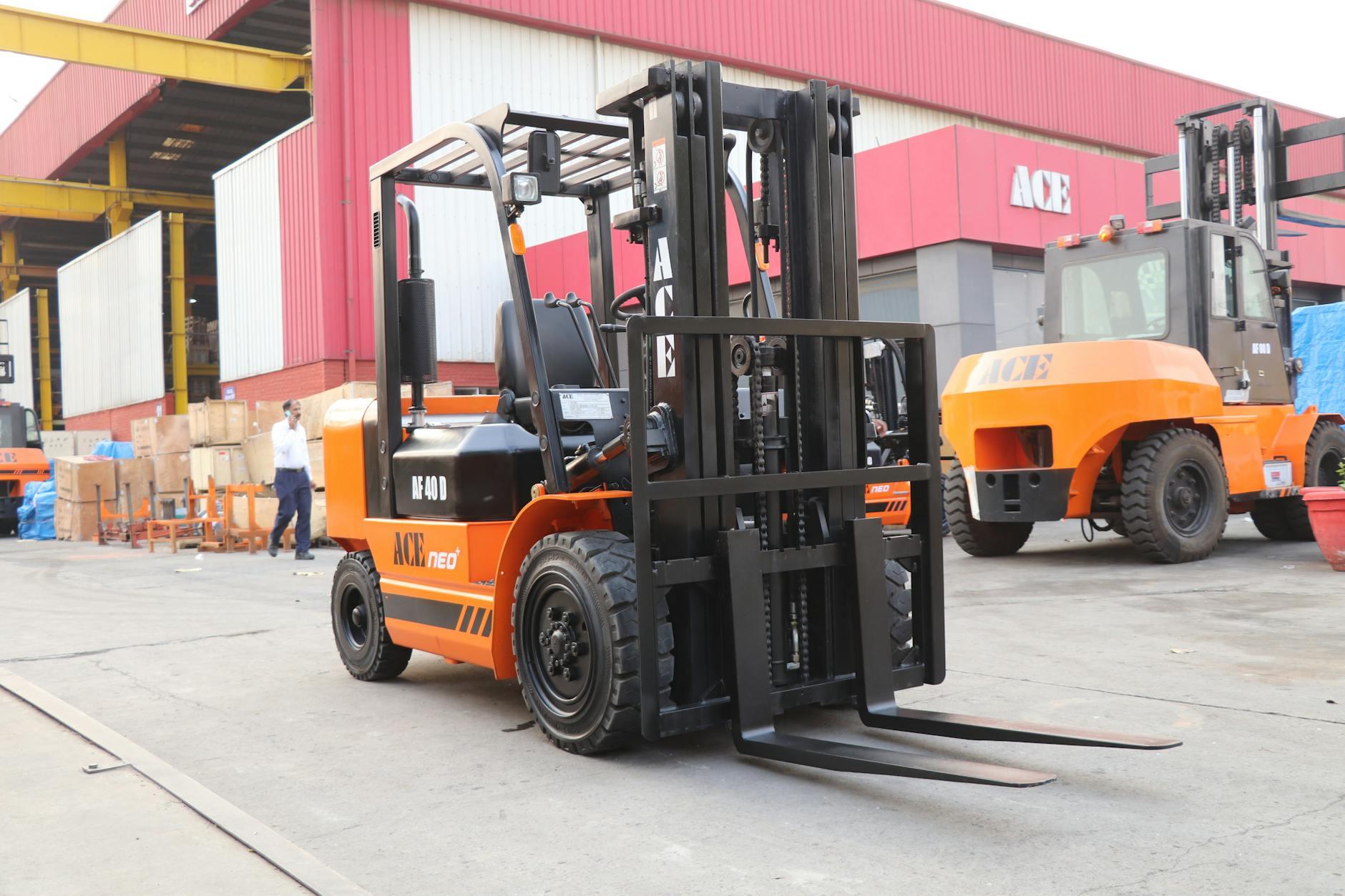
Distribution operations spanning Kansas's geographic expanse need intelligent inventory positioning that minimizes both stockouts and excess inventory carrying costs. Our ERP systems analyze historical demand patterns by location and product, calculate optimal reorder points considering lead times and demand variability, and suggest inter-location transfers to rebalance inventory. One Kansas City-based distributor reduced total inventory value by 22% while simultaneously improving fill rates from 87% to 94% within eight months of implementing our optimization algorithms. The system considers transportation costs when suggesting transfers, ensuring that moving inventory makes economic sense rather than just balancing quantities across locations.
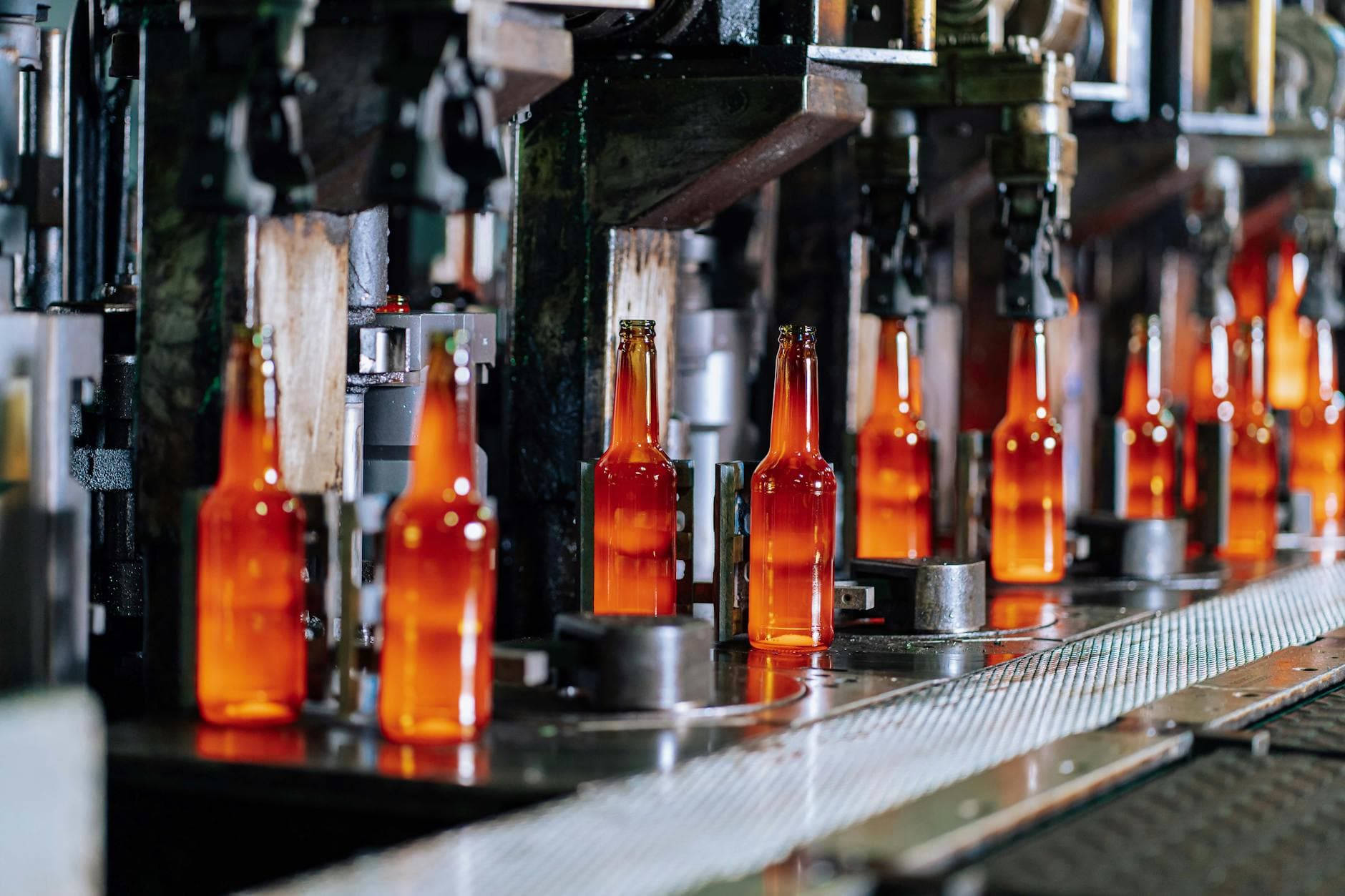
Manufacturing ERP systems must connect directly to shop floor operations to provide accurate production status, work-in-process inventory, and capacity planning. We've integrated custom ERP platforms with CNC machines, PLCs, and manual data collection terminals to capture real-time production data. A Wichita manufacturer tracks job status across 23 work centers with automatic labor capture from badge swipes and machine cycle completion signals from equipment. Production planners see actual versus planned progress updated every five minutes, enabling proactive responses to delays rather than discovering problems during end-of-shift reporting. This visibility reduced average job lead times by 18% by identifying and eliminating bottlenecks that previously went unnoticed for hours.

Quality tracking integrated directly into ERP workflows ensures that inspection data informs inventory status, supplier performance ratings, and production decisions automatically. We build quality modules that capture measurement data, perform statistical process control calculations, and trigger automatic holds or notifications when specifications are exceeded. An aerospace parts manufacturer in Kansas uses integrated quality management to track 47 critical dimensions across multiple production operations, automatically quarantining parts that fall outside tolerances and generating supplier corrective action requests when incoming material defects exceed thresholds. The system maintains complete traceability from raw material lots through finished product serial numbers, supporting AS9100 compliance requirements.
Modern B2B customers expect direct access to order status, inventory availability, invoices, and product documentation without calling customer service representatives. We develop customer portals that connect directly to ERP databases, providing real-time information while maintaining appropriate security boundaries. A Kansas industrial distributor provides 340 customer companies with portal access that shows real-time inventory availability across all warehouse locations, enables direct order entry that flows immediately into the ERP system, and delivers PDF invoices and proof-of-delivery documents automatically. This portal eliminated 60-70 daily customer service calls requesting order status or invoice copies, allowing the CS team to focus on exception handling and relationship development rather than routine information retrieval.
Most Kansas companies aren't ready to replace established financial systems like QuickBooks, Sage, or Microsoft Dynamics GP when implementing operational ERP functionality. We build robust synchronization frameworks that maintain accounting data in both systems automatically, similar to our [QuickBooks Bi-Directional Sync](/case-studies/lakeshore-quickbooks) approach. These integrations handle customers, vendors, inventory items, sales orders, purchase orders, and transactions with automatic conflict resolution and error handling. A Topeka manufacturer maintains QuickBooks for financial reporting while using custom ERP for operations management, with fully automated synchronization that runs every 15 minutes. This approach provided operational improvements without forcing a risky complete financial system replacement.
Kansas business leaders need immediate answers to operational questions without waiting for IT to build reports or extract data. We embed analytical capabilities directly into ERP interfaces using tools like Microsoft Power BI, Tableau, or custom dashboards built with modern JavaScript frameworks. Users create their own reports by filtering and grouping transactional data, with appropriate security ensuring they only access information relevant to their roles. A distribution company executive team reviews a live dashboard each morning showing previous day sales by product line and customer segment, current inventory values and turns by location, and outstanding receivables aging—all updated automatically from overnight ERP data processing. This visibility enables data-driven decisions that previously relied on intuition or week-old reports.
Regulated industries require comprehensive audit trails showing who performed what actions, when, and what data changed. We build these capabilities into ERP core architecture, capturing complete transaction histories with automatic timestamp and user identification. The system generates compliance reports for various regulatory frameworks—ITAR for defense-related manufacturers, FDA regulations for food processors, or SOX requirements for public companies. A Kansas food processor uses automated audit trail reporting to demonstrate lot traceability during customer audits, generating complete forward and backward trace reports in under two minutes versus the four hours of manual research previously required. This capability not only supports compliance but also enables rapid response during product recalls or quality investigations.
We're saving 20 to 30 hours a week now. They took our ramblings and turned them into an actual product. Five stars across the board.
Integrated ERP platforms eliminate the manual data entry that currently wastes 10-20 hours weekly for typical Kansas mid-market companies. Sales orders entered once flow automatically through picking, shipping, invoicing, and accounting without re-keying information that introduces errors and delays.
Custom ERP systems provide live data access rather than end-of-day batch updates, enabling proactive management of inventory levels, production schedules, and customer commitments. Kansas manufacturers report 30-40% reduction in expediting costs when they can see and respond to issues immediately rather than discovering problems hours or days later.
Purpose-built systems accommodate business growth without expensive upgrades or user license fees that penalize success. The architecture supports adding locations, users, products, and transaction volumes as your Kansas operation expands, whether that's organic growth or acquisition integration.
Custom development delivers precisely the functionality your operations require without forcing you to adopt processes designed for generic industries. Kansas companies avoid paying for and navigating through hundreds of features they'll never use, reducing training time and improving user adoption rates.
ERP systems designed around your specific workflows can encode competitive advantages that generic systems cannot support. Whether it's a unique pricing approach, specialized customer service model, or innovative inventory management strategy, custom systems enable rather than constrain business differentiation.
Kansas IT teams can maintain, modify, and enhance custom ERP systems built with established technologies and comprehensive documentation. This independence reduces ongoing support costs and ensures that system changes align with business timelines rather than vendor schedules or consultant availability.
We spend 2-3 weeks immersed in your Kansas operation, observing actual workflows, interviewing users across departments, and documenting current system limitations and manual workarounds. This discovery phase identifies not just what you say you need but what your operations actually require, often uncovering inefficiencies so ingrained they're no longer questioned. We deliver detailed requirements documentation with prioritized features, implementation sequence recommendations, and specific examples of how proposed ERP functionality solves identified problems.
Our technical architects design database schemas, integration approaches, security models, and application architecture based on your specific requirements and growth projections. This phase addresses technical questions around hosting (cloud versus on-premises), integration methods with existing systems, mobile access strategies, and reporting frameworks. We present architecture documentation in business terms Kansas executives understand, not just technical diagrams for IT departments, ensuring leadership comprehends the foundation their operations will depend on.
Development proceeds in two-week sprints with functional demonstrations at each interval showing actual working software, not mockups or presentations. This iterative approach lets Kansas clients see progress continuously and provide feedback that shapes subsequent development, ensuring the emerging system matches expectations. Users interact with developing functionality in test environments, validating that workflows operate as envisioned and requesting adjustments before patterns solidify across the entire application.
We execute data migration from legacy systems in stages, performing test migrations that your team validates for accuracy and completeness before production cutover. Parallel operation periods let Kansas companies process transactions in both old and new systems simultaneously, building confidence that the custom ERP handles all scenarios correctly. This careful approach prevents the failed big-bang implementations that leave companies scrambling to reconstruct data or revert to unsupported legacy systems.
Comprehensive training covers both daily operations and administrative functions, with role-specific sessions ensuring users learn workflows relevant to their responsibilities. We typically maintain onsite presence at Kansas facilities for 1-2 weeks during initial production operation, providing immediate assistance as users encounter questions and making minor adjustments to optimize usability. Post-deployment support continues with intensive monitoring for 4-6 weeks as transaction volumes normalize and edge cases emerge, ensuring the system stabilizes completely before transitioning to standard support arrangements.
Approximately 90 days post-implementation, we conduct formal performance reviews measuring actual results against projected benefits—order processing time reductions, inventory accuracy improvements, reporting efficiency gains. This review identifies opportunities for optimization and provides foundation for planning subsequent enhancement phases that add advanced functionality once core operations stabilize. Kansas clients appreciate this data-driven approach to measuring ERP investment returns and prioritizing future development based on demonstrated business value rather than theoretical benefits.
Kansas maintains a remarkably diverse industrial base spanning aerospace manufacturing, agricultural processing, transportation equipment, and industrial distribution. Wichita serves as a global aviation hub with companies producing everything from complete aircraft to specialized components and sub-assemblies. These manufacturers require ERP systems that handle complex engineering change management, serial number traceability, and sophisticated project costing that commercial packages often struggle to accommodate without extensive customization. The aerospace industry's specific requirements around ITAR compliance, AS9100 quality standards, and customer-specific tracking needs frequently drive Kansas companies toward custom ERP development.
Agricultural business operations across Kansas face unique seasonal demand patterns, commodity-based pricing volatility, and regulatory requirements specific to food production and animal health. Grain elevators in central Kansas manage contracts that span multiple crop years with pricing mechanisms tied to futures markets, requiring ERP systems that handle basis contracts, delayed pricing elections, and margin tracking across thousands of active agreements. Feed mills and agricultural service providers need systems that manage formulations with dozens of ingredients, accommodate frequent price changes based on commodity fluctuations, and maintain complete lot traceability from ingredient receipt through finished product delivery. These specialized requirements rarely fit within the capabilities of generic ERP packages.
Distribution companies serving Kansas's geographically dispersed population face logistics challenges that demand sophisticated multi-location inventory management. A distributor headquartered in Wichita might operate warehouses in Kansas City, Topeka, Salina, and Garden City to provide reasonable delivery times across the state. Their ERP systems must optimize inventory positioning based on regional demand patterns, suggest economically justified inventory transfers between locations, and provide customers with accurate availability across the entire network. The transportation costs and lead times between Kansas locations make inventory decisions more complex than in more compact markets, requiring custom algorithms that consider both service levels and logistics economics.
Manufacturing operations in smaller Kansas cities often face workforce challenges that influence ERP system design. When your plant is in Hutchinson or Liberal, you're competing for technical talent with larger markets but typically offering different lifestyle advantages. This reality makes ERP usability and training efficiency critical. We design interfaces that minimize clicks and screen transitions, incorporate workflow guidance directly into data entry screens, and provide contextual help that reduces dependence on extensive training. One Newton manufacturer specifically requested large, touch-friendly interfaces because many shop floor personnel prefer tablet interaction over traditional keyboard and mouse, a design consideration that improved data capture accuracy and user satisfaction significantly.
The Kansas business culture emphasizes practical results over technological sophistication for its own sake. When we present ERP solutions to Kansas companies, decision-makers focus on specific operational improvements and realistic implementation timelines rather than feature checklists or technology buzzwords. This pragmatic approach aligns well with custom development, where we can prioritize features based on actual business impact rather than marketing department priorities. A Lenexa company told us they'd rather have six features that solve real problems delivered in four months than 60 features that look impressive in demos delivered in 18 months. This results-focused approach characterizes many Kansas ERP projects we've undertaken.
Economic development initiatives across Kansas have attracted food processing, renewable energy component manufacturing, and specialized industrial operations that bring unique ERP requirements. A renewable energy manufacturer in Hutchinson needed custom ERP functionality to manage production of wind turbine components with complex multi-stage manufacturing processes and stringent quality requirements from major OEM customers. Their system tracks production genealogy from raw material heat lots through multiple machining and assembly operations, maintaining complete traceability that supports both quality investigations and customer audit requirements. This level of specialized functionality would require extensive customization in commercial ERP systems, making custom development the more practical approach.
Kansas State University and other research institutions create spin-off companies and technology-focused startups that need scalable ERP systems from inception. These growing companies can't afford the six-figure implementations typical of commercial ERP but need more sophistication than entry-level packages provide. We've developed modular ERP solutions that start with core functionality—order management, inventory control, basic financials—at $80,000-120,000 price points, with clear paths to add advanced features as businesses grow and requirements become more complex. This phased approach lets emerging Kansas companies implement professional-grade ERP without the financial risk of comprehensive systems they're not ready to utilize fully.
The intersection of manufacturing and distribution capabilities within single Kansas companies creates ERP complexity that few commercial systems handle elegantly. A company might manufacture certain products while distributing complementary items from other suppliers, requiring an ERP system that manages both production scheduling and wholesale inventory equally well. We've built hybrid systems that seamlessly handle both operation types within unified interfaces, eliminating the disconnects that occur when companies try forcing manufacturing ERP to manage distribution or vice versa. One Kansas operation reduced month-end closing time from nine days to three days after replacing separate manufacturing and distribution systems with a unified custom ERP that eliminated duplicate data entry and reconciliation requirements.
FreedomDev is based in West Michigan and works with clients remotely across the United States.
Schedule a direct consultation with one of our senior architects.
FreedomDev has built enterprise resource planning systems for manufacturers, distributors, and service companies since 2003, accumulating deep expertise in what works and what doesn't. We've seen ERP projects fail and succeed, learning from both outcomes to refine methodologies that deliver functional systems on realistic timelines. This 20+ year history means Kansas companies work with developers who've solved similar problems dozens of times rather than consultants experimenting with your budget.
Our West Michigan location means we understand Kansas business culture—straightforward communication, practical problem-solving, and results-focused decision-making. We speak plainly about what's achievable, realistic timelines, and appropriate technology choices rather than overwhelming clients with buzzwords and complexity. Yet this Midwest practicality combines with technical capabilities that match any coastal consultancy, delivering sophisticated ERP systems without the attitude or overhead rates typical of larger markets.
Kansas operations typically need custom ERP to work alongside existing systems rather than replacing everything simultaneously. Our extensive integration experience spans connections with financial platforms, shop floor equipment, customer portals, shipping systems, and ancient mainframes that companies can't yet retire. We've documented this expertise through case studies like our [QuickBooks Bi-Directional Sync](/case-studies/lakeshore-quickbooks) and [Real-Time Fleet Management Platform](/case-studies/great-lakes-fleet), demonstrating practical integration accomplishments rather than theoretical capabilities.
We provide fixed-price proposals for defined ERP scope, with clear explanations of what's included and what would require additional investment. Kansas companies receive realistic implementation timelines based on actual historical performance, not optimistic projections that inevitably extend. When scope changes during development—as it frequently does when users see emerging functionality—we discuss implications clearly and adjust plans transparently. This straightforward approach builds trust and ensures no surprises when reviewing project status or invoices.
Several Kansas clients have worked with FreedomDev for 8-12 years as their ERP systems evolved through multiple enhancement phases, reflecting our partnership approach to client relationships. We invest in understanding your business deeply because we expect to support your success over years, not just complete a project and move to the next client. This long-term perspective influences our technical decisions—we build systems for maintainability and enhancement rather than clever architectures that impress developers but create support challenges. Review [our case studies](/case-studies) to see examples of ongoing client relationships that extend well beyond initial implementations.
Explore all our software services in Kansas
Let’s build a sensible software solution for your Kansas business.