
Iowa's manufacturing sector generates over $31 billion annually across 6,000+ facilities, with agricultural processing and industrial machinery representing the largest segments requiring sophisticated ERP systems. FreedomDev has spent two decades building custom ERP solutions that address the specific operational challenges facing Iowa businesses—from grain elevator inventory management to complex manufacturing workflows. Our development approach starts with your actual business processes, not forcing you into a generic software template that creates more problems than it solves.
We've built ERP systems for manufacturers managing multi-stage production lines where real-time visibility prevents costly bottlenecks, and for agricultural processors tracking commodities through complex supply chains with strict regulatory requirements. Our [Real-Time Fleet Management Platform](/case-studies/great-lakes-fleet) demonstrates our capability to handle the logistics coordination challenges common to Iowa's transportation-dependent industries, including synchronized tracking across warehouses, trucks, and production facilities.
The difference between an off-the-shelf ERP and custom development becomes clear when you're trying to manage harvest-season volume spikes, coordinate just-in-time manufacturing with agricultural supply chain variability, or integrate legacy systems that contain decades of essential business data. We've solved integration challenges ranging from connecting 1980s-era AS/400 systems to modern cloud platforms to building bidirectional synchronization with specialized industry software that major ERP vendors don't support.
Iowa businesses often operate with thinner margins than coastal competitors, making software efficiency a bottom-line issue rather than a convenience. Our [QuickBooks Bi-Directional Sync](/case-studies/lakeshore-quickbooks) case study shows how proper integration eliminates the 15-20 hours per week that staff typically spend on manual data entry between systems. When you're processing thousands of transactions during peak agricultural seasons, that automation translates to significant cost savings and reduced error rates.
Our custom ERP development focuses on three critical areas: inventory and supply chain management tailored to Iowa's agricultural and manufacturing cycles, financial systems that handle commodity pricing volatility and complex costing structures, and production management that accommodates seasonal workforce variations and equipment scheduling. These aren't theoretical priorities—they're the issues that Iowa business owners tell us keep them from scaling efficiently.
We build ERP systems using modern architecture that separates data, business logic, and user interfaces, which means you're not locked into a specific technology stack or vendor relationship. When John Deere or another major Iowa employer changes industry standards, your system can adapt without requiring a complete rebuild. This architectural approach has saved clients hundreds of thousands compared to proprietary ERP systems that require expensive consultants for every modification.
The challenge with agricultural and manufacturing ERP systems is balancing standardization with flexibility. You need consistent processes for financial reporting and compliance, but enough adaptability to handle the reality that no two harvest seasons are identical and production runs vary significantly. We solve this through configurable business rules that your team can adjust without developer intervention, combined with solid core functionality that maintains data integrity across all modules.
Iowa's workforce dynamics require ERP systems with interfaces that accommodate varying technical skill levels—from experienced office staff who need advanced reporting capabilities to seasonal workers who need simple, task-focused screens they can learn in minutes. Our systems include role-based interfaces that show each user exactly what they need without overwhelming them with irrelevant features, reducing training time and improving data accuracy across your organization.
Geographic distribution creates specific challenges for Iowa businesses operating across multiple locations—whether you're managing grain elevators in different counties or coordinating production across several facilities. We build ERP systems with offline capability for locations with unreliable internet connectivity, automatic synchronization when connections restore, and conflict resolution that prevents data loss when multiple locations update the same records simultaneously.
Our development process begins with process mapping sessions where we document your actual workflows, including the workarounds and exceptions that your team uses daily to get work done. These exceptions aren't problems to eliminate—they're business intelligence that reveals where standard processes don't match operational reality. The resulting ERP system supports your business as it actually operates, not as a textbook says it should.
We've worked with Iowa manufacturers who spent six figures on ERP implementations that failed because consultants didn't understand their specific industry requirements—like managing recipe formulations with variable ingredient quality, tracking production lot genealogy for food safety compliance, or scheduling equipment around unpredictable maintenance needs for aging machinery. Our approach involves building working prototypes within the first month so you can see exactly how the system handles your unique requirements before significant investment.
Long-term maintainability determines whether your ERP system remains an asset or becomes a liability five years after implementation. We provide complete source code documentation, architecture diagrams, and knowledge transfer that allows your internal IT team or any competent development firm to maintain and enhance the system. You're never held hostage by a single vendor—a real concern for Iowa businesses that have watched software companies get acquired or discontinue products that were critical to operations.
Custom modules that manage commodity inventory with real-time market pricing integration, automatic margin calculation, and hedging position tracking specific to Iowa's grain, livestock, and ethanol industries. The system handles split shipments, quality grade adjustments, moisture content calculations, and basis pricing that agricultural processors need for accurate profitability analysis. We've built interfaces to commodity exchanges and implemented automated alerts when margin thresholds require hedging adjustments, giving managers actionable information instead of raw data they need to interpret manually.
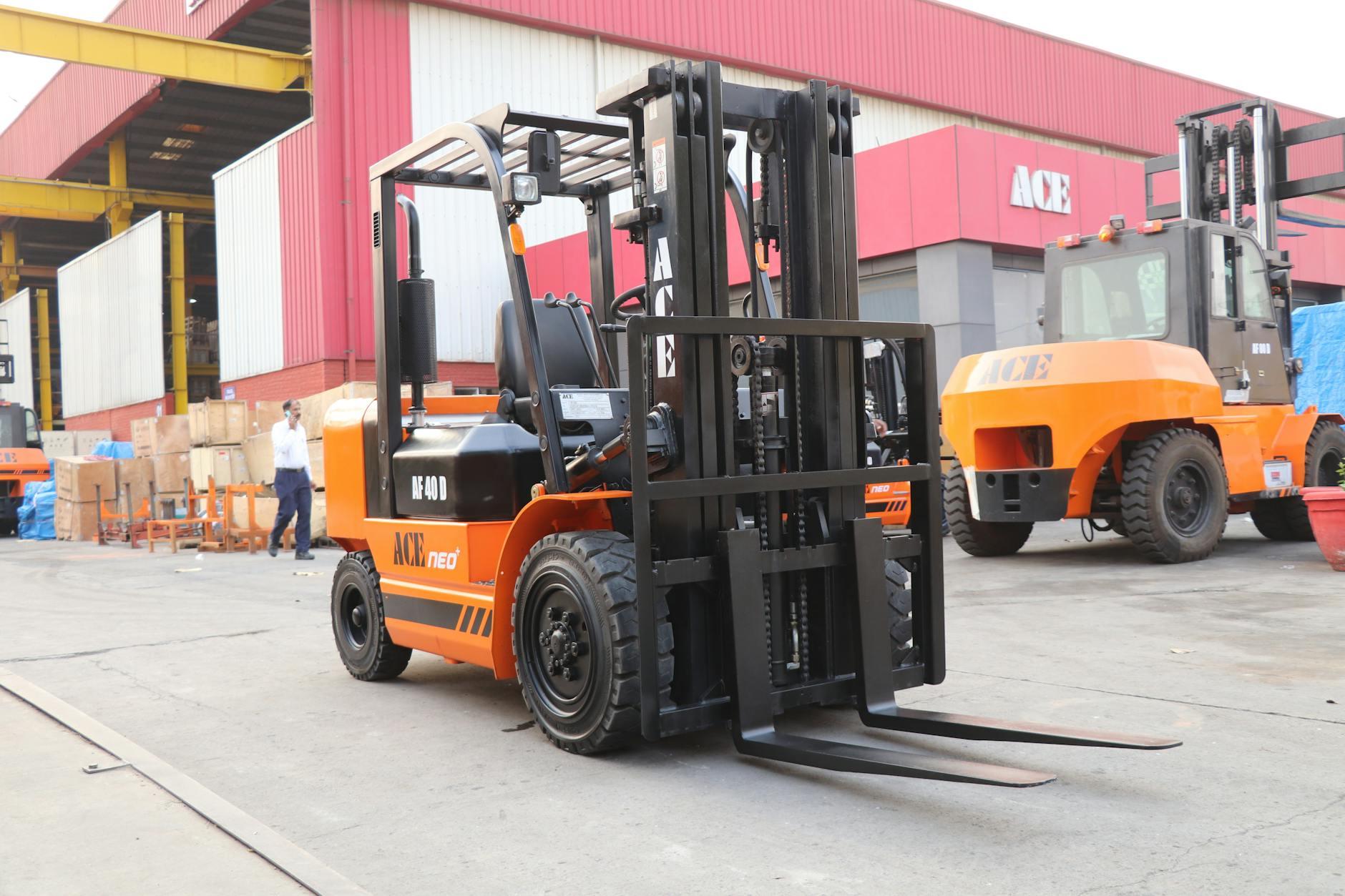
Scheduling engines that coordinate production across multiple facilities while accounting for equipment capacity, labor availability, raw material inventory, and transportation logistics between locations. The system handles complex scenarios like splitting production runs between facilities based on specialized equipment availability and optimizing schedules to minimize changeover costs. Our algorithms consider Iowa-specific factors like seasonal labor availability and weather-dependent transportation reliability, producing realistic schedules that account for operational reality rather than theoretical capacity.
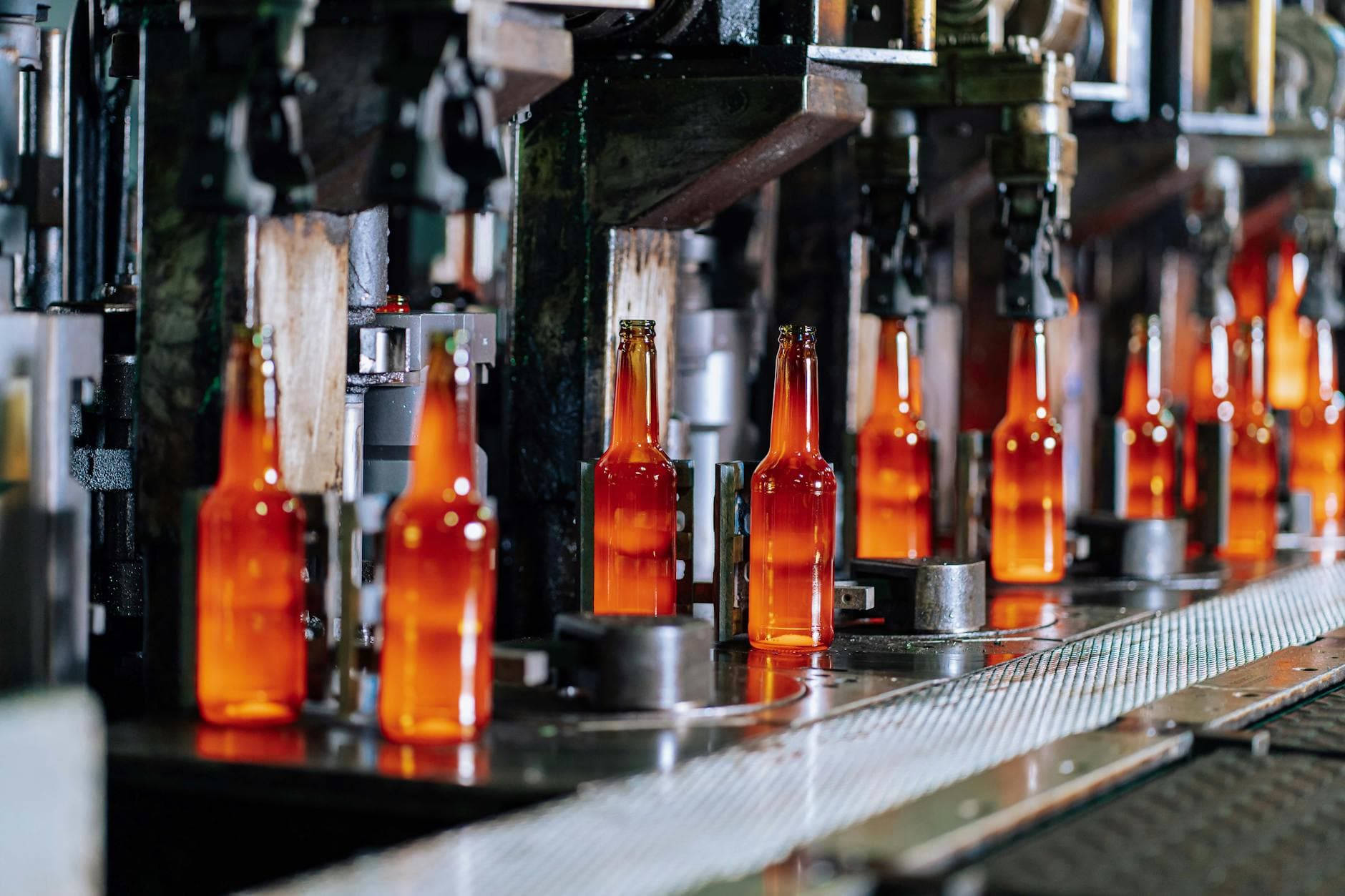
Quality control workflows embedded directly into production processes, with automatic documentation generation for FDA, USDA, and industry-specific compliance requirements common in Iowa's food processing and agricultural sectors. The system enforces testing protocols at defined process points, maintains complete lot traceability for recall management, and generates certificates of analysis automatically. We've built systems that reduced compliance documentation time by 70% while improving accuracy and providing auditors with instant access to complete production histories.

Maintenance tracking systems that schedule preventive maintenance based on actual usage hours and production cycles rather than arbitrary calendar dates, critical for maximizing uptime during peak agricultural seasons. The system tracks maintenance history, parts inventory, vendor relationships, and equipment performance metrics that inform capital replacement decisions. Our implementations integrate with IoT sensors on critical equipment, providing early warning of potential failures and automatically generating work orders when predefined thresholds are exceeded, preventing costly unplanned downtime.
Accounting systems that manage multiple legal entities with consolidated reporting while maintaining proper separation for tax and regulatory purposes, essential for Iowa agricultural operations with complex ownership structures. The system handles intercompany transactions, eliminates duplicate entries in consolidated views, and manages different accounting methods across entities when required. We've built solutions that reduced month-end close time from 15 days to 3 days by automating consolidation processes and eliminating manual reconciliation spreadsheets that were error-prone and time-consuming.
Self-service portals that give customers visibility into order status, production schedules, quality documentation, and shipment tracking without requiring staff intervention. The portal integrates directly with your ERP system, providing real-time information rather than batch updates that become outdated quickly. We've implemented portals that reduced customer service call volume by 40% while improving customer satisfaction through transparency, and enabled customers to submit orders directly into your production schedule with automatic feasibility checking and confirmation.
Native mobile applications that work on tablets and smartphones, allowing warehouse staff, production supervisors, and field technicians to interact with the ERP system from anywhere in your facility or at remote locations. The apps include offline functionality that caches data locally when connectivity is unavailable and synchronizes automatically when connection restores, essential for Iowa operations in rural areas with spotty cellular coverage. Our mobile interfaces are designed for gloved hands and bright sunlight conditions, with large touch targets and high-contrast displays that work in actual shop floor environments.
Business intelligence tools that go beyond historical reporting to provide predictive insights based on your operational data, helping Iowa businesses anticipate seasonal demand patterns, optimize inventory levels, and identify profitability trends before they impact the bottom line. We integrate machine learning models that analyze years of historical data to forecast demand, predict maintenance needs, and identify process inefficiencies. The reporting system includes automated distribution of key metrics to stakeholders and alerts when performance deviates from expected ranges, enabling proactive management rather than reactive firefighting.
FreedomDev brought all our separate systems into one closed-loop system. We're getting more done with less time and the same amount of people.
Automated integration eliminates the manual data entry that typically consumes 15-20 staff hours weekly, reducing errors and allowing employees to focus on value-added activities instead of redundant data maintenance across disconnected systems.
Single source of truth for inventory, production status, financial data, and customer orders, providing managers with accurate information for decision-making without waiting for end-of-day batch processes or manual report compilation.
Architecture designed to handle increasing transaction volumes, additional locations, and new product lines without performance degradation or requiring complete system replacement as your business expands across Iowa and beyond.
Ownership model that eliminates recurring per-user licensing fees and expensive annual maintenance contracts common with commercial ERP systems, typically reducing software costs by 40-60% over a five-year period compared to enterprise ERP solutions.
Immediate access to accurate operational and financial data enables faster response to market opportunities, production issues, and customer needs, improving competitiveness in time-sensitive agricultural and manufacturing markets.
Purpose-built features for your specific industry requirements included in the initial development rather than expensive customizations to generic systems, providing functionality that matches your actual business processes from day one.
We conduct detailed sessions documenting your current workflows, pain points, integration requirements, and business rules that the system must enforce. This phase identifies both standard processes and the exceptions and workarounds your team uses daily, revealing requirements that might not surface in traditional requirements gathering. We map data flows between existing systems, identify reporting needs, and prioritize features based on business impact rather than technical complexity.
Our architects design system structure, database schemas, integration points, and user interface approaches that balance functionality, performance, and long-term maintainability. We select technologies based on your internal IT capabilities, ensuring the system uses tools your team can support rather than requiring specialized expertise. This phase produces detailed technical specifications and user interface mockups that provide a clear picture of the final system before significant development begins.
We build working software in 2-3 week iterations, delivering functional prototypes that you can test with real data and actual workflows. This iterative approach allows course correction based on hands-on experience rather than theoretical requirements, and it builds confidence that the system will meet your needs long before final deployment. Each iteration includes testing by your staff who provide feedback that shapes subsequent development, ensuring the final system matches operational reality.
We develop and test data conversion processes that migrate historical information from existing systems, build integration connections to accounting software and other applications, and validate that data flows correctly across all connected systems. This phase includes parallel operation where old and new systems run simultaneously, allowing thorough validation before full commitment to the new ERP system and ensuring we identify any conversion issues or integration gaps before go-live.
We conduct role-specific training using your actual business data and processes, deploy the system to production infrastructure, and provide intensive support during the first weeks of operation. After initial deployment, we monitor system performance, gather user feedback on workflow efficiency, and implement refinements that optimize the system based on real-world usage patterns. This optimization phase typically continues for 2-3 months post-deployment, ensuring the system evolves to match actual usage rather than theoretical requirements.
We provide complete documentation including architecture diagrams, database schemas, API specifications, and operational procedures that enable your IT staff or any competent development firm to maintain and enhance the system. This knowledge transfer ensures you're never dependent on a single vendor for ongoing support. We offer continued development services for clients who prefer working with our team, but the comprehensive documentation ensures you have options rather than vendor lock-in that's common with proprietary ERP systems.
Iowa's economy centers on agricultural production and processing, with over 86,000 farms covering 30.6 million acres and a manufacturing sector that employs 215,000+ workers across diverse industries. This economic landscape creates specific ERP requirements that differ significantly from businesses in urban technology centers—systems must handle commodity price volatility, seasonal production cycles, distributed operations across rural areas, and integration with specialized agricultural equipment and software. FreedomDev has worked with businesses facing these challenges across the Midwest for over 20 years, building systems that accommodate the operational realities of Iowa's primary industries.
The state's agricultural processing sector requires ERP systems that manage complex supply chains where raw material quality varies by field and season, production must respond rapidly to commodity market conditions, and regulatory compliance documentation is essential for food safety. Companies processing corn into ethanol and byproducts, crushing soybeans for oil and meal, or manufacturing animal feed need systems that track lot genealogy, manage recipe formulations with variable ingredients, and calculate margins in real-time as commodity prices fluctuate. These aren't capabilities found in standard ERP packages, which is why Iowa processors often struggle with cobbled-together systems that don't communicate effectively.
Iowa's manufacturing sector extends well beyond agricultural processing to include machinery manufacturing, metal fabrication, construction materials, and chemical production. Companies like CLAAS Omaha, Vermeer Corporation, and HON Industries operate sophisticated manufacturing operations requiring ERP systems that handle complex bill-of-materials, multi-stage production workflows, and detailed costing analysis. We've built systems for manufacturers managing production scheduling where a single equipment breakdown can cascade through an entire month's production plan, requiring rapid rescheduling that considers customer commitments, material availability, and labor capacity constraints.
The geographic distribution of Iowa businesses creates connectivity challenges that coastal software developers rarely consider. Rural facilities often deal with internet connections that are slower and less reliable than urban locations, requiring ERP systems with offline capability and efficient synchronization. We design systems that continue operating during connectivity interruptions, caching transactions locally and synchronizing automatically when connection restores, with conflict resolution that prevents data corruption when multiple locations update records simultaneously. This architecture is essential for grain elevators, agricultural dealerships, and manufacturers with facilities across Iowa's 99 counties.
Iowa State University and the University of Iowa provide strong engineering and business programs, creating a talent pool that supports technology adoption among Iowa businesses. However, the software development community is smaller than coastal tech hubs, making vendor selection and long-term support critical considerations. Companies need ERP systems built with standard technologies and thorough documentation that allows local IT staff or any competent development firm to provide ongoing support. Our approach includes complete knowledge transfer and source code documentation that prevents vendor lock-in, a crucial factor for Iowa businesses that have watched software companies get acquired or discontinue products.
The state's transportation infrastructure—including the Mississippi and Missouri Rivers, Class I railroads, and Interstate 80 spanning the state—makes logistics a critical component of ERP systems for Iowa businesses. Companies must coordinate inbound raw materials from farms across the state, manage inventory across multiple warehouses, and optimize outbound shipments via truck, rail, and barge. We've built logistics modules that integrate with carrier systems, optimize shipment consolidation to reduce freight costs, and provide real-time tracking that gives customers visibility into delivery schedules. For agricultural businesses, this includes managing seasonal volume spikes during harvest when shipping capacity becomes constrained and timing is critical.
Iowa's business climate emphasizes practical problem-solving over technological novelty, which aligns perfectly with our development approach. Companies want systems that work reliably, solve actual business problems, and provide measurable ROI rather than implementing technology for its own sake. This pragmatic perspective leads to better outcomes—we focus development effort on features that directly impact operations and profitability rather than impressive demos that don't translate to daily use. Our [custom software development](/services/custom-software-development) philosophy prioritizes solving real problems with appropriate technology rather than forcing businesses to adapt to limitations of generic software.
The state's regulatory environment, particularly for agricultural processing and food production, requires ERP systems that maintain detailed documentation for compliance with federal and state regulations. Systems must track food safety testing, maintain complete lot traceability for recalls, generate certificates of analysis, and document cleaning and sanitation procedures. We've built compliance modules that automate documentation generation, enforce testing protocols at defined process points, and provide auditors with instant access to complete production histories. This reduces compliance overhead while improving accuracy and ensuring you're prepared for regulatory inspections that can occur with minimal notice.
FreedomDev is based in West Michigan and works with clients remotely across the United States.
Schedule a direct consultation with one of our senior architects.
FreedomDev has spent over 20 years building custom software for businesses across the Midwest, accumulating deep experience with the integration challenges, operational workflows, and industry-specific requirements common to Iowa's agricultural and manufacturing sectors. Our experience includes successful implementations and learning from projects that encountered unexpected challenges, giving us perspective that helps avoid pitfalls that derail ERP implementations.
You receive complete source code, architecture documentation, database schemas, and operational procedures that provide full system ownership without vendor lock-in. This contrasts sharply with proprietary ERP systems where you're perpetually dependent on a single vendor for all modifications and support, often paying 18-22% annually for maintenance whether you need it or not. Our documentation standards ensure any competent development team can maintain and enhance the system, giving you flexibility as your business needs evolve.
We've built systems for agricultural processors managing commodity inventory and complex supply chains, manufacturers with multi-stage production workflows and detailed costing requirements, and distributors coordinating logistics across distributed warehouses. This industry experience means we understand requirements without lengthy explanations—we've solved similar challenges before and can apply proven patterns to your specific situation. Our [case studies](/case-studies) demonstrate real-world implementations rather than theoretical capabilities.
We use mainstream technologies with strong developer communities and long-term vendor support rather than proprietary frameworks that might become obsolete. Technology choices prioritize your ability to maintain and enhance the system over 10-15 years rather than implementing bleeding-edge approaches that might be impressive initially but create support challenges later. This pragmatic approach reflects Iowa's business culture that values practical problem-solving over technological novelty.
Our project proposals include detailed scope definitions with fixed pricing rather than open-ended time-and-materials arrangements that create budget uncertainty. You know the total investment before committing to development, and scope changes follow a structured process with clear pricing rather than surprise bills. This transparency allows accurate budgeting and ROI analysis, and it motivates us to estimate accurately since we bear the financial risk of underestimation. [Contact us](/contact) for a detailed proposal addressing your specific requirements.
Explore all our software services in Iowa
Let’s build a sensible software solution for your Iowa business.