
Manufacturers, distributors, and healthcare systems across Central Indiana partner with FreedomDev to replace fractured spreadsheets and legacy platforms with unified ERP systems built for their exact workflows—and built to scale.
FreedomDev is based in West Michigan and works with clients remotely across the United States.
Indianapolis handles over 500 million tons of freight annually through its position as a central logistics hub, creating unique operational challenges for manufacturers and distributors who need systems that can track inventory across multiple facilities, coordinate with third-party logistics providers, and integrate with supply chain partners throughout the Midwest. We've built ERP systems for companies operating in this environment since 2004, delivering solutions that connect warehouse management systems, transportation platforms, and financial software into unified operational platforms. Our [erp development expertise](/services/erp-development) focuses on solving the specific coordination problems that arise when you're managing production schedules, inventory levels, and shipment tracking across distributed operations.
Most Indianapolis manufacturers and distributors operate with a patchwork of disconnected systems: QuickBooks for accounting, Excel spreadsheets for production planning, legacy inventory software that can't communicate with modern platforms, and manual processes that create delays and errors. We recently completed a project for a metal fabrication company in the Whitestown industrial corridor where operators were manually re-entering job data into four separate systems, creating a two-day lag between order entry and production floor visibility. The custom ERP system we built eliminated those manual handoffs, integrated their CNC machine controllers directly with production scheduling, and reduced order-to-production time from 48 hours to less than 4 hours.
Our development approach starts with mapping your actual operational workflows rather than forcing your processes to fit pre-built software templates. We spend time on your production floor, in your warehouses, and with your logistics coordinators to understand how materials move, how decisions get made, and where information bottlenecks create problems. This ground-level analysis reveals integration requirements that become clear only when you see how people actually work. One distribution client in the Plainfield logistics park needed their ERP to automatically adjust safety stock levels based on seasonal demand patterns specific to agricultural equipment parts, a requirement that never would have surfaced in a typical software requirements document.
The ERP systems we build connect with existing platforms through [systems integration](/services/systems-integration) that preserves your investment in current tools while extending their capabilities. We've built integrations with virtually every major accounting platform, inventory management system, and specialized manufacturing software used by Indianapolis companies. Our [QuickBooks Bi-Directional Sync](/case-studies/lakeshore-quickbooks) case study demonstrates how we maintain financial data integrity while automating workflows that previously required manual data entry. These integrations use real-time APIs, scheduled batch processes, or event-driven architectures depending on your specific data synchronization requirements and system capabilities.
Manufacturing companies in the Indianapolis region face particular challenges around production scheduling when they're managing custom orders, maintaining inventory for standard products, and coordinating with just-in-time delivery requirements from automotive or logistics customers. We built an ERP system for a contract manufacturer in Greenfield that produces both catalog items and custom fabricated parts, requiring a scheduling engine that could dynamically allocate machine time, track material availability for both product types, and automatically flag potential delivery issues three weeks in advance. The system reduced scheduling conflicts by 73% and improved on-time delivery rates from 84% to 97% within the first six months.
Data visibility across your operation changes decision-making speed and accuracy. The ERP platforms we develop include [business intelligence](/services/business-intelligence) dashboards that show real-time operational metrics, automated alerts for exception conditions, and analytical tools that help identify improvement opportunities. A pharmaceutical distribution client in Carmel needed visibility into temperature-controlled storage conditions across three warehouses, with automated alerts for any variance that could affect product integrity. Their custom ERP tracks environmental conditions continuously, maintains complete audit trails for regulatory compliance, and generates alerts to multiple stakeholders within 30 seconds of any deviation.
Indianapolis companies in industries with complex regulatory requirements—pharmaceutical distribution, food processing, automotive component manufacturing—need ERP systems that maintain complete audit trails, enforce quality control procedures, and generate compliance documentation automatically. We design database structures and business logic that make compliance a natural outcome of normal operations rather than an additional burden. Our [sql consulting](/services/sql-consulting) expertise ensures that your ERP database architecture supports both operational performance and the complex queries required for regulatory reporting, traceability, and quality analysis.
The lifecycle of an ERP system extends well beyond initial implementation. We build systems with architecture that supports continuous evolution as your business grows, processes change, and new integration requirements emerge. A logistics company we've worked with for 11 years has expanded from two facilities to seven, added three new service lines, and integrated with 14 additional partner systems—all within the same core ERP platform we originally developed. This longevity comes from careful architectural planning, comprehensive documentation, and building systems that your team can maintain and extend. We provide detailed technical documentation, transfer knowledge to your internal teams, and remain available for ongoing enhancement work as your needs evolve.
Cost structures for custom ERP development differ significantly from SaaS subscriptions or enterprise software licensing, but the total cost of ownership over five years often favors custom development for companies with specific requirements. We've seen Indianapolis manufacturers reduce their total software spending by 40-60% over a five-year period by replacing multiple specialized systems with a unified custom platform. One client was spending $180,000 annually on licensing fees for six different software products that didn't integrate well; their custom ERP had a development cost of $340,000 but eliminated those recurring fees while providing better functionality and integration.
Mobile accessibility has become essential for manufacturers and distributors where key personnel need operational data while on production floors, in warehouses, or traveling between facilities. The ERP systems we build include responsive web interfaces that work across devices and specialized mobile applications when operational requirements demand offline functionality or device-specific features like barcode scanning. A food processing client in Brownsburg needed production supervisors to record quality control measurements and equipment maintenance directly from the production floor without returning to office workstations; their mobile ERP interface reduced data entry time by 60% and improved compliance with quality documentation requirements.
Integration with Indianapolis-region supply chain partners and customers often requires specialized data exchange capabilities. We've built EDI interfaces for companies trading with major retailers, API integrations for logistics platforms used throughout the I-69 corridor, and custom data exchange formats for industry-specific requirements. Our [Real-Time Fleet Management Platform](/case-studies/great-lakes-fleet) demonstrates how we build systems that coordinate with external partners while maintaining data security and operational reliability. These integrations transform your ERP from an internal tool into a platform that strengthens your entire supply chain network.
Security and data protection receive particular attention in our ERP development process, especially for systems that contain proprietary manufacturing processes, customer data, or financially sensitive information. We implement role-based access controls, maintain comprehensive audit logs, encrypt sensitive data both in transit and at rest, and design database structures that support granular permission models. For companies subject to specific compliance requirements—ITAR for defense contractors, HIPAA for pharmaceutical distributors, SOC 2 for logistics providers—we design security architectures that address those frameworks from the ground up rather than attempting to retrofit compliance onto existing systems.
Custom algorithms that optimize machine utilization, coordinate material availability, and sequence jobs based on your specific constraints—whether that's setup time minimization, delivery date priorities, or material flow through your facility. We built a scheduling system for a contract packager that handles both dedicated production lines and flexible packaging equipment, automatically calculating optimal changeover sequences that reduced downtime by 34%. These engines integrate with your existing equipment where possible and include manual override capabilities for situations requiring operator judgment.
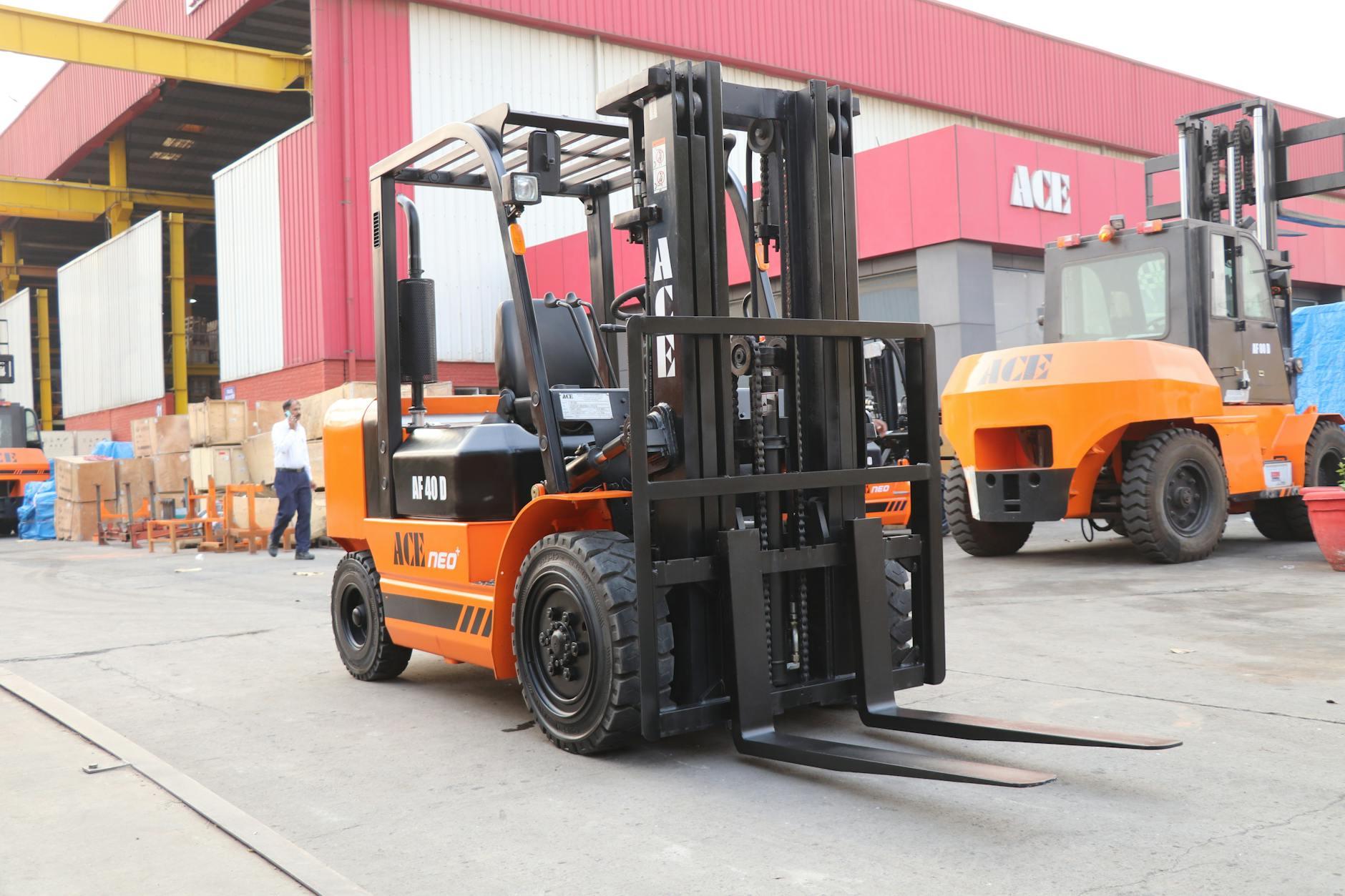
Real-time visibility into inventory across warehouses, production facilities, and consignment locations with automated reordering, lot tracking, and serialization when required. A distribution client managing automotive aftermarket parts across seven Indianapolis-area locations needed the system to automatically rebalance inventory between facilities based on usage patterns and upcoming orders. The system processes over 14,000 inventory transactions daily and maintains accuracy above 99.7% through automated cycle counting procedures and exception reporting.

Bidirectional synchronization with accounting platforms that maintains a single source of truth for financial data while enabling operational teams to work within the ERP without navigating accounting software. Our integrations track job costs, material usage, and labor allocation in real-time, providing accurate cost visibility that supports pricing decisions and profitability analysis. We've built integrations with QuickBooks, Sage, Microsoft Dynamics, and custom accounting systems, handling everything from simple journal entry posting to complex cost allocation algorithms.

Built-in workflows that enforce quality procedures, capture inspection data, maintain calibration records, and generate compliance documentation as a natural part of your operational processes. A medical device component manufacturer needed FDA-compliant documentation for every production lot including material certifications, process parameters, inspection results, and environmental conditions. Their ERP automatically compiles this documentation, flags any anomalies that require review, and maintains a complete audit trail that has successfully passed three FDA audits.
Tools that improve communication with suppliers, track purchase orders through delivery, manage vendor performance metrics, and coordinate with third-party logistics providers. We built a vendor portal for a manufacturer that allows suppliers to view forecasts, submit advance ship notices, and receive quality feedback—improving on-time delivery from 79% to 94% by giving suppliers better visibility into upcoming requirements. The system automatically generates purchase orders based on production schedules and inventory levels, reducing procurement workload by 40%.
Unified customer data that connects quotes, orders, production status, shipping, and invoicing in a single platform accessible to sales, operations, and customer service teams. Custom pricing matrices that handle volume discounts, contract pricing, and customer-specific terms automatically generate accurate quotes and ensure consistent pricing across your organization. A distributor handling both stock items and special orders needed a system that could quote delivery dates based on current inventory, scheduled production, and supplier lead times—their ERP provides accurate delivery commitments 96% of the time.
Purpose-built reporting tools that provide operational, financial, and strategic visibility through dashboards, scheduled reports, and ad-hoc query capabilities. We design database structures optimized for both transactional performance and analytical queries, often implementing data warehouse architectures for companies with extensive historical analysis requirements. A logistics provider needed to analyze equipment utilization patterns across three years of operational data to support capital investment decisions; their ERP includes analytical tools that process these complex queries without impacting operational system performance.
Configurable automation that eliminates manual handoffs, enforces business policies, and escalates exceptions automatically. These rules range from simple notifications to complex multi-step workflows that coordinate activities across departments. A food processor implemented approval workflows for ingredient substitutions that automatically route requests based on the type of change, notify quality assurance, update production formulas, and maintain audit trails—reducing approval time from 2-3 days to under 4 hours while improving compliance documentation.
FreedomDev definitely set the bar a lot higher. I don't think we would have been able to implement that ERP without them filling these gaps.
Integration between operational and financial systems removes the manual data entry that creates delays, introduces errors, and prevents real-time visibility. Companies typically reduce data entry labor by 60-80% while improving accuracy and accelerating information availability from days to minutes.
Better inventory visibility and automated reordering reduce both stockouts and excess inventory, freeing capital for other business purposes. Our clients typically reduce inventory carrying costs by 20-30% while maintaining or improving service levels through more accurate demand forecasting and inventory optimization.
Streamlined workflows that connect order entry through production, shipping, and invoicing reduce the time between customer orders and payment receipt. Manufacturing clients have shortened order-to-cash cycles by 35-50%, improving cash flow and working capital position without changing payment terms.
Real-time visibility into production status, inventory levels, and supply chain constraints enables more accurate delivery commitments and proactive issue resolution. Companies implementing our ERP systems typically improve on-time delivery rates by 15-25 percentage points, strengthening customer relationships and reducing expedite costs.
Automation and integration allow companies to scale revenue without proportionally increasing administrative headcount. One client grew revenue 140% over four years while increasing administrative staff by only 15%, maintaining profitability despite competitive margin pressures in their industry.
Access to accurate, timely operational data transforms decision-making from intuition-based to evidence-based. Manufacturing clients identify improvement opportunities, evaluate process changes, and allocate resources based on actual performance data rather than estimates or assumptions, leading to better outcomes and faster response to market conditions.
We spend time in your facilities observing how work actually happens, interviewing staff across departments, and mapping information flows to understand operational realities rather than documented procedures. This discovery phase typically takes 2-4 weeks and reveals integration requirements, workflow bottlenecks, and opportunities for improvement that inform system design. We document current-state workflows, identify pain points, and develop future-state process maps that show how the ERP will transform operations.
We create detailed technical architecture documenting database structures, integration approaches, security models, and application components. This architecture balances immediate requirements with long-term flexibility, ensuring the system can evolve as your needs change. We develop a phased implementation plan that delivers core functionality first and adds capabilities incrementally, providing clear milestones and manageable project phases that reduce risk and accelerate time-to-value.
Development proceeds in focused sprints with regular demonstrations of working functionality, allowing you to see progress, provide feedback, and request adjustments before features are finalized. We typically demonstrate completed functionality every 2-3 weeks, ensuring the system meets expectations and allowing course corrections early when they're least expensive. This iterative approach prevents the misalignment that often occurs when clients don't see systems until final delivery.
We build and test connections to accounting systems, existing operational platforms, customer/vendor portals, and manufacturing equipment. Integration testing occurs in development environments using realistic data volumes and scenarios to verify reliability under actual operational conditions. We document integration architectures, error handling procedures, and monitoring approaches that support long-term operational stability. Testing includes both normal operations and exception handling to ensure the system responds appropriately when external systems are unavailable or provide unexpected data.
We conduct role-specific training sessions that teach users how to perform their actual job functions in the new system, provide hands-on practice time, and develop reference documentation for common procedures. Simultaneously, we execute data migration from legacy systems, validate accuracy, and resolve data quality issues. Training occurs over 2-4 weeks before go-live, giving users time to become comfortable with new workflows. We designate internal power users who receive extended training and serve as resources for their colleagues.
System launch includes intensive support during the first weeks of operation, rapid response to issues, and optimization based on actual usage patterns. We typically provide on-site support during the first few days, remain readily available for the first month, and conduct weekly review sessions to address questions and make adjustments. This stabilization period allows your team to adapt to new workflows while having expert support available. Most systems stabilize within 4-6 weeks, after which support transitions to ongoing maintenance and enhancement.
Indianapolis has transformed from a traditional manufacturing center into a sophisticated logistics and advanced manufacturing hub that handles diverse operations from pharmaceutical distribution to automotive components to precision machining. The region's companies face operational challenges shaped by this industrial diversity: coordinating with just-in-time delivery requirements from automotive customers, maintaining regulatory compliance in pharmaceutical distribution, managing complex supply chains that extend throughout the Midwest, and operating in a competitive labor market where process efficiency directly impacts profitability. We've developed ERP systems for companies throughout the Indianapolis metropolitan area since 2004, building solutions that address these specific operational realities rather than generic manufacturing scenarios.
The I-69 corridor from Indianapolis to Fort Wayne has become a major distribution hub where companies manage high-volume operations with tight delivery windows and extensive partner coordination requirements. We work with distributors and third-party logistics providers in this corridor who need ERP systems that integrate with customer platforms, coordinate with carrier systems, and provide real-time visibility to multiple stakeholders. These systems handle thousands of transactions daily while maintaining the data accuracy required for billing, inventory management, and performance reporting. One logistics provider in Fishers processes over 8,000 shipments weekly through their ERP, with automated integration to 23 customer systems and 14 carrier platforms.
Manufacturing companies in suburban Indianapolis locations like Greenfield, Plainfield, and Whitestown often operate multiple facilities and need ERP systems that provide consolidated visibility while respecting site-specific processes and requirements. We design multi-location architectures that centralize data for reporting and coordination while allowing operational flexibility at individual facilities. A contract manufacturer with locations in Greenwood and Greenfield needed consolidated inventory visibility to allocate materials optimally between sites while maintaining separate production scheduling and quality procedures appropriate to the different product types manufactured at each facility. Their ERP provides both unified and site-specific views based on user roles and operational requirements.
The pharmaceutical and medical device companies in the Carmel and Zionsville area operate under extensive regulatory requirements that their ERP systems must support. We build compliance capabilities directly into operational workflows rather than treating documentation as a separate activity that happens after production. This approach makes compliance less burdensome while improving the quality and completeness of regulatory documentation. A pharmaceutical distributor needed their ERP to maintain complete chain-of-custody records for controlled substances, including electronic signatures, time-stamped events, and integration with state reporting systems. The system processes these compliance requirements automatically during normal warehouse operations, eliminating separate documentation tasks while maintaining audit trails that exceed regulatory requirements.
Indianapolis manufacturers serving automotive customers face particularly demanding requirements around delivery performance, quality documentation, and electronic data interchange. We've built EDI capabilities for companies trading with automotive OEMs and Tier 1 suppliers, implementing the specific transaction sets and timing requirements that these relationships demand. An automotive components manufacturer in the southeast industrial corridor needed their ERP to process planning schedules from three major customers, generate advance ship notices automatically, and maintain quality records that could be retrieved instantly if issues arose in customer production. The system handles these requirements while coordinating internal production scheduling and inventory management.
The food processing and packaging companies operating in Indianapolis face unique challenges around lot traceability, allergen management, and food safety documentation. We design ERP systems that track ingredients from receipt through production and finished goods, maintaining the one-up-one-down traceability required by food safety regulations while supporting operational needs like FIFO inventory rotation and production lot tracking. A co-packer producing both organic and conventional products needed strict segregation protocols and comprehensive allergen tracking; their ERP enforces these requirements through workflow controls that prevent cross-contamination while maintaining the documentation required for customer audits and regulatory compliance.
Small and mid-sized manufacturers in Indianapolis often operate with lean administrative teams where every hour spent on data entry, reporting, or system maintenance reduces time available for revenue-generating activities. We design ERP systems with this constraint in mind, building automation that reduces administrative burden and interfaces that support efficient work patterns. A precision machining company with 15 employees needed their ERP to be manageable by their operations manager who splits time between system administration and production coordination. We designed administrative interfaces that handle routine tasks in minutes rather than hours and built automation that reduces daily administrative work to less than 30 minutes while maintaining complete operational visibility.
We maintain relationships with companies throughout the Indianapolis region that support manufacturing and distribution operations, including industrial equipment suppliers, logistics providers, and technology partners. These relationships help us understand emerging operational challenges and technology opportunities relevant to our clients. When a client needs specialized capabilities—integration with specific manufacturing equipment, connection to industry platforms, or expertise in particular regulatory requirements—we can often leverage existing relationships and knowledge to accelerate implementation. This regional presence and network provides value beyond our direct development capabilities, connecting clients with resources that support their operational objectives.
FreedomDev is based in West Michigan and works with clients remotely across the United States.
Schedule a direct consultation with one of our senior architects.
We've built ERP systems for manufacturers and distributors throughout Indiana and the broader Midwest since 2004, developing deep understanding of the operational challenges, regulatory requirements, and competitive dynamics that shape how regional companies operate. This experience informs our approach to system design, integration architecture, and workflow optimization. Our [our case studies](/case-studies) demonstrate the range of industries and operational scenarios we've successfully addressed.
Our team includes professionals with operational backgrounds in manufacturing, distribution, and supply chain management who understand business processes at a practical level. This operational knowledge allows us to identify improvement opportunities, design workflows that support efficient operations, and ask questions that reveal requirements others might miss. We approach ERP development as operational problem-solving that happens to involve software rather than pure technical implementation.
We architect systems to support evolution over many years, document thoroughly, use mainstream technologies with strong support communities, and structure code for maintainability. Several clients have operated ERP systems we built more than a decade ago, continuously adding functionality and adapting to changing requirements. This longevity reflects our commitment to building sustainable systems rather than impressive demos that become maintenance nightmares. We want your ERP to remain valuable for 10+ years, not become a technical debt burden.
We provide honest assessments of timelines, costs, and technical challenges rather than optimistic projections that lead to disappointment. If commercial software better serves your needs, we'll tell you. If requirements are unclear, we'll invest time in discovery before committing to implementation schedules. This transparency builds trust and leads to better outcomes. For more information about our approach and to discuss your specific requirements, [contact us](/contact) to schedule a consultation.
Our expertise spans database architecture, application development, systems integration, business intelligence, and infrastructure—allowing us to address all technical aspects of ERP implementation. We don't outsource database work to consultants or integration to third parties; our team handles every technical component. This comprehensive capability ensures architectural consistency, simplifies communication, and provides you with a single point of accountability. See [all services in Indianapolis](/locations/indianapolis) we provide to support your operational technology needs.
Explore all our software services in Indianapolis
Let’s build a sensible software solution for your Indianapolis business.