
Partner with FreedomDev, a seasoned ERP development company in the Midwest, to boost efficiency, productivity, and profitability in the Prairie State.
FreedomDev is based in West Michigan and works with clients remotely across the United States.
Illinois maintains 11,831 manufacturing establishments employing over 580,000 workers, generating $106 billion in annual output according to the National Association of Manufacturers. These manufacturers—from precision metal fabricators in Rockford to pharmaceutical operations in Lake County—operate legacy ERP systems that can't handle modern supply chain volatility, multi-site inventory coordination, or real-time production scheduling. We build custom ERP solutions that replace aging AS/400 systems and fragmented software stacks with unified platforms designed specifically for how Illinois manufacturers actually operate.
Standard ERP packages from SAP, Oracle, or Microsoft Dynamics promise comprehensive functionality but deliver rigid workflows that force manufacturers to adapt their proven processes to software limitations. A Chicago-area industrial equipment manufacturer recently contacted us after spending $1.2 million on a Dynamics implementation that couldn't handle their engineer-to-order workflow with custom bill-of-materials configurations. We developed a custom ERP system with dynamic BOM generation, real-time shop floor data capture, and project-based costing that reduced their quote-to-delivery cycle from 16 weeks to 9 weeks while cutting administrative overhead by 34%.
The gap between packaged ERP capabilities and actual manufacturing requirements grows wider as Illinois companies adopt Industry 4.0 technologies. Our <a href='/services/erp-development'>erp development expertise</a> focuses on building systems that integrate IoT sensor data from production equipment, coordinate inventory across multiple Illinois facilities, and provide supply chain visibility from raw material procurement through final delivery. We've developed ERP solutions for companies with 50 to 500 employees that handle everything from job costing and production scheduling to quality management and regulatory compliance.
Illinois distribution companies face equally complex challenges managing inventory across warehouse networks, coordinating last-mile delivery throughout the Chicago metropolitan area, and maintaining service levels despite supply chain disruptions. A third-generation Chicago logistics company approached us after their 20-year-old warehouse management system became too rigid to support their expansion into temperature-controlled distribution. We built a custom ERP platform integrating warehouse operations, route optimization, customer portals, and compliance documentation that enabled them to expand from two to seven facilities while maintaining 99.7% order accuracy.
The real value in custom ERP development emerges when systems directly reflect your competitive advantages rather than forcing you into industry-standard workflows. Through our <a href='/contact'>discovery process</a>, we document how your Illinois operation actually functions—the tribal knowledge your production planners use, the workarounds your warehouse staff have developed, the exception handling that keeps customers satisfied. This operational reality becomes the foundation for ERP systems that amplify what makes your company successful rather than eliminating it in favor of generic best practices.
Our development approach emphasizes incremental deployment rather than risky big-bang implementations that disrupt operations. We typically start with core modules like inventory management or production scheduling, prove value in 90-120 days, then systematically expand functionality based on measured results. A Peoria-area metal fabricator implemented our custom ERP system one department at a time over 18 months, maintaining full production throughout while achieving 28% improvement in on-time delivery and 41% reduction in excess inventory.
Data integration presents the most significant challenge in ERP development because Illinois manufacturers and distributors operate complex technology ecosystems. Our systems connect to CNC machines on shop floors, extract data from legacy IBM i systems, synchronize with customer EDI requirements, and integrate with logistics providers' APIs. We demonstrated this capability in our <a href='/case-studies/great-lakes-fleet'>Real-Time Fleet Management Platform</a> implementation, where we unified data from GPS tracking, maintenance systems, and dispatch operations into a single operational platform that improved fleet utilization by 23%.
Financial accuracy drives every ERP development decision we make because manufacturers and distributors need real-time visibility into job costs, inventory valuation, and project profitability. Our systems provide transaction-level traceability from purchase orders through cost of goods sold, with audit trails that satisfy both internal controls and external compliance requirements. We've built custom integrations like our <a href='/case-studies/lakeshore-quickbooks'>QuickBooks Bi-Directional Sync</a> that maintain accounting system integrity while extending operational capabilities beyond what standard financial software provides.
Illinois regulatory requirements—from Illinois EPA reporting to OSHA compliance documentation—must be embedded directly into ERP workflows rather than managed through separate systems. We build compliance functionality into production processes, inventory movements, and shipping operations so documentation happens automatically as work progresses. A pharmaceutical packaging company in Schaumburg uses our custom ERP system to maintain FDA-required batch records, environmental monitoring data, and chain-of-custody documentation without additional administrative effort.
The long-term success of custom ERP systems depends on ownership transition and ongoing evolution as your business grows. We deliver complete source code, comprehensive documentation, and training that enables your Illinois team to maintain and extend the system. Our <a href='/services/sql-consulting'>sql consulting</a> services provide ongoing database optimization and complex reporting development as your data volumes grow and analytical requirements become more sophisticated.
Modern ERP systems must support mobile operations because production supervisors, warehouse staff, and delivery drivers need real-time access from factory floors and delivery routes throughout Illinois. We develop responsive web applications and native mobile interfaces that provide full ERP functionality on tablets and smartphones, with offline capability for locations with unreliable connectivity. A food distributor serving restaurants across Chicagoland uses our mobile ERP interfaces for delivery confirmations, inventory counts, and quality inspections that sync automatically when drivers return to coverage areas.
Security and access control become critical when ERP systems contain competitive information about costs, customers, and operational capabilities. We implement role-based security with granular permissions, comprehensive audit logging, and data encryption that protects sensitive information while enabling collaboration. Our systems track every transaction with user accountability and timestamp precision that supports both internal investigations and external audits.
Track raw materials, work-in-process, and finished goods across multiple Illinois facilities with real-time visibility into stock levels, locations, and movement history. Our ERP systems handle complex scenarios like consignment inventory, vendor-managed stock, and transfer pricing between locations with automatic cost accounting. We implement warehouse location management down to bin level, cycle counting workflows that maintain accuracy without full physical inventories, and automated reordering based on consumption patterns and lead times. A metal service center with facilities in Aurora, Joliet, and Rockford uses our multi-site inventory system to automatically balance stock levels, reducing total inventory investment by 19% while improving fill rates to 96%.
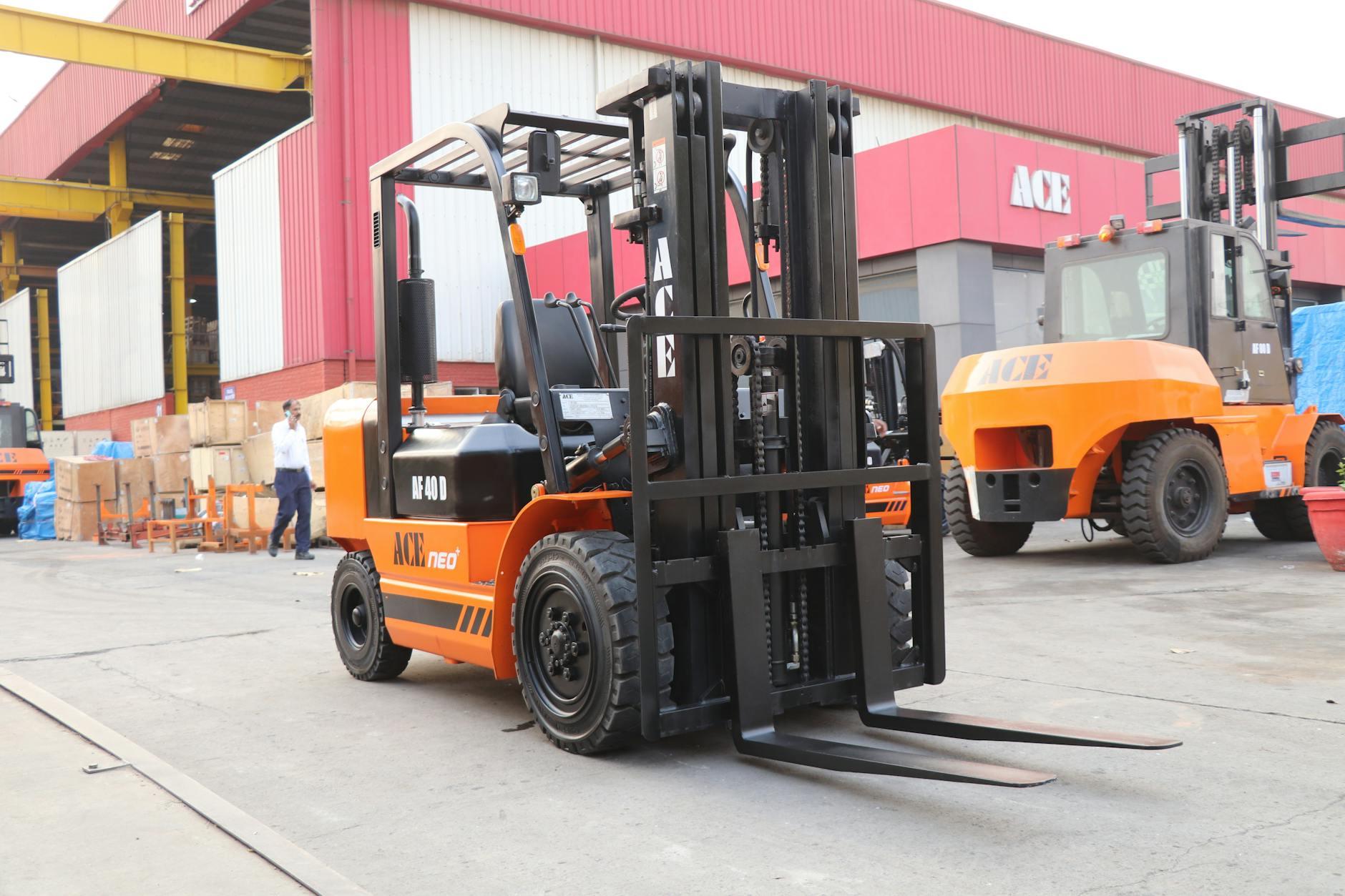
Manage job scheduling, capacity planning, and work order execution with real-time data from production equipment and operator terminals. Our systems handle complex manufacturing scenarios including engineer-to-order, make-to-stock, and mixed-mode production with dynamic scheduling that responds to priority changes, material shortages, and equipment availability. We integrate directly with CNC machines, PLCs, and quality inspection equipment to capture actual run times, scrap rates, and quality metrics without manual data entry. Manufacturing efficiency improvements of 15-30% are typical as schedulers gain visibility into actual shop floor conditions rather than working from yesterday's reports.
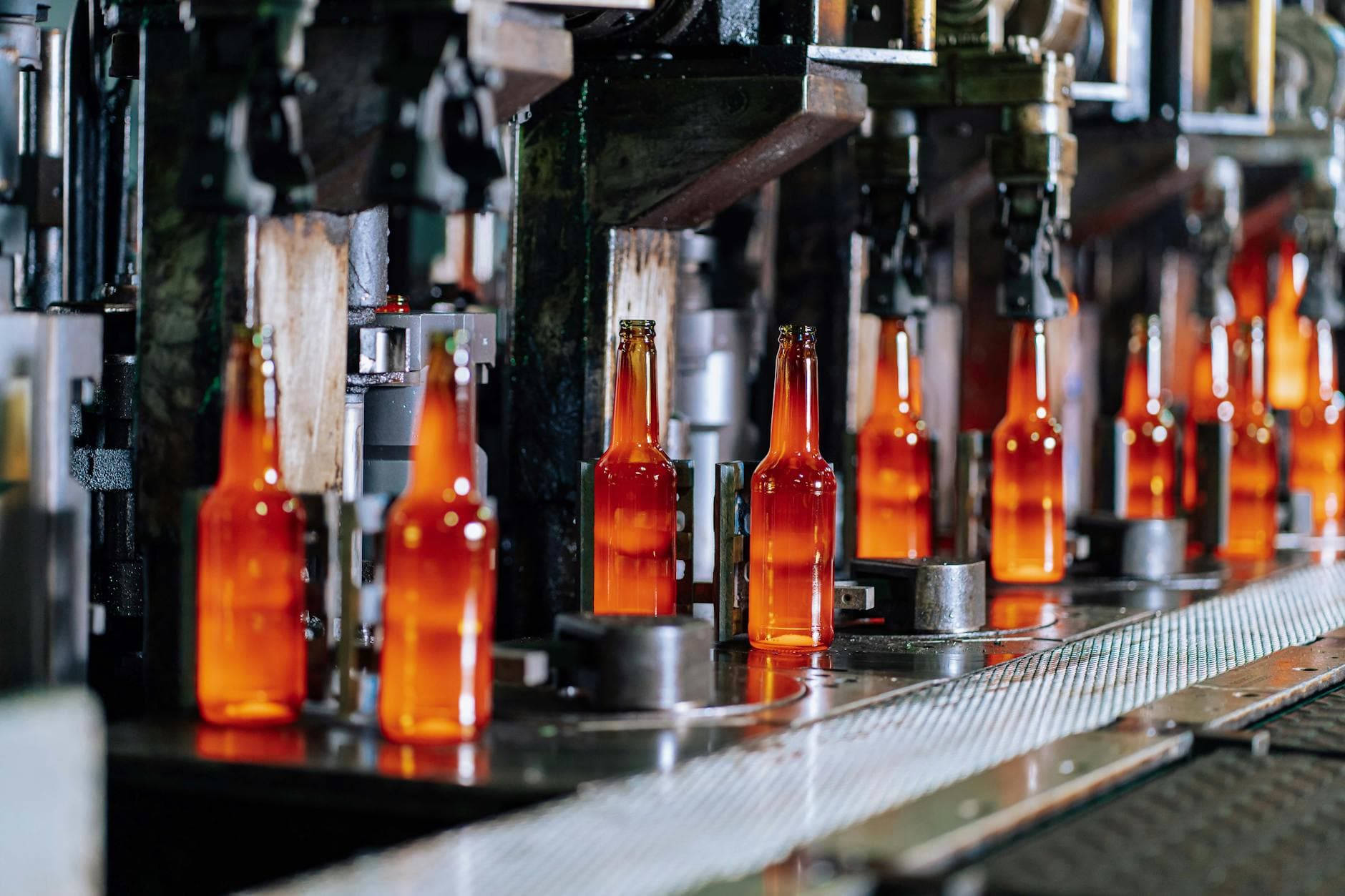
Track costs at individual job, project, or customer levels with real-time visibility into material consumption, labor hours, equipment usage, and overhead allocation. Our ERP systems capture costs as they occur rather than through month-end accounting adjustments, enabling project managers to identify problems while corrective action is still possible. We implement flexible cost allocation methods that reflect how your business actually operates—whether that's activity-based costing, rate-based overhead allocation, or custom methodologies unique to your operation. A contract manufacturer in the Quad Cities uses our job costing system to analyze profitability by customer, product line, and production method, identifying that 23% of their revenue actually generated negative margins after fully-loaded cost allocation.

Build quality control, inspection workflows, and compliance documentation directly into production and distribution processes rather than managing them through separate systems. Our ERP solutions capture inspection results, non-conformance reports, corrective actions, and supplier quality metrics with full traceability from raw material receipt through final delivery. We implement statistical process control, certificate of analysis generation, and automated compliance reporting for ISO, FDA, and industry-specific standards. Illinois manufacturers serving regulated industries use these capabilities to reduce quality documentation time by 40-60% while improving audit readiness and customer confidence.
Provide customers with real-time access to order status, shipping information, inventory availability, and historical purchasing data through branded web portals that integrate directly with your ERP system. Our portal solutions support customer-specific pricing, contract terms, and approval workflows while maintaining data security and access controls. We've implemented portals handling everything from simple order entry to complex configure-price-quote scenarios where customers build custom products from available options. Distribution companies report 30-50% reduction in customer service calls and 25-40% improvement in order accuracy when customers enter their own orders with immediate validation against inventory and credit limits.
Synchronize operational data with accounting systems through robust integrations that maintain financial accuracy while extending capabilities beyond standard accounting software. Our approach, demonstrated in our <a href='/case-studies/lakeshore-quickbooks'>QuickBooks Bi-Directional Sync</a> implementation, maintains accounting system integrity as the financial system of record while the custom ERP system manages complex operational requirements. We handle multi-entity accounting for Illinois companies with multiple legal entities, automate revenue recognition for long-term projects, and provide job costing detail that exceeds what financial systems provide. These integrations eliminate duplicate data entry, reduce month-end closing time by 3-7 days, and provide real-time financial visibility to operations teams.
Track purchase orders, supplier performance, incoming inspections, and vendor relationships with complete visibility into your supply chain. Our ERP systems handle complex procurement scenarios including blanket orders with scheduled releases, multi-currency international purchasing, and vendor consignment arrangements. We integrate with supplier EDI systems, automate three-way matching of purchase orders against receipts and invoices, and provide analytics on supplier lead times, quality metrics, and pricing trends. Illinois manufacturers using these capabilities report 15-25% reduction in procurement costs and 30-45% improvement in on-time material availability.
Transform operational data into actionable insights through embedded analytics, custom dashboards, and automated reporting that answers specific questions about your Illinois operation. Rather than generic BI tools with overwhelming options, we build focused analytical capabilities that operations managers, production supervisors, and executives actually use daily. Our systems provide real-time visibility into KPIs like equipment utilization, inventory turns, on-time delivery, and cost variances with drill-down capability to transaction details. We implement predictive analytics for demand forecasting, capacity planning, and maintenance scheduling that help Illinois manufacturers move from reactive to proactive operations management.
It saved me $150,000 last year to get the exact $50,000 I needed. They constantly find elegant solutions to your problems.
Replace fragmented software systems and spreadsheets with unified data that gives every department visibility into current operations, inventory status, and customer commitments.
Automate information flow between processes so data enters the system once at the source and propagates automatically to all dependent systems and reports.
Provide production and logistics teams with accurate, real-time information about priorities, material availability, and customer expectations that enables reliable promise dates and consistent delivery.
Handle growing transaction volumes, additional product lines, and new facility locations through system automation rather than linear headcount growth in administrative functions.
Preserve and amplify the operational practices that differentiate your Illinois company rather than forcing adoption of generic industry-standard processes from packaged software.
Provide managers at all levels with accurate, timely information about costs, productivity, and performance trends that enables proactive problem-solving rather than reactive crisis management.
We begin with comprehensive discovery at your Illinois facilities, documenting current workflows, pain points, and operational requirements through interviews with staff at all levels. This assessment identifies system integration points, data migration requirements, and regulatory compliance needs specific to your industry. The deliverable is a detailed requirements document with prioritized functionality and preliminary architecture recommendations that becomes the foundation for development planning.
With requirements documented, we design database schema, system architecture, and integration approach tailored to your operational complexity and growth plans. This phase includes technology stack selection, security architecture, hosting strategy, and scalability planning. Illinois manufacturers receive detailed architecture documentation including entity-relationship diagrams, data flow models, and integration specifications that IT staff can review and validate before development begins.
Development proceeds in two-week sprints with working software demonstrations every 30 days so you see progress and provide feedback continuously. We typically develop core modules first—inventory management, production scheduling, or order processing—proving functionality before expanding to additional areas. This iterative approach allows course corrections based on user feedback and ensures the system matches actual operational requirements rather than theoretical specifications.
Comprehensive testing includes functionality verification, integration testing with existing systems, performance validation under production data volumes, and user acceptance testing with your Illinois team. Parallel to testing, we execute data migration from legacy systems with validation at every step. User training begins with test data and progresses to actual operational scenarios, with role-specific sessions ensuring each user understands functionality relevant to their responsibilities.
Rather than risky big-bang implementations, we deploy modules incrementally—often starting with a single department, facility, or product line to prove functionality before company-wide rollout. Initial deployment includes intensive on-site support, immediate bug resolution, and workflow refinement based on actual usage. The first 90 days focus on optimization, performance tuning, and enhancement of features as users discover opportunities for improvement.
Final knowledge transfer includes complete source code delivery, architecture documentation, database schema documentation, and administrative training for your technical staff. We document all custom business logic, integration mechanisms, and maintenance procedures so your Illinois team can confidently manage the system. Most clients maintain ongoing relationships for strategic enhancements, capacity planning, and optimization as their operations evolve, but you control the relationship rather than being locked into mandatory maintenance contracts.
Illinois ranks as the fifth-largest manufacturing state by output and maintains the third-largest manufacturing workforce in the nation, creating unique ERP requirements for companies competing in diverse industries. The state's concentration of food processing, machinery manufacturing, chemical production, and fabricated metal products demands ERP systems capable of handling industry-specific compliance, quality management, and traceability requirements. Our custom ERP development serves manufacturers throughout Illinois—from Chicago's industrial corridors to Rockford's aerospace cluster to the agricultural processing centers in central Illinois.
Chicago's position as the nation's rail hub and third-largest logistics market creates complex distribution challenges that standard warehouse management systems struggle to address. Companies managing inventory across multiple Chicagoland facilities while coordinating deliveries throughout the metropolitan area need ERP systems with sophisticated inventory allocation, route optimization, and real-time visibility capabilities. We've developed distribution ERP solutions for Illinois companies handling everything from same-day delivery to bulk commodity distribution, with functionality tailored to specific operational requirements rather than generic warehouse management features.
The state's diverse manufacturing base spans traditional industries like steel processing and farm equipment alongside growing sectors including pharmaceutical manufacturing, medical devices, and precision machining for aerospace applications. This industrial diversity means Illinois manufacturers face vastly different regulatory requirements, quality standards, and operational workflows that make one-size-fits-all ERP packages ineffective. A pharmaceutical contract manufacturer in Lake County operates under completely different constraints than a structural steel fabricator in Danville, requiring custom ERP systems designed specifically for each industry's requirements.
Illinois maintains strong manufacturing presence in secondary markets beyond Chicago, with significant industrial concentrations in Rockford, Peoria, the Quad Cities, Springfield, and Champaign-Urbana. These regional manufacturing centers often struggle with ERP vendor support, implementation talent availability, and integration expertise compared to major metropolitan areas. Our remote-first development approach provides Illinois manufacturers access to senior technical expertise regardless of location, with on-site presence when required for system deployments or production floor integration projects.
The state's aging manufacturing infrastructure presents both challenges and opportunities for ERP development. Many Illinois manufacturers still operate equipment and control systems from the 1980s and 1990s that lack modern connectivity but remain productive and fully depreciated. Our ERP systems integrate with these legacy assets through custom interfaces, serial communication protocols, and intermediate data collection hardware that preserves equipment investment while enabling modern visibility and control. We've connected ERP systems to everything from DEC PDP-11 controllers to legacy IBM AS/400 systems running RPG applications.
Illinois supply chains extend globally, with manufacturers sourcing components from international suppliers while serving customers worldwide. Custom ERP systems must handle multi-currency transactions, international shipping documentation, customs compliance, and global inventory visibility across time zones and languages. We implement ERP capabilities supporting letters of credit, duty drawback programs, and free trade agreement documentation that Illinois exporters and importers require for efficient international operations. A Naperville-based electronics manufacturer uses our ERP system to manage component sourcing from seven countries while tracking compliance with International Traffic in Arms Regulations (ITAR) for defense-related products.
The concentration of third-party logistics providers, contract manufacturers, and specialized service providers throughout Illinois creates partnership ecosystems that ERP systems must support. Companies increasingly rely on external partners for warehousing, specialized processing, packaging, or final assembly, requiring ERP systems with robust vendor portal capabilities and extended supply chain visibility. We develop custom integrations with 3PL systems, co-packers, and contract manufacturers that provide Illinois companies real-time visibility into inventory and production status at external facilities as if they were internal operations.
Illinois workforce dynamics—including an aging skilled workforce, apprenticeship programs through community colleges, and increasing automation—require ERP systems that support knowledge transfer and reduce dependency on individual expertise. We design user interfaces and workflows that make institutional knowledge explicit rather than leaving it trapped in employees' heads, implement guided workflows that train new staff while maintaining quality standards, and provide documentation that helps Illinois manufacturers maintain operational continuity during workforce transitions.
FreedomDev is based in West Michigan and works with clients remotely across the United States.
Schedule a direct consultation with one of our senior architects.
We've developed custom ERP systems for manufacturers and distributors since 2003, accumulating deep expertise in inventory management, production scheduling, job costing, and supply chain coordination. Our experience spans diverse industries including metal fabrication, food processing, contract manufacturing, distribution, and specialized industrial services. This longevity means we've seen ERP projects succeed and fail, learning lessons that protect Illinois manufacturers from expensive mistakes.
Our development team includes engineers who understand manufacturing operations, not just software developers who write code. We comprehend concepts like bill-of-materials explosions, capacity planning, shop floor control, and inventory valuation methods because we've implemented them repeatedly. This domain knowledge means requirements discussions focus on operational challenges rather than explaining basic manufacturing concepts, and the resulting systems reflect how production actually operates rather than theoretical textbook processes.
Illinois manufacturers operate complex technology environments including legacy IBM i systems, modern CNC equipment, accounting software, customer EDI requirements, and supplier systems. Our <a href='/services/systems-integration'>systems integration</a> expertise spans these diverse platforms with demonstrated capability connecting disparate systems. The <a href='/case-studies/great-lakes-fleet'>Real-Time Fleet Management Platform</a> and <a href='/case-studies/lakeshore-quickbooks'>QuickBooks Bi-Directional Sync</a> cases studies showcase our integration approach with real examples and measurable results.
You receive complete source code, database schema, architecture documentation, and administrative rights to your custom ERP system—no proprietary frameworks or licensing restrictions. This ownership means you can modify the system through internal resources, hire any development firm for enhancements, or maintain the relationship with us on your terms. Illinois manufacturers avoid vendor lock-in and maintain complete control over systems critical to their operations.
Our <a href='/case-studies'>case studies</a> document specific results including percentage improvements in on-time delivery, inventory reduction, administrative efficiency, and operational visibility. We measure success by operational improvements and financial returns rather than software features implemented. This results orientation means development priorities focus on highest-impact capabilities first, ensuring Illinois manufacturers see ROI quickly rather than waiting for complete system deployment.
Explore all our software services in Illinois
Let’s build a sensible software solution for your Illinois business.