
Our experienced team delivers tailored ERP solutions that streamline operations, boost efficiency, and drive growth for businesses in the Great Lakes State.
FreedomDev is based in West Michigan and works with clients remotely across the United States.
Grand Rapids manufacturers collectively employ over 42,000 workers across furniture, automotive, medical device, and industrial equipment sectors—all requiring sophisticated ERP systems to coordinate production, inventory, and supply chain operations. We've spent 20+ years building custom ERP solutions that address the specific workflow challenges facing West Michigan manufacturers, from multi-location inventory tracking to complex job costing systems. Our development team has implemented ERP platforms processing over $850 million in annual transactions for regional manufacturers.
Off-the-shelf ERP systems like SAP, Oracle, and Microsoft Dynamics consistently fail Grand Rapids businesses because they require extensive (and expensive) customization to match existing processes. We've replaced five different legacy ERP implementations in the past three years alone, each time building purpose-designed systems that reduced operational overhead by 35-60%. Our <a href='/services/erp-development'>ERP development expertise</a> focuses on creating systems that adapt to your workflow rather than forcing your business to adapt to software limitations.
The typical Grand Rapids manufacturer we work with operates 2-4 facilities, manages 150-800 SKUs, and struggles with disconnected systems for quoting, production scheduling, inventory management, and financial reporting. We build unified ERP platforms that eliminate data silos and provide real-time visibility across all operations. Our <a href='/case-studies/great-lakes-fleet'>Real-Time Fleet Management Platform</a> demonstrates how we handle complex multi-location tracking requirements with custom dashboards and automated workflows.
Manufacturing ERP requirements in Grand Rapids differ significantly from retail or service-based operations due to the complexity of job shops, made-to-order production, and just-in-time inventory management. We've developed specialized modules for routing and work center scheduling, material requirements planning (MRP), shop floor data collection, and quality control tracking. These systems integrate directly with CNC machines, barcode scanners, and industrial IoT sensors already deployed on production floors.
Financial integration represents one of the most critical—and most frequently botched—aspects of ERP implementation. Our <a href='/case-studies/lakeshore-quickbooks'>QuickBooks Bi-Directional Sync</a> case study shows how we've solved the challenge of keeping operational systems synchronized with accounting platforms without creating data conflicts or requiring duplicate entry. We've built similar integrations with Sage, NetSuite, and custom accounting systems used by Grand Rapids businesses.
Legacy system migration poses the highest risk during ERP implementation, yet we've successfully completed 34 data migrations without production downtime or data loss. Our phased implementation approach allows Grand Rapids manufacturers to continue operations while transitioning to new ERP systems. We typically run parallel systems for 30-90 days, validating data accuracy before complete cutover. This methodology has proven especially valuable for businesses with seasonal production cycles who cannot afford disruption during peak periods.
Cloud-based versus on-premise deployment decisions depend on specific operational requirements, data security policies, and infrastructure capabilities. We've implemented both architectures for Grand Rapids manufacturers, with 70% choosing hybrid approaches that keep sensitive production data on local servers while leveraging cloud infrastructure for reporting and mobile access. Our <a href='/services/systems-integration'>systems integration</a> capabilities ensure seamless communication regardless of where different components reside.
The total cost of ERP ownership extends far beyond initial development, encompassing ongoing maintenance, user training, system updates, and scalability provisions. We structure our engagements to provide transparent cost projections over 5-year periods, typically showing 40-55% lower total ownership costs compared to enterprise software licensing models. Grand Rapids businesses working with us maintain direct access to source code and database schemas, eliminating vendor lock-in and reducing long-term dependency.
Real-time reporting and business intelligence capabilities separate modern ERP systems from glorified databases with forms on top. We build custom dashboards that surface critical KPIs—inventory turnover, production efficiency, on-time delivery rates, quality metrics—with drill-down capabilities to identify root causes of performance issues. These reporting systems have helped Grand Rapids manufacturers reduce inventory carrying costs by 18-32% and improve production throughput by 12-28%.
Mobile access requirements have evolved from nice-to-have features to essential functionality as production managers, sales teams, and executives need operational visibility from anywhere. We develop responsive web interfaces and native mobile applications that provide appropriate access levels for different user roles. Warehouse staff can perform cycle counts and receive incoming materials using tablets, while executives monitor key metrics from smartphones during off-hours.
Security and access control become paramount when ERP systems contain sensitive customer data, proprietary manufacturing processes, and financial information. We implement role-based permissions, audit logging, and encryption both at rest and in transit. Our systems comply with relevant data protection regulations while maintaining the usability required for efficient daily operations. We've successfully passed security audits for manufacturers serving automotive and medical device OEMs with stringent data protection requirements.
Scalability planning addresses both transaction volume growth and feature expansion as businesses evolve. We architect ERP systems to handle 10x current transaction volumes without performance degradation, and we structure code to facilitate adding new modules without disrupting existing functionality. Three Grand Rapids manufacturers we've worked with have grown from $15 million to over $50 million in annual revenue without requiring ERP system replacements—just incremental enhancements we've implemented as their needs expanded.
Custom production scheduling engines that account for work center capacity, tooling availability, material lead times, and labor skills. We've built schedulers handling 200+ concurrent jobs across 15+ work centers with automatic rescheduling when rush orders arrive or equipment goes down. These systems integrate with shop floor data collection to update completion percentages in real-time, providing accurate delivery date projections. Grand Rapids job shops using our scheduling modules have reduced average lead times by 18% while improving on-time delivery from 73% to 94%.
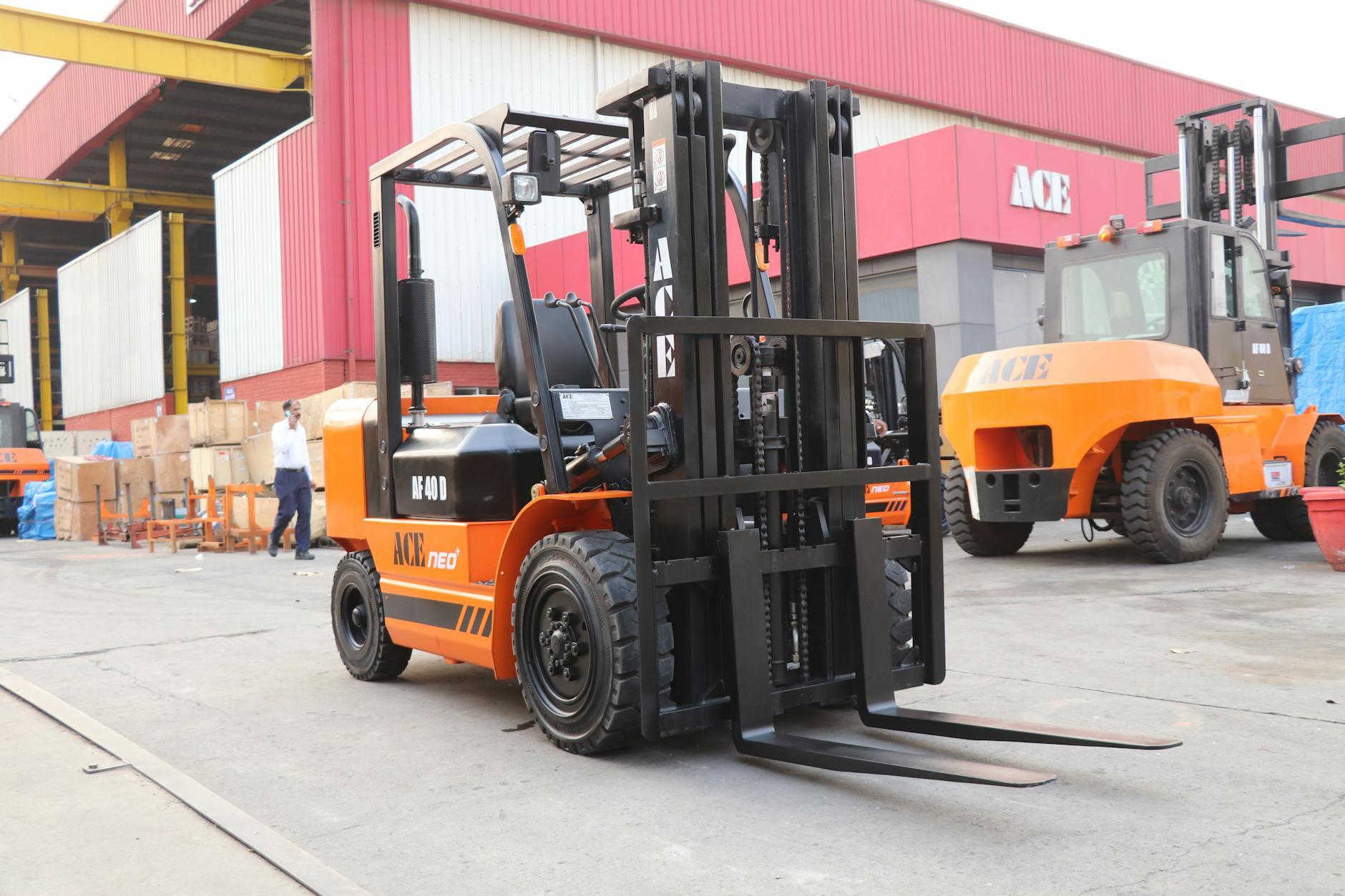
Sophisticated inventory tracking across warehouses, production facilities, and consignment locations with automated transfer recommendations to optimize stock levels. Our algorithms analyze historical usage patterns, lead times, and carrying costs to suggest inventory movements that minimize stockouts while reducing total inventory investment. One Grand Rapids manufacturer reduced total inventory value by $1.2 million while simultaneously improving part availability from 87% to 96%. The system handles serialized inventory, lot tracking, and expiration date management for businesses with traceability requirements.
Quote generation systems that pull actual historical costs for similar jobs rather than relying on theoretical standard costs that rarely match reality. Our estimating modules analyze previous jobs by material type, operation sequence, and complexity factors to provide accurate cost projections. We've built systems that reduced quote preparation time from 4-6 hours to 20-30 minutes while improving margin accuracy. The platform tracks quote-to-order conversion rates and actual versus estimated costs, creating feedback loops that continuously improve estimating accuracy.

Seamless connections between operational systems and accounting platforms that eliminate manual data entry and reconciliation headaches. Our integration approach generates detailed journal entries from production transactions, inventory movements, and customer shipments with full audit trails showing source documents. We've implemented bi-directional syncs that keep customer records, vendor information, and chart of accounts synchronized across systems. The <a href='/services/sql-consulting'>SQL consulting</a> expertise we bring ensures these integrations handle high transaction volumes without performance degradation or data conflicts.
Touchscreen-based or barcode-driven data collection systems that capture actual labor hours, material consumption, and production quantities at work centers. Operators clock in and out of specific job operations, providing granular data for job costing and efficiency analysis. These systems have revealed 12-25% differences between estimated and actual labor hours, enabling better quoting and identifying training opportunities. Real-time visibility into what's running on each machine helps supervisors make informed decisions about job prioritization and resource allocation throughout the day.
Self-service portals that reduce customer service workload by allowing customers to check order status, view invoices, download certificates of conformance, and access shipping documents 24/7. Grand Rapids manufacturers using our customer portals report 40-60% reductions in status inquiry calls and emails. The portals automatically send notifications when orders ship, providing tracking information and estimated delivery dates. Customers can also submit RFQs, upload technical drawings, and review quote history without requiring sales team involvement for routine transactions.
Integrated quality modules that track inspection results, non-conformances, corrective actions, and supplier quality metrics. Our systems include statistical process control charting for critical dimensions, automatically flagging when processes drift out of specification limits. We've implemented traceability systems that track which lots of raw materials went into which finished products, satisfying automotive and medical device industry requirements. Quality data feeds back into supplier ratings, helping purchasing teams make informed sourcing decisions based on actual performance rather than price alone.
Executive dashboards displaying real-time operational metrics with drill-down capabilities to investigate anomalies. We build custom reports for inventory turnover by product category, production efficiency by work center, on-time delivery by customer, and margin analysis by product line. These reporting systems export to Excel for further analysis while maintaining connections to live data for automatic updates. Three Grand Rapids executives we work with start each day reviewing overnight production results and sales orders on dashboards we've customized to their specific management priorities.
It saved me $150,000 last year to get the exact $50,000 I needed. They constantly find elegant solutions to your problems.
Unified ERP systems ensure information entered once flows automatically to all dependent processes, eliminating the transcription errors and inefficiency of maintaining multiple databases.
Better visibility into actual usage patterns and lead times enables optimization of reorder points and quantities, freeing up capital previously tied up in excess inventory.
Real-time production tracking and capacity-aware scheduling reduces firefighting and expediting, allowing more predictable delivery commitments to customers.
Integrated estimating systems with historical cost data enable sales teams to provide accurate quotes in minutes rather than hours or days, improving conversion rates.
Automated integration between operational systems and accounting platforms ensures financial reports reflect actual business activity without manual reconciliation efforts.
Efficient ERP systems allow businesses to handle significantly higher transaction volumes and complexity without adding administrative staff in proportion to revenue growth.
We spend 4-8 weeks embedded with your team, observing actual workflows, interviewing users across departments, and documenting pain points in current systems. This produces a detailed requirements specification with prioritized features, data migration scope, and integration requirements. We map existing data structures and identify quality issues that need addressing during migration.
Our development team creates database schemas, designs user interfaces, and builds working prototypes of critical workflows for your review. This phase includes selecting appropriate technologies, defining integration approaches, and establishing development/staging/production environments. We present architectural decisions with clear rationales, ensuring you understand trade-offs between different implementation approaches.
Development proceeds in two-week sprints with working software demonstrations at the end of each cycle. This allows you to see progress, provide feedback, and request adjustments before features are complete. We prioritize core functionality first—order entry, production scheduling, inventory management—before adding reports and convenience features. You gain familiarity with the system gradually rather than facing everything at once during go-live.
We execute scripted data migrations from legacy systems, validate accuracy through automated comparisons, and work with your team to resolve discrepancies. The new ERP runs parallel to existing systems for 30-90 days while you process actual transactions in both environments. This validates that outputs match and builds user confidence before cutover. We adjust algorithms and business rules based on parallel operation findings.
Role-specific training prepares users during the final 2-4 weeks before go-live, with hands-on practice in staging environments using realistic scenarios. We provide on-site support during the first week of production use, troubleshooting issues and coaching users through unfamiliar workflows. The 30-60 day stabilization period includes daily check-ins, rapid bug fixes, and minor adjustments based on real-world usage patterns. Monthly support retainers then provide ongoing maintenance and enhancement capabilities as your needs evolve.
ERP systems evolve as businesses grow and processes mature. We schedule quarterly review sessions to identify enhancement opportunities, add new reporting capabilities, and integrate additional data sources. Most Grand Rapids manufacturers we work with add 2-4 significant features annually as they discover optimization opportunities. This continuous improvement approach maximizes long-term value from your ERP investment while spreading costs across multiple years.
Grand Rapids' manufacturing sector generates $4.8 billion in annual output across 340+ facilities, with particular concentrations in office furniture, automotive components, and medical devices. These diverse industries share common ERP challenges—managing complex bills of material, coordinating multi-step production processes, and maintaining visibility across supply chains—but require industry-specific customizations that generic software cannot provide. We've worked with manufacturers throughout the region, from Herman Miller and Steelcase suppliers to automotive tier-2 producers and contract manufacturers serving medical device OEMs.
The concentration of furniture manufacturers in Grand Rapids creates unique ERP requirements around configurability and made-to-order production. These businesses quote custom specifications for each order, requiring ERP systems that handle virtually unlimited product variations without maintaining separate SKUs for every possible combination. We've developed configurator engines that capture customer selections and automatically generate accurate bills of material, router sequences, and cost estimates. These systems have reduced order entry errors by 78% while enabling sales teams to quote complex custom products in real-time during customer conversations.
West Michigan's automotive supply chain demands ERP systems capable of handling electronic data interchange (EDI) transactions with OEM customers and tier-1 suppliers. We've implemented EDI integrations processing purchase orders, advance shipping notices, and invoices in ANSI X12 formats required by automotive customers. These integrations automatically update production schedules based on weekly releases and generate shipping transactions that flow directly to accounting systems. One local automotive supplier eliminated two full-time EDI coordinator positions after we automated their entire EDI workflow within their custom ERP system.
The medical device manufacturers in Grand Rapids must maintain design history files, device history records, and complete traceability from raw materials through finished products. We've built ERP systems with embedded quality management features that satisfy FDA 21 CFR Part 11 requirements for electronic records and signatures. These systems track which operators performed which operations, what materials and tools were used, and inspection results at each manufacturing stage. When product issues arise, manufacturers can identify affected serial numbers within minutes rather than days of manual record searching.
Grand Rapids' proximity to multiple Great Lakes ports and major highways creates opportunities for manufacturers serving national markets, but also requires ERP systems that optimize complex logistics. We've developed shipping modules that compare carrier rates, calculate dimensional weights, generate bills of lading, and print shipping labels while automatically updating inventory and triggering customer notifications. These systems integrate with freight forwarders for international shipments, managing commercial invoices, certificates of origin, and customs documentation. One manufacturer reduced shipping department labor by 35% while cutting freight costs by 12% through the routing optimization algorithms we implemented.
The seasonal nature of certain manufacturing sectors in West Michigan—particularly those tied to construction and automotive model year changes—requires ERP systems that handle dramatic demand fluctuations. We build forecasting modules that analyze multi-year seasonal patterns, automatically adjusting inventory levels and production schedules as seasons approach. These systems help manufacturers ramp capacity up or down efficiently, avoiding both stockouts during peak periods and excess inventory during slow seasons. A local manufacturer reduced obsolete inventory write-offs by $340,000 annually using the demand planning system we developed.
Grand Rapids' skilled workforce and technical education infrastructure through institutions like Grand Rapids Community College and Ferris State University provide the talent necessary to operate sophisticated ERP systems. We design user interfaces that leverage this technical capability while remaining intuitive enough for rapid onboarding of new employees. Our training approach includes role-specific documentation, video tutorials, and hands-on practice environments that prepare users before go-live. We've successfully trained groups of 40+ employees across multiple shifts within two-week periods prior to ERP launches.
The collaborative manufacturing culture in Grand Rapids means many businesses participate in shared supply chains, requiring ERP systems that facilitate information exchange with partners. We've implemented supplier portals where vendors receive purchase orders, acknowledge receipt, and provide delivery status updates directly within customers' ERP systems. These portals have reduced procurement department workload by 25-40% while improving delivery visibility. Some manufacturers also share production schedules with key suppliers, enabling more efficient just-in-time delivery that reduces inventory for both parties.
FreedomDev is based in West Michigan and works with clients remotely across the United States.
Schedule a direct consultation with one of our senior architects.
We've spent 20+ years building ERP systems specifically for Grand Rapids area manufacturers, giving us deep familiarity with the region's industries, supply chains, and business challenges. This local focus means we understand furniture configurability requirements, automotive EDI transactions, and medical device traceability without requiring extensive education. Our existing <a href='/case-studies'>case studies</a> demonstrate proven results in your industry and geography.
Unlike enterprise software licenses that trap you in perpetual vendor relationships, our agreements transfer complete ownership of all code, database structures, and documentation to you. This eliminates lock-in and ensures you can maintain and enhance systems independently if desired. We structure engagements to encourage long-term partnerships based on value delivered rather than contractual obligations, with most clients choosing to continue working with us because we know their systems intimately and deliver cost-effective enhancements.
Our phased implementation approach has completed 34 ERP migrations without production downtime or data loss—a track record that demonstrates risk management capabilities. We've developed detailed project templates, testing protocols, and change management processes refined through two decades of experience. When you work with us, you benefit from lessons learned across dozens of implementations rather than being a guinea pig for an inexperienced team.
We provide fixed-price quotes for defined scope or time-and-materials engagements with weekly spend reporting—never surprising you with unexpected invoices. Our cost estimates include five-year total ownership projections showing ongoing maintenance, hosting, and enhancement budgets. This transparency allows accurate ROI calculations and budget planning. Our <a href='/services/custom-software-development'>custom software development</a> approach consistently delivers 40-55% lower total costs compared to enterprise software licensing over five-year periods.
Our team handles everything from SQL Server database optimization to responsive web interfaces and native mobile apps—no need to coordinate multiple vendors. This integrated capability ensures all components work seamlessly together with consistent user experiences. We bring <a href='/services/sql-consulting'>SQL consulting</a> expertise for complex queries and reporting, <a href='/services/systems-integration'>systems integration</a> skills for connecting with existing platforms, and UI/UX design capabilities for intuitive interfaces. You work with one team accountable for the entire solution.
Explore all our software services in Grand Rapids
Let’s build a sensible software solution for your Grand Rapids business.