
FreedomDev delivers tailored ERP development in Detroit, empowering local industries from automotive to healthcare with scalable, future-ready solutions.
FreedomDev is based in West Michigan and works with clients remotely across the United States.
Detroit's manufacturing sector generates over $47 billion in annual output, with automotive and industrial companies managing complex supply chains across hundreds of suppliers and production facilities. Legacy ERP systems running on outdated AS/400 platforms or fragmented Excel-based workflows create data silos that cost Detroit manufacturers an estimated 15-20% in operational efficiency. We've built ERP solutions for manufacturers in Southeast Michigan that reduced inventory carrying costs by 34% and cut production scheduling time from 6 hours to 22 minutes through automated material requirements planning.
Modern ERP development requires deep integration with manufacturing execution systems (MES), quality management software, and supplier portals that automotive Tier 1 and Tier 2 suppliers depend on daily. Our [custom software development](/services/custom-software-development) team has replaced SAP modules with custom-built solutions that reduced per-user licensing costs by $1,200 annually while adding industry-specific functionality that off-the-shelf systems couldn't support. Detroit automotive suppliers need real-time visibility into production status, inventory levels, and customer order fulfillment that generic ERP platforms struggle to deliver without expensive customization.
We specialize in building ERP systems that handle the unique demands of Detroit's industrial landscape: just-in-time inventory management for automotive production, multi-site manufacturing coordination, and compliance tracking for IATF 16949 and ISO standards. One Detroit-area metal fabricator we worked with was managing 14 separate systems for quoting, scheduling, inventory, shipping, and accounting. Our integrated ERP solution consolidated these into a single platform that reduced order processing time from 4.5 days to 11 hours while eliminating 92% of manual data entry errors.
Detroit manufacturers face specific challenges around EDI integration with major automotive OEMs, traceability requirements for serialized components, and lot tracking for materials across multiple production runs. Our [systems integration](/services/systems-integration) approach connects new ERP systems with existing machinery control systems, barcode scanners, and automated inspection equipment already installed on production floors. We've built EDI integrations processing 8,500+ daily transactions with Ford, GM, and Stellantis supplier portals, ensuring ASN accuracy rates above 99.7%.
The difference between successful and failed ERP implementations often comes down to data migration strategy and user adoption. We've migrated 15+ years of historical production data, customer orders, and supplier information from legacy systems while maintaining data integrity and business continuity. Our phased rollout approach allowed one Detroit manufacturer to continue operations during implementation, migrating one production line at a time over six weeks instead of a risky "big bang" cutover that would have halted production.
Detroit's automotive supply chain requires ERP systems that can handle complex pricing structures, contract manufacturing arrangements, and multi-tier supplier relationships. We built a custom pricing engine for a Detroit Tier 1 supplier that automated quote generation for 40,000+ part configurations, reducing quoting time from 3 days to 45 minutes while improving margin accuracy by 8.3%. The system integrated with customer CAD files, material cost indexes, and machine time calculations to generate competitive quotes automatically.
Our ERP solutions include mobile-first interfaces for warehouse workers, production supervisors, and delivery drivers who need real-time system access from the shop floor. A Detroit logistics company we worked with deployed tablet-based picking interfaces that reduced warehouse order fulfillment errors by 76% compared to their previous paper-based system. The mobile application synchronized with the main ERP database in real-time, updating inventory levels and triggering reorder notifications when stock fell below safety thresholds.
Manufacturing analytics and reporting capabilities separate mediocre ERP systems from platforms that drive actual business improvement. We build custom dashboards showing real-time OEE (Overall Equipment Effectiveness), scrap rates, on-time delivery performance, and cash flow projections based on current order backlog. One Detroit manufacturer discovered through their new analytics dashboard that 23% of their production delays stemmed from a single supplier's inconsistent delivery schedule, allowing them to address the root cause and improve on-time completion rates by 31%.
The ongoing operational costs of ERP systems often exceed initial development expenses over a 5-year period. Our clients typically spend 40-60% less on annual maintenance compared to enterprise platforms like SAP or Oracle, because our [erp development expertise](/services/erp-development) focuses on clean, maintainable code without the bloat of features most manufacturers never use. We provide dedicated Michigan-based support teams who understand automotive manufacturing terminology and can troubleshoot issues without three-tier escalation processes that waste hours of production time.
Detroit manufacturers increasingly need ERP systems that can scale from 15 users to 150+ as they grow, add production facilities, or acquire competitors. We architect database structures and application layers that support this growth without expensive re-platforming projects. A Detroit-area industrial equipment manufacturer we've worked with for six years has grown from $12 million to $67 million in annual revenue on the same core ERP platform, adding modules for advanced scheduling, quality management, and customer portals as their needs evolved.
Integration with financial systems represents a critical requirement for Detroit manufacturers who need accurate job costing, work-in-process valuation, and real-time profitability analysis. Our [QuickBooks Bi-Directional Sync](/case-studies/lakeshore-quickbooks) case study demonstrates how we've connected ERP systems with accounting platforms, ensuring that production costs, material usage, and labor hours flow automatically into financial statements without manual reconciliation. This integration reduced month-end close time from 8 days to 2.5 days for one automotive supplier.
The competitive advantage of custom ERP development lies in building exactly the workflow your Detroit operation needs rather than forcing your processes into a vendor's predetermined structure. We've created custom modules for tool crib management, preventive maintenance scheduling, employee skills tracking, and supplier quality rating systems that directly addressed our clients' specific operational challenges. These purpose-built solutions deliver ROI that generic ERP configurations struggle to match, often paying for themselves within 14-18 months through measurable efficiency gains.
Tell us what is happening, what systems are involved, and what you are trying to improve. We'll help determine a practical next step.
Our ERP systems include advanced production scheduling engines that account for machine capacity, tooling availability, employee skills, and material constraints. The scheduling algorithm automatically sequences jobs to minimize changeover time and maximize throughput, reducing average setup time by 40% compared to manual scheduling methods. Production supervisors can drag-and-drop jobs to adjust priorities, with the system automatically recalculating downstream impacts and material requirements. Integration with shop floor data collection systems provides real-time progress updates, allowing supervisors to identify bottlenecks before they cause delivery delays.
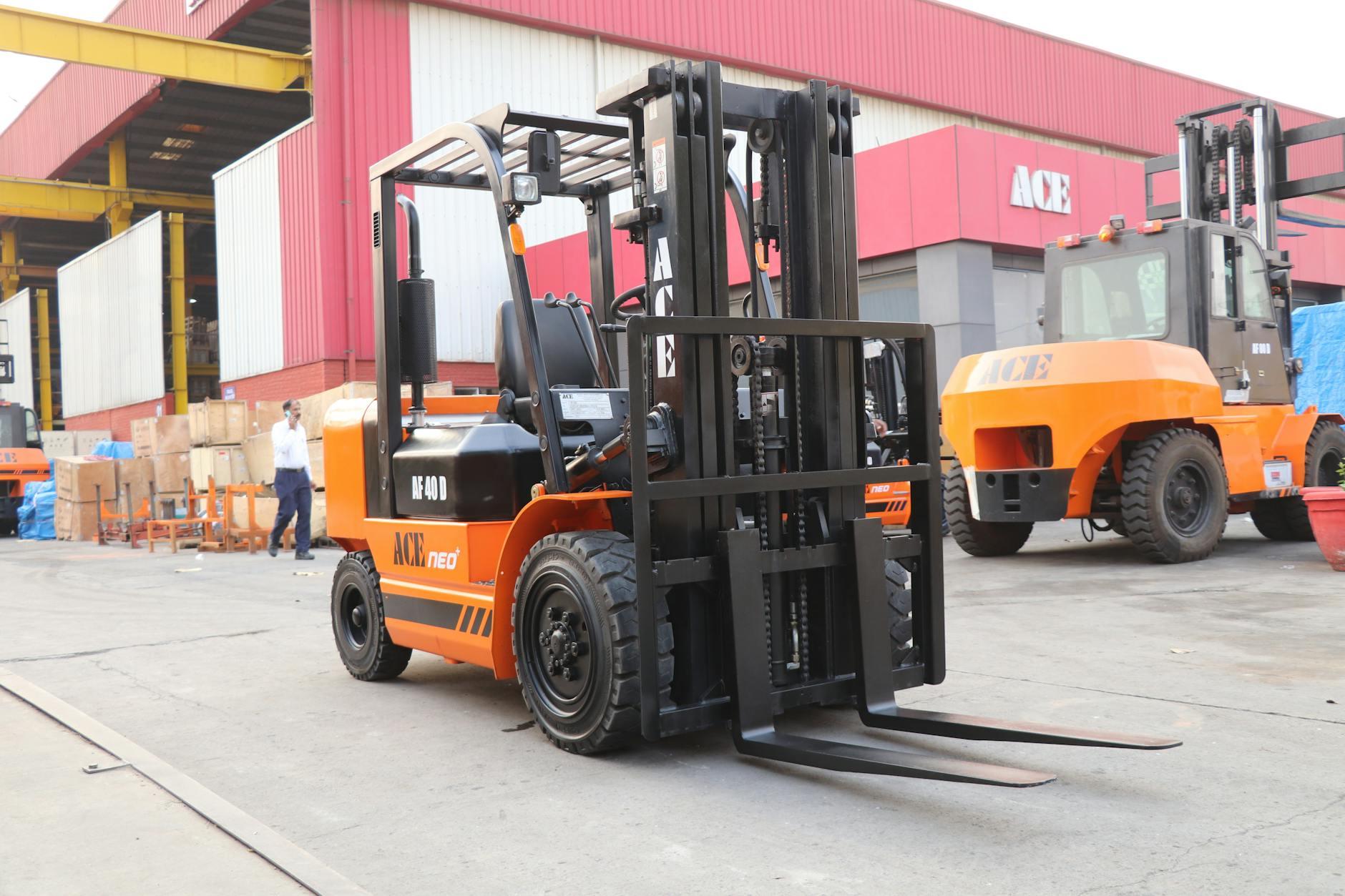
We build direct EDI connections to Ford's COVISINT, GM's Global Connect, and Stellantis supplier portals, processing 850, 856, 862, and 997 transaction sets automatically. Our EDI engine validates purchase orders against capacity constraints and material availability before sending acknowledgments, preventing over-commitment situations. Advanced Shipping Notices (ASNs) generate automatically when orders ship, including pallet-level serialization and AIAG label compliance. The system maintains complete audit trails of all EDI transactions for traceability and dispute resolution, with error handling that alerts procurement teams to discrepancies within 15 minutes.
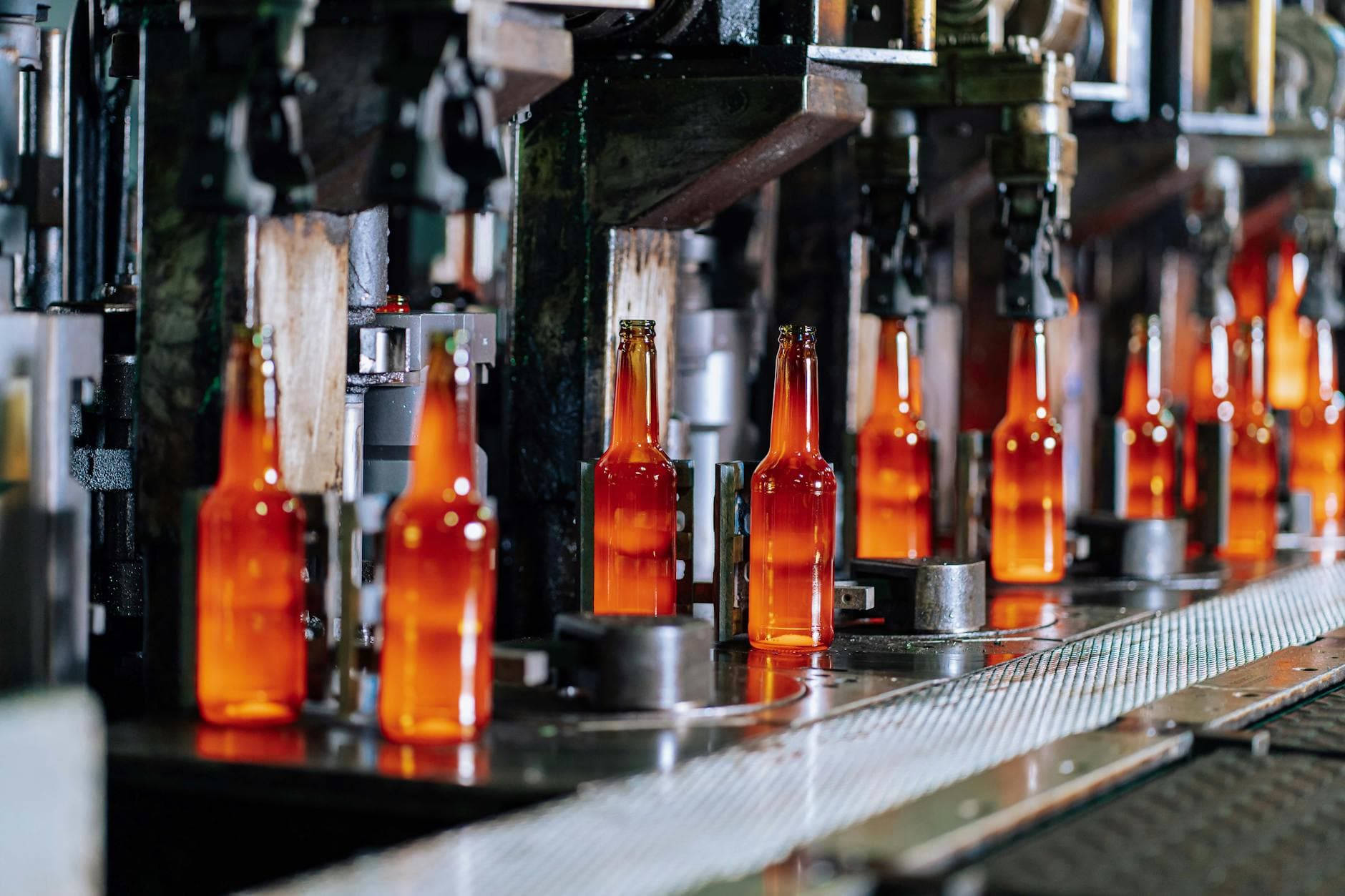
Our inventory modules track materials and finished goods across multiple warehouse locations, production floors, and consignment sites with real-time accuracy. Lot and serial number tracking ensures complete traceability from raw material receipt through final customer delivery, meeting automotive industry requirements for recall management and warranty claims. The system automatically generates transfer orders when inventory at one facility drops below safety stock while excess exists at another location. Perpetual inventory valuation using FIFO, LIFO, or weighted average methods provides accurate cost of goods sold calculations for financial reporting.

Quality control modules integrate directly with production workflows, requiring inspection sign-offs before jobs can advance to the next operation or ship to customers. Statistical Process Control (SPC) charts track critical dimensions and attributes in real-time, automatically alerting quality engineers when measurements approach control limits. Non-conformance tracking connects quality issues to specific suppliers, lots, machines, and operators, enabling root cause analysis. PPAP (Production Part Approval Process) documentation generation automates the creation of control plans, capability studies, and measurement system analysis reports required by automotive customers.
Our job costing modules capture actual labor hours, machine time, material usage, and overhead allocation for every production order and customer job. Employees clock in and out of specific jobs using barcode scanners or mobile devices, with the system automatically calculating labor costs including burden rates for benefits and overhead. Material costs update in real-time as components are issued to production, providing accurate work-in-process valuations. Variance analysis compares estimated costs to actuals, helping Detroit manufacturers identify which jobs, customers, or product lines generate the highest margins.
Web-based customer portals allow buyers to check real-time order status, view production progress, download certificates of conformance, and access shipping documents 24/7. Customers receive automated email notifications when their orders move through key milestones: materials ordered, production started, quality inspection completed, and shipment dispatched. The portal displays current inventory levels for frequently ordered items, allowing customers to place replenishment orders without phone calls or emails. Integration with our [Real-Time Fleet Management Platform](/case-studies/great-lakes-fleet) approach provides live tracking of shipments from your facility to customer docks.
Supplier portals provide vendors with visibility into upcoming material requirements, purchase orders, and quality requirements without constant email exchanges. The system automatically tracks on-time delivery rates, quality rejection rates, and pricing competitiveness, generating monthly supplier scorecards. Automated RFQ (Request for Quote) distribution sends specifications to multiple suppliers simultaneously, with responses flowing back into a comparison matrix for buyers to evaluate. Purchase order acknowledgments, ASN receipts, and invoice matching happen automatically, reducing accounts payable processing time by an average of 65%.
Bi-directional integration with QuickBooks, Sage, or custom accounting systems ensures that production costs, inventory values, and customer invoices sync automatically without manual journal entries. Material purchases flow from purchase orders to accounts payable, while customer shipments generate invoices and revenue recognition entries simultaneously. The system handles complex automotive industry billing scenarios including consignment inventory, vendor-managed inventory, and milestone-based contract manufacturing payments. Month-end closing processes that previously required 6-8 days of reconciliation now complete in less than 48 hours with automated variance reporting and account balancing.
FreedomDev brought all our separate systems into one closed-loop system. We're getting more done with less time and the same amount of people.
Accurate demand forecasting, automated reorder points, and real-time inventory visibility eliminate both stockouts and excess inventory. Detroit manufacturers typically reduce working capital tied up in inventory by $400,000-$1.2M within the first year.
Production scheduling that accounts for capacity constraints and material availability prevents over-commitment. Automated alerts notify planners of potential delays 3-5 days in advance, allowing time to expedite materials or adjust customer expectations proactively.
Integration between modules means data entered once flows automatically to all related systems. Barcode scanning, EDI automation, and API connections eliminate redundant data entry that wastes 8-12 hours per employee weekly in typical manufacturing environments.
Automated pricing engines that pull current material costs, calculate machine time requirements, and apply customer-specific contract terms generate accurate quotes in minutes. Sales teams can respond to RFQs the same day instead of waiting 2-3 days for engineering and accounting input.
Measurable improvements in inventory turns, labor productivity, on-time delivery, and reduced expediting costs typically recover the ERP development investment within 18 months. Ongoing savings of $150,000-$500,000 annually compound the value over the system's 10+ year lifespan.
Automation and self-service capabilities allow Detroit manufacturers to double or triple revenue without proportionally increasing back-office headcount. Companies processing 500 orders monthly can scale to 1,500+ orders with the same number of customer service, purchasing, and accounting personnel.
We spend 2-3 weeks on-site with your Detroit team, documenting current workflows, pain points, integration requirements, and success metrics. This includes interviewing employees across departments, observing production processes, and analyzing data from existing systems. We deliver a detailed requirements specification and project roadmap with specific deliverables, timelines, and success criteria before any development begins.
Our development team designs the database schema, application architecture, and integration points based on your requirements and projected growth. We create data models for your specific manufacturing processes, including custom fields, workflows, and business rules that off-the-shelf systems can't accommodate. This phase includes security planning, user role definitions, and performance optimization strategies that will support your operations for 10+ years.
We build the ERP system in 2-week sprints, delivering working modules for your team to review and test every two weeks. This iterative approach allows you to see progress continuously and request adjustments before functionality is finalized. Core modules like inventory management and production scheduling come first, followed by integration layers and advanced features, ensuring you have a functional system at each milestone rather than waiting months to see any working software.
We execute data migration from legacy systems in stages, starting with master data (parts, customers, suppliers), then historical transactions needed for reporting. Your team processes real orders in the new system while the old system remains operational, allowing comparison and validation before full cutover. This parallel period typically runs 2-4 weeks, giving employees time to build confidence in the new system while maintaining business continuity.
Comprehensive training covers all user roles from executives viewing dashboards to warehouse workers scanning barcodes. We provide on-site support during the first week of production use, with our team available to troubleshoot issues and assist users in real-time. The stabilization period runs 4-6 weeks post-launch, during which we monitor system performance, gather user feedback, and implement quick adjustments to optimize workflows based on actual usage patterns.
After go-live, we transition to an ongoing support and enhancement model where you receive monthly development capacity for new features, workflow improvements, and additional integrations. Regular system health monitoring, database optimization, and security updates ensure the ERP platform continues performing well as your data volume grows. Most Detroit manufacturing clients continue working with us for years, adding capabilities like customer portals, supplier integration, and advanced analytics as their needs evolve.
Detroit's manufacturing sector employs over 235,000 workers across automotive assembly, parts manufacturing, metal fabrication, and industrial equipment production. The concentration of automotive suppliers in Oakland, Macomb, and Wayne counties creates unique ERP requirements around just-in-time delivery, quality certifications, and integration with OEM systems. We've worked with manufacturers in Sterling Heights, Warren, Livonia, and Romulus who supply components to assembly plants within a 50-mile radius, where delivery windows measure in hours rather than days and inventory accuracy must exceed 99.5%.
The automotive industry's shift toward electric vehicles is forcing Detroit suppliers to adapt ERP systems for new product lines, different material requirements, and changing customer specifications. We're helping manufacturers transition from internal combustion engine component production to EV battery enclosures, electric motor housings, and power electronics assemblies. This requires ERP systems flexible enough to handle both legacy and new products simultaneously, with different routing structures, quality requirements, and supply chains during the multi-year transition period.
Detroit's industrial heritage created a large base of manufacturers still running legacy systems like MAPICS, MAX, and custom AS/400 applications built in the 1990s. These systems contain decades of valuable production data, customer history, and process knowledge that must be preserved during migration to modern platforms. Our data migration processes extract information from DB2 databases, flat files, and proprietary formats, transforming it into clean, validated data structures in new ERP systems while maintaining referential integrity and historical reporting capabilities.
The proximity to Canada creates specific ERP requirements for Detroit manufacturers serving both U.S. and Canadian customers. Multi-currency pricing, USMCA certificate of origin tracking, and cross-border shipping documentation must be automated within ERP workflows. We've built customs documentation generation that automatically determines HS codes, calculates duties, and produces commercial invoices meeting both U.S. and Canadian requirements, reducing customs clearance delays by 78% for one Detroit-area exporter.
Detroit's manufacturing workforce includes both union and non-union facilities with different labor tracking requirements, shift premiums, and overtime rules. Our time and attendance modules integrate with ERP job costing to capture actual labor costs including shift differentials, overtime multipliers, and union benefit contributions. This granular labor tracking reveals the true cost of production by shift and crew, enabling manufacturers to optimize scheduling and staffing decisions based on actual productivity data rather than assumptions.
The concentration of tool and die shops, stamping facilities, and precision machining companies in Southeast Michigan requires ERP systems that handle job shop manufacturing rather than just repetitive production. Custom quoting for one-off jobs, project-based costing, and engineering change management become critical ERP capabilities. We've built ERP solutions for Detroit tool and die shops that manage hundreds of concurrent customer projects, each with unique specifications, tolerances, and delivery requirements that standard manufacturing ERP systems struggle to accommodate.
Detroit's position as a logistics hub with access to rail, interstate highways, and international shipping through the Port of Detroit creates opportunities for manufacturers to serve customers across North America. Our ERP systems include transportation management capabilities that optimize shipping routes, consolidate LTL shipments, and integrate with freight carriers like Yellow, Conway, and XPO. Automated freight cost calculation compares carrier rates and service levels, selecting the most cost-effective option while meeting customer delivery requirements and generating BOL documentation automatically.
The emerging mobility and autonomous vehicle sector in Detroit brings new ERP requirements around prototype production, engineering sample tracking, and rapid iteration cycles. Companies like May Mobility, Argo AI (acquired), and the autonomous vehicle divisions of traditional automakers need ERP systems that bridge the gap between R&D project management and production manufacturing. We've developed hybrid ERP solutions that track engineering prototypes through design iterations while also managing supply chain relationships and vendor qualifications needed for eventual production scaling.
FreedomDev is based in West Michigan and works with clients remotely across the United States.
Talk with an experienced member of our team about your situation.
We've developed ERP systems, MES platforms, and custom manufacturing software for over two decades, with deep experience in automotive supply chains, job shop production, and complex multi-facility operations. Our team understands manufacturing terminology, production workflows, and quality requirements without lengthy education periods. This expertise translates to systems that match how Detroit manufacturers actually work rather than forcing new processes onto your team.
Our West Michigan location puts us within easy driving distance of Detroit-area manufacturers for on-site discovery, training, and go-live support. We've worked extensively with automotive suppliers throughout Southeast Michigan and understand the regional manufacturing ecosystem, supplier relationships, and OEM requirements. Time zone alignment and geographic proximity mean you can reach our team during your production hours without waiting for offshore resources or navigating multiple time zones for urgent issues.
We've built production integrations with COVISINT, Global Connect, supplier portals for all major Detroit OEMs, and dozens of manufacturing equipment interfaces. Our [systems integration](/services/systems-integration) experience means your ERP won't be an isolated system but rather the central hub connecting customers, suppliers, production equipment, and financial platforms. Review our [case studies](/case-studies) to see specific examples of complex integrations we've delivered for manufacturers similar to your operation.
We provide detailed project proposals with specific deliverables, timelines, and fixed pricing so you can budget accurately without fear of runaway costs. Our proposals break down functionality module by module, allowing you to prioritize essential features for initial launch while deferring nice-to-have capabilities to future phases if budget constraints require. This transparency extends through the project, with bi-weekly demos showing exactly what you're getting for your investment.
You own all source code, databases, and intellectual property we develop for your ERP system, eliminating vendor lock-in that plagues commercial ERP platforms. If you ever decide to bring development in-house or switch providers, you have complete freedom to do so with full documentation and code access. This ownership model gives Detroit manufacturers control over their technology investments and eliminates the fear of vendor bankruptcy, acquisition, or discontinuation that can strand you on an unsupported platform.
Explore all our software services in Detroit
Tell us what is happening, what systems are involved, and what you are trying to improve in Detroit. We'll help determine a practical next step.