
Our experienced team provides tailored ERP solutions to help you streamline operations, increase efficiency, and drive growth in the Midwest's vibrant business hub.
FreedomDev is based in West Michigan and works with clients remotely across the United States.
Columbus, Ohio stands as the 14th largest city in the United States and serves as a major logistics hub with over 60 Fortune 1000 companies headquartered or operating significant facilities here. This concentration of manufacturing, distribution, and corporate operations creates unique ERP challenges that off-the-shelf solutions consistently fail to address. We've spent over two decades building custom ERP systems that handle the specific workflows of Columbus businesses—from Honda's just-in-time manufacturing requirements to the complex distribution operations in Rickenbacker Global Logistics Park.
The reality of ERP implementation is that 55-75% of projects fail to meet their objectives, often because vendors promise configurations but deliver inflexible templates. We approach <a href='/services/erp-development'>erp development</a> differently by building systems from the ground up using modern frameworks like .NET Core, React, and PostgreSQL. Our <a href='/case-studies/great-lakes-fleet'>Real-Time Fleet Management Platform</a> demonstrates this approach—we built a complete logistics tracking system that processes 40,000+ GPS updates daily while integrating with legacy AS/400 inventory systems.
Columbus manufacturing companies face a particular challenge with ERP systems: maintaining production schedules while managing complex supply chains across multiple states. One central Ohio automotive supplier we worked with was running three disconnected systems—a mainframe for production scheduling, QuickBooks for accounting, and spreadsheets for quality control. Their month-end close took 12 business days. We built them a unified ERP that reduced close time to 36 hours while providing real-time production visibility they'd never had before.
The decision to build versus buy an ERP system comes down to competitive advantage. If your business processes are identical to your competitors, a packaged solution works fine. But Columbus companies in advanced manufacturing, specialized distribution, and custom fabrication need systems that reflect their unique operational reality. Our <a href='/case-studies/lakeshore-quickbooks'>QuickBooks Bi-Directional Sync</a> case study shows how we preserve existing accounting workflows while extending capabilities—the system now handles complex job costing across multiple divisions with complete audit trails.
Modern ERP architecture has evolved beyond monolithic systems to composable platforms built on microservices. This matters for Columbus businesses because it means you can replace individual modules without disrupting operations. We recently rebuilt the production planning module for a Dublin-based precision machining company while their existing inventory and accounting systems continued running. The new module reduced setup time calculations from 45 minutes to under 2 seconds using constraint-based optimization algorithms.
Integration complexity is where most ERP projects encounter delays and cost overruns. Columbus manufacturers often need to connect with EDI systems for automotive customers, API integrations for shipping carriers, and direct database connections to legacy systems. Our <a href='/services/systems-integration'>systems integration</a> approach uses a message broker architecture that we've proven at scale—one implementation handles 2.3 million transactions daily across 14 different systems without requiring point-to-point connections.
Data migration represents the highest-risk phase of any ERP implementation. We've migrated data from systems running on everything from IBM i-Series to Access databases to custom FoxPro applications still common in Columbus businesses. Our approach involves building parallel systems that run simultaneously for 30-90 days, allowing validation before cutover. For a Westerville distribution company, this approach caught a 15-year-old inventory valuation error that would have corrupted their new system.
The true cost of ERP ownership extends well beyond initial implementation. Maintenance, updates, user training, and system modifications typically run 15-22% of the original investment annually. We structure our ERP projects to minimize these ongoing costs through comprehensive documentation, automated testing suites, and training programs. Our <a href='/services/sql-consulting'>sql consulting</a> expertise means we optimize database performance from day one—one client's report generation dropped from 8 minutes to 14 seconds through proper indexing and query optimization.
Columbus's business environment presents specific regulatory and operational requirements that off-shore development teams consistently misunderstand. Ohio sales tax calculations for manufacturing exemptions, prevailing wage requirements for government contractors, and industry-specific compliance for food processing all require deep domain knowledge. We're located in West Michigan and work extensively throughout the Great Lakes region, understanding these operational realities firsthand rather than reading about them in requirements documents.
ERP systems must evolve with your business, not constrain it. We built a system for a Columbus-based industrial distributor that started with basic order processing and inventory management. Over six years, we've added vendor-managed inventory capabilities, customer portal access, automated purchasing based on consumption patterns, and predictive maintenance scheduling. The system handles 40x the transaction volume it was designed for because we built it on scalable architecture from the beginning.
The explosion of data sources available to modern manufacturers—IoT sensors, machine monitoring systems, quality inspection equipment—creates opportunities that traditional ERP systems cannot leverage. We're implementing machine learning models that predict maintenance needs, optimize production schedules based on real-time capacity, and identify quality issues before they result in scrap. One Columbus manufacturer reduced unplanned downtime by 34% in the first year using predictive models integrated directly into their ERP workflow.
Security and access control become increasingly complex as ERP systems connect to customer portals, supplier networks, and mobile devices. We implement role-based access control with detailed audit logging that tracks every data change to specific users. For Columbus companies in regulated industries, this audit capability is non-negotiable. Our systems maintain complete change history without performance degradation—one client's audit database contains 47 million records and still returns queries in under 200 milliseconds.
Columbus manufacturers often run processes that don't fit standard ERP workflow patterns—work orders that split across multiple machines, quality gates that vary by customer specification, or routing changes based on equipment availability. We build workflow engines using state machine patterns that handle these complexities while maintaining data integrity. One implementation manages 127 different workflow variations for a single product family, automatically routing work based on customer requirements, material availability, and machine capacity. The system maintains full traceability from raw material lot numbers through finished goods, meeting automotive industry serialization requirements.
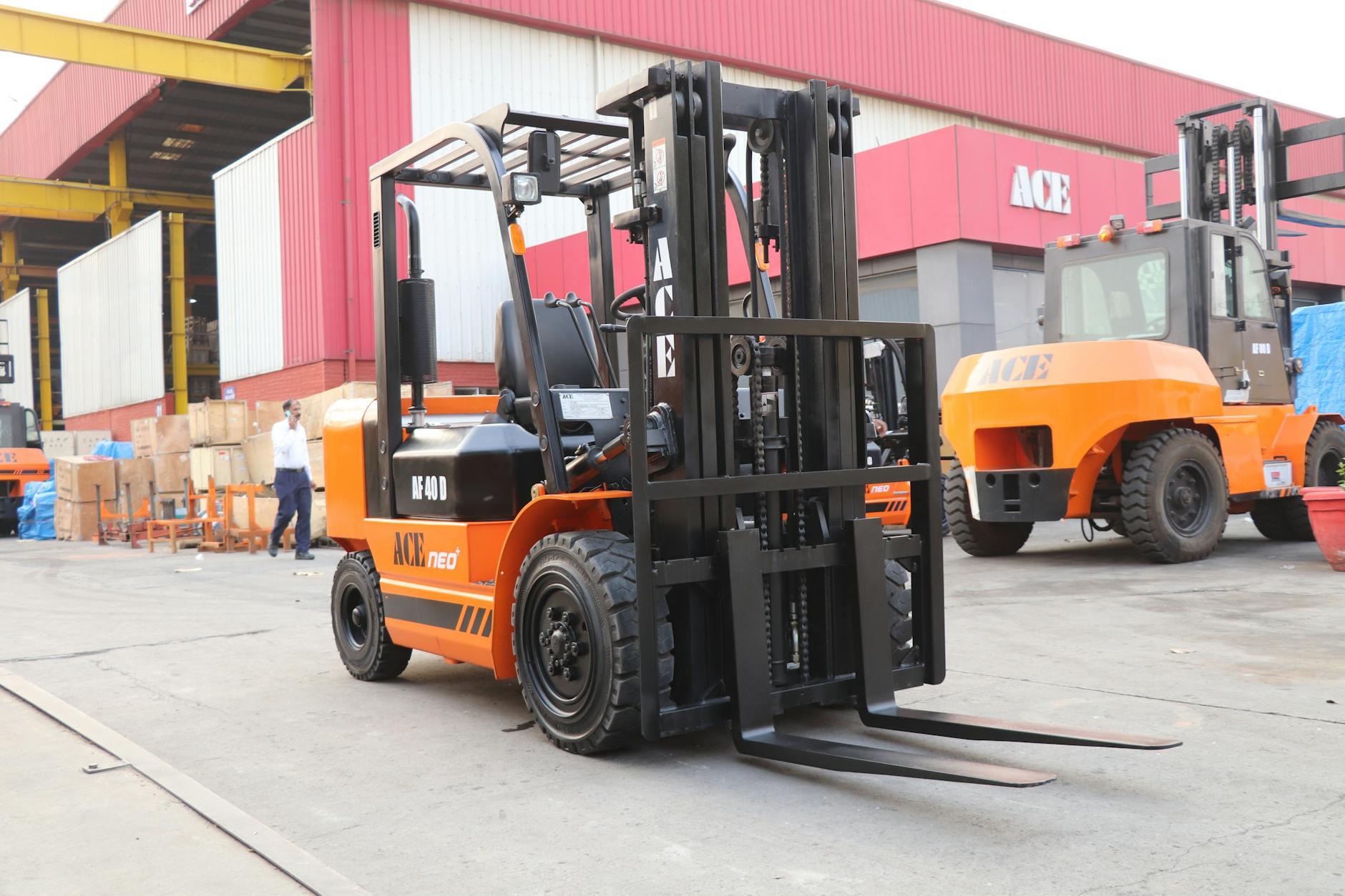
Distribution operations in Columbus often involve multiple warehouses, consignment inventory at customer sites, and inventory in transit between locations. We've built inventory management systems that provide true real-time visibility using event-sourcing architecture—every movement, adjustment, or transaction is recorded as an immutable event. This approach eliminated a persistent problem for one client where their previous system showed phantom inventory due to timing issues between transactions. The new system processes inventory movements in under 50 milliseconds and maintains complete movement history for seven years without performance degradation. Integration with RF scanning devices and mobile applications gives warehouse staff immediate feedback on picks, putaways, and cycle counts.
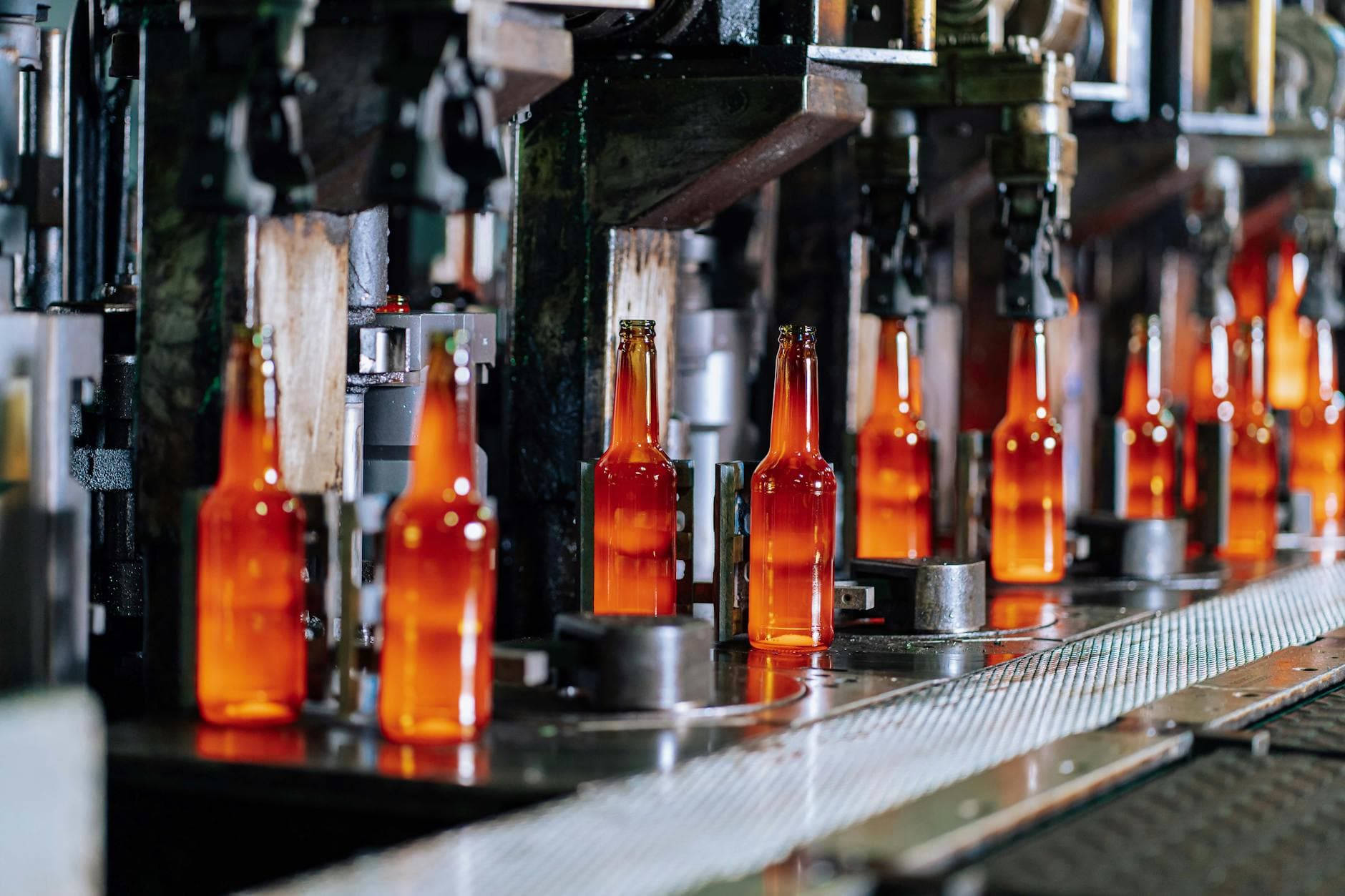
Standard ERP production scheduling modules use simple capacity planning that doesn't reflect real manufacturing constraints. We implement constraint-based optimization using operations research algorithms that consider setup time sequences, tooling availability, material lead times, and labor skills simultaneously. For a Columbus precision machining company, this reduced setup-dependent changeovers by 41% and increased on-time delivery from 76% to 94%. The system runs scheduling optimizations every 15 minutes using current shop floor data, automatically adjusting for machine breakdowns, rush orders, or material delays. Shop floor personnel can see their schedule for the next 72 hours with confidence intervals indicating likelihood of changes.
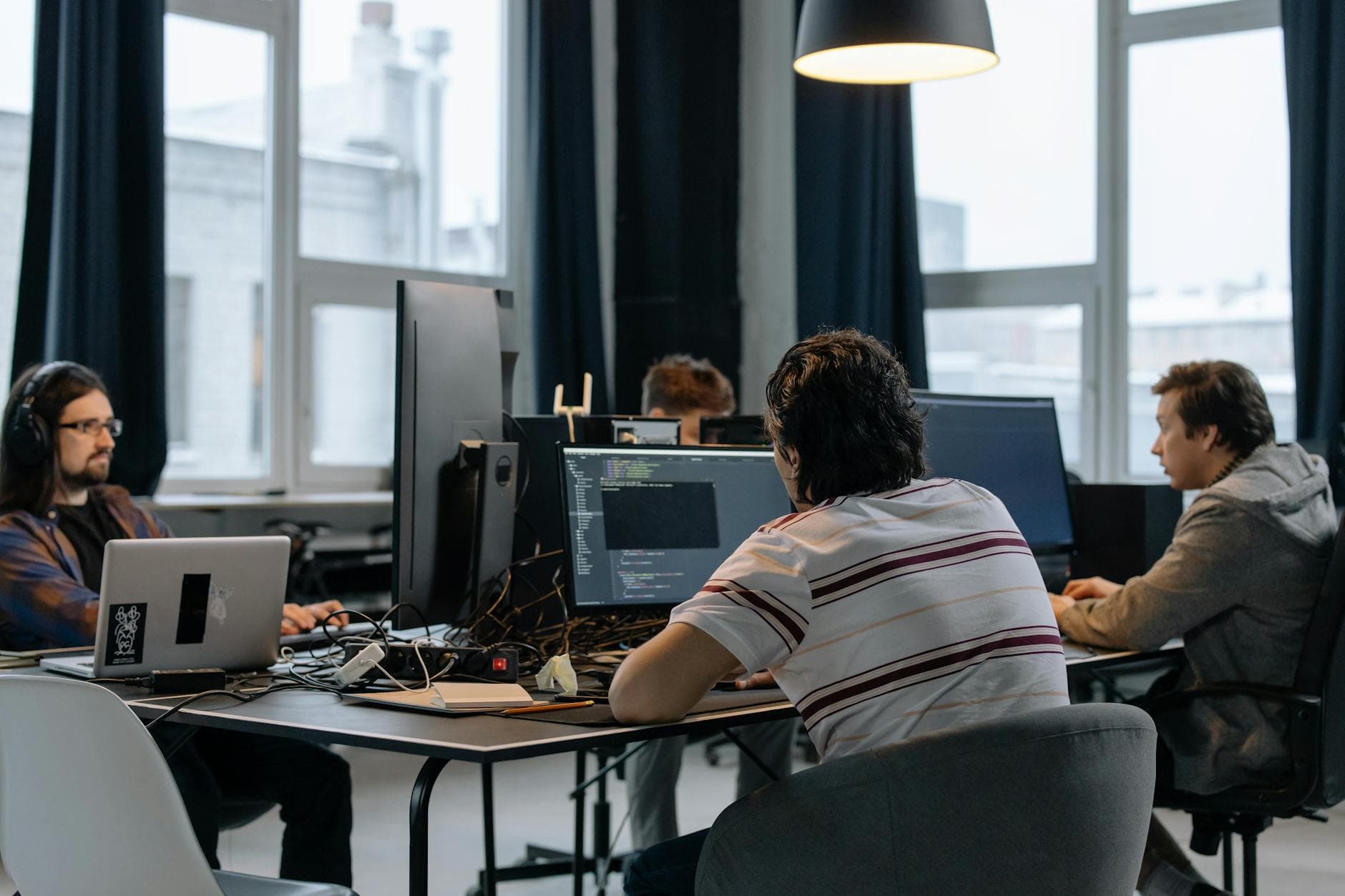
Columbus companies with multiple divisions, subsidiaries, or legal entities need ERP systems that handle intercompany transactions, consolidated reporting, and entity-specific compliance requirements. Our <a href='/services/custom-software-development'>custom software development</a> approach builds chart of accounts structures that accommodate growth—one client started with two entities and now manages 11 through the same system. We implement automated intercompany eliminations, currency translation for international operations, and dimension-based reporting that slices financial data by division, product line, customer segment, or geographic region. Month-end close times average 2-3 business days including full reconciliation and management reporting.
B2B companies in Columbus need to provide customers with order visibility, documentation access, and self-service capabilities without creating security vulnerabilities or support burdens. We build customer portals as integrated components of the ERP system using API-driven architecture—customers see real-time data without direct database access. Features include order history with drill-down to line item detail, shipment tracking with carrier integration, certificate of analysis downloads, and custom reporting based on their purchase history. One implementation serves 340 active customer accounts with less than one support ticket per month because the interface mirrors their actual business processes.
Manufacturing companies serving automotive, aerospace, or medical device customers need quality systems that go beyond simple pass/fail inspection. We implement statistical process control (SPC) directly in the ERP workflow, calculating control limits, detecting trends, and alerting supervisors before processes drift out of specification. One Columbus manufacturer reduced scrap rate from 3.2% to 0.7% using real-time SPC monitoring integrated with their production system. The system automatically links quality data to specific production runs, operators, material lots, and equipment—making root cause analysis immediate rather than requiring weeks of investigation. PPAP documentation generation became fully automated, reducing new part approval time from 6 weeks to 8 days.
Manufacturing operations generate massive volumes of documents—work instructions, quality procedures, engineering drawings, safety data sheets, and customer specifications. We implement document management systems integrated directly into ERP workflows so relevant documents automatically surface when needed. When a work order opens, operators see current work instructions, quality specifications, and safety requirements without searching. The system maintains complete version history with audit trails showing who accessed or modified documents. For ISO-certified Columbus manufacturers, this automated documentation control eliminated 90% of their audit preparation time. Documents link bidirectionally to transactions—you can find every production run that used a specific revision of a work instruction.
Sales representatives and field service technicians need ERP access from customer sites, but traditional systems weren't designed for mobile workflows. We build progressive web applications that provide full ERP functionality on tablets and phones with offline capability—sales reps can access customer history, check inventory, and enter orders without connectivity. Field service technicians see complete equipment history, parts availability, and warranty status while on-site. One Columbus industrial equipment distributor equipped their service team with tablets running custom ERP mobile interfaces—first-time fix rates increased from 67% to 89% because technicians had accurate information about equipment configuration and parts compatibility. The system synchronizes automatically when connectivity is available, handling conflicts intelligently based on business rules.
It saved me $150,000 last year to get the exact $50,000 I needed. They constantly find elegant solutions to your problems.
Integrated ERP systems remove the duplicate data entry that wastes hours daily and introduces errors. Sales orders flow automatically to production, purchasing, and accounting without re-keying.
Custom dashboards provide executives and managers with current operational metrics updated continuously. No more waiting for month-end reports to understand business performance.
Well-designed ERP systems automate routine tasks and exception handling, allowing your team to manage higher transaction volumes without adding headcount proportionally.
Customer service representatives see complete interaction history—orders, shipments, returns, support tickets, and financial status—enabling faster resolution and better service delivery.
Advanced inventory optimization algorithms determine optimal stocking levels by item, reducing total inventory investment while decreasing stockouts on critical items.
Automated reconciliation, integrated subledgers, and dimension-based accounting reduce close time from weeks to days while improving accuracy and providing deeper analytical insight.
We spend 2-4 weeks observing your current operations, interviewing staff across departments, and documenting workflows, pain points, and integration requirements. This includes data analysis of your existing systems to understand transaction volumes, complexity, and quality issues. Deliverable is a requirements document with priorities ranked by business impact and technical complexity, forming the roadmap for development phases.
Our architects design the database schema, application structure, integration points, and infrastructure requirements based on your specific needs. This phase includes technology selection, scalability planning, and security architecture. We create detailed technical specifications and wireframes for critical interfaces, which you review and approve before development begins. This planning investment prevents expensive changes during development and ensures the system supports future growth.
Development proceeds in 2-week sprints with working software demonstrated at the end of each sprint. You see progress continuously and provide feedback that shapes subsequent sprints. This agile approach allows course corrections based on your team's evolving understanding of possibilities. We prioritize core functionality first—the features you need for go-live—then add advanced capabilities in later sprints. Most clients start user acceptance testing of early modules while development continues on later modules.
We develop automated migration scripts and test them repeatedly using copies of your production data until accuracy is verified. The parallel running period allows your team to use the new system for daily operations while the old system remains active for comparison. Every discrepancy is investigated and resolved before go-live. This phase typically runs 30-60 days and includes comprehensive training for all user groups using your actual migrated data.
We provide on-site support during the first week of production operation to resolve issues immediately as they arise. The first 30 days include daily check-ins to monitor system performance, user adoption, and issue resolution. We collect performance metrics and user feedback to prioritize optimization work—database tuning, workflow refinements, or interface improvements. Most systems require 2-3 months of minor adjustments as users discover edge cases that didn't surface during testing.
After initial stabilization, we transition to ongoing support mode with monthly or quarterly enhancement cycles based on your needs. Many clients maintain a backlog of feature requests prioritized by business value—we implement the highest priority items each cycle. This continuous improvement approach allows the system to evolve with your business rather than becoming obsolete. Annual reviews assess performance, capacity, and strategic alignment to plan major enhancements or new module development.
Columbus's economy has evolved significantly from its historical reliance on government and education to become a major center for manufacturing, logistics, and technology. The city's central location within 600 miles of 60% of U.S. and Canadian manufacturing capacity makes it a natural distribution hub, while companies like Honda, Worthington Industries, and Cardinal Health maintain significant manufacturing operations here. This industrial diversity creates ERP requirements that span discrete manufacturing, process manufacturing, and complex distribution—often within the same company as businesses diversify their operations.
The Rickenbacker Global Logistics Park, one of the few commercial airports with Foreign Trade Zone designation, hosts over 50 companies managing international supply chains with complex customs, duty drawback, and documentation requirements. ERP systems serving these operations must handle bonded warehouse tracking, certificate of origin generation, and automated customs filing. We've built logistics systems that manage FTZ inventory separately from domestic inventory while maintaining unified visibility for operational teams. These systems integrate directly with customs brokers via API connections and generate required compliance reports automatically.
Columbus's automotive supply chain presents unique ERP challenges due to the just-in-time delivery requirements and strict quality standards of OEM customers. Suppliers must maintain production schedules synchronized with assembly plant operations sometimes located hundreds of miles away, while managing serialized component tracking and automated advance shipping notices. The Honda transmission plant in nearby Russells Point and multiple Tier 1 suppliers throughout the region drive demand for ERP systems capable of EDI integration supporting ANSI X12 810, 850, 856, and 862 transaction sets. We've implemented systems processing thousands of EDI transactions daily with automatic exception handling and alert routing.
The food and beverage manufacturing sector in Columbus, including companies like White Castle, Donatos Pizza, and Bob Evans, requires ERP systems handling lot traceability, allergen management, and compliance with FDA food safety regulations. These systems must track ingredients from receiving through production to finished goods with complete genealogy—the ability to identify every lot of every ingredient that went into specific finished goods lots. When recalls occur, this traceability allows surgical removal of affected products rather than broad market withdrawals. We've built traceability systems that can complete forward and backward traces in under 10 seconds across millions of transaction records.
Columbus's growing technology sector and the presence of major healthcare organizations like OhioHealth and Nationwide Children's Hospital create demand for ERP systems serving professional services organizations. These businesses need project accounting, resource management, and billing systems quite different from manufacturing ERP. We've built professional services ERP systems handling complex billing arrangements—time and materials with caps, fixed price with milestone billing, retainer drawdown, and hybrid models. These systems integrate with payroll for labor costing and provide project profitability analysis in real-time rather than after project completion.
The construction and industrial contracting businesses prevalent in Columbus need ERP systems handling job costing, equipment management, and subcontractor coordination. Unlike manufacturing where production occurs in controlled environments, construction projects span multiple sites with varying conditions, change orders, and progress billing. We've implemented job costing systems that track costs to work breakdown structure levels, manage retention accounting, and generate AIA billing documents automatically. Equipment management modules track machine hours, fuel consumption, maintenance schedules, and project allocation—providing true equipment utilization cost rather than estimates.
Columbus's position as a test market city—companies like Wendy's, Express, and L Brands use the market for product testing—creates ERP requirements for managing product variations, regional pricing strategies, and rapid SKU proliferation. Retail and consumer goods companies need systems that handle matrix items (size/color variations), seasonal planning, and markdown optimization. We've built merchandise management systems that plan inventory buys 12 months in advance using sales history, market trends, and planned promotional events. These systems automatically generate purchase orders timed to warehouse receipt dates that support store replenishment schedules.
The manufacturing workforce challenge facing Columbus companies—finding skilled machinists, welders, and production personnel—makes ERP usability critical. Systems requiring extensive training reduce productivity and create dependency on key personnel. Our ERP interfaces use modern UX patterns that workers understand immediately because they mirror consumer applications. We implement progressive disclosure showing only relevant information for current tasks, guided workflows that walk users through complex procedures, and contextual help that appears when needed. One client reduced new employee training time from three weeks to four days using an ERP system designed around actual workflows rather than database tables.
FreedomDev is based in West Michigan and works with clients remotely across the United States.
Schedule a direct consultation with one of our senior architects.
We've built our expertise through two decades of designing and implementing custom ERP, logistics, and business management systems. This focus means we understand the patterns, pitfalls, and best practices that only come from extensive experience. We're not generalists building ERP systems between mobile apps and e-commerce sites—enterprise business software is our sole focus.
Our Great Lakes location means we understand Columbus's manufacturing and distribution environment firsthand. We're in similar time zones, share similar business cultures, and work extensively with companies facing identical operational challenges. When we visit your Columbus facility for discovery sessions or go-live support, it's a three-hour drive rather than cross-country flights. This geographic proximity enables relationships that off-shore or distant vendors cannot match.
Our oldest client relationship spans 18 years of continuous enhancement and support for systems we originally built. This long-term perspective changes how we architect systems—we use maintainable code, comprehensive documentation, and standard frameworks because we'll be working with this code for years. We're selective about projects we accept because we're committing to long-term relationships, not maximizing short-term revenue. Review our <a href='/contact'>contact</a> page to start a conversation about your ERP needs.
We provide detailed estimates broken down by feature and module, allowing you to make informed decisions about scope and priorities. Project status is visible through our project management system showing completed work, current sprint progress, and upcoming priorities. You'll never wonder what's happening with your project or get surprised by unexpected invoices. When scope changes or challenges arise, we communicate immediately with options and implications rather than pushing problems to project end.
Our development team has expertise spanning modern frameworks like .NET Core, React, and Node.js to legacy platforms including AS/400, Progress, and FoxPro. This range matters for Columbus businesses because it means we can build modern systems while integrating with your existing technology investments. We don't push technology for its own sake—we select platforms based on your requirements, budget, and IT team's capabilities. This pragmatic approach delivers working solutions rather than technology showcases.
Explore all our software services in Columbus Oh
Let’s build a sensible software solution for your Columbus Oh business.