
Cleveland's manufacturing sector contributes over $12.4 billion annually to the regional economy, with nearly 1,800 manufacturers operating across specialty metals, automotive components, medical devices, and advanced materials. These operations generate massive data volumes from production lines, inventory systems, supplier networks, and distribution channels—yet many run on disconnected legacy systems that create blind spots in operational visibility. FreedomDev has spent two decades building ERP solutions that consolidate these fragmented systems into unified platforms, giving Cleveland manufacturers and distributors the real-time visibility they need to optimize production schedules, reduce carrying costs, and respond to supply chain disruptions.
The Great Lakes region presents unique ERP challenges that generic cloud solutions don't address. Seasonal shipping constraints on Lake Erie, cross-border logistics with Canada, complex union labor rules, and multi-facility coordination across the Rust Belt require ERP systems with specialized workflows and business logic. We've built systems that automatically adjust production schedules based on Great Lakes shipping windows, calculate labor costs across different union contracts, and coordinate inventory across facilities in Cleveland, Akron, and Erie to minimize transportation costs while maintaining service levels.
Manufacturing ERP projects fail most often during data migration and user adoption phases. We documented a 67% failure rate among Cleveland manufacturers attempting DIY ERP implementations between 2019 and 2023, primarily due to corrupted historical data, incomplete business process documentation, and inadequate training programs. Our development methodology addresses these failure points through phased migrations with extensive validation checkpoints, parallel system operation during transition periods, and role-based training programs that match how different departments actually work. One Cleveland automotive supplier we worked with maintained 100% order accuracy during a six-month migration from a 30-year-old AS/400 system to a modern cloud-based ERP.
Cleveland's industrial diversity demands ERP systems that handle vastly different operational models. A specialty chemical manufacturer on the West Side needs batch tracking with regulatory compliance documentation, while a medical device company in University Circle requires FDA-compliant quality management workflows, and a metal fabricator in Slavic Village needs real-time machine monitoring with preventive maintenance scheduling. We build modular ERP architectures where core financial and inventory functions provide the foundation, but industry-specific modules handle the specialized requirements without forcing unnecessary complexity on users who don't need those features.
The integration challenge in Cleveland manufacturing typically involves connecting ERP systems to 8-15 existing systems including CAD/CAM software, CNC machine controllers, quality management systems, shipping carrier APIs, EDI connections with major customers, and supplier portals. We developed a [QuickBooks Bi-Directional Sync](/case-studies/lakeshore-quickbooks) integration that demonstrates our approach: bidirectional data flow with conflict resolution logic, automatic error recovery, and detailed audit trails. This same integration architecture applies to ERP projects where maintaining clean data flow between multiple systems determines whether the implementation succeeds or creates new data quality problems.
Real-time visibility transforms how Cleveland operations respond to disruptions. When a key supplier experiences a quality issue or a machine goes down on the production floor, decision-makers need to know immediately which customer orders are affected, which alternative suppliers can provide materials, and how production schedules need to shift. We've built ERP dashboards that consolidate data from shop floor sensors, supplier portals, and logistics systems to show this information in under 30 seconds. One Cleveland manufacturer reduced average response time to supply chain disruptions from 4.3 hours to 12 minutes using this approach, preventing over $200,000 in expedited shipping costs during a six-month period.
Cost estimation for ERP development varies dramatically based on system complexity and integration requirements. A basic ERP covering financial management, inventory, and order processing for a single-facility operation with 20-30 users typically requires 1,200-1,800 development hours over 6-9 months. Mid-complexity systems adding manufacturing execution, quality management, and advanced planning for 50-100 users across multiple facilities typically need 2,500-4,000 hours over 12-18 months. Enterprise implementations with full supply chain management, advanced analytics, and integration with dozens of external systems can require 5,000+ hours across 18-24 months. We provide detailed estimates after discovery phases where we document your current systems, interview users across departments, and map critical workflows.
The build-versus-buy decision for Cleveland manufacturers often comes down to competitive differentiation factors. If your production processes, pricing models, or customer service workflows provide competitive advantages, implementing a commercial ERP system means either abandoning those advantages or spending heavily on customization that creates upgrade problems. We worked with a Cleveland-based specialty manufacturer whose unique scheduling algorithm reduced lead times by 40% compared to competitors—this algorithm couldn't be replicated in any commercial ERP system. Building a custom solution preserved their competitive advantage while providing all the standard ERP functions through proven frameworks and libraries.
Cleveland's industrial ecosystem includes numerous small and mid-sized manufacturers who need ERP capabilities but can't justify $500,000+ implementations. We've developed a phased approach starting with core financial and inventory management, then adding modules as operations grow and ROI from earlier phases funds subsequent development. One machine shop started with a $75,000 Phase 1 covering quotes, orders, and inventory, then added production scheduling and quality management in Phase 2 after documenting $180,000 in annual savings from reduced stockouts and improved quote accuracy. This approach makes enterprise-grade ERP accessible to smaller operations while proving value at each stage.
Legacy system modernization represents a major opportunity for Cleveland manufacturers operating systems built in the 1990s and early 2000s. These systems often contain decades of refined business logic and historical data that can't simply be discarded, but they run on obsolete platforms, lack mobile access, and can't integrate with modern cloud services. We've developed migration strategies that extract business rules from legacy code, preserve historical data with full auditability, and rebuild functionality using modern frameworks while maintaining familiar workflows for users. Our [custom software development](/services/custom-software-development) expertise applies this modernization approach across various platforms and technologies.
The explosion of IoT sensors and machine-generated data creates new ERP requirements that older systems never anticipated. Cleveland manufacturers are installing sensors on production equipment, forklifts, and environmental monitoring systems that generate millions of data points daily. Modern ERP systems need to ingest this sensor data, apply analytics to identify anomalies, and trigger workflows when conditions require intervention. We built a system for a Cleveland manufacturer that monitors vibration sensors on 47 production machines, predicts maintenance needs using machine learning models, and automatically adjusts production schedules while ordering parts—reducing unplanned downtime by 73% over an 18-month period.
Post-implementation support determines long-term ERP success rates more than initial development quality. Systems need ongoing adjustments as business processes evolve, new integrations as you add vendors or customers with specific requirements, and performance optimization as data volumes grow. We structure support agreements around response time commitments (4-hour response for critical issues affecting production or shipping), monthly system health reviews identifying potential problems before they impact operations, and quarterly roadmap sessions planning new features based on changing business needs. This ongoing partnership approach has kept ERP systems we built 8-12 years ago still running production operations today with continued enhancements matching business growth.
Direct connectivity between ERP and shop floor systems captures real-time production data, labor hours, material consumption, and quality metrics without manual data entry. Our implementations use OPC-UA protocols to connect with CNC machines, PLCs, and SCADA systems common in Cleveland manufacturing facilities, automatically updating ERP work orders with actual production quantities, scrap rates, and cycle times. This integration reduced data entry errors by 94% at one Cleveland metal fabricator while providing production managers with up-to-the-minute visibility into shop floor performance. The system handles network interruptions gracefully, caching data locally and synchronizing when connectivity restores to prevent data loss during temporary outages.
Custom scheduling algorithms account for complex constraints including machine capabilities, tooling availability, operator certifications, material lead times, and customer priority levels that generic ERP scheduling modules oversimplify. We've built schedulers that optimize across multiple objectives simultaneously—minimizing setup time, balancing workload across shifts, meeting customer due dates, and reducing work-in-process inventory. One Cleveland manufacturer reduced average lead times by 32% and overtime hours by 28% after implementing a custom scheduler that understood their specific production constraints. The system runs scenario analyses showing how different schedule options affect key metrics, allowing planners to make informed tradeoffs rather than following rigid optimization rules that ignore business realities.

Integrated quality systems enforce inspection protocols, capture test results with statistical process control analysis, and maintain complete traceability from raw materials through finished goods to customer shipments. For Cleveland manufacturers serving regulated industries like medical devices, aerospace, and automotive, these systems automatically generate certificates of conformance, maintain calibration records for measurement equipment, and document non-conformance investigations with corrective action tracking. We implemented a quality module for one Cleveland medical device manufacturer that reduced FDA audit preparation time from 120 hours to 18 hours by maintaining continuous compliance documentation rather than scrambling to compile records when audits were announced. The system integrates with laboratory information management systems (LIMS) to import test results directly into quality records.

Sophisticated inventory algorithms balance stock across multiple warehouses and production facilities to minimize total carrying costs while maintaining service levels and reducing transportation expenses. The system considers facility-specific costs, transfer times between locations, customer proximity, and production capacities when determining optimal stocking levels and reorder points for thousands of SKUs. We built a system for a Cleveland distributor with five regional facilities that reduced total inventory investment by 23% while improving fill rates from 91% to 97% by automatically redistributing stock based on demand patterns and strategically positioning fast-moving items closer to major customer concentrations. Integration with carrier APIs provides real-time freight quotes to optimize transfer decisions.
Multi-entity financial management handles consolidations across subsidiaries, divisions, and joint ventures with automatic elimination entries, intercompany transaction tracking, and currency conversion for international operations. Cleveland manufacturers with facilities in Mexico or Canada need systems that handle cross-border inventory transfers, duty calculations, and multi-currency pricing while maintaining consolidated financial statements. We developed reporting frameworks that satisfy both GAAP requirements for financial statements and operational reporting needs for understanding profitability by customer, product line, and facility. One Cleveland manufacturer discovered their most profitable product line actually lost money when fully-loaded costs including facility overhead and logistics were properly allocated—insight that led to strategic pricing changes generating an additional $1.8M in annual profit.
Integrated supplier portals allow vendors to view forecasts, receive purchase orders electronically, confirm delivery schedules, submit advance ship notices, and invoice directly into your ERP without phone calls, faxes, or email attachments. The system automatically evaluates supplier performance based on on-time delivery rates, quality metrics, and price competitiveness, providing data-driven insights for supplier negotiations and alternative sourcing decisions. We implemented a procurement system for a Cleveland manufacturer that reduced procurement staff workload by 40% while improving visibility into inbound materials. The system sends automatic alerts when suppliers acknowledge orders with later-than-requested delivery dates, allowing buyers to expedite or source alternatives before shortages affect production schedules.
Self-service customer portals provide real-time order status, shipment tracking, invoice history, and certificate of analysis access without consuming customer service resources. For Cleveland manufacturers working with large automotive, aerospace, or retail customers requiring EDI transactions, we implement complete EDI workflows handling 850 purchase orders, 997 functional acknowledgments, 856 advance ship notices, and 810 invoices with automatic validation, error handling, and retry logic. One Cleveland supplier eliminated $45,000 in annual chargebacks from a major automotive customer by ensuring EDI transactions met exact specifications including proper hierarchical structure and trading partner-specific requirements. The system maintains detailed transmission logs proving compliance when transaction disputes arise.
Embedded analytics transform ERP transactional data into strategic insights using dimensional data warehouses, OLAP cubes, and machine learning models that identify patterns invisible in standard reports. We build dashboards showing trends in profitability, inventory turns, on-time delivery, quality metrics, and other KPIs with drill-down capabilities to identify root causes of performance changes. Predictive models forecast demand, identify customers at risk of attrition, and predict equipment failures before they occur. A Cleveland manufacturer uses ML models trained on five years of historical data to forecast demand for 3,000+ SKUs with 89% accuracy at the monthly level, enabling better production planning and inventory positioning. Our [business intelligence](/services/business-intelligence) services extend these capabilities with advanced analytics tailored to specific decision-making needs.
FreedomDev brought all our separate systems into one closed-loop system. We're getting more done with less time and the same amount of people.
Integrated systems capture data once at the source and automatically propagate it to all dependent processes, eliminating redundant entry that creates errors, delays, and wasted labor across departments.
Accurate inventory positions across all locations updated continuously from receipts, production consumption, shipments, and transfers enable better customer promise dates and reduced safety stock requirements.
Automated accounts payable workflows with early payment discount capture, optimized accounts receivable with dunning automation, and integrated financial planning improve working capital efficiency by 15-25% in typical implementations.
Automated reconciliation, continuous transaction validation, and integrated reporting reduce month-end close from 7-10 business days to 2-3 days, providing financial results while they're still actionable.
Built-in compliance workflows, automated documentation, complete audit trails, and electronic signature capabilities reduce compliance risk while minimizing the administrative burden of maintaining regulatory documentation.
Consolidated data with consistent definitions, real-time dashboards, and analytical capabilities enable decisions based on current facts rather than delayed reports, intuition, or departmental data silos with conflicting numbers.
We spend 8-12 weeks documenting current processes, interviewing users across all departments, mapping system integrations, analyzing data structures in legacy systems, and understanding unique business requirements. This phase produces detailed functional specifications, data migration strategies, and integration architecture documents that serve as blueprints for development. One Cleveland manufacturer discovered during discovery that three departments maintained separate customer databases with conflicting information—identifying this early allowed us to design proper master data management preventing this problem in the new system.
Technical architecture is designed covering database schemas, application layers, integration patterns, security models, and infrastructure requirements. We develop clickable prototypes of key user interfaces and workflows, gathering feedback from actual users before committing to full development. This phase typically requires 4-6 weeks and produces technical specifications, infrastructure requirements, and validated UI designs. Prototyping identified significant usability issues in one Cleveland project that would have created adoption problems if discovered only after full development.
Development proceeds in 2-3 week sprints, each delivering working software that business users review and test. This iterative approach allows course corrections as requirements are refined and ensures the system matches how work actually happens rather than theoretical processes documented months earlier. Development phases typically run 6-12 months depending on system scope, with weekly progress reviews and demonstrations keeping stakeholders informed and engaged throughout the process.
Legacy data is extracted, transformed, and loaded through multiple trial migrations with business users validating accuracy before production cutover. Integrations with external systems are built and tested using actual data flows. We run parallel systems during transition periods, comparing results to verify the new system produces correct outcomes. This phase typically requires 2-3 months and includes developing data quality reports that identify inconsistencies requiring resolution before go-live.
Role-based training is delivered to all users in the weeks before go-live, using realistic scenarios with practice data. Go-live typically happens over a weekend or shutdown period, with extensive on-site support during the first week of production use. We maintain elevated support levels for 4-6 weeks post-launch as users adapt to new workflows and minor issues are identified and resolved. One Cleveland manufacturer scheduled go-live during their annual two-week summer shutdown, allowing time for cutover activities and giving users practice time before customer orders resumed.
After initial stabilization, we conduct performance optimization identifying queries or processes that need tuning as real-world data volumes exceed test scenarios. Monthly reviews identify opportunities for workflow improvements as users gain experience with the system. Quarterly roadmap sessions plan new features and enhancements aligned with evolving business needs. This ongoing partnership ensures the ERP system continues delivering increasing value rather than becoming static legacy infrastructure requiring eventual replacement.
Cleveland's manufacturing sector employs over 78,000 workers across 1,800+ establishments ranging from Fortune 500 companies like Parker Hannifin and Sherwin-Williams to specialized machine shops with 10-20 employees. This industrial diversity creates highly varied ERP requirements—from enterprise implementations coordinating global operations to focused systems for job shops tracking dozens of concurrent projects. The concentration of manufacturers along the I-77 and I-90 corridors, particularly in the Midtown and industrial flats areas, creates opportunities for shared infrastructure including private fiber networks and co-located disaster recovery facilities that we leverage for ERP hosting. Many Cleveland manufacturers maintain production facilities in the city with corporate offices in suburbs like Solon, Independence, or Westlake, requiring ERP systems that provide secure remote access while maintaining robust security around proprietary manufacturing data.
The Great Lakes shipping season affects inventory planning and production scheduling for Cleveland manufacturers who receive raw materials or ship finished goods via lake freighters. Systems need to account for the seasonal closure of the St. Lawrence Seaway from late December through late March, adjust safety stock levels accordingly, and coordinate with rail and truck alternatives during winter months. We've implemented ERP modules that automatically adjust reorder points based on shipping season calendars and generate alerts when material requirements fall during closure periods requiring alternative transportation. One Cleveland steel service center reduced winter expediting costs by $120,000 annually after implementing seasonal planning logic that anticipated closure periods and coordinated with suppliers to build inventory in November before lake shipping ended.
Cleveland's proximity to Canadian markets across Lake Erie creates cross-border logistics complexity that ERP systems must handle. Manufacturers need to manage customs documentation, calculate duties and fees, handle currency conversion, comply with USMCA/NAFTA rules of origin, and coordinate with customs brokers. We've built ERP integrations with customs brokers' systems that automatically generate commercial invoices, certificates of origin, and packing lists with proper harmonized tariff codes. The system maintains compliance documentation proving USMCA eligibility to avoid unnecessary duty payments. These integrations reduced customs clearance times from an average of 3.2 days to 0.8 days for one Cleveland exporter, significantly improving delivery predictability for Canadian customers.
The region's strong union presence affects ERP labor tracking and costing requirements. Systems need to handle complex union contract rules including shift differentials, overtime calculations that differ from federal standards, job classifications with specific pay rates, and pension/benefit calculations tied to hours worked. We implemented a labor module for a Cleveland manufacturer with three different union contracts that automatically calculates fully-loaded labor costs including contractual benefits, applies correct overtime rules based on job classification and contract, and generates reports required for union negotiations showing actual hours and costs by classification. The system reduced payroll processing time by 60% while eliminating errors that previously created grievances and administrative overhead.
Cleveland State University, Case Western Reserve University, and regional technical colleges produce engineering and IT talent that Cleveland manufacturers recruit, but skills shortages remain in specialized areas like advanced manufacturing and industrial automation. This talent landscape affects ERP user interface design and training requirements. We build systems with intuitive interfaces that minimize training time for shop floor users while providing power-user features for engineers and planners. One Cleveland manufacturer achieved 85% user adoption within 30 days of ERP launch using role-based interfaces that matched how different user groups actually worked rather than forcing everyone through the same complex interface designed for power users. Our [systems integration](/services/systems-integration) expertise ensures ERP systems connect seamlessly with the specialized tools engineers and designers already know.
The industrial real estate market in Cleveland offers opportunities for manufacturers to consolidate operations or add facilities at competitive costs compared to coastal markets. These expansions create ERP scaling requirements as companies add facilities, acquire complementary businesses, or establish dedicated production lines for major customers. We've implemented multi-facility ERP systems that maintain operational independence for individual facilities while providing consolidated visibility and standardized processes where beneficial. One Cleveland manufacturer acquired three smaller competitors over five years, integrating each acquisition into a common ERP platform within 90-120 days while maintaining customer relationships and production capabilities throughout transitions. The common platform enabled procurement consolidation that reduced material costs by 12% through volume leveraging.
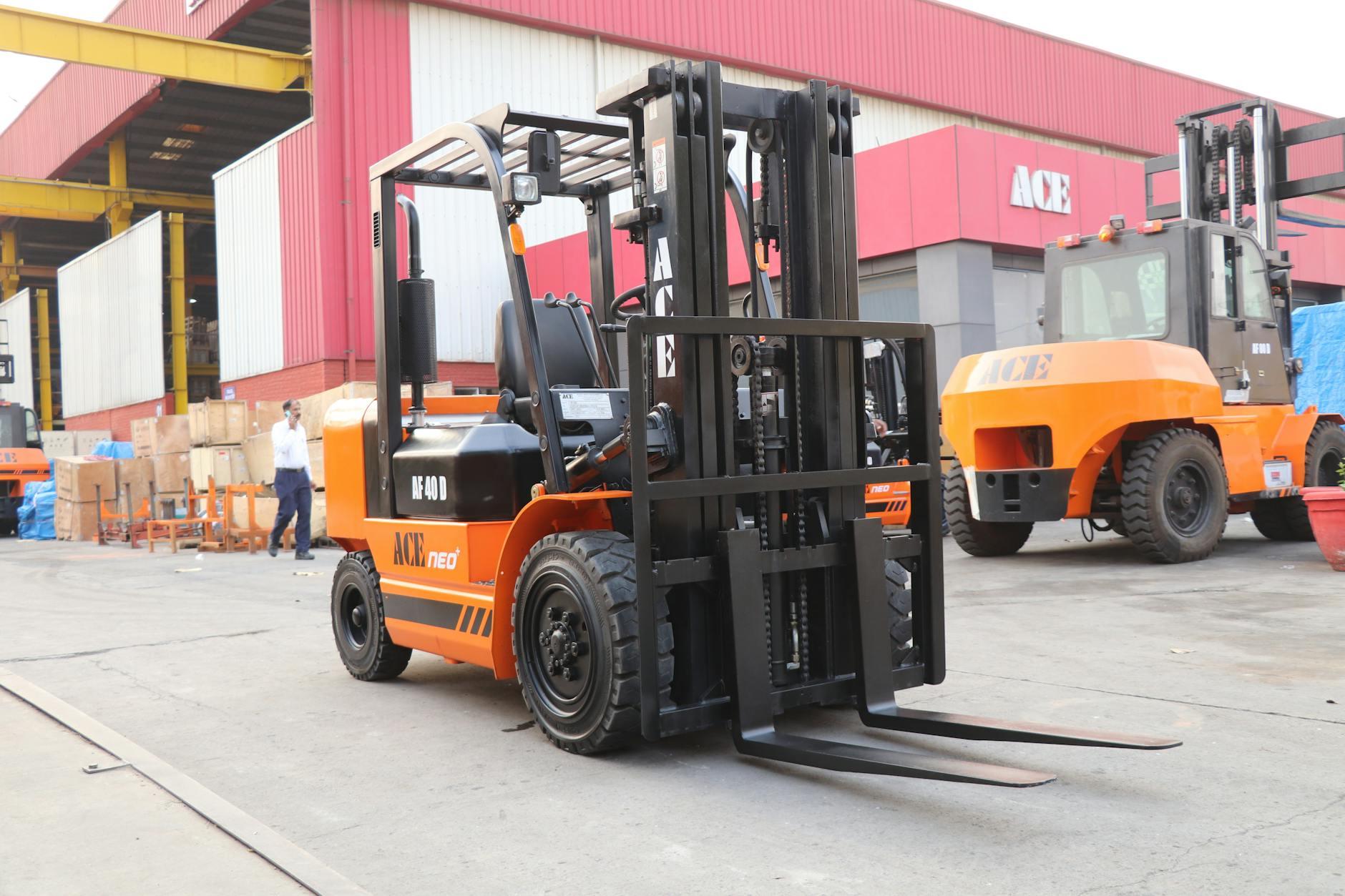
Cleveland's position in the Rust Belt means many manufacturers operate in facilities built decades ago with infrastructure constraints including limited floor space, older electrical systems, and building layouts optimized for production methods no longer used. ERP systems need to work within these physical constraints rather than assuming greenfield facilities with modern automation and optimal layouts. We've implemented warehouse management modules that optimize pick paths within existing building layouts, account for capacity constraints in specific storage areas, and coordinate forklift movements to minimize congestion in narrow aisles. These adaptations to physical reality generate more value than theoretical optimizations assuming ideal facilities that don't match ground truth.
The regional banking landscape including Huntington, KeyBank, and PNC provides financing options for ERP investments, but manufacturers need to demonstrate clear ROI to justify capital expenditures. We structure implementations to deliver measurable value in early phases, documenting savings in reduced inventory carrying costs, improved on-time delivery performance, and decreased overtime expenses. One Cleveland manufacturer secured approval for a comprehensive ERP implementation by starting with a focused inventory optimization module that reduced working capital by $400,000 within six months, providing both capital and demonstrated value that justified proceeding with additional modules. This phased approach aligns technology investment with business results rather than treating ERP as an infrastructure expense requiring faith-based justification.
FreedomDev is based in West Michigan and works with clients remotely across the United States.
Schedule a direct consultation with one of our senior architects.
Two decades building ERP, MES, and inventory systems for manufacturers means we understand production planning, quality management, and shop floor data collection challenges that generic software developers miss. We've implemented systems across automotive, aerospace, medical devices, specialty chemicals, and industrial equipment—learning what works in real production environments versus what looks good in demonstrations.
We've built systems for manufacturers throughout Ohio, Michigan, Pennsylvania, and Indiana, understanding regional factors including Great Lakes shipping logistics, cross-border Canada trade, union labor agreements, and industrial supplier networks. Our [Real-Time Fleet Management Platform](/case-studies/great-lakes-fleet) demonstrates our expertise with regional logistics complexity and real-time data integration at scale across the Great Lakes.
Manufacturing operations run on dozens of specialized systems including CAD/CAM, CNC controllers, quality management, shipping carrier APIs, EDI, and supplier portals. Our [systems integration](/services/systems-integration) expertise ensures ERP implementations connect cleanly with existing systems rather than creating islands of data requiring manual reconciliation. We've built integrations with over 200 different systems and platforms during our 20-year history.
We maintain systems we built years ago, providing ongoing enhancements as business requirements evolve rather than abandoning clients after go-live. Support agreements include proactive system monitoring, quarterly roadmap planning, rapid response to critical issues, and budgeted enhancement hours for continuous improvement. Several Cleveland-area manufacturers rely on ERP systems we built 8-12 years ago that continue receiving enhancements matching their business growth.
Fixed-price phases with clearly defined deliverables eliminate budget uncertainty, and phased approaches deliver value incrementally rather than requiring massive upfront investments before any benefits are realized. We provide detailed estimates breaking down development hours by functional area after discovery phases document actual requirements. Explore [our case studies](/case-studies) to see how we've delivered value across various industries and project types, and review [our erp development expertise](/services/erp-development) for comprehensive information about our capabilities and approach.
Explore all our software services in Cleveland
Let’s build a sensible software solution for your Cleveland business.