
Maximize your operations and stay ahead of the competition with our custom ERP development services tailored to the unique needs of Arizona businesses.
FreedomDev is based in West Michigan and works with clients remotely across the United States.
Arizona's manufacturing sector generates over $20 billion annually across 4,800+ facilities, from aerospace components in Tucson to semiconductor production in Phoenix. These operations struggle with disconnected systems—spreadsheets tracking inventory, separate databases managing production schedules, and QuickBooks handling finances with no real-time visibility. We've built ERP systems for 20+ years that eliminate these data silos, creating unified platforms where inventory updates trigger procurement workflows, production data flows automatically into financial reports, and quality control integrates directly with supplier management.
The complexity of modern Arizona enterprises demands more than off-the-shelf ERP packages. A Tempe-based food distributor we worked with needed cold chain temperature monitoring integrated with inventory management, real-time route optimization for delivery fleets, and bi-directional synchronization with their legacy accounting system. Commercial ERP solutions offered 60% of what they needed at $400,000+ in licensing fees. We delivered a [custom ERP system](/services/erp-development) with every required feature at half the cost, including custom modules for Arizona-specific regulations around food safety documentation and driver hours-of-service tracking.
Manufacturing companies in Arizona's electronics sector face unique challenges that generic ERP systems can't address. One Phoenix contract manufacturer needed to track components with military-grade traceability requirements, manage production across three facilities with different equipment types, and maintain real-time cost accounting accurate to the penny for government contracts. Their Epicor system required 15 manual data entry steps and two full-time employees just to compile weekly reports. Our custom ERP reduced this to zero manual steps, with automated report generation pulling data directly from production equipment, quality stations, and shipping systems.
Arizona's business growth rate of 3.2% annually creates constant pressure to scale operations without proportionally increasing overhead. Companies outgrow their initial systems quickly—a distribution business that started with 5 employees and simple inventory tracking suddenly has 50 employees, multiple warehouses, complex vendor contracts, and sophisticated customer delivery requirements. We design ERP architectures that scale with your business, starting with core modules you need today while maintaining flexibility to add functionality as requirements evolve without rebuilding foundational systems.
Real-time data integration separates functional ERP systems from frustrating ones. We built a [Real-Time Fleet Management Platform](/case-studies/great-lakes-fleet) that processes GPS coordinates, fuel consumption, maintenance schedules, and delivery confirmations every 30 seconds, feeding this data directly into dispatch systems, customer portals, and financial reporting. This same real-time architecture applies to manufacturing ERP—when a production line completes a unit, inventory updates immediately, work-in-process accounting adjusts automatically, and the next production order enters the queue without human intervention.
Financial system integration represents the most critical ERP component for Arizona businesses. We've completed over 30 implementations requiring [QuickBooks Bi-Directional Sync](/case-studies/lakeshore-quickbooks) functionality, where ERP systems push sales orders, purchase orders, and inventory transactions into QuickBooks while pulling chart of accounts updates, vendor payments, and financial period closings back into operational systems. This synchronization happens every 15 minutes with full error handling and transaction logging, ensuring accounting teams maintain complete control while operations staff never touch QuickBooks directly.
Arizona's regulatory environment particularly impacts construction, healthcare, and food service industries. Construction ERP systems must track certified payroll for prevailing wage projects, maintain lien waiver documentation with specific Arizona filing requirements, and generate certified contractor compliance reports. Healthcare operations need HIPAA-compliant audit trails, Arizona Medical Board documentation workflows, and integration with state immunization registries. We build these compliance requirements directly into ERP workflows rather than treating them as bolt-on features that create extra administrative burden.
The true cost of ERP ownership extends far beyond initial licensing fees. A Scottsdale medical device company was spending $180,000 annually on SAP maintenance, plus $120,000 for consultants to make simple workflow changes, and another $90,000 for a dedicated administrator. Their total seven-year cost of ownership exceeded $2.7 million. We rebuilt their core ERP functionality as a [custom software development](/services/custom-software-development) project for $425,000, with $35,000 annual maintenance costs including hosting, support, and feature updates—saving them over $1.8 million across the same timeframe.
Integration with existing systems determines ERP success more than any other factor. Arizona businesses typically operate 8-15 different software systems: accounting packages, CRM platforms, e-commerce websites, shipping software, payment processors, equipment monitoring systems, and industry-specific applications. An ERP that doesn't integrate with these tools creates more problems than it solves. Our approach emphasizes [systems integration](/services/systems-integration) from day one, mapping every data flow between systems and building robust API connections that handle errors gracefully and maintain data consistency across platforms.
Database architecture fundamentally impacts ERP performance and capabilities. We implement proper relational database design with normalized tables, appropriate indexing strategies, and query optimization that maintains sub-second response times even with millions of transaction records. A Mesa manufacturing client's previous system took 45 seconds to load a single customer order once their database exceeded 500,000 orders. Our [SQL consulting](/services/sql-consulting) redesign reduced this to 0.3 seconds with the same data volume, while simultaneously improving reporting capabilities and enabling real-time analytics that were previously impossible.
Mobile access has shifted from nice-to-have to business-critical for Arizona's distributed workforces. Warehouse managers need to approve purchase orders from receiving docks, sales teams require pricing and inventory data during customer visits, field service technicians must access equipment history and parts availability on-site, and executives want dashboard visibility regardless of location. We build responsive web interfaces that function identically on desktop monitors and mobile devices, with offline capability for warehouse environments where connectivity is unreliable.
The migration path from legacy systems to new ERP platforms requires meticulous planning and execution. We've never encountered a successful 'big bang' cutover for companies with complex operations. Instead, we implement phased approaches: financial modules first to establish the system of record, then inventory management, followed by procurement, production planning, and finally specialized modules. Each phase includes parallel operation periods, comprehensive data validation, and user training before shutting down legacy systems. This approach minimizes risk while maintaining business continuity throughout the transition.
Track inventory across unlimited warehouse locations, transfer stock between facilities, and maintain perpetual inventory accuracy with cycle counting workflows. System automatically generates reorder notifications based on min/max levels, historical consumption patterns, and lead times specific to each supplier. Integration with barcode scanners and RFID readers eliminates manual data entry, while serial number and lot tracking provides complete traceability from receiving through shipping. Built-in inventory valuation supports FIFO, LIFO, weighted average, and standard costing methods with real-time cost layer calculations.
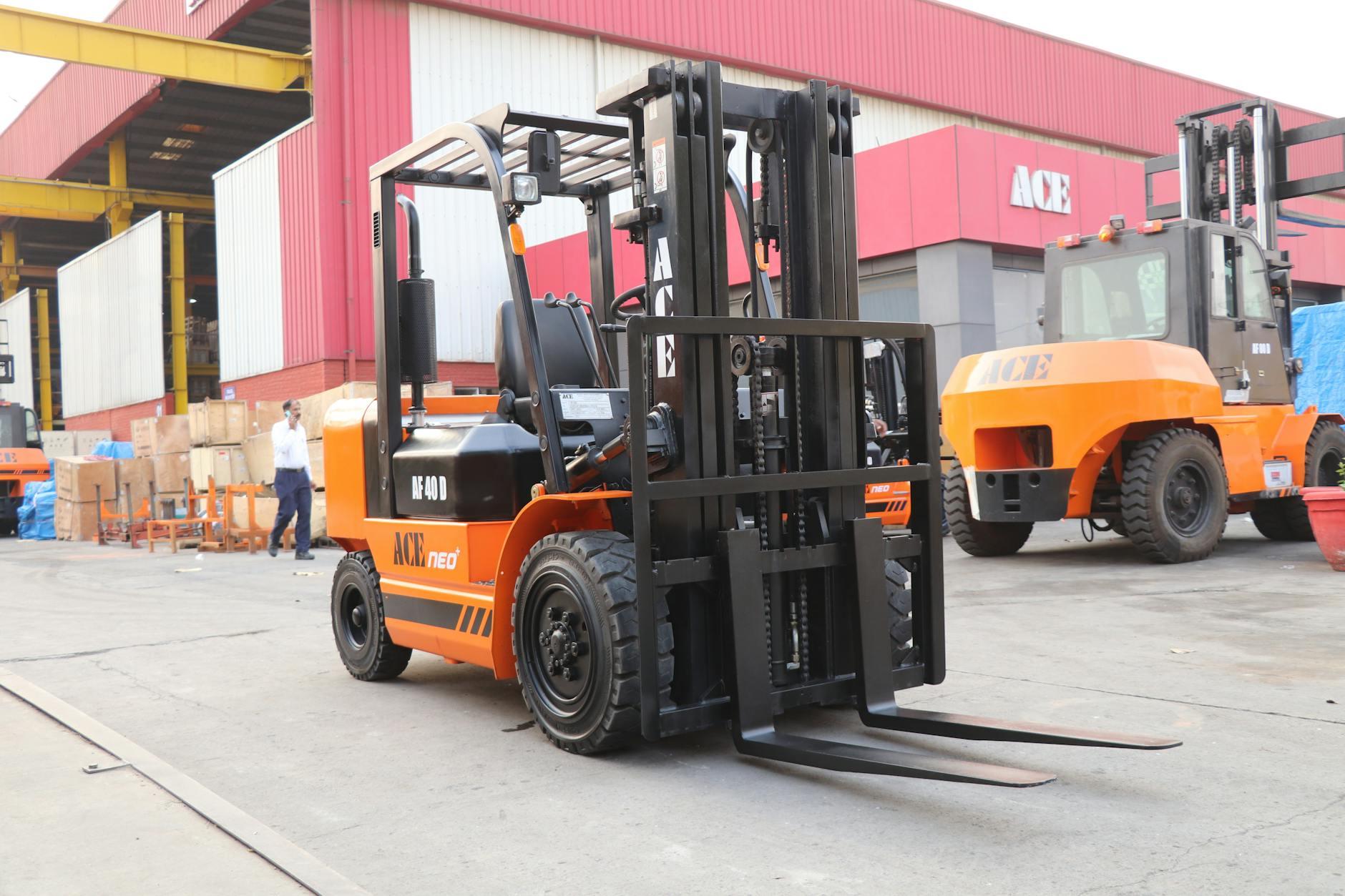
Master production scheduling system analyzes customer orders, available inventory, material lead times, and production capacity to generate optimal manufacturing schedules. Work order system breaks down finished goods into component requirements, generates pick lists for raw materials, tracks production progress through multiple operations, and captures labor hours and machine time for accurate costing. Integration with shop floor equipment enables real-time production monitoring, while quality control checkpoints are built directly into production workflows. Supports make-to-stock, make-to-order, and engineer-to-order manufacturing models.

Complete purchase order lifecycle from requisition through receiving, invoice matching, and payment processing. Vendor management system maintains pricing agreements, tracks delivery performance, monitors quality metrics, and manages vendor certifications and compliance documentation. Automated three-way matching compares purchase orders, receiving documents, and vendor invoices to flag discrepancies before payment approval. System generates suggested purchase orders based on inventory reorder points, open sales orders, and production schedules, while maintaining complete audit trails for procurement compliance.

General ledger system handles multi-entity accounting with departmental and project-level cost tracking, while accounts payable and receivable modules manage vendor payments and customer collections. Real-time integration means operational transactions—sales orders, purchase orders, inventory receipts, production completions—automatically generate corresponding accounting entries without manual journal entries. Cash flow forecasting analyzes open receivables, scheduled payables, and projected revenues to provide 90-day liquidity visibility. Month-end close processes are streamlined through automated accrual calculations, intercompany eliminations, and financial statement generation.
Sales order system provides real-time inventory availability, automatic pricing based on customer agreements and volume tiers, and intelligent promise date calculations considering production capacity and material lead times. Order fulfillment workflows guide warehouse staff through pick-pack-ship processes with barcode verification at each step, while integrated shipping software generates labels, tracking numbers, and shipping manifests. Customer portal provides self-service order status visibility, invoice access, and shipment tracking without consuming internal staff time.
Executive dashboard consolidates key metrics across financial performance, operational efficiency, inventory health, and sales pipeline in customizable views updated in real-time. Report builder enables business users to create custom reports without IT assistance, pulling data from any module and applying filters, groupings, and calculations. Automated report distribution emails scheduled reports to stakeholders, while alert system notifies designated users when metrics exceed defined thresholds. Historical trending and year-over-year comparisons reveal patterns that drive strategic decisions.
Quality control module manages inspection plans, captures measurement data, tracks non-conformances, and maintains corrective action workflows. Certificate of analysis generation automatically compiles test results and lot traceability data for customer shipments. Audit trail system logs every transaction with user identification and timestamp, supporting compliance with ISO, FDA, and industry-specific regulations. Document management system maintains controlled versions of specifications, procedures, and forms with automated approval workflows and electronic signatures.
MRP engine analyzes sales forecasts, open orders, current inventory, and bill of materials structures to calculate time-phased material requirements. System accounts for existing purchase orders, production orders, and safety stock levels when generating procurement and production recommendations. Multi-level bill of materials support enables complex product structures with sub-assemblies and phantom components, while where-used reporting shows which finished goods are affected by component shortages. Exception reporting highlights material shortages, excess inventory, and schedule conflicts requiring planner attention.
FreedomDev is very much the expert in the room for us. They've built us four or five successful projects including things we didn't think were feasible.
Automated data flows between modules eliminate duplicate entry and transcription errors. One source of truth ensures all departments work from identical information.
Accurate demand forecasting and automated reorder calculations minimize excess inventory while preventing stockouts. Real-time visibility enables just-in-time purchasing strategies.
Integrated financial accounting means operational transactions generate proper journal entries automatically. Reconciliation time drops from days to hours with real-time data validation.
Accurate promise dates based on real inventory and production capacity prevent over-commitments. Proactive exception management identifies potential delays before they impact customers.
Automation handles transaction processing that previously required manual effort. Companies typically support 40-50% revenue growth without increasing back-office headcount.
Real-time dashboards and reporting provide instant answers to critical questions. Decision-makers access accurate data without waiting for manual report compilation or analysis.
We spend 2-4 weeks documenting your current workflows, pain points, integration requirements, and business objectives. This includes shadowing staff performing key functions, analyzing data flows between systems, reviewing existing reports and dashboards, and understanding regulatory compliance needs. Deliverable is a detailed requirements document with workflow diagrams, data models, and integration specifications that becomes the blueprint for development.
We design the relational database structure that will store all operational and financial data, defining tables, relationships, indexes, and constraints that ensure data integrity and query performance. This phase includes integration architecture planning—mapping data flows between the ERP and existing systems, defining API specifications, and establishing synchronization schedules. We present the technical architecture for client review before beginning development.
Development happens in two-week sprints, with each sprint producing working functionality demonstrated to stakeholders. This iterative approach allows course corrections based on seeing actual screens and workflows rather than waiting months for a big reveal. Early sprints focus on core modules like item master data, customer/vendor management, and basic transaction processing, with subsequent sprints adding complexity like advanced workflows, reporting, and specialized functionality.
We establish a test environment with migrated data where your team performs actual business processes using the new ERP system. This UAT period typically runs 3-4 weeks, uncovering edge cases and workflow refinements before launch. Simultaneously, we conduct role-based training sessions where users learn their specific functions with hands-on practice. We provide detailed documentation including procedure manuals, quick reference guides, and troubleshooting resources.
Rather than risky 'big bang' cutovers, we implement phased launches where new modules go live while maintaining legacy systems in parallel. Financial modules typically launch first to establish the system of record, followed by inventory management, then procurement and sales. Each phase includes a parallel operation period where transactions are entered in both systems, allowing data validation before fully retiring legacy systems. This approach minimizes risk while maintaining business continuity.
Intensive support during the first 90 days includes rapid response to questions, remote assistance for complex scenarios, and quick fixes for any issues discovered during live operations. We monitor system performance, analyze usage patterns, and identify opportunities for workflow refinements. Ongoing maintenance includes regular enhancement cycles where we add functionality, improve reports, and optimize processes based on operational experience. The system continuously evolves with your business rather than becoming outdated legacy software.
Arizona's manufacturing sector employs over 155,000 workers across diverse industries—aerospace and defense contractors in Tucson, semiconductor fabrication facilities in Phoenix, medical device manufacturers in Scottsdale, and food processing operations throughout the state. These businesses share common operational challenges despite different end products: complex supply chains with global component sourcing, strict quality requirements, detailed regulatory compliance, and pressure to reduce costs while maintaining delivery performance. Our ERP systems address these challenges with unified platforms that connect procurement, production, quality, and financial management in real-time.
The Phoenix metro area serves as a major distribution hub for the southwestern United States, with strategic access to California, Nevada, New Mexico, and Mexico. Distribution companies operating from Arizona facilities face unique requirements: multi-temperature warehouse zones for food distributors, hazmat handling for chemical wholesalers, compliance with California air quality regulations for cross-border shipments, and complex customer delivery scheduling across sprawling metropolitan areas. We've built ERP systems that handle these operational complexities while maintaining the financial controls and reporting capabilities needed for business management.
Arizona's construction industry generates over $45 billion in annual activity, encompassing residential development, commercial projects, infrastructure work, and specialized facility construction. Construction ERP requirements differ significantly from manufacturing—project-based accounting with job costing, change order management, subcontractor coordination, lien waiver tracking, and certified payroll for prevailing wage projects. We implement construction-specific ERP modules that track costs at the project and phase level, manage equipment assignments across jobs, handle AIA billing formats, and maintain the documentation chains required for both private and public sector work.
The healthcare sector in Arizona includes major hospital systems, specialty clinics, medical device companies, and pharmaceutical distributors—each with distinct ERP needs. Medical device manufacturers require FDA-compliant quality systems with design history files and device master records. Healthcare providers need patient accounting systems integrated with practice management software and electronic health records. Pharmaceutical distributors must maintain DEA-compliant chain of custody documentation and DSCSA serialization tracking. Our healthcare ERP implementations build these regulatory requirements into core workflows rather than treating compliance as an afterthought.
Arizona's aerospace and defense industry concentration creates demand for ERP systems supporting government contracting requirements. Companies supplying military and aerospace customers need systems that track material certifications and country of origin, maintain ITAR compliance documentation, handle cost-plus contract accounting with proper overhead allocation, and generate the detailed reporting required for DCAA audits. We've implemented ERP systems that automatically compile the documentation packages government contracts require while simultaneously supporting commercial business operations with completely different requirements.
The agricultural sector in Arizona, while representing a smaller portion of the economy, has sophisticated ERP needs around harvest management, cold storage operations, food safety compliance, and distribution logistics. Growers and packers need systems that track field-level harvest data, manage grade and size classifications, maintain FSMA-compliant traceability, coordinate cold chain logistics, and handle complex customer specifications for packaging and labeling. Our agricultural ERP implementations integrate with specialized equipment like sorting lines and packing stations, pulling weight and quality data directly into inventory and financial systems.
Arizona's growing technology sector includes software companies, electronics manufacturers, and professional services firms that need ERP systems supporting project-based business models. These organizations require time and expense tracking integrated with project budgets, resource scheduling and allocation tools, milestone billing capabilities, and revenue recognition logic complying with ASC 606. We build professional services ERP modules that provide project managers with real-time visibility into budget consumption, resource utilization, and margin analysis while automating invoice generation based on time entries and milestone completions.
Cross-border trade with Mexico represents a significant portion of Arizona's business activity, with $23 billion in annual exports flowing through Arizona ports of entry. Companies engaged in international trade need ERP systems managing customs documentation, import/export compliance, foreign currency transactions, international supplier management, and coordination with customs brokers and freight forwarders. We implement trade management modules that generate commercial invoices, certificates of origin, and export declarations automatically from sales orders, while tracking shipments through international logistics networks and managing customs clearance documentation.
FreedomDev is based in West Michigan and works with clients remotely across the United States.
Schedule a direct consultation with one of our senior architects.
We've built ERP systems since 2003 across manufacturing, distribution, construction, healthcare, and professional services industries. This experience means we've solved the complex problems that derail ERP projects—handling multi-currency transactions, managing serial number traceability, implementing complex pricing logic, and maintaining data consistency across integrated systems. You benefit from lessons learned across dozens of implementations rather than being the test case for developers learning ERP concepts.
ERP success depends on seamless integration with existing systems. We've built connections between ERP platforms and accounting software, CRM systems, e-commerce websites, payment processors, shipping platforms, EDI networks, and industry-specific applications. Our [Real-Time Fleet Management Platform](/case-studies/great-lakes-fleet) demonstrates integration capabilities—processing GPS data every 30 seconds while synchronizing with dispatch systems and customer portals. This integration experience ensures your ERP works with your existing technology investments rather than requiring wholesale replacement.
We write code specifically for your business rather than configuring templates or frameworks. This means your ERP includes exactly the functionality you need without compromise. A unique approval workflow? Custom pricing calculation? Specialized reporting format? These become native features rather than workarounds. You're not constrained by someone else's assumptions about how businesses should operate. Our [custom software development](/services/custom-software-development) approach delivers solutions that fit your processes, not vice versa.
We provide fixed-price proposals for defined scope, with clear processes for handling scope changes or additions. No surprise consulting fees or time-and-materials billing that spirals out of control. Project status is visible through shared dashboards showing completion percentages, upcoming milestones, and open issues. Regular demonstrations every two weeks allow you to see progress and provide feedback continuously rather than waiting months for deliverables. You maintain control and visibility throughout implementation rather than wondering what's happening behind the curtain.
We maintain the systems we build with ongoing support, enhancement, and optimization services. You're not handed a completed system and left to figure out maintenance on your own. We provide documentation that makes sense, code that's readable and maintainable, and architecture that accommodates future growth. Most client relationships extend 5-10+ years beyond initial implementation, with continuous system refinement as business needs evolve. [Contact us](/contact) to discuss how a custom ERP system can transform your Arizona business operations.
Explore all our software services in Arizona
Let’s build a sensible software solution for your Arizona business.