
Expert custom software development in Ohio, tailored to your unique business needs and goals. Our team delivers innovative software solutions to drive growth and efficiency.
FreedomDev is based in West Michigan and works with clients remotely across the United States.
Ohio's manufacturing sector contributes over $111 billion annually to the state's economy, with more than 14,000 manufacturing establishments requiring increasingly sophisticated software systems to manage complex supply chains, production workflows, and regulatory compliance. From Cleveland's medical device manufacturers to Cincinnati's aerospace suppliers and Columbus's growing tech sector, companies across the Buckeye State face unique operational challenges that off-the-shelf software simply cannot address. We've spent over two decades building custom software solutions that solve real production bottlenecks, eliminate manual data entry, and provide the real-time visibility that Ohio manufacturers need to compete globally.
The difference between generic software and purpose-built solutions becomes immediately apparent in operational efficiency. When a Toledo automotive parts manufacturer struggled with a legacy ERP system that couldn't track real-time inventory across three facilities, we built a custom inventory management platform that reduced stock discrepancies by 87% within the first quarter. The system integrated directly with their existing quality management software and provided shop floor operators with mobile access to part specifications and inventory levels. This wasn't about replacing their entire infrastructure—it was about building precisely what they needed to solve a specific operational problem that was costing them thousands in expedited shipping fees and lost production time.
Ohio businesses operate in highly regulated industries where compliance isn't optional. Pharmaceutical distributors in the I-71 corridor must maintain detailed chain-of-custody documentation, food processors need FSMA-compliant traceability systems, and manufacturers exporting products require complex export control tracking. We've built custom compliance platforms for companies across these sectors, understanding that regulatory requirements aren't just checkboxes but mission-critical operational components. Our [business intelligence](/services/business-intelligence) solutions transform compliance data into actionable insights, helping companies identify potential issues before they become violations.
The technical debt that accumulates in legacy systems represents a hidden cost that many Ohio companies struggle to quantify. We frequently work with businesses running critical operations on Access databases built fifteen years ago or Excel macros maintained by employees who retired years ago. One Dayton-based distributor was processing $40 million in annual orders through a Visual Basic 6 application that required constant workarounds and couldn't integrate with their accounting system. We migrated their entire operation to a modern web-based platform with [QuickBooks Bi-Directional Sync](/case-studies/lakeshore-quickbooks) capabilities, eliminating double entry and reducing order processing time from twenty minutes to three minutes per order.
Manufacturing execution systems (MES) represent a particularly complex category of custom software where one-size-fits-all solutions consistently fall short. Production environments vary dramatically—what works for a job shop running small batches across multiple product lines won't work for a high-volume assembly operation. We built a custom MES for an Ohio metal fabrication company that needed to track work-in-progress across five production cells, maintain real-time equipment utilization metrics, and automatically generate shift reports for their ISO 9001 audits. The system reduced paperwork by 75% and gave their production manager visibility that was previously impossible with their manual tracking systems.
Integration challenges multiply as companies grow through acquisition or expand their technology stack. A Columbus-based logistics company we worked with was operating separate systems for dispatching, billing, customer relationship management, and fleet maintenance—none of which communicated with each other. We developed a [systems integration](/services/systems-integration) solution that created a unified data layer across all four platforms, eliminating the redundant data entry that was consuming fifteen hours per week of administrative time. The integration layer also enabled automated workflow triggers, like generating invoices immediately upon delivery confirmation without manual intervention.
Data accessibility becomes a competitive advantage when field teams, remote employees, and multiple facilities need real-time information. Our [Real-Time Fleet Management Platform](/case-studies/great-lakes-fleet) demonstrates how custom software can transform operational visibility for companies managing distributed assets. While this specific implementation served the Great Lakes shipping industry, we've applied similar architectural principles for Ohio construction companies tracking equipment across job sites, HVAC service providers managing technician schedules, and agricultural operations monitoring equipment utilization across multiple farms. The core requirement remains consistent: providing accurate, real-time data to decision-makers regardless of their physical location.
Security requirements for custom software have evolved dramatically as cyber threats become more sophisticated and state-level privacy regulations create additional compliance requirements. Ohio companies handling customer data, proprietary manufacturing processes, or regulated information need software architectures that implement security at every layer. We build applications with role-based access controls, encrypted data transmission, comprehensive audit logging, and secure API authentication. For one healthcare software company in Cleveland, we implemented a custom patient portal with HIPAA-compliant messaging, two-factor authentication, and automatic session timeouts that met both security requirements and usability expectations.
The technology decisions made today will impact operational capabilities for the next decade. We help Ohio businesses evaluate whether to build custom solutions or configure existing platforms, when to replace legacy systems versus extending their life through integration, and how to prioritize development investments for maximum business impact. Our [custom software development expertise](/services/custom-software-development) extends beyond coding—we function as strategic technology partners who understand that every development dollar must deliver measurable operational improvements. This business-first approach is why companies return to us for subsequent projects after seeing the tangible results from their initial investments.
Scalability planning separates software that grows with your business from solutions that become constraints. When designing custom applications, we architect for the company you're becoming, not just the operation you are today. A Cincinnati manufacturer we worked with anticipated doubling their production capacity within three years—we built their production scheduling system to handle ten times their current volume without architectural changes. This forward-thinking approach cost approximately 15% more in initial development but eliminated the need for a costly rebuild just as they entered their growth phase. Understanding business trajectories and building appropriate technical foundations is fundamental to long-term software success.
Mobile accessibility has shifted from a nice-to-have feature to an operational requirement for most Ohio businesses. Warehouse managers need inventory visibility from the floor, service technicians require access to customer history while on-site, and executives want dashboard access during supplier visits. We develop mobile-responsive web applications and native mobile apps depending on the specific use case and performance requirements. For one agricultural equipment dealer, we built a native iOS app that allowed their field service technicians to access repair manuals, order parts, and process warranty claims from customer sites with intermittent connectivity—the offline-first architecture synchronized data automatically when connections were restored.
The relationship between custom software and operational efficiency becomes measurable through specific KPIs that matter to each business. We don't measure success by lines of code or the number of features—we measure it by reductions in processing time, decreases in error rates, improvements in inventory turnover, or increases in customer satisfaction scores. One Ohio distributor tracked a 34% improvement in order accuracy after implementing our custom order management system, which translated directly to a 12% reduction in returns and a measurable improvement in customer retention. These concrete results demonstrate why purpose-built software delivers ROI that generic solutions cannot match.
We specialize in migrating Ohio businesses from outdated platforms to modern architectures while maintaining operational continuity. Our phased migration approach allows you to continue processing orders, manufacturing products, and serving customers throughout the entire transition. We've successfully migrated companies from AS/400 systems, FoxPro databases, and custom DOS applications to cloud-based platforms with zero downtime. One Cleveland manufacturer maintained full production during a six-month migration from a 1990s-era system, with parallel operations ensuring data integrity at every phase.

Our manufacturing execution systems provide the real-time visibility that Ohio manufacturers need to optimize production efficiency. We integrate directly with PLCs, SCADA systems, and industrial equipment to capture production metrics automatically, eliminating manual data collection. Dashboard solutions display OEE calculations, downtime analysis, and quality metrics for production managers who need immediate insights. A Youngstown manufacturer reduced unplanned downtime by 23% within four months of implementing our real-time monitoring platform, identifying equipment issues before they caused production stops.
Ohio companies operating across multiple warehouses, retail locations, or production facilities need unified inventory visibility that standard systems rarely provide. We build custom inventory platforms that track stock levels, movements, and reservations across all locations with real-time synchronization. Our solutions integrate with existing ERP systems, e-commerce platforms, and point-of-sale terminals to maintain accurate counts. One distributor with warehouses in Columbus, Cleveland, and Cincinnati eliminated $180,000 in excess safety stock after gaining visibility into actual inventory positions across all facilities.

Ohio businesses in regulated industries spend countless hours on compliance documentation and reporting. We automate compliance workflows, generate required reports, and maintain audit trails that satisfy regulatory requirements. Our custom compliance platforms for pharmaceutical distributors automatically track temperature excursions, generate exception reports, and maintain the chain-of-custody documentation required by the FDA. We've built OSHA reporting systems for manufacturers, FSMA traceability solutions for food processors, and export control platforms for companies shipping internationally.
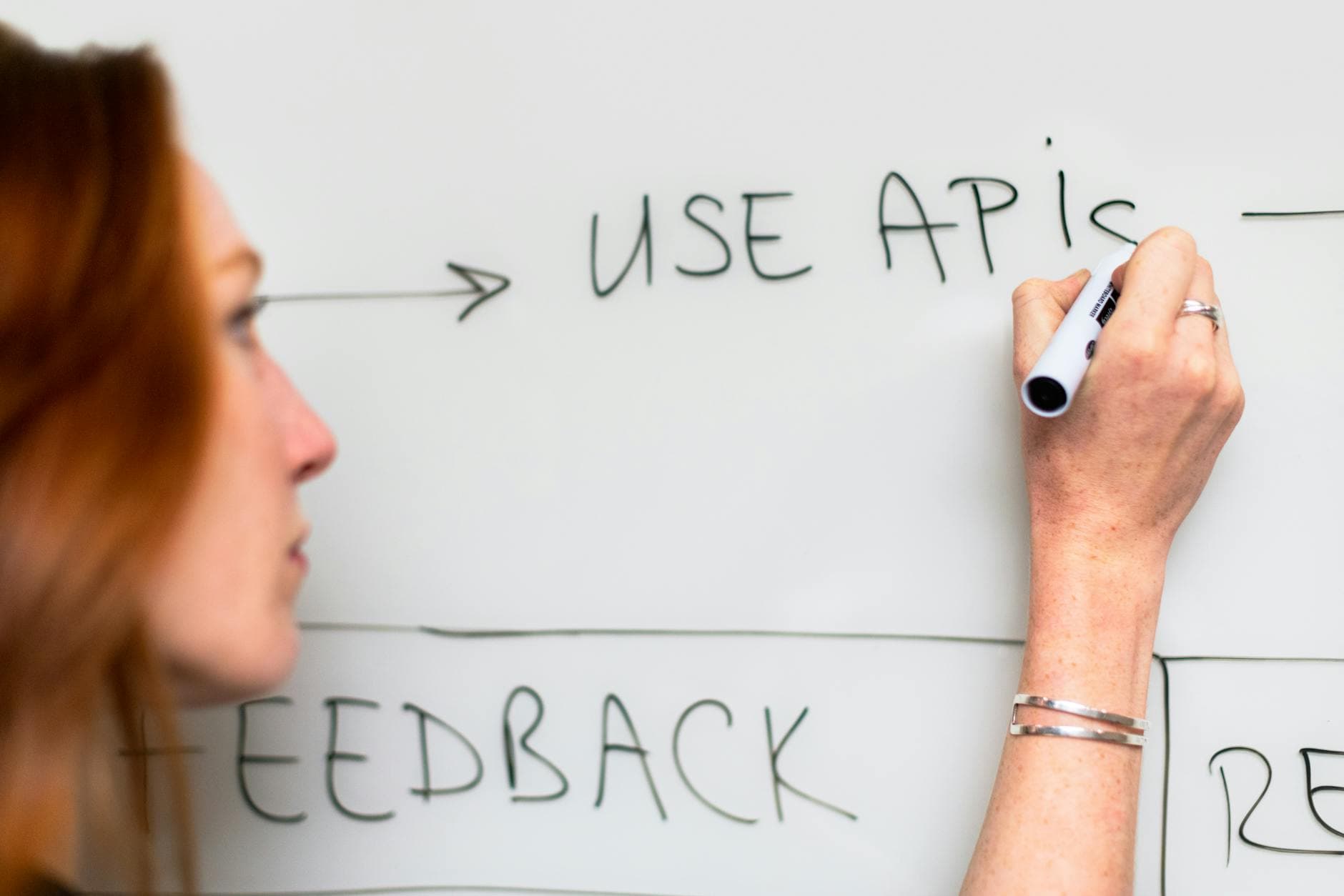
Modern business operations require seamless data flow between multiple software platforms. We develop custom APIs and integration layers that connect your existing systems, eliminate duplicate data entry, and enable automated workflows. Our [systems integration](/services/systems-integration) projects have connected CRM platforms with accounting systems, e-commerce sites with inventory management, and shipping platforms with ERP systems. One Ohio retailer eliminated eighteen hours per week of manual data entry by implementing our custom integration between their Shopify store and NetSuite ERP.
Application performance problems frequently originate at the database layer, where poor schema design, missing indexes, or inefficient queries create bottlenecks. Our [sql consulting](/services/sql-consulting) services identify and resolve these performance issues. We've optimized SQL Server databases handling millions of transactions for Ohio businesses, reducing report generation times from hours to minutes. One Cincinnati company's customer portal was timing out during peak usage—we restructured their database architecture and optimized their query patterns, improving response times by 440% without hardware upgrades.
Custom customer portals reduce support costs while improving customer satisfaction by providing 24/7 access to order history, documentation, and account management. We build secure, branded portal solutions that integrate with your back-office systems to display real-time information. For one Ohio distributor, we developed a customer portal that allows contractors to check product availability, place orders, access invoices, and track shipments—reducing phone inquiries by 56% while actually improving customer satisfaction scores. The portal integrated with their existing ERP system, displaying live inventory and pricing without manual synchronization.
Every business has unique workflows that don't fit standard software patterns. We build custom workflow engines that enforce your business rules, automate approval processes, and ensure consistency across your organization. For a Columbus-based company with a complex quote approval process involving multiple departments and customer-specific pricing rules, we developed an automated workflow system that reduced quote turnaround time from five days to four hours. The system automatically routed quotes based on product type, customer segment, and margin thresholds, maintaining complete audit trails for every decision point.
FreedomDev is very much the expert in the room for us. They've built us four or five successful projects including things we didn't think were feasible.
Custom integration solutions eliminate the double and triple entry that wastes hours each week and introduces errors. Automated data synchronization across platforms ensures consistency while freeing your team for higher-value activities.
Purpose-built dashboards and reporting tools provide the specific metrics that matter to your business. Make decisions based on current data rather than end-of-month reports that reflect conditions from weeks ago.
Custom architectures designed for your growth trajectory eliminate the need for costly replacements when you outgrow off-the-shelf solutions. Handle increased transaction volumes, additional users, and new product lines without platform constraints.
Software built around your specific customer interactions provides better service than generic solutions. Faster order processing, accurate information, and self-service capabilities differentiate your company from competitors using standard platforms.
Custom solutions often cost less over time than enterprise software subscriptions that charge per user or per transaction. Own your platform rather than paying increasing subscription fees as your business grows.
Your unique processes and methodologies represent competitive advantages that generic software cannot support. Custom platforms protect these differentiators while making them more efficient and consistent across your organization.
We begin every project by understanding your current processes, pain points, and business objectives. This involves detailed interviews with stakeholders across departments, observation of current workflows, and analysis of existing systems and data structures. For Ohio manufacturing clients, we typically spend time on the production floor observing actual operations rather than relying solely on conference room discussions. This discovery phase produces detailed requirements documentation and project scope definitions that ensure we're solving the right problems.
Based on requirements, we design the technical architecture, database schema, integration approach, and technology stack. This phase addresses scalability requirements, integration points with existing systems, security considerations, and deployment architecture. For complex projects, we develop proof-of-concept implementations for high-risk integration points or novel technical approaches. You receive detailed technical specifications and architecture diagrams that explain how the system will function and integrate with your existing technology environment.
We develop software in two-week sprint cycles, delivering working functionality regularly rather than waiting months to show progress. Each sprint concludes with a demonstration where you can interact with completed features, provide feedback, and request adjustments. This iterative approach ensures the software matches your expectations and allows you to refine requirements as you see functionality take shape. Most Ohio clients appreciate seeing tangible progress frequently rather than waiting for a big reveal at the end of development.
As development progresses, we continuously test functionality and integration points to catch issues early when they're easier to fix. Formal testing phases include unit testing of individual components, integration testing across system boundaries, performance testing under expected load conditions, and user acceptance testing with your team. For manufacturing systems, we conduct extensive testing with actual production data and simulated operational scenarios. Security testing and vulnerability assessments ensure the application meets your security requirements before production deployment.
We plan deployment carefully to minimize business disruption, often using phased rollouts or parallel operations during transitions. Comprehensive training ensures your team understands how to use the new system effectively, with role-specific sessions tailored to different user groups. During go-live, we provide on-site or readily available remote support to address questions quickly and resolve any unexpected issues. Post-deployment monitoring ensures system performance and stability while users adapt to new workflows.
Software implementation isn't the end of the relationship—it's the beginning of an ongoing partnership. We provide warranty support to address any bugs or issues discovered after launch, and most clients establish support agreements for ongoing assistance. As your business evolves, we help you enhance and expand the system with new functionality. Regular check-ins ensure the software continues meeting your needs and identify opportunities for optimization or additional automation as your operations change.
Ohio's economy represents a diverse mixture of legacy manufacturing, emerging technology sectors, and established service industries that each face distinct software challenges. The state's manufacturing base—particularly strong in automotive, aerospace, steel, and plastics—often operates with systems implemented decades ago that were never designed for today's global supply chains or just-in-time production requirements. Meanwhile, Columbus has emerged as a significant technology hub with companies like CoverMyMeds and Root Insurance demonstrating the state's growing software development capabilities. This combination creates a unique market where traditional industries increasingly need modern software solutions while competing for technical talent with fast-growing tech companies.
The geographic distribution of Ohio businesses creates specific infrastructure and connectivity considerations for custom software implementations. Companies in rural manufacturing areas may face bandwidth limitations that affect cloud application performance, requiring hybrid architectures that maintain local processing capabilities with cloud synchronization. We've designed systems for Ohio agricultural operations and rural manufacturers that function effectively with limited connectivity while still providing centralized reporting and management capabilities. Understanding these infrastructure realities ensures that custom software performs reliably in actual operating environments rather than just in ideal testing conditions.
Ohio's position as a logistics hub with access to multiple interstate highways, rail lines, and Lake Erie ports makes supply chain and transportation software particularly critical. Companies managing freight movements, warehouse operations, and distribution networks need systems that provide real-time visibility across complex logistics networks. We've built custom transportation management systems for Ohio logistics companies that optimize routing, automate carrier selection, and provide shipment visibility to customers. These solutions integrate with existing ERP systems while adding the specialized logistics functionality that general business platforms don't provide.
The state's strong presence of family-owned and multi-generational businesses creates unique software succession planning challenges. Many Ohio manufacturers are in their third or fourth generation of family ownership, often running critical business processes on systems that only a few employees fully understand. We help these businesses document existing workflows, modernize their technology infrastructure, and ensure knowledge transfer to the next generation of leadership. This isn't just about replacing old software—it's about preserving institutional knowledge while building scalable platforms for future growth.
Workforce considerations significantly impact software development priorities for Ohio businesses. As experienced manufacturing workers retire, companies need systems that capture their expertise and make it accessible to newer employees. We build custom training modules, work instruction systems, and quality control platforms that codify best practices and reduce the knowledge gap. One Akron manufacturer implemented our custom quality management system that embedded detailed inspection criteria and measurement techniques, reducing defect rates by 31% despite significant workforce turnover in their quality department.
The regulatory environment for Ohio manufacturers creates ongoing compliance requirements that generic software handles poorly. Companies must track and report environmental data, maintain OSHA records, document quality systems for ISO certification, and comply with customer-specific requirements from automotive and aerospace OEMs. We develop integrated compliance platforms that consolidate these various requirements into unified systems. Rather than maintaining separate spreadsheets and databases for each regulatory requirement, companies gain centralized platforms where compliance becomes a byproduct of normal operations rather than an additional administrative burden.
Ohio's proximity to Michigan's automotive industry, Pennsylvania's energy sector, and Indiana's manufacturing base creates cross-border business relationships that add complexity to software requirements. Companies need systems that handle multiple tax jurisdictions, various state-specific regulatory requirements, and integration with customer and supplier systems across state lines. We've built custom platforms for Ohio distributors serving multi-state territories, manufacturers with facilities in neighboring states, and service providers operating across the Midwest. These solutions address the specific complications of multi-state operations while maintaining the simplicity that users need for daily productivity.
The seasonal nature of some Ohio industries creates unique software scalability requirements. Agricultural operations, construction companies, and tourism-related businesses experience dramatic volume fluctuations throughout the year. We design systems with elastic capacity that scales resources during peak seasons without maintaining expensive infrastructure year-round. Cloud architectures with usage-based pricing align technology costs with business cycles, ensuring that companies aren't paying for capacity they only need three months per year. This approach has proven particularly valuable for Ohio agricultural operations that process the majority of their annual volume during harvest season.
FreedomDev is based in West Michigan and works with clients remotely across the United States.
Schedule a direct consultation with one of our senior architects.
We've spent over twenty years solving software problems for manufacturing and distribution companies across the Midwest. This experience means we understand production workflows, inventory challenges, quality requirements, and the practical realities of industrial environments. We know how manufacturing companies operate because we've been inside dozens of facilities from job shops to high-volume assembly operations, and we bring this domain expertise to every project.
Our success metrics focus on operational improvements—reduced processing time, fewer errors, improved inventory accuracy, faster order fulfillment—not technical sophistication. We select technology stacks based on long-term supportability, performance requirements, and integration needs rather than chasing the latest frameworks. This pragmatic approach delivers solutions that work reliably and solve actual business problems rather than impressive demonstrations that don't translate to daily operational improvements.
You receive complete source code ownership and comprehensive documentation for every system we build. We don't create dependencies that force you to use our services indefinitely—your IT team or other development partners can maintain and enhance the software if your needs change. Most clients continue working with us because of the value we deliver and the relationship we've built, not because contractual obligations or technical dependencies leave them no choice.
Our [systems integration](/services/systems-integration) experience spans hundreds of successful implementations connecting custom applications with ERP systems, accounting platforms, CRM software, e-commerce sites, and industrial equipment. We've solved the integration challenges that sink many custom software projects, and we bring proven patterns and approaches to complex integration requirements. This expertise means your custom software will work seamlessly with your existing technology investments rather than creating isolated data silos.
We provide honest assessments about what custom software can accomplish, realistic timelines for development, and transparent pricing without hidden costs. If an off-the-shelf solution would better serve your needs, we'll tell you. If your timeline expectations are unrealistic, we'll explain why and discuss alternatives. This straightforward approach builds trust and ensures you make informed decisions about technology investments. You can review [our case studies](/case-studies) to see the specific results we've delivered for companies facing challenges similar to yours.
Explore all our software services in Ohio
Let’s build a sensible software solution for your Ohio business.