
Kansas businesses contribute over $175 billion annually to the state's GDP, with manufacturing, agriculture technology, and aviation representing the largest technology adoption sectors. Companies from Wichita's aerospace corridor to Kansas City's logistics hubs face unique challenges integrating legacy systems with modern cloud infrastructure while maintaining 99.9% uptime for critical operations. FreedomDev brings over 20 years of experience building custom software that solves specific operational problems—not generic platforms that require your business to adapt to the software.
The agricultural technology sector in Kansas processes billions of data points from IoT sensors, satellite imagery, and precision farming equipment that must integrate with commodity trading platforms, supply chain systems, and regulatory compliance databases. Our team recently delivered a [Real-Time Fleet Management Platform](/case-studies/great-lakes-fleet) that processes 50,000+ GPS coordinates daily with sub-second latency, demonstrating our capability to handle data-intensive applications that Kansas agribusinesses require. We architect solutions that scale from pilot programs to statewide deployments without requiring complete rebuilds.
Manufacturing operations in Kansas—particularly in aviation and industrial equipment sectors—depend on custom software that connects shop floor systems with ERP platforms, quality management databases, and supply chain networks. A [QuickBooks Bi-Directional Sync](/case-studies/lakeshore-quickbooks) implementation we built processes 10,000+ financial transactions monthly with automated reconciliation and error handling, eliminating manual data entry that previously consumed 15 hours weekly. Our development approach focuses on measurable ROI: reduced processing time, eliminated duplicate data entry, and automated workflows that free your team for strategic work.
Kansas businesses working with distributed teams across multiple locations need software that operates consistently whether accessed from Topeka headquarters, field operations in western Kansas, or remote facilities. We implement role-based access controls that comply with industry regulations while maintaining fast response times over varying network conditions. Our [custom software development expertise](/services/custom-software-development) includes offline-capable mobile applications that sync automatically when connectivity is restored, critical for agricultural, energy, and transportation sectors operating in rural areas.
The total cost of custom software ownership extends beyond initial development to include maintenance, updates, security patches, and feature enhancements over 5-10 year lifecycles. We provide Kansas clients with detailed documentation, modular architectures that simplify updates, and transfer knowledge that allows internal teams to manage routine modifications. Unlike vendor lock-in scenarios where you're captive to a single provider's pricing and timeline, our development approach emphasizes transparency and client empowerment throughout the software lifecycle.
Healthcare organizations, financial services firms, and government contractors in Kansas face stringent compliance requirements including HIPAA, SOC 2, and FedRAMP standards that generic software rarely satisfies out-of-the-box. Our development methodology incorporates security by design—encryption at rest and in transit, comprehensive audit logging, and access controls built into the application architecture rather than added as afterthoughts. We conduct code reviews focused on security vulnerabilities and performance bottlenecks before they reach production environments.
Legacy system modernization represents a significant challenge for established Kansas businesses running critical operations on platforms from the 1990s and early 2000s. Rather than risky "rip and replace" migrations that disrupt operations for months, we implement phased modernization strategies using APIs to connect legacy databases with modern interfaces and cloud services. This approach allows your team to continue daily operations while gradually transitioning to new systems, reducing implementation risk and spreading capital investment over multiple budget cycles.
Integration challenges consume substantial resources when Kansas businesses operate multiple disconnected systems—one for inventory, another for accounting, a third for customer relationship management, and spreadsheets filling the gaps. Our [systems integration](/services/systems-integration) services create automated data flows between platforms, eliminating manual exports, imports, and reconciliation processes. We've built integrations connecting enterprise systems from SAP and Oracle to industry-specific platforms and proprietary databases, ensuring data consistency across your technology ecosystem.
The agriculture technology sector in Kansas processes weather data, soil analytics, equipment telemetry, and market information that must be transformed into actionable insights for operations teams. We build [business intelligence](/services/business-intelligence) solutions that aggregate data from disparate sources into unified dashboards showing real-time metrics, historical trends, and predictive analytics. These systems help Kansas agribusinesses optimize planting schedules, irrigation systems, and harvest logistics based on data-driven forecasts rather than gut instinct.
Manufacturing operations require custom software that connects directly with PLCs, SCADA systems, and industrial equipment generating continuous data streams. We develop solutions that monitor production metrics in real-time, trigger alerts when parameters exceed thresholds, and automatically log quality control data for regulatory compliance. One manufacturing client reduced equipment downtime by 34% through predictive maintenance alerts generated by machine learning models analyzing vibration, temperature, and performance data.
Customer portals and B2B platforms represent significant revenue opportunities for Kansas businesses serving clients across multiple states or internationally. We build secure, scalable portals that allow customers to place orders, track shipments, access documentation, and manage accounts without calling your support team. These self-service platforms reduce operational costs while improving customer satisfaction through 24/7 availability and instant access to information. Integration with your existing ERP, inventory, and accounting systems ensures data accuracy across all customer touchpoints.
Mobile applications for field service teams, sales representatives, and remote operations require offline capability, efficient synchronization, and intuitive interfaces that work with gloves or in bright sunlight. We develop native iOS and Android applications along with progressive web apps that function reliably in areas with limited connectivity. Our [database services](/services/database-services) include designing synchronization strategies that handle conflicts, preserve data integrity, and minimize bandwidth consumption for teams operating across Kansas's diverse geography.
Modern applications built on AWS, Azure, or Google Cloud infrastructure provide scalability and reliability impossible with traditional on-premise hosting, but Kansas businesses often need to maintain connections with existing data centers and equipment. We design hybrid architectures using secure VPN tunnels, API gateways, and message queues that connect cloud services with your on-premise systems. This approach delivers cloud benefits—automatic scaling, geographic redundancy, managed services—while preserving investments in existing infrastructure. Our implementations include disaster recovery strategies with automated failover and data replication across multiple availability zones.

Agricultural operations, manufacturing facilities, and logistics companies in Kansas deploy thousands of IoT sensors generating continuous data streams that must be processed, analyzed, and acted upon within seconds. We build event-driven architectures using message brokers like RabbitMQ or Apache Kafka that handle 100,000+ events per second with guaranteed delivery and exactly-once processing semantics. These systems detect anomalies, trigger automated responses, and store historical data for trend analysis. One agriculture client processes data from 2,400+ field sensors every 5 minutes, automatically adjusting irrigation systems based on soil moisture, weather forecasts, and crop growth stages.
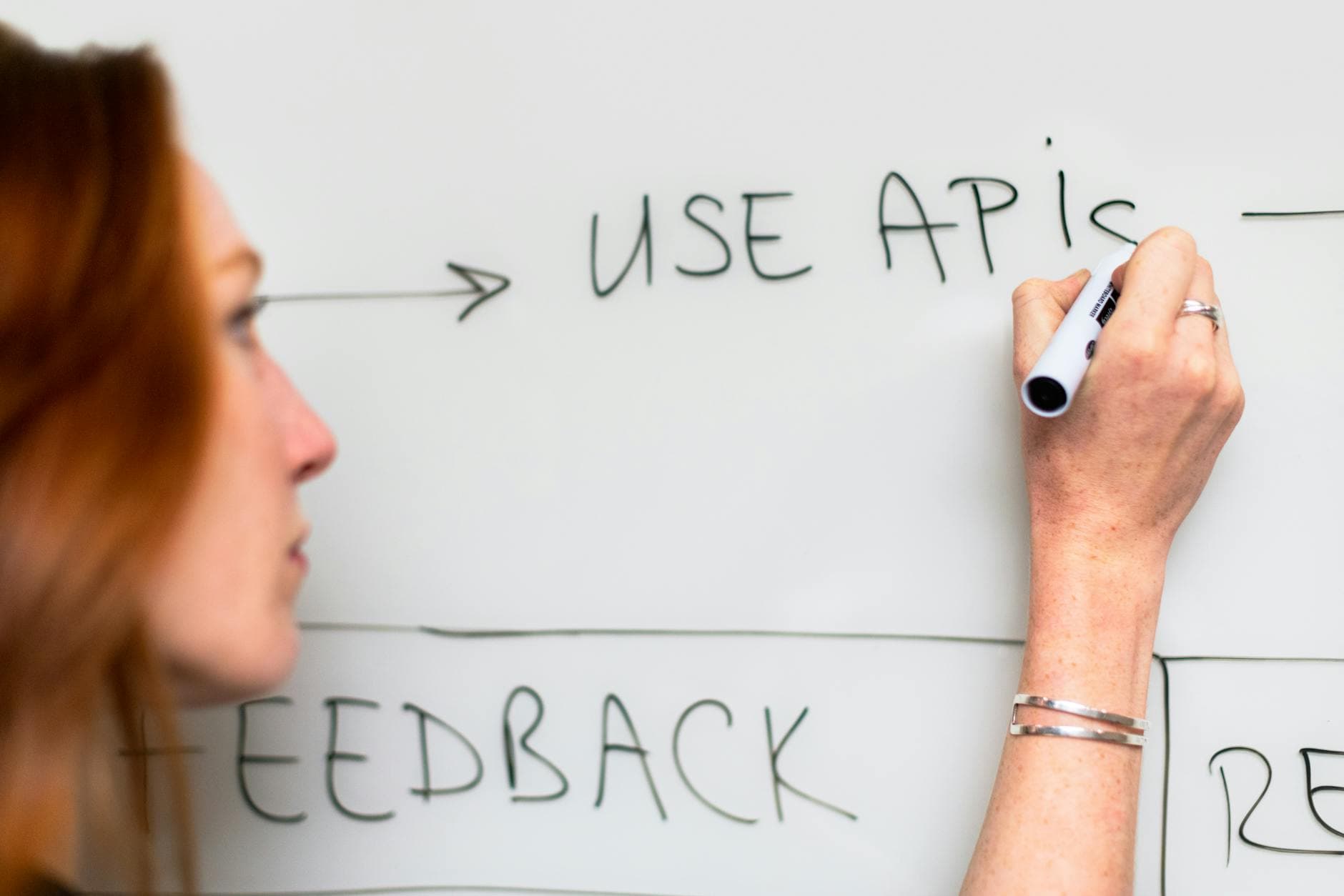
Every custom application we build includes a comprehensive REST or GraphQL API that allows future integrations with mobile apps, third-party services, and systems you haven't yet deployed. This API-first approach separates business logic from presentation layers, making it simple to add new interfaces—chatbots, voice assistants, IoT devices—without modifying core application code. Documentation includes interactive API explorers, authentication examples, and rate limiting information that external developers or internal teams need for successful integrations. We've built APIs handling 50 million+ requests monthly with sub-100ms response times.

Software quality depends on comprehensive testing regimens that catch bugs before they reach production environments and impact your operations. We implement automated test suites covering unit tests, integration tests, and end-to-end workflows that execute with every code change. Continuous integration pipelines automatically build, test, and deploy code to staging environments where your team can validate functionality before production releases. This approach reduces deployment risk, accelerates feature delivery, and provides confidence that updates won't disrupt existing functionality. Our test coverage typically exceeds 85% for critical business logic.
Complex organizations require granular permission systems that control data access based on department, role, location, and responsibility level. We implement attribute-based access control (ABAC) systems that evaluate multiple factors before granting permissions, ensuring employees see only data relevant to their functions. Comprehensive audit logs record every data access, modification, and deletion with user identification, timestamp, and IP address for compliance reporting and security investigations. These security controls satisfy regulatory requirements while maintaining usability—authorized users access needed information without navigating bureaucratic approval processes.
Historical data contains patterns that predict equipment failures, forecast demand, identify fraud, and optimize resource allocation—but extracting these insights requires specialized machine learning expertise. We build predictive models using Python libraries like scikit-learn, TensorFlow, and PyTorch, then deploy them as microservices that integrate with your operational systems. One manufacturing client's predictive maintenance system analyzes vibration patterns to forecast bearing failures 2-3 weeks before they occur, allowing scheduled replacements during planned downtime rather than emergency repairs during production runs.
Your team accesses software from desktop workstations, tablets on the manufacturing floor, and smartphones in the field—requiring interfaces that adapt to different screen sizes while maintaining full functionality. We implement responsive designs using modern CSS frameworks and progressive web app technologies that deliver native app experiences through web browsers. These applications work offline when connectivity is unavailable, synchronize automatically when connections are restored, and provide consistent experiences whether accessed from Windows desktops, iPads, or Android phones. Interface designs follow accessibility standards ensuring usability for all team members.
Application performance depends fundamentally on database architecture—proper indexing, query optimization, and data modeling make the difference between sub-second response times and frustrating delays. We design database schemas that balance normalization for data integrity with denormalization for query performance, implement caching strategies that reduce database load by 60-80%, and use connection pooling to handle concurrent users efficiently. For applications requiring extreme scalability, we implement sharding strategies that distribute data across multiple database servers, supporting millions of records with consistent query performance.
FreedomDev definitely set the bar a lot higher. I don't think we would have been able to implement that ERP without them filling these gaps.
Automated data flows between systems save 10-30 hours weekly per employee while reducing errors from 4-5% with manual entry to under 0.1% with validated automated transfers.
Custom software automates routine processes allowing Kansas businesses to handle 2-3x transaction volume with existing teams, improving margins while maintaining service quality.
Custom applications that embody your unique business processes become competitive moats that off-the-shelf software cannot replicate, differentiating your offerings in crowded markets.
Dashboards showing current operations, historical trends, and predictive analytics enable Kansas executives to make informed decisions based on data rather than intuition or outdated reports.
Custom software eliminates recurring licensing fees, per-user charges, and forced upgrades while providing exactly the features your business requires without paying for unused functionality.
Geographic redundancy, automated failover, and disaster recovery strategies ensure Kansas operations continue during infrastructure failures, weather events, or cyberattacks.
We begin every Kansas engagement with comprehensive discovery: interviewing stakeholders, documenting current workflows, identifying pain points, and cataloging existing systems requiring integration. This phase produces detailed requirements documents, user stories, and acceptance criteria that define project scope. We inventory technical constraints, regulatory requirements, and performance expectations that will guide architecture decisions. Discovery typically requires 2-3 weeks with daily access to subject matter experts who understand current operations and desired improvements.
Based on requirements, we design system architecture covering database schemas, API structures, integration patterns, security controls, and deployment infrastructure. Architecture documents include technology selections with justifications, data flow diagrams, and scalability considerations. We identify technical risks and mitigation strategies before writing code, preventing expensive rework later. Kansas clients review and approve architecture before development begins, ensuring alignment with IT standards, security policies, and long-term technology roadmaps.
Development proceeds in 2-week sprints, each delivering working software demonstrating specific features. Bi-weekly demos allow Kansas clients to see progress, provide feedback, and adjust priorities based on evolving understanding. This iterative approach catches misunderstandings early when corrections are simple rather than discovering issues during final testing. We maintain staging environments where clients can test features between demos, ensuring continuous visibility into development progress rather than waiting months for a big reveal.
Comprehensive testing verifies that software meets requirements, handles edge cases correctly, maintains security standards, and performs adequately under realistic loads. Automated test suites catch regressions while manual testing by your team validates that workflows match operational needs. We provide test environments populated with realistic (but scrubbed) data where Kansas clients conduct user acceptance testing before production deployment. Issues discovered during testing are prioritized and resolved systematically, with fixes verified before moving to production.
Production deployment follows detailed cutover plans minimizing operational disruption—often scheduled during low-usage periods or weekends. We migrate data from legacy systems, configure production infrastructure, conduct final verification testing, and monitor systems closely during initial operation. For complex systems, phased rollouts allow portions of your organization to adopt new software while others continue existing systems, reducing risk and allowing operational learning before full deployment.
Post-deployment activities ensure your Kansas team can operate software effectively: training sessions covering common workflows and administrative functions, comprehensive documentation for reference, and support availability during the initial stabilization period. We monitor system performance, respond quickly to any issues, and gather feedback for future enhancements. Most clients transition to maintenance agreements covering ongoing updates, with our team available for questions, bug fixes, and feature additions as your business evolves.
Kansas's economy spans agriculture technology, aviation manufacturing, healthcare systems, and logistics operations—each sector with specialized software requirements that generic platforms cannot satisfy. Wichita's aerospace industry requires custom applications connecting CAD systems, manufacturing execution platforms, supply chain databases, and quality management systems into unified workflows. These integrations eliminate duplicate data entry, ensure design changes propagate to manufacturing specifications automatically, and maintain compliance documentation for FAA certification processes. Our development team understands the regulatory environment aviation manufacturers navigate and builds audit trails, version controls, and approval workflows directly into application architectures.
The agriculture technology sector represents Kansas's largest opportunity for custom software innovation, with precision farming systems processing satellite imagery, IoT sensor data, equipment telemetry, and commodity market information. Grain elevators need custom applications that track inventory by lot number, test results, and origin while integrating with futures trading platforms and transportation scheduling systems. We've built agricultural software that automates USDA reporting requirements, optimizes grain blending to meet buyer specifications, and tracks shipments from farm to end customer. These systems provide complete chain-of-custody documentation that organic and specialty grain markets require while handling the volume of conventional commodity operations.
Healthcare organizations across Kansas face interoperability challenges connecting electronic health records with laboratory systems, insurance verification platforms, and patient portals. Rural hospitals and regional health systems need custom software that shares patient information across multiple facilities while maintaining HIPAA compliance and supporting clinicians' workflows. We develop HL7 and FHIR integrations that automatically exchange clinical data, eliminate duplicate tests ordered because results weren't available, and provide clinicians with comprehensive patient histories regardless of where care was previously delivered. These integrations reduce costs while improving care quality through better information availability.
Logistics and distribution operations serving Kansas's central location in US transportation networks require custom software that optimizes routing, tracks shipments in real-time, and integrates with customers' order management systems. Transportation management systems we've built consider fuel costs, driver hours-of-service regulations, delivery time windows, and vehicle capacity constraints to generate optimal routes that reduce miles driven by 12-18% compared to manual planning. Real-time GPS tracking provides customers with accurate delivery estimates while allowing dispatchers to respond quickly to delays, route changes, or urgent shipment requests. Integration with customers' ERP systems provides electronic proof-of-delivery and automated invoicing.
Manufacturing operations beyond aerospace—food processing, industrial equipment, building materials—need custom software connecting shop floor equipment with business systems. We develop manufacturing execution systems (MES) that track production in real-time, record quality control data automatically, and calculate overall equipment effectiveness (OEE) by shift, line, and product. These systems identify bottlenecks, quantify downtime causes, and provide data supporting continuous improvement initiatives. Integration with ERP platforms ensures production schedules reflect actual inventory levels and customer orders while financial systems receive accurate cost data for job costing and profitability analysis.
Kansas City's position as a major logistics hub creates opportunities for custom software serving warehousing, fulfillment, and distribution operations. Warehouse management systems require integration with customers' order systems, carrier shipping platforms, and inventory tracking using barcode or RFID technology. We build fulfillment software that optimizes pick paths, manages inventory across multiple warehouse zones, and automatically selects shipping methods based on cost, delivery time, and package dimensions. These systems handle peak volumes during seasonal demand while maintaining 99.8%+ order accuracy through barcode verification at each process step.
Energy sector operations—wind farms across western Kansas, oil and gas operations, and renewable energy projects—generate massive datasets from SCADA systems, weather stations, and grid interconnection points requiring custom analytics platforms. We develop applications that monitor turbine performance in real-time, predict maintenance requirements, optimize energy trading based on weather forecasts and market prices, and ensure regulatory compliance for renewable energy credits. These systems process millions of data points daily, identifying underperforming assets and quantifying the financial impact of operational improvements.
Financial services firms and insurance companies headquartered in Kansas need custom applications that automate underwriting workflows, integrate with third-party data providers for risk assessment, and maintain compliance with state and federal regulations. We build loan origination systems that pull credit reports, verify income documentation, calculate risk scores, and generate approval decisions within minutes rather than days. Claims management systems we've developed integrate with repair shops, medical providers, and fraud detection services to accelerate claim resolution while identifying suspicious patterns. These applications reduce operational costs while improving customer satisfaction through faster processing and better communication.
FreedomDev is based in West Michigan and works with clients remotely across the United States.
Schedule a direct consultation with one of our senior architects.
Our 20+ years serving Midwest clients means we understand Kansas industries deeply—regulatory environments, seasonal demand patterns, supply chain challenges, and operational constraints that software must accommodate. We've built solutions for manufacturers tracking lot genealogy through complex assembly processes, agribusinesses managing commodity and specialty grain with distinct handling requirements, and logistics operations optimizing routes across multi-state territories. This experience translates to better requirements understanding, fewer misunderstandings, and software that truly fits how Kansas businesses operate rather than forcing operational changes to match software limitations.
Kansas businesses operate technology environments spanning mainframes from the 1990s to modern cloud services, and everything in between. Our [systems integration](/services/systems-integration) experience covers SAP, Oracle, Microsoft Dynamics, QuickBooks, industry-specific platforms, proprietary databases, and legacy systems without APIs. We've built integration layers using REST APIs, SOAP services, database replication, message queues, and file-based transfers—whatever approach your specific environment requires. Review [our case studies](/case-studies) showing integrations that process millions of transactions monthly with data validation, error handling, and monitoring ensuring reliability.
We provide Kansas clients with honest assessments of project complexity, realistic timelines, and transparent budget discussions—never overselling capabilities or underestimating effort to win contracts. Detailed project plans identify dependencies, risks, and assumptions so you understand what we need from your team and when. Regular status updates include progress against milestones, upcoming deliverables, and any issues requiring attention. This transparency builds trust and prevents the common scenario where clients are surprised by delays, budget overruns, or scope misunderstandings late in projects.
We define project success by business metrics—hours saved, errors eliminated, revenue enabled, costs reduced—rather than just technical criteria like features completed or code written. Kansas clients receive software that demonstrably improves operations: one manufacturer reduced quality control documentation time by 12 hours weekly, a distributor eliminated 94% of order entry errors through automated validation, an agriculture operation increased yield by 8% through optimized input application. We focus on ROI that justifies your investment, not impressive technology that doesn't solve actual business problems.
Our team handles every aspect of custom software delivery: business analysis, architecture design, frontend and backend development, database optimization, DevOps and deployment, security implementation, testing, training, and ongoing support. Kansas clients work with a single accountable team rather than coordinating multiple vendors with finger-pointing when issues arise. This full-stack capability means seamless integration across project phases, consistent quality throughout the application, and deep institutional knowledge supporting your software over its entire lifecycle. [Contact us](/contact) to discuss how our comprehensive approach serves your specific requirements.
Explore all our software services in Kansas
Let’s build a sensible software solution for your Kansas business.