
Harness the power of data-driven decision-making with our expert business intelligence services tailored to Wisconsin businesses.
FreedomDev is based in West Michigan and works with clients remotely across the United States.
Wisconsin's manufacturing sector contributes over $58 billion annually to the state economy, representing 18% of its GDP—the highest manufacturing concentration in the United States. This manufacturing density creates unique business intelligence requirements: production facilities across Milwaukee, Green Bay, and Appleton need real-time quality control dashboards; food processors in Sheboygan and Racine demand traceability analytics that meet FDA requirements; and precision machinery manufacturers require predictive maintenance systems that prevent million-dollar production line failures. Over 20 years working with Midwest manufacturers, we've built BI solutions that directly address Wisconsin's industrial complexity—not generic dashboards that ignore your operational reality.
The agriculture-to-consumer pipeline that defines Wisconsin's economy generates data complexity that standard analytics platforms can't address. Dairy cooperatives processing milk from hundreds of farms need quality tracking systems that trace contamination back to specific source farms within minutes. Agricultural equipment dealers serving farmers from Superior to Janesville require inventory analytics that predict seasonal demand patterns across Wisconsin's dramatically different growing zones. Craft breweries in Milwaukee need production analytics that balance ingredient costs, brewing schedules, and distribution logistics across multi-state markets. We've developed business intelligence systems for these exact scenarios, understanding that Wisconsin businesses operate in industries where data accuracy isn't a convenience—it's a regulatory and financial imperative.
Most business intelligence implementations fail because vendors treat data visualization as the solution rather than understanding the operational decisions that data must support. A Green Bay packaging manufacturer doesn't need colorful charts showing production volume—they need predictive analytics that identify when specific machines will fail based on vibration sensor patterns, temperature fluctuations, and maintenance history. A Wausau insurance agency doesn't want generic customer dashboards—they need risk assessment models that identify which policy types face increasing claims costs based on Wisconsin weather patterns and economic indicators. Our [business intelligence expertise](/services/business-intelligence) starts with understanding the specific decisions your team makes daily, then building analytics infrastructure that delivers the precise insights those decisions require.
Wisconsin's business environment presents data integration challenges that distinguish our market from coastal tech hubs. The average Wisconsin manufacturer operates 4-7 different software systems: an ERP that's been customized over 15 years, quality management software required by automotive clients, shipping systems integrated with specific freight carriers, and inventory management built around just-in-time delivery schedules. These systems rarely communicate effectively, forcing operations managers to manually compile Excel spreadsheets that are outdated before they're completed. Our business intelligence implementations prioritize [systems integration](/services/systems-integration) that creates unified data environments—not by replacing functional systems, but by building integration layers that extract, transform, and consolidate data from your existing technology investments.
Real-time operational visibility has transformed from a competitive advantage to a survival requirement in Wisconsin's manufacturing economy. When a Milwaukee metal fabricator receives a rush order from a Harley-Davidson supplier, they need immediate visibility into material inventory, machine capacity, current job schedules, and workforce availability. That analysis must happen in minutes, not hours, and must account for supplier lead times, shipping constraints, and quality requirements. The [Real-Time Fleet Management Platform](/case-studies/great-lakes-fleet) we developed for a Great Lakes shipping operation demonstrates this principle: vessel location data, weather forecasts, port availability, and cargo scheduling integrated into a single platform that enables dispatchers to optimize routing decisions worth hundreds of thousands of dollars per voyage. Wisconsin businesses operate in time-sensitive industries where delayed insights mean lost opportunities.
The financial analytics requirements of Wisconsin businesses extend beyond basic reporting into complex operational cost modeling. Food processing companies in Wisconsin must track costs at the batch level—ingredient costs, labor allocation, energy consumption, packaging materials, quality testing, and distribution—then correlate those costs with revenue from specific customers and product lines. This granularity enables manufacturers to identify that certain customer orders are unprofitable despite appearing successful at the aggregate level. Our [QuickBooks Bi-Directional Sync](/case-studies/lakeshore-quickbooks) implementation for a Lakeshore manufacturer illustrates the technical complexity: real-time cost tracking from production systems synchronized with financial data in QuickBooks, creating an integrated view that previously required days of manual reconciliation. Wisconsin businesses need this level of financial intelligence to compete against lower-cost producers in other regions.
Predictive analytics capabilities have moved from luxury to necessity across Wisconsin industries facing margin compression and labor shortages. A Madison healthcare provider doesn't simply need to know current patient admission rates—they need forecasting models that predict admission volumes three weeks ahead based on seasonal illness patterns, weather forecasts, and historical trends, enabling optimal staffing decisions in a market where every nursing hour costs $65-85. An Oshkosh agricultural equipment dealer needs inventory models that predict spring planting equipment demand based on crop prices, interest rates, weather patterns, and farmer sentiment indicators. These predictive models require sophisticated statistical analysis, machine learning algorithms, and domain expertise that understands Wisconsin's economic and seasonal patterns. Generic business intelligence platforms provide the visualization tools, but they lack the analytical depth Wisconsin businesses require.
Data governance and security considerations in Wisconsin businesses must address both regulatory compliance and competitive protection. Manufacturing companies serving defense contractors face CMMC (Cybersecurity Maturity Model Certification) requirements that dictate specific data handling protocols. Healthcare providers must implement HIPAA-compliant analytics systems where even aggregate reporting must prevent patient re-identification. Food processors face FSMA (Food Safety Modernization Act) requirements demanding complete traceability and record retention. Beyond regulatory requirements, Wisconsin businesses need data security that protects proprietary formulas, customer lists, pricing strategies, and operational processes that represent competitive advantages built over decades. Our business intelligence implementations include role-based access controls, audit trails, data encryption, and security protocols that address both compliance requirements and business protection needs.
The technical architecture underlying effective business intelligence in Wisconsin manufacturing environments must accommodate industrial data sources that enterprise software vendors often overlook. Production data originates from PLCs (Programmable Logic Controllers), SCADA systems, MES (Manufacturing Execution Systems), quality measurement devices, inventory scanners, and countless other industrial data sources that communicate via proprietary protocols. Connecting these systems requires [SQL consulting](/services/sql-consulting) expertise that understands both database architecture and industrial communication protocols—extracting production counts from a CNC machine controller requires fundamentally different skills than querying a SQL Server database. Wisconsin manufacturers need BI partners who can work in both the IT environment and the production floor environment where the most valuable data actually originates.
Business intelligence project success in Wisconsin correlates directly with user adoption rates among operational staff who actually make daily decisions. A sophisticated analytics platform that requires data science expertise to operate remains unused by production supervisors, sales managers, and operations planners who need immediate insights. We've observed that successful BI implementations provide role-specific dashboards: production supervisors see real-time quality metrics and machine status; sales managers see customer profitability analysis and pipeline forecasting; executives see high-level KPIs with drill-down capabilities. The key is building interfaces that match how Wisconsin operational leaders actually work—often on plant floors or in customer meetings, accessing dashboards via tablets or phones, needing instant answers rather than complex query capabilities.
The return on investment from business intelligence implementations in Wisconsin businesses typically manifests in operational efficiency improvements rather than revenue growth. A Kenosha manufacturer reduced inventory carrying costs by $340,000 annually by implementing analytics that optimized reorder points based on actual consumption patterns rather than historical estimates. A Milwaukee distributor eliminated $180,000 in expedited shipping costs by implementing customer demand forecasting that improved warehouse stock positioning. A Racine metal fabricator reduced scrap rates from 4.7% to 2.1% by implementing real-time quality monitoring that identified process drift before producing defective parts. These tangible improvements directly impact profitability in industries where net margins typically range from 3-8%. Business intelligence delivers value by making existing operations more efficient, not by creating entirely new revenue streams.
Long-term business intelligence success requires treating analytics infrastructure as an evolving system rather than a completed project. Wisconsin businesses change continuously: new product lines launch, customer requirements evolve, regulatory requirements update, competitors introduce new capabilities, and acquisition activity consolidates industries. A BI system that perfectly serves your needs today becomes inadequate within 18-24 months without ongoing development. Our [custom software development](/services/custom-software-development) approach recognizes this reality: we build analytics platforms using architectures that accommodate new data sources, evolving business rules, and expanding user requirements. Wisconsin businesses need BI partners who will remain engaged for years, not vendors who install a system and disappear.
We connect business intelligence platforms directly to manufacturing equipment, PLCs, SCADA systems, and quality measurement devices across Wisconsin production facilities. A Green Bay paper mill implementation consolidated data from 37 different production machines and quality sensors into unified dashboards showing real-time production efficiency, quality trends, and predictive maintenance alerts. This integration eliminated manual data collection that previously consumed 12 hours of supervisor time weekly while providing insights that reduced unplanned downtime by 23%. Wisconsin manufacturers need BI systems that work with industrial equipment, not just business software.
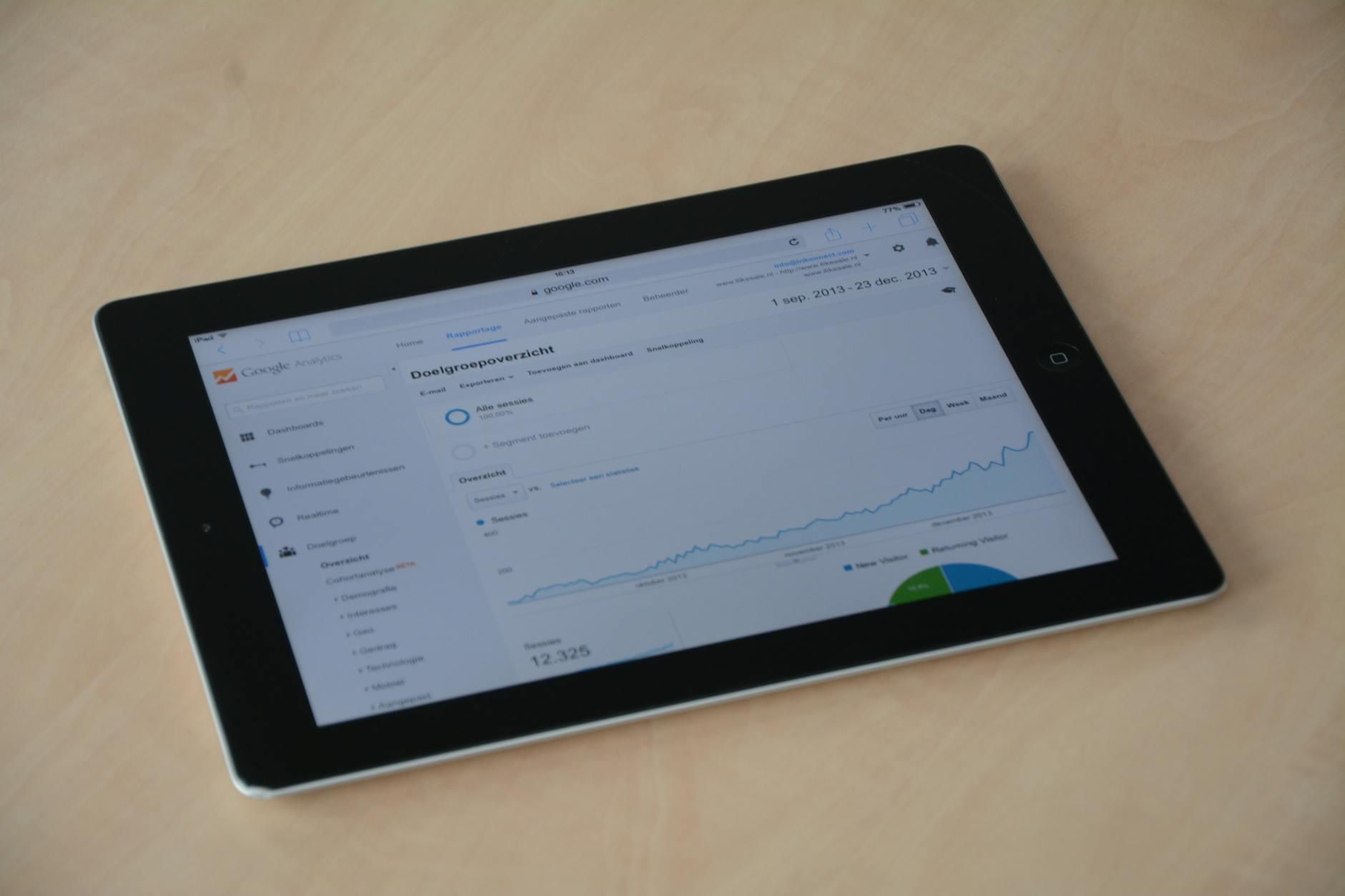
Our business intelligence implementations integrate financial data from ERP systems with operational data from production, shipping, and quality systems to enable true activity-based costing. A Sheboygan food processor now tracks actual costs at the production batch level, correlating ingredient costs, labor hours, equipment utilization, quality testing, and packaging materials with specific customer orders. This visibility revealed that 18% of customer orders were unprofitable despite positive gross margin calculations, enabling pricing adjustments that improved overall profitability by 4.2%. Wisconsin manufacturers need financial analytics that connect accounting systems to operational reality.

We develop forecasting models using statistical analysis, machine learning algorithms, and industry-specific variables that predict demand patterns across Wisconsin's seasonal business cycles. A Madison agricultural equipment dealer implemented inventory forecasting that analyzes crop prices, weather patterns, interest rates, and historical sales data to predict equipment demand 8-12 weeks ahead. This forecasting improved inventory turns from 2.8 to 4.1 annually while reducing stock-outs during peak spring planting season by 67%. Predictive analytics transforms inventory from a cost center to a competitive advantage in capital-intensive industries.

Our BI implementations analyze customer profitability by incorporating revenue, cost of goods, service costs, payment terms, return rates, and support requirements into comprehensive customer value models. A Milwaukee industrial distributor discovered that their largest customer by revenue ranked 47th by profitability after accounting for special packaging requirements, expedited shipping, extended payment terms, and high return rates. This analysis enabled data-driven conversations that restructured pricing and service terms, improving customer profitability by $290,000 annually. Wisconsin businesses need customer analytics that reveal true profitability, not just revenue volume.
We build quality analytics systems that track defect rates, identify patterns across production variables, and enable rapid root cause analysis when quality issues emerge. A Racine automotive supplier implemented quality dashboards that correlate defect data with machine settings, operator assignments, material lot numbers, environmental conditions, and maintenance schedules. When a quality issue emerged with a critical component, analysis identified the root cause within 47 minutes rather than the typical 3-5 day investigation—preventing a potential production shutdown at their automotive OEM customer. Quality analytics provides the insights Wisconsin manufacturers need to meet increasingly stringent customer requirements.
Our business intelligence platforms deliver role-specific dashboards accessible via web browsers, tablets, and phones, providing decision-makers with current insights regardless of location. A Wisconsin manufacturing executive team accesses dashboards showing daily production output, quality metrics, shipment status, cash flow, and customer order pipeline updated every 15 minutes. During quarterly board meetings, executives present current operational data rather than month-old reports, enabling strategic discussions based on actual business conditions. Mobile-accessible BI transforms analytics from periodic reports into continuous operational awareness.
We implement analytics that track supplier performance across delivery timeliness, quality metrics, pricing trends, and lead time reliability, enabling data-driven sourcing decisions. A Green Bay manufacturer tracks 240 suppliers across metrics including on-time delivery percentage, quality reject rates, price variance from quotes, and lead time accuracy. This visibility enabled supplier consolidation that reduced the supply base by 35% while improving average on-time delivery from 81% to 94%. Wisconsin manufacturers facing supply chain complexity need analytical tools that objectively assess supplier performance and guide sourcing strategy.
Our BI implementations include compliance reporting capabilities that automatically generate required regulatory reports while maintaining complete audit trails of data access and modifications. A Wisconsin food processor generates FSMA-required traceability reports in minutes rather than the hours previously required for manual compilation, while healthcare providers generate HIPAA-compliant analytics reports that prevent patient re-identification. Automated compliance reporting reduces administrative burden while ensuring accuracy and completeness that manual processes cannot reliably achieve. Wisconsin businesses operating in regulated industries need BI systems that address compliance as a core capability, not an afterthought.
FreedomDev is very much the expert in the room for us. They've built us four or five successful projects including things we didn't think were feasible.
Business intelligence implementations typically reduce operational costs by 8-15% through improved inventory management, reduced waste, optimized staffing, and better supplier negotiations based on performance data rather than assumptions.
Real-time dashboards reduce decision-making time from hours or days to minutes, enabling Wisconsin businesses to respond to customer requests, production issues, and market opportunities while they still matter rather than after opportunities have passed.
Analytics tracking customer service metrics, delivery performance, quality issues, and response times enable proactive customer management that identifies at-risk relationships before customers defect to competitors—customer retention improvements of 5-12% are typical.
Wisconsin businesses with sophisticated analytics capabilities gain competitive advantages in industries where most competitors still rely on intuition and lagging indicators—the ability to quote accurately, deliver consistently, and respond rapidly creates market differentiation that supports premium pricing.
Automated compliance reporting and audit trail capabilities reduce administrative time spent on regulatory documentation by 60-80% while reducing compliance risk through consistent, accurate reporting that manual processes cannot reliably provide.
Business intelligence platforms built on scalable architectures accommodate business growth, new product lines, additional locations, and acquired companies without requiring complete system replacements—Wisconsin businesses investing in BI today build capabilities that remain valuable for 7-10 years.
We spend 3-4 weeks understanding your business operations, decision-making processes, data sources, and analytical needs through interviews with executives, managers, and operational staff. This discovery identifies the specific business questions your team needs answered, the systems containing relevant data, and the decisions that analytics will support. A Milwaukee manufacturer's discovery revealed that their most valuable BI capability would be real-time visibility into customer order status—information scattered across five different systems that required hours to manually compile.
We analyze your existing data sources—ERP systems, manufacturing equipment, quality systems, CRM platforms, financial software—assessing data quality, integration complexity, and architectural approaches. This phase produces a detailed technical architecture defining data extraction methods, transformation requirements, database design, and visualization approaches. For a Green Bay food processor, this assessment identified that production equipment data required real-time extraction while financial data could refresh nightly, optimizing system performance and development costs.
We build the integration layers that extract data from source systems, transform it into consistent formats, and load it into the analytics database—this ETL (Extract, Transform, Load) process represents 40-50% of implementation effort. Integration development addresses data quality issues, handles system-specific quirks, and creates automated processes that maintain data accuracy without manual intervention. A Racine manufacturer's implementation required integrating 11 different data sources including 15-year-old legacy systems and modern cloud applications using six different integration approaches.
We create role-specific dashboards, reports, and analytical views that present insights in formats matching how different users actually work. Production supervisors receive real-time operational dashboards, executives receive high-level KPI summaries with drill-down capabilities, and analysts receive flexible reporting tools. This development includes mobile-responsive designs enabling dashboard access via tablets and phones. Dashboard development typically requires 2-3 iterations incorporating user feedback that refines layouts, metrics, and navigation before users consistently access the platforms daily.
We conduct comprehensive testing verifying data accuracy, integration reliability, system performance, and dashboard functionality before introducing systems to users. Training focuses on role-specific capabilities rather than comprehensive platform features—teaching production supervisors how to use their dashboards, showing sales managers customer analytics, and enabling executives to monitor key metrics. Deployment typically occurs in phases: initial user groups provide feedback that refines the system before broader rollout. This staged approach ensures the system meets actual needs before full deployment.
We provide continued monitoring, user support, and system enhancements as your business evolves and users develop new analytical needs. Ongoing support includes data integration monitoring that identifies and resolves issues before users notice problems, user assistance answering questions and resolving issues, and development work adding new capabilities. Most Wisconsin manufacturers add 3-5 new reports or dashboards quarterly as users become comfortable with existing capabilities and identify additional analytical needs. Business intelligence delivers maximum value through continuous evolution, not static implementation.
Wisconsin's economic landscape differs fundamentally from coastal technology centers, creating business intelligence requirements that generic software vendors consistently misunderstand. Manufacturing represents 18% of Wisconsin's GDP—double the national average—with over 9,000 manufacturing establishments concentrated in the Fox River Valley, Greater Milwaukee, and south-central regions around Madison. This industrial concentration creates unique BI challenges: paper mills in Green Bay need analytics that optimize complex production processes with dozens of quality variables; precision machinery manufacturers in Waukesha require predictive maintenance systems that prevent expensive failures; food processors in Sheboygan need traceability analytics that meet FDA requirements. Wisconsin's business intelligence needs reflect our manufacturing heritage, not Silicon Valley's software industry.
The state's agricultural economy adds complexity that business intelligence systems must address. Wisconsin ranks first nationally in cheese production (3.37 billion pounds annually), cranberry production (62% of U.S. supply), and ginseng production (95% of U.S. supply). These agricultural sectors generate massive data volumes: dairy cooperatives receive milk from hundreds of farms and must track quality metrics, antibiotic testing, temperature control, and traceability from farm to consumer. Cranberry cooperatives need yield forecasting, harvest optimization, and pricing analytics that account for global market conditions. Agricultural equipment dealers serving farmers from Superior to Janesville require inventory analytics that predict seasonal demand across Wisconsin's dramatically different growing zones. Business intelligence serving Wisconsin agriculture must understand farming operations, cooperative structures, and commodity market dynamics that coastal software developers have never encountered.
Milwaukee's position as a global manufacturing center creates business intelligence requirements at the intersection of traditional industry and modern analytics. Companies like Rockwell Automation, Johnson Controls, Harley-Davidson, and Briggs & Stratton maintain significant operations in the Milwaukee metro area, creating an ecosystem of suppliers, service providers, and specialized manufacturers. These companies demand sophisticated analytics capabilities: real-time production monitoring, predictive quality control, supply chain optimization, and financial systems integration. The supplier networks supporting these major manufacturers need compatible BI capabilities—a metal fabricator supplying automotive components needs quality analytics that meet customer requirements, delivery performance tracking that prevents line-down situations, and cost accounting that identifies profitable versus unprofitable orders. Milwaukee's manufacturing economy creates a ripple effect where business intelligence capabilities at major manufacturers drive requirements throughout the supply chain.
Madison's unique economy combining state government, major healthcare systems, and the University of Wisconsin creates distinct business intelligence requirements. Healthcare providers like UW Health and SSM Health need analytics platforms that address HIPAA compliance, population health management, readmission risk prediction, and resource utilization optimization. The concentration of biotechnology and medical device companies in the Madison area requires analytics supporting FDA-regulated product development, clinical trial management, and quality systems. State government contractors need reporting systems that meet specific public sector requirements. Insurance companies headquartered in Madison like American Family Insurance require sophisticated risk analytics, claims prediction models, and customer lifetime value calculations. Madison's economy demands business intelligence expertise across diverse industries rather than the single-industry focus common in other Wisconsin regions.
The Fox River Valley corridor from Oshkosh through Appleton to Green Bay represents one of the highest concentrations of paper production, food processing, and packaging manufacturing in North America. Georgia-Pacific, Kimberly-Clark, Green Bay Packaging, and Sargento Foods maintain major operations in this region. These industries generate continuous process manufacturing data: paper machines producing hundreds of tons daily with quality specifications measured in microns; food processing lines where temperature control, sanitation verification, and allergen prevention require constant monitoring; packaging operations where print registration, seal integrity, and material waste directly impact profitability. Business intelligence serving the Fox Valley must handle high-velocity industrial data streams, integrate with specialized process control systems, and provide real-time visibility that enables operators to optimize production parameters worth thousands of dollars per hour.
Wisconsin's small and medium-sized manufacturers face unique business intelligence challenges that differ from both large enterprises and small service businesses. A 50-person machine shop in Kenosha can't justify the $200,000+ implementations that large manufacturers deploy, yet they face the same market pressures: customers demanding shorter lead times, pricing pressure from overseas competitors, skilled labor shortages requiring productivity improvements, and quality requirements that mandate statistical process control. These smaller manufacturers need business intelligence solutions that deliver enterprise capabilities at prices that fit small business budgets. The BI platforms we develop for Wisconsin SMBs provide production monitoring, quality tracking, customer analytics, and financial integration using architectures that cost $40,000-80,000 rather than the six-figure investments that only Fortune 500 companies can justify. Wisconsin's manufacturing economy depends on these smaller companies remaining competitive.
The state's beverage industry—craft breweries, distilleries, and dairy beverage producers—creates specialized business intelligence requirements combining production analytics, distribution logistics, and retail performance tracking. Wisconsin's 200+ craft breweries need production systems that track batch recipes, ingredient costs, fermentation parameters, quality metrics, and kegging/bottling logistics. Distribution analytics must track inventory across wholesalers, retailers, and on-premise accounts while monitoring velocity, pricing compliance, and out-of-stock situations. Breweries operating their own taprooms need point-of-sale integration that connects retail sales data with production planning. A Milwaukee brewery we work with implemented analytics that identify which seasonal beers generate sufficient demand to justify year-round production versus which should remain limited releases—decisions that directly impact production planning, ingredient purchasing, and profitability.
Transportation and logistics companies serving Wisconsin's manufacturing economy require business intelligence capabilities that optimize complex routing, scheduling, and capacity utilization decisions. The state's position as a manufacturing hub creates substantial freight volumes: agricultural products moving from farms to processors, raw materials flowing to manufacturers, finished goods shipping to customers nationwide. Trucking companies need route optimization analytics that account for delivery windows, driver hours-of-service regulations, vehicle capacity, and fuel costs. Warehousing operations require space utilization analytics, inventory velocity tracking, and labor management systems. The [Real-Time Fleet Management Platform](/case-studies/great-lakes-fleet) we developed for Great Lakes shipping demonstrates these principles applied to maritime operations: vessel location tracking, weather routing, port scheduling, and cargo optimization integrated into real-time decision support systems. Wisconsin's logistics companies need business intelligence that transforms operational complexity into competitive advantage.
FreedomDev is based in West Michigan and works with clients remotely across the United States.
Schedule a direct consultation with one of our senior architects.
We've spent over two decades developing business intelligence solutions specifically for Wisconsin manufacturers, food processors, distributors, and industrial companies—we understand the operational complexity, regulatory requirements, seasonal patterns, and competitive pressures that distinguish Wisconsin businesses from coastal software companies. This experience means we ask the right questions during discovery, anticipate integration challenges before they occur, and design solutions addressing Wisconsin-specific business requirements.
Our team includes developers who understand production equipment, industrial protocols, manufacturing processes, and quality systems—not just database queries and visualization tools. We've integrated PLCs, SCADA systems, MES platforms, and industrial sensors that generate the most valuable operational data in manufacturing environments. A Green Bay packaging manufacturer specifically selected us because we understood their production process and could discuss analytics in operational terms rather than IT jargon that didn't match their business reality.
Our [case studies](/case-studies) document specific, measurable results from business intelligence implementations: inventory cost reductions, quality improvements, downtime reductions, and efficiency gains achieved by real Wisconsin companies. These case studies provide detailed technical approaches, implementation timelines, and ROI calculations that enable you to assess whether similar approaches would benefit your operations. We document results because our implementations deliver measurable value, not because we're skilled at marketing vague promises.
We architect business intelligence platforms that start with focused implementations addressing immediate needs while supporting expansion into comprehensive enterprise capabilities as your analytical maturity and investment justify additional capabilities. This approach allows Wisconsin manufacturers to implement practical solutions at reasonable costs ($50,000-80,000) while building toward sophisticated analytical capabilities over multiple years. You're not locked into either minimal capabilities or forced into enterprise-scale investments before you're ready.
Wisconsin businesses work directly with the developers building their business intelligence systems, not through account managers or support tiers that separate you from technical expertise. This direct access means questions receive accurate answers, requirements discussions involve the people actually implementing solutions, and issues get resolved by developers who understand your specific system rather than generic support staff. Our [contact us](/contact) page provides direct communication with our technical team, not a sales department that hands you off after contracts are signed.
Explore all our software services in Wisconsin
Let’s build a sensible software solution for your Wisconsin business.