
Partner with FreedomDev, a trusted business intelligence company in Washington, to make informed decisions and drive growth.
FreedomDev is based in West Michigan and works with clients remotely across the United States.
Washington state's economy generates over $632 billion in annual GDP, with technology, aerospace, and international trade creating massive data volumes that demand sophisticated analysis. Companies from Seattle's tech corridor to Spokane's manufacturing sector face a common challenge: converting operational data into competitive advantage. We've spent over 20 years building business intelligence systems that transform raw information into actionable insights, helping Washington businesses make faster, smarter decisions backed by real-time data.
The state's unique economic landscape—dominated by Fortune 500 tech giants, aerospace manufacturers, agricultural exporters, and maritime logistics—creates complex data integration challenges. A typical Washington manufacturer might need to consolidate data from ERP systems, supply chain platforms, quality control databases, and customer portals into a single unified view. We've built systems that handle exactly these scenarios, processing millions of records daily while maintaining sub-second query performance for decision-makers who can't wait hours for reports.
Our approach to business intelligence differs fundamentally from off-the-shelf BI tools that promise quick wins but deliver generic dashboards. We start by understanding your specific data sources, business processes, and decision-making workflows. One Washington-based logistics company we worked with had data trapped in seven different systems—their existing BI solution could only connect to three. We built a custom data warehouse that integrated all seven sources, reducing their monthly reporting cycle from 12 days to 4 hours while eliminating the manual spreadsheet work that consumed 160 staff hours monthly.
Washington's business environment demands BI solutions that scale with rapid growth and adapt to changing market conditions. When we designed the [Real-Time Fleet Management Platform](/case-studies/great-lakes-fleet) for a transportation company, we built the system to handle 10x data volume increases without performance degradation. That foresight proved critical when their fleet doubled in 18 months—the BI system continued delivering real-time insights without requiring architectural changes or additional infrastructure investment.
Data integration remains the hardest part of business intelligence implementation, particularly for Washington companies using specialized industry software. We've connected BI systems to everything from maritime shipping platforms to timber inventory systems to agricultural commodity tracking software. Our [QuickBooks Bi-Directional Sync](/case-studies/lakeshore-quickbooks) case study demonstrates how we handle complex integrations—in that project, we synchronized financial data across multiple entities while maintaining audit trails and handling real-time transaction conflicts.
Modern business intelligence extends far beyond historical reporting into predictive analytics and operational automation. A Seattle-area distribution company we worked with wanted to move beyond analyzing yesterday's metrics to forecasting next month's demand patterns. We built a BI system that combines historical sales data, seasonal trends, supplier lead times, and market indicators to generate rolling 90-day forecasts. Their inventory carrying costs dropped 23% in the first year while stockout incidents decreased by 31%, demonstrating how predictive BI delivers measurable operational improvements.
The technical architecture underlying effective business intelligence must balance performance, flexibility, and maintainability. We typically build on Microsoft SQL Server or PostgreSQL for data warehousing, use optimized ETL processes for data transformation, and deliver insights through custom dashboards built with modern web frameworks. This approach gives Washington businesses complete control over their data and analytics while avoiding vendor lock-in and recurring licensing fees that can quickly exceed six figures annually for enterprise BI platforms.
Data security and compliance requirements shape every BI system we build, particularly for Washington companies handling customer information, financial data, or regulated industry records. We implement role-based access controls, encrypt data both at rest and in transit, maintain comprehensive audit logs, and design systems that support GDPR, HIPAA, or industry-specific compliance requirements. One healthcare-adjacent client needed their BI system to enforce strict data segregation between different customer datasets—we implemented tenant isolation at the database level, ensuring complete data separation backed by regular security audits.
The return on investment from properly implemented business intelligence typically manifests within 6-12 months through improved operational efficiency, reduced manual reporting effort, and better strategic decisions. However, ROI calculations must account for both direct cost savings and strategic value creation. When a Washington manufacturer reduces product defect rates by 15% using quality analytics from their new BI system, the value includes reduced scrap costs, lower warranty claims, improved customer satisfaction, and stronger competitive positioning—benefits that extend far beyond the immediate cost reductions.
We maintain long-term relationships with clients through our [custom software development](/services/custom-software-development) and support approach, treating BI systems as evolving platforms rather than finished products. Business requirements change, data sources multiply, and analytical needs grow more sophisticated over time. A BI system we built five years ago for a Washington logistics company has expanded from tracking basic shipment metrics to incorporating customer profitability analysis, driver performance optimization, route efficiency modeling, and predictive maintenance scheduling—all within the same foundational architecture we designed for scalability.
Washington's concentration of technical talent and innovation culture creates high expectations for business intelligence capabilities. Companies here understand what's possible with modern data analytics and won't settle for slow, inflexible reporting systems. We leverage [systems integration](/services/systems-integration) expertise to connect disparate data sources, apply database optimization techniques that make complex queries run fast, and build interfaces that non-technical users can navigate confidently. The result: BI systems that match Washington's reputation for technological excellence.
Choosing between building custom business intelligence solutions and implementing packaged BI platforms represents a critical strategic decision. For Washington companies with unique data sources, complex business processes, or specific analytical requirements, custom development often delivers superior results at lower total cost of ownership. We've seen organizations spend $200,000+ implementing enterprise BI platforms only to discover they still need custom development to address their actual needs—an outcome that wastes both money and time while delaying the insights that drive business value.
We architect data warehouses specifically for your business metrics, building dimensional models that reflect how your teams actually analyze information. Our approach focuses on query performance and maintainability, using proven techniques like fact and dimension tables, pre-aggregated summaries, and optimized indexing strategies. A recent implementation for a Washington distribution company processes 2.3 million daily transactions while maintaining average query response times under 500 milliseconds. We design for growth, ensuring your data warehouse scales efficiently as data volumes increase without requiring expensive re-architecture projects that disrupt operations.
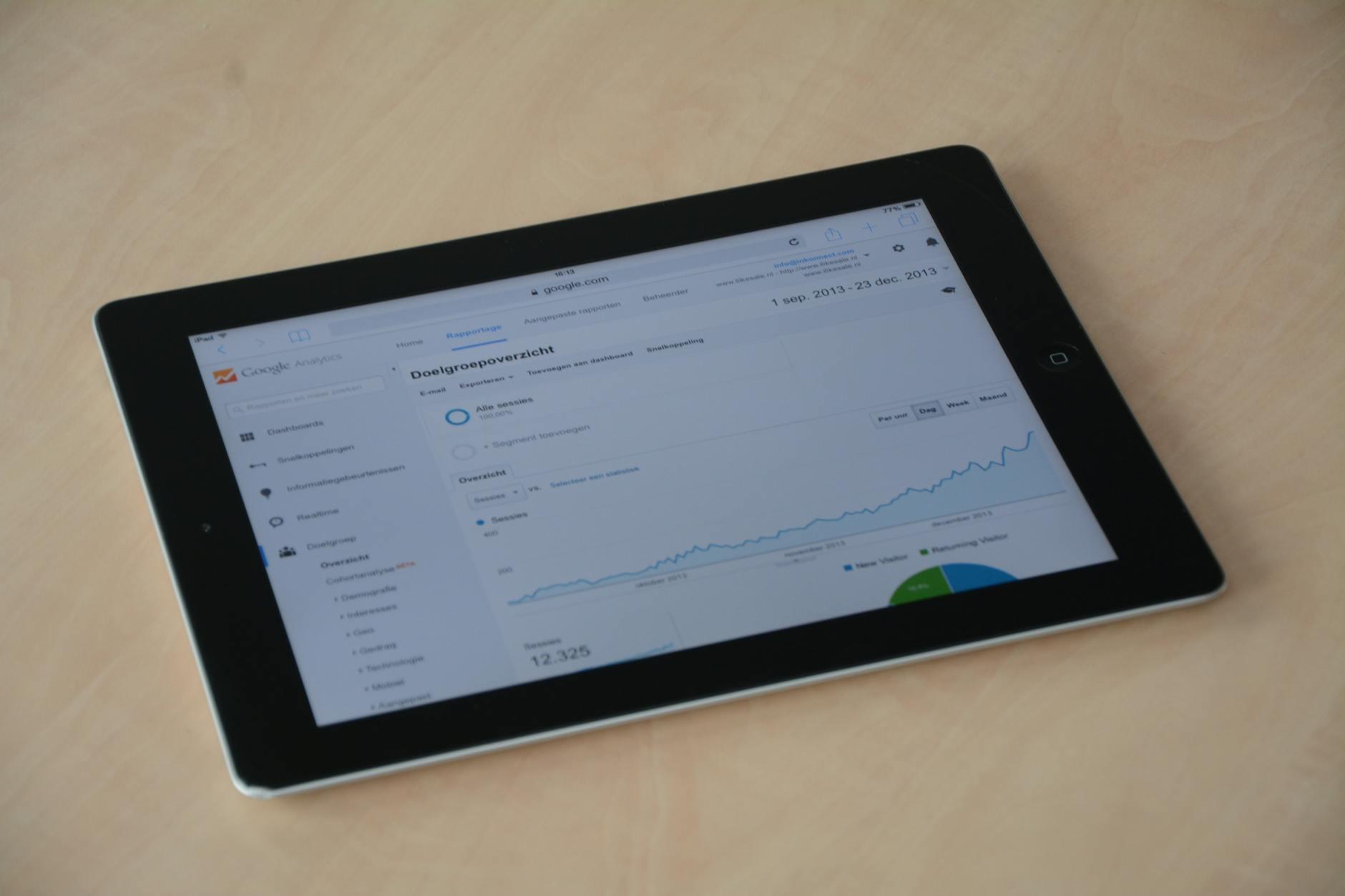
Modern business decisions require current data, not yesterday's information. We build ETL (Extract, Transform, Load) pipelines that move data from operational systems into your data warehouse with minimal latency, often achieving near-real-time refresh rates. One manufacturing client's BI system now updates production metrics every 5 minutes instead of overnight, enabling shop floor managers to respond immediately to quality issues or equipment problems. Our ETL processes include robust error handling, automatic retry logic, data quality validation, and comprehensive logging to ensure reliable data flow even when source systems experience problems.

We create custom dashboards that present complex data in intuitive visual formats, making insights accessible to users regardless of technical expertise. Unlike generic BI tools that force your data into pre-built templates, we design visualizations around your specific KPIs and decision-making workflows. A Seattle logistics company's operations dashboard displays 37 different metrics across fleet utilization, on-time performance, fuel efficiency, and customer satisfaction—all updating in real-time with drill-down capabilities that let managers investigate anomalies instantly. Our dashboards work seamlessly on desktop and mobile devices, ensuring decision-makers access critical data wherever they work.

Beyond descriptive reporting, we implement analytical models that forecast trends, identify patterns, and recommend actions. Using statistical analysis, machine learning algorithms, and domain-specific modeling techniques, we help Washington businesses move from understanding what happened to predicting what will happen. A distribution client's demand forecasting model combines three years of historical sales data with seasonal patterns, promotional calendars, and economic indicators to predict product demand with 87% accuracy. These predictive capabilities enable better inventory planning, optimized staffing levels, and proactive problem resolution before issues impact customers.
Washington businesses typically operate with data spread across ERP systems, CRM platforms, e-commerce sites, manufacturing systems, financial software, and specialized industry applications. We excel at integrating these disparate sources into unified analytical environments. Our integration approach handles varying data formats, reconciles conflicting information, manages update frequencies, and maintains data lineage so users understand where each metric originates. For one client, we integrated 12 different systems including QuickBooks, Salesforce, custom manufacturing databases, and third-party logistics platforms—creating a single source of truth that eliminated conflicting reports and redundant data entry.
Washington executives and managers need business insights while traveling, visiting customer sites, or working remotely. We design BI systems with mobile access as a primary requirement, not an afterthought. Our responsive dashboards adapt automatically to phone and tablet screens, presenting information in formats optimized for smaller displays. A manufacturing company's quality dashboard loads in under 2 seconds on mobile networks, displays the most critical metrics prominently, and allows managers to drill into details or export reports directly from their phones. Security controls ensure mobile access doesn't compromise data protection while role-based permissions maintain appropriate information boundaries.
We build intelligent reporting systems that automatically generate, format, and distribute reports based on schedules, triggers, or specific events. A Washington retailer's BI system generates and emails department-specific sales reports every morning by 6 AM, produces end-of-month financial summaries automatically, and sends alert notifications when metrics exceed thresholds. This automation eliminates hours of manual report preparation while ensuring stakeholders receive timely information. Our reporting engine supports multiple output formats (PDF, Excel, CSV, HTML), handles complex formatting requirements, and manages distribution lists that change based on organizational roles or project assignments.
While IT teams manage the underlying infrastructure, business users need the ability to explore data, create custom views, and answer their own questions without submitting requests and waiting for developers. We implement self-service layers that balance flexibility with governance, allowing authorized users to build ad-hoc queries, create personal dashboards, and perform exploratory analysis within appropriate guardrails. One client's sales team now creates their own territory analysis reports, segments customers using custom criteria, and tracks campaign performance without IT involvement. This self-service approach accelerates insights while freeing technical resources to focus on platform enhancements rather than routine report requests.
We're saving 20 to 30 hours a week now. They took our ramblings and turned them into an actual product. Five stars across the board.
Access to real-time, accurate business intelligence reduces the time between recognizing opportunities or problems and taking action, often compressing decision cycles from weeks to hours.
Automated data integration and report generation eliminates hundreds of hours spent manually extracting, combining, and formatting data in spreadsheets each month.
Single sources of truth with automated data validation prevent the conflicting reports and spreadsheet errors that undermine confidence in business metrics.
Properly designed BI systems handle 10x data volume increases and new data source additions without performance degradation or architectural rewrites.
Advanced analytics and predictive modeling capabilities reveal patterns and opportunities that competitors using basic reporting tools simply cannot see.
Custom BI solutions eliminate recurring licensing fees, reduce consulting costs for modifications, and prevent expensive rip-and-replace cycles when packaged solutions fail to meet evolving needs.
We start every BI project by understanding your business processes, decision-making workflows, current data sources, and specific analytical needs. This phase involves stakeholder interviews, system inventory, data source analysis, and requirements documentation. We examine existing reports to understand what metrics matter most, identify pain points in current processes, and document opportunities for new insights that aren't currently available.
Based on requirements, we design the data warehouse schema, ETL processes, and integration architecture that will support your analytics. This includes dimensional modeling for optimal query performance, data quality rules, transformation logic, and refresh schedules. We present architecture designs for review, explaining technical decisions and trade-offs in business terms. This collaborative design process ensures the technical implementation aligns with business priorities and growth plans.
We build BI systems using iterative approaches that deliver functional components throughout the project. Early iterations might focus on core data integration and basic dashboards, with subsequent releases adding advanced analytics, additional data sources, and enhanced visualizations. This approach provides value earlier and allows course corrections based on user feedback. We conduct thorough testing including data validation, performance testing, and user acceptance testing before each release.
Before production launch, we conduct comprehensive training sessions for different user groups, ensuring everyone understands how to access insights relevant to their roles. We provide documentation, conduct hands-on practice sessions, and remain available to answer questions. Deployment typically follows a phased approach—perhaps starting with a pilot group before rolling out company-wide—to identify and resolve any issues before full-scale launch.
After initial deployment, we monitor system performance, gather user feedback, and identify optimization opportunities. Early production use often reveals query patterns that benefit from additional indexing or summary tables. We work with your team to refine dashboards based on actual usage, add metrics that users request, and enhance the system based on real-world experience. Most clients establish ongoing relationships for continued system evolution as business needs change and new opportunities emerge.
Washington's economy presents unique business intelligence opportunities shaped by the state's concentration in aerospace, technology, maritime trade, agriculture, and advanced manufacturing. Seattle alone hosts over 8,000 technology companies, while the Port of Seattle ranks among the nation's top container ports, handling over 3.7 million TEUs annually. This economic diversity creates complex data environments where companies need to integrate operational systems, supply chain platforms, financial software, and customer databases into unified analytical frameworks. We've built BI solutions for Washington companies across all these sectors, understanding the specific data challenges inherent to each industry.
The state's position as a major international trade hub creates particular challenges for business intelligence systems. Washington exports over $90 billion in goods annually, with significant agricultural, aerospace, and technology products flowing through maritime and air cargo channels. Companies managing international supply chains need BI systems that handle multi-currency transactions, track shipments across global logistics networks, reconcile documentation from dozens of trading partners, and provide visibility into inventory positions at multiple locations. We've implemented BI solutions that consolidate data from customs brokers, freight forwarders, warehouse management systems, and financial platforms—giving importers and exporters the real-time visibility needed to manage complex global operations.
Washington's manufacturing sector, particularly aerospace and advanced manufacturing, generates massive volumes of quality, production, and supply chain data that demands sophisticated analysis. A single aircraft manufacturing process might involve thousands of parts from hundreds of suppliers, with quality inspections at dozens of assembly stages. BI systems for manufacturers must track work-in-progress, monitor quality metrics, analyze supplier performance, predict maintenance requirements, and optimize production scheduling—all while maintaining the audit trails required by aerospace quality standards. Our manufacturing BI implementations typically integrate data from MES systems, quality databases, ERP platforms, and equipment sensors to provide comprehensive operational visibility.
The technology sector's presence in Seattle and throughout Puget Sound creates high expectations for business intelligence capabilities among Washington companies. Organizations accustomed to consumer technology's sophistication expect similar user experiences from their business systems. We design BI interfaces that match these expectations—intuitive navigation, responsive design, fast performance, and powerful functionality accessible to non-technical users. This focus on user experience dramatically improves adoption rates and ensures BI investments actually change how teams make decisions rather than becoming expensive systems that nobody uses.
Agriculture remains a significant part of Washington's economy, with the state ranking first nationally in apple production, generating over $2.4 billion annually. Agricultural businesses face unique BI challenges including seasonal variation, weather impacts, commodity price volatility, and complex supply chain logistics. We've built BI systems for agricultural companies that integrate harvest data, inventory management, cold storage monitoring, transportation logistics, and sales information—providing insights that help optimize harvest timing, manage perishable inventory, negotiate contracts, and maximize profitability in an industry with historically thin margins.
Washington's commitment to environmental sustainability and clean energy creates opportunities for business intelligence in resource optimization and environmental monitoring. Companies increasingly need to track energy consumption, carbon emissions, waste generation, and resource utilization alongside traditional financial and operational metrics. We incorporate sustainability metrics into BI systems, enabling Washington businesses to measure progress toward environmental goals while identifying opportunities to reduce costs through efficiency improvements. One manufacturing client's BI system revealed that optimizing production scheduling to reduce equipment startups and shutdowns decreased energy costs by 12% while also reducing their carbon footprint.
The COVID-19 pandemic accelerated remote work adoption across Washington, with many organizations maintaining hybrid or fully remote workforces. This shift changes business intelligence requirements—teams need access to insights from anywhere, managers must monitor productivity and performance without physical oversight, and companies need visibility into distributed operations. We design BI systems that support remote work through secure cloud deployment, mobile access, real-time collaboration features, and automated alerting that keeps dispersed teams informed. Our approach ensures Washington companies maintain data-driven decision-making capabilities regardless of where employees work.
Eastern Washington's economy differs significantly from the Puget Sound region, with agriculture, food processing, manufacturing, and logistics dominating rather than technology and aerospace. Cities like Spokane, Yakima, and Tri-Cities host companies with different BI needs than Seattle-based tech firms. We've worked throughout Washington state, understanding regional economic variations and building BI solutions appropriate for each context. Whether supporting a Spokane manufacturer analyzing production efficiency or a Yakima agricultural processor optimizing cold storage operations, we adapt our approach to match specific business requirements rather than applying one-size-fits-all solutions.
FreedomDev is based in West Michigan and works with clients remotely across the United States.
Schedule a direct consultation with one of our senior architects.
We've delivered custom software solutions since before business intelligence was called business intelligence, building our expertise through hundreds of projects across diverse industries. This experience means we've solved the hard problems, learned from mistakes, and developed proven approaches that deliver results. We bring that experience to every Washington BI project, avoiding common pitfalls while implementing best practices refined over two decades.
Our team handles every aspect of BI implementation from database design through front-end development, eliminating coordination issues and finger-pointing common with multi-vendor projects. We design data warehouses, build ETL processes, optimize database performance, develop custom dashboards, and implement integrations—all under one roof. This comprehensive capability means faster delivery, better architecture decisions, and a single point of accountability for results.
We measure success by business results—faster decisions, eliminated manual work, improved accuracy, new insights—rather than technical metrics. Our conversations focus on your business challenges and opportunities, with technology decisions flowing from business requirements rather than the reverse. This business-first approach ensures BI investments deliver measurable value rather than becoming impressive technical achievements that don't actually improve operations.
While headquartered in West Michigan, we serve Washington clients through remote collaboration that works seamlessly thanks to modern communication tools and our 20+ years of distributed project experience. Our Michigan location provides cost advantages compared to Seattle-based developers while maintaining the technical excellence Washington companies expect. We schedule meetings around Pacific time zones, travel to Washington when face-to-face collaboration adds value, and maintain availability during your business hours.
We view BI implementations as the beginning of relationships rather than one-time projects, earning continued business through results rather than contracts that lock clients in. Many clients we've worked with for a decade or more started with a single project, experienced success, and expanded into additional initiatives. This partnership approach means we're invested in your long-term success—building systems that remain valuable for years and evolving them as your business grows. See examples of this approach in [our case studies](/case-studies) across multiple industries.
Explore all our software services in Washington
Let’s build a sensible software solution for your Washington business.