
Maximize your business potential with our expert business intelligence services in Virginia, tailored to drive growth and informed decision-making.
FreedomDev is based in West Michigan and works with clients remotely across the United States.
Virginia organizations manage approximately $2.3 trillion in economic activity annually across federal contractors, logistics companies, healthcare systems, and technology firms throughout the Northern Virginia corridor, Hampton Roads, and Richmond metro area. These organizations generate massive datasets from government contracts, supply chain operations, patient records, and research initiatives that remain siloed in disparate systems. We've spent over two decades building custom business intelligence platforms that transform fragmented data from ERP systems, logistics databases, and legacy applications into unified dashboards that drive strategic decisions. Our implementation for a Great Lakes shipping company demonstrates how proper data architecture can [Real-Time Fleet Management Platform](/case-studies/great-lakes-fleet) reduce operational costs by 23% through real-time visibility.
The Commonwealth's unique position as home to the highest concentration of federal contractors, major military installations, and the Port of Virginia creates specific BI requirements that off-the-shelf solutions cannot address. Virginia Beach logistics operations need real-time visibility into container movements across Norfolk International Terminals, while Fairfax County government contractors require secure data warehouses that meet CMMC 2.0 compliance standards. We architect custom BI solutions that integrate with GCSS-Army, DEAMS, and other defense systems while maintaining the security protocols required for CUI and ITAR-controlled data. Our work spans organizations from 50-employee defense subcontractors to regional healthcare systems processing 500,000+ patient encounters annually.
Most Virginia organizations struggle with data trapped in multiple systems: Deltek Costpoint for project accounting, Salesforce for government contract pipelines, custom logistics applications, and departmental spreadsheets that become single points of failure. We've extracted data from 40+ different source systems across our client base, including legacy AS/400 databases still running critical operations for manufacturing facilities in Roanoke and Bristol. Our [QuickBooks Bi-Directional Sync](/case-studies/lakeshore-quickbooks) case study shows how proper integration architecture eliminates manual data entry while maintaining audit trails that satisfy DCAA requirements. This approach has saved clients an average of 18 hours per week previously spent on manual reporting.
Northern Virginia technology companies face different challenges: venture-backed SaaS platforms need product analytics that track feature adoption across government and commercial customer segments, while professional services firms require project profitability dashboards that account for complex indirect rate structures. We build BI systems that integrate with Jira, GitHub, and time tracking platforms to provide engineering managers with sprint velocity metrics, technical debt analysis, and resource utilization data. One Arlington-based cybersecurity firm used our custom analytics platform to identify that 31% of their development capacity was consumed by technical debt, leading to a strategic refactoring initiative that improved deployment frequency by 64%.
Healthcare organizations across Virginia operate under particularly complex data requirements due to HIPAA regulations, value-based care contracts, and the integration challenges of Epic, Cerner, and legacy practice management systems. Richmond hospitals need dashboards that track readmission rates by diagnosis code, length of stay by DRG, and clinician productivity metrics that inform staffing models. We've built HIPAA-compliant data warehouses that aggregate claims data, EMR records, and patient satisfaction surveys into executive dashboards that support population health management initiatives. Our implementations typically reduce report generation time from 40+ hours of manual SQL queries to real-time dashboards accessible via mobile devices.
Virginia's manufacturing sector, particularly in the Lynchburg and Danville regions, requires BI solutions that integrate shop floor data collection systems with financial and inventory management platforms. One furniture manufacturer we worked with had production data in a custom Access database, inventory in QuickBooks, and sales forecasts in Excel spreadsheets maintained by individual sales representatives. We consolidated these systems into a unified data warehouse with Power BI dashboards that provided real-time visibility into production efficiency, material waste rates, and order fulfillment timelines. This visibility enabled them to reduce WIP inventory by 34% and improve on-time delivery from 76% to 94% within six months.
The explosion of data volume presents infrastructure challenges that generic BI tools cannot handle efficiently. We architect scalable solutions using SQL Server, PostgreSQL, and when appropriate, cloud data warehouses like Snowflake that can process millions of transactions daily. Our [sql consulting](/services/sql-consulting) expertise ensures that query performance remains sub-second even as datasets grow, utilizing partitioning strategies, indexed views, and incremental refresh patterns. One distribution company we work with queries a dataset of 47 million order line items spanning seven years, with dashboard load times under 2 seconds through proper indexing and aggregation table design.
Security considerations for Virginia organizations often exceed standard commercial requirements due to the prevalence of federal contracts and sensitive data. We implement role-based access control that aligns with organizational hierarchies, ensuring that Herndon-based contractors can provide program managers with budget visibility while restricting individual employee salary data. Our BI platforms support Azure AD integration, multi-factor authentication, and audit logging that tracks every data access event. For organizations subject to DFARS 7012 or NIST 800-171 requirements, we architect solutions that maintain data sovereignty within FedRAMP-authorized environments while still providing the analytical capabilities executives need.
The difference between reporting and true business intelligence lies in predictive capabilities and automated insights. We build systems that don't just show what happened last quarter but forecast revenue trends, identify anomalies that signal operational problems, and trigger alerts when KPIs deviate from expected ranges. A Fairfax professional services firm uses our custom BI platform to predict project overruns 6-8 weeks before they occur based on utilization patterns, enabling proactive resource reallocation. This predictive approach has reduced their project variance from 12% to 3% of estimated costs. Our [business intelligence expertise](/services/business-intelligence) focuses on delivering these forward-looking capabilities that transform how organizations make decisions.
We've observed that successful BI implementations require more than technical architecture—they require change management and user adoption strategies tailored to organizational culture. Virginia organizations range from hierarchical government contractors with formal approval processes to agile tech startups with flat structures. We design implementation approaches that match these cultures, providing executive-level training for decision-makers and hands-on workshops for analysts who will become internal BI champions. One Richmond-based organization achieved 87% user adoption within 90 days by involving department heads in dashboard design from the initial requirements phase.
The total cost of ownership for BI solutions extends beyond initial implementation to ongoing maintenance, data source changes, and evolving analytical requirements. We build platforms with sustainability in mind, documenting data lineage, maintaining version control for ETL processes, and establishing clear procedures for adding new metrics. Our clients typically spend 8-12 hours monthly on BI system maintenance compared to the 60+ hours required for complex Excel-based reporting systems. This efficiency gain allows Virginia organizations to redirect analytical resources from data preparation to actual analysis that drives business value.
Integration with existing workflows determines whether BI systems become indispensable tools or abandoned projects. We embed analytics directly into the applications Virginia teams use daily, whether that's Slack notifications for sales milestone achievements, automated email reports for weekly inventory positions, or API integrations that feed warehouse management systems with replenishment recommendations. One distribution company eliminated 90% of their daily standup meeting time by replacing verbal status updates with a live dashboard displayed on their warehouse floor, allowing managers to focus discussions on exceptions rather than routine metrics.
We design dimensional data models that consolidate information from ERP systems, CRM platforms, financial applications, and custom databases into a single source of truth. Our implementations handle complex transformations including currency conversions for international subsidiaries, fiscal calendar mappings for government contractors with non-standard fiscal years, and slowly changing dimensions that maintain historical accuracy. One Virginia manufacturer now queries unified data from SAP, Salesforce, and three legacy systems through a single interface, reducing report preparation time from 12 hours to 15 minutes. We implement incremental ETL processes that update dashboards every 15 minutes without impacting source system performance.
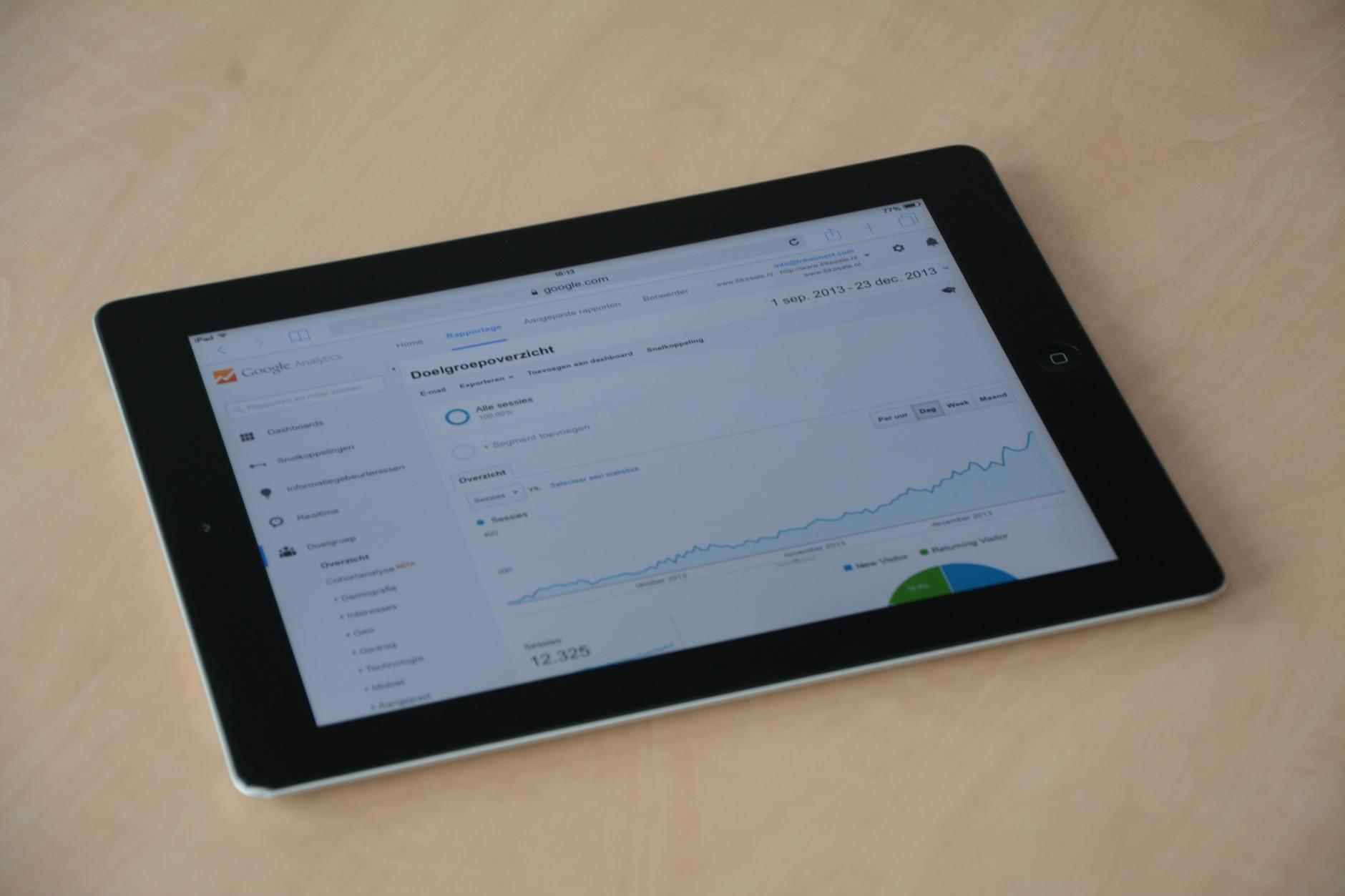
We build performance-optimized dashboards that display current operational metrics with minimal latency, utilizing indexed views, materialized aggregations, and intelligent caching strategies. Virginia logistics companies track shipment status, inventory positions, and carrier performance across multiple facilities with dashboards that refresh every 30 seconds. Our Power BI and custom web-based interfaces support drill-down analysis from executive summaries to transaction-level detail without requiring users to understand SQL or database structures. One Hampton Roads distribution center reduced stockout incidents by 43% through real-time inventory visibility that triggers automatic reorder workflows when positions fall below safety stock levels.

We implement statistical models and machine learning algorithms that forecast future trends based on historical patterns, seasonality factors, and external variables. Our solutions for Virginia organizations include revenue forecasting that accounts for government fiscal year cycles, demand planning that considers regional economic indicators, and customer churn prediction that identifies at-risk accounts 90 days before contract renewals. One professional services firm uses our custom forecasting model to predict quarterly revenue within 4% accuracy, enabling more confident hiring decisions and capacity planning. These models continuously improve as they ingest new data, adapting to changing business conditions without manual recalibration.

We configure intelligent alerting that identifies statistically significant deviations from expected patterns, reducing the noise of threshold-based alerts that generate false positives. Our systems monitor hundreds of metrics simultaneously, using machine learning to establish normal ranges and trigger notifications only when values fall outside acceptable bounds. A Richmond healthcare organization receives automated alerts when readmission rates for specific diagnosis codes exceed peer benchmarks, enabling clinical teams to investigate root causes before quarterly review cycles. We implement multi-channel notification through email, SMS, Slack, and Microsoft Teams based on alert severity and recipient preferences.
We architect granular security models that control data access at the row and column level, ensuring users see only information appropriate to their roles and clearance levels. Virginia defense contractors can provide subcontractors with project-specific cost data while restricting access to overhead rates and other proprietary information. Our implementations maintain comprehensive audit logs that track every query, export, and dashboard view, satisfying DCAA requirements for government contractors. One Fairfax organization demonstrated compliance with NIST 800-171 requirements by providing auditors with detailed access logs showing that CUI was never accessed by unauthorized personnel.
We create curated data models that enable business users to build their own reports and dashboards while maintaining data consistency and preventing incorrect calculations. Virginia organizations use our Power BI semantic models and custom web portals to explore data without IT involvement, reducing the backlog of ad-hoc reporting requests. We implement certification workflows that ensure new user-created content meets organizational standards before being shared broadly. One professional services firm reduced their IT reporting backlog from 40+ requests to fewer than 5 by enabling project managers to build their own utilization and profitability reports using pre-validated data sources.
We design responsive interfaces that function effectively on smartphones and tablets, enabling Virginia field service technicians, sales representatives, and logistics coordinators to access real-time data from job sites and client locations. Our mobile dashboards support offline modes that cache recent data and sync when connectivity is restored, critical for rural Virginia regions with limited cellular coverage. One construction company uses our mobile BI solution to provide project managers with daily labor productivity, material consumption, and safety incident metrics while on job sites across Southwestern Virginia. These implementations include GPS-aware features that display location-specific data automatically based on the user's current position.
We implement conversational analytics that allow users to ask questions in plain English rather than navigating complex menus or writing SQL queries. Virginia executives can type "show me Q2 revenue by customer segment" or "which products have declining margins" and receive immediate visualizations without understanding database structures. Our implementations use Power BI Q&A, custom NLP models, and Slack/Teams chatbots that provide analytical responses within existing communication workflows. One organization found that natural language interfaces increased dashboard usage among non-technical executives by 156% compared to traditional BI tools, as the barrier to asking analytical questions essentially disappeared.
FreedomDev brought all our separate systems into one closed-loop system. We're getting more done with less time and the same amount of people.
Automated ETL processes and pre-built dashboards eliminate the manual effort of extracting data from multiple systems, copying information into spreadsheets, and building pivot tables for routine reports.
Executive teams make strategic decisions based on current data rather than week-old reports, enabling Virginia organizations to respond to market changes, operational issues, and customer needs within hours instead of weeks.
Single source of truth eliminates the confusion when different departments present conflicting numbers, ending debates about whose spreadsheet contains the correct information and establishing confidence in reported metrics.
Self-service tools and automated processes allow organizations to support growing analytical needs without hiring additional analysts, enabling Virginia companies to improve insights while controlling overhead costs.
Audit trails, role-based security, and data lineage documentation satisfy DCAA, HIPAA, SOX, and NIST 800-171 requirements that Virginia organizations face across defense, healthcare, and financial services sectors.
Analytical insights identify underperforming products, high-value customer segments, and operational inefficiencies that directly impact profitability, with our clients typically achieving ROI within 8-14 months of implementation.
We conduct stakeholder interviews across Virginia organizations to understand current reporting processes, identify analytical pain points, and document desired capabilities. This phase includes reviewing existing data sources, assessing data quality, and identifying integration challenges. We deliver a detailed requirements document and preliminary data architecture design that provides transparency into the implementation scope before development begins.
We design dimensional models that support analytical requirements while enabling performance at scale, then build ETL processes that extract data from source systems, apply necessary transformations, and load information into the data warehouse. Our agile approach delivers working components every 2-3 weeks, allowing Virginia organizations to validate that data accurately reflects business rules. We implement automated testing that validates data quality with each ETL execution.
We create wireframes that define dashboard layouts and visualization types, incorporating feedback from business users before building production interfaces. Our implementations follow data visualization best practices, using appropriate chart types for different data relationships and avoiding common mistakes like 3D charts and excessive color that reduce comprehension. We deliver mobile-optimized versions simultaneously with desktop dashboards, ensuring consistent experiences across devices.
We conduct structured UAT sessions where Virginia business users validate that dashboards meet requirements, data calculations match expectations, and performance satisfies usability standards. This phase identifies any adjustments needed before full deployment. We provide role-based training that teaches executives how to interpret dashboards, managers how to drill into details, and power users how to build their own reports using governed data models.
We deploy BI solutions to production environments with appropriate security controls, monitoring, and backup procedures. The first 30 days include intensive "hypercare" support where we remain immediately available to address questions, refine dashboards based on real-world usage patterns, and resolve any issues that emerge. We establish ongoing support procedures, documentation, and training materials that enable Virginia organizations to maintain BI systems independently while having access to our expertise for complex modifications.
We schedule quarterly reviews to assess BI system usage, identify enhancement opportunities, and plan for expanding analytical capabilities into additional departments or data sources. This ongoing relationship ensures that BI platforms evolve with changing business requirements rather than becoming static systems that lose relevance. Many Virginia clients begin with financial and operational dashboards, then expand into customer analytics, supply chain optimization, and predictive models as their analytical maturity increases.
Virginia's economy represents one of the most diversified in the United States, spanning federal contracting in Northern Virginia, maritime logistics throughout Hampton Roads, healthcare systems in Richmond and Charlottesville, manufacturing in the southern and western regions, and emerging technology hubs in Blacksburg and Roanoke. This diversity creates distinct BI requirements that vary significantly by region and industry vertical. Northern Virginia organizations typically need integration with government systems and compliance with federal security standards, while Hampton Roads logistics companies require real-time tracking of cargo movements across port facilities. We've implemented BI solutions across all of Virginia's major economic sectors, understanding the specific data challenges that characterize each industry.
The Northern Virginia technology corridor, stretching from Alexandria through Fairfax County to Loudoun County, hosts over 3,000 technology companies employing 240,000+ workers according to the Northern Virginia Technology Council. These organizations range from venture-backed startups developing cybersecurity solutions to established government contractors managing billion-dollar IT modernization programs. BI requirements in this region often include integration with AWS GovCloud and Azure Government environments, compliance with FedRAMP and CMMC standards, and analytics that track both commercial and government revenue streams with appropriate segregation. We've worked with Tysons-based professional services firms that need project profitability dashboards accounting for complex FAR cost principles, and Reston SaaS companies requiring product analytics that segment government and commercial user behavior.
Hampton Roads presents unique logistics and defense-related BI challenges due to the concentration of Naval Station Norfolk, the Port of Virginia, and shipbuilding operations at Newport News Shipbuilding. Virginia Beach and Norfolk logistics companies manage complex supply chains that involve vessel tracking, container movements, customs documentation, and coordination with international shipping partners. We've built BI platforms that integrate with terminal operating systems, customs databases, and carrier tracking APIs to provide visibility into cargo location, demurrage charges, and equipment utilization. One Norfolk-based freight forwarder uses our custom analytics to track 12,000+ container movements monthly, identifying delays that impact customer commitments and automating the exception management workflow.
Richmond's economy combines state government operations, financial services firms, healthcare systems, and manufacturing companies that each generate distinct data challenges. Virginia Commonwealth University Health System and other major healthcare providers operate under value-based care contracts that require sophisticated analytics tracking quality metrics, readmission rates, and total cost of care by patient population. Richmond financial services organizations need regulatory reporting that satisfies Federal Reserve requirements while providing internal analytics for credit risk management and portfolio performance. We've implemented BI solutions for Richmond-area organizations that consolidate data from mainframe systems, modern cloud applications, and departmental databases into unified platforms that support both operational and strategic decision-making.
Central Virginia, including Charlottesville and Lynchburg, hosts the University of Virginia, Liberty University, and manufacturing operations that require academic research analytics and production efficiency tracking respectively. UVA's Darden School of Business and research facilities generate complex datasets related to clinical trials, grant management, and academic performance that require specialized BI approaches. Lynchburg manufacturing companies need dashboards that track OEE (Overall Equipment Effectiveness), quality control metrics, and supply chain performance. We've worked with organizations in this region to implement BI solutions that bridge the gap between operational technology (OT) systems collecting shop floor data and information technology (IT) systems managing business operations.
Southwestern Virginia, including Roanoke, Blacksburg, and Bristol, represents a growing technology sector alongside traditional manufacturing and healthcare organizations. Virginia Tech's presence in Blacksburg has created a technology ecosystem with analytics needs around research commercialization, startup performance tracking, and technology transfer metrics. Roanoke's Carilion Clinic demonstrates the healthcare analytics requirements of regional health systems serving rural populations, requiring BI platforms that track care coordination across multiple facilities, telehealth utilization, and outcomes for geographically dispersed patient populations. We've implemented BI solutions that account for the connectivity challenges of rural Virginia, ensuring dashboards function effectively even with limited bandwidth.
The Shenandoah Valley's agricultural, manufacturing, and logistics operations create BI requirements distinct from urban Virginia regions. Food processing companies need traceability systems that track products from farm to distribution, satisfying FDA requirements while optimizing inventory management. Winchester and Harrisonburg distribution centers require analytics that optimize route planning, warehouse space utilization, and seasonal demand forecasting for agricultural products. We've built BI platforms for valley organizations that integrate with agricultural commodity systems, cold storage monitoring equipment, and transportation management platforms to provide unified visibility into operations spanning farm production through final delivery.
Virginia's transition to a knowledge economy has accelerated demand for sophisticated BI capabilities across all regions. According to the Virginia Economic Development Partnership, the Commonwealth added 45,000 technology jobs between 2018-2023, with significant growth outside the traditional Northern Virginia corridor. This expansion means that organizations across Virginia now compete for the same analytical talent previously concentrated in Fairfax and Arlington, making self-service BI capabilities and automated analytics increasingly critical. We design solutions that minimize the specialized knowledge required to extract insights, enabling Virginia organizations to build competitive advantages through data without requiring data science teams typically affordable only to the largest enterprises.
FreedomDev is based in West Michigan and works with clients remotely across the United States.
Schedule a direct consultation with one of our senior architects.
We've built BI solutions since 2003 across manufacturing, distribution, healthcare, professional services, and technology sectors, encountering virtually every data integration challenge and implementation complexity Virginia organizations face. This experience enables us to anticipate issues before they impact timelines and apply proven architectural patterns that ensure scalability and performance.
Our team includes database architects, ETL developers, and data engineers who build the critical infrastructure that commercial BI tools require but don't provide. We design dimensional models, optimize SQL query performance, implement incremental refresh strategies, and architect data warehouses that maintain sub-second response times as datasets grow to billions of records. This depth differentiates us from consulting firms that simply configure commercial tools without addressing underlying data architecture challenges.
We document data lineage, maintain version control for ETL processes, implement automated testing, and train internal teams to maintain BI systems independently. Our Virginia clients avoid the vendor lock-in common with offshore development firms or the knowledge loss that occurs when individual consultants move to other projects. We build solutions that organizations can support internally while remaining available for complex enhancements and strategic guidance.
We understand the compliance requirements facing defense contractors, the value-based care metrics driving healthcare analytics, the project accounting complexities of professional services firms, and the supply chain challenges of logistics companies. This domain knowledge means we ask the right questions during requirements gathering and design solutions that address industry-specific analytical needs rather than implementing generic dashboards requiring extensive post-deployment modification.
We recommend architectures appropriate to organizational scale and complexity rather than over-engineering solutions or pushing proprietary platforms. For smaller Virginia organizations, we might recommend Power BI with Azure SQL Database. For enterprises with complex requirements, we design custom data platforms using PostgreSQL, Python ETL frameworks, and web-based dashboards. This flexibility ensures organizations receive solutions matching their needs and budgets rather than conforming to a one-size-fits-all approach.
Explore all our software services in Virginia
Let’s build a sensible software solution for your Virginia business.