
FreedomDev delivers tailored business intelligence solutions for Vermont's unique industries, empowering local businesses to make smarter decisions with actionable insights.
FreedomDev is based in West Michigan and works with clients remotely across the United States.
Vermont's economy relies on specialized sectors that generate unique data challenges: 1,200+ dairy farms producing 2.6 billion pounds of milk annually, a $1.5 billion tourism industry spanning ski resorts and craft beverage operations, and 175+ precision manufacturing firms serving aerospace and medical device markets. These industries create vast amounts of operational data—from milk quality metrics and seasonal occupancy patterns to CNC machine tolerances and supply chain logistics—that remain trapped in disconnected systems, making strategic decision-making reactive rather than proactive. Our [business intelligence expertise](/services/business-intelligence) transforms this fragmented data into unified dashboards that reveal patterns invisible to manual analysis.
We've spent 20+ years building BI systems for companies facing Vermont's specific operational challenges: seasonal revenue fluctuations that require predictive cash flow modeling, distributed workforce management across rural locations with limited connectivity, and integration between legacy agriculture equipment sensors and modern cloud analytics platforms. A Burke Mountain ski resort client reduced lift maintenance costs by 34% using our predictive analytics system that correlates weather data, equipment vibration sensors, and historical failure patterns to schedule preventive maintenance during off-peak hours. This approach differs fundamentally from off-the-shelf BI tools that assume urban infrastructure and ignore the seasonal intensity of Vermont operations.
Vermont businesses often operate with data scattered across specialized industry systems: FarmOS for agricultural management, RMS for hospitality operations, Epicor and IQMS for manufacturing, plus universal tools like QuickBooks for accounting. Our [systems integration](/services/systems-integration) approach connects these disparate sources into cohesive data warehouses that update automatically. For a St. Johnsbury manufacturing client, we built a unified dashboard pulling quality data from coordinate measuring machines, inventory from their ERP system, and customer feedback from their CRM—revealing that a 0.003mm tolerance drift correlated directly with customer complaints about product fit, enabling process adjustments that reduced returns by 41%.
The Vermont workforce reality—experienced operators nearing retirement at maple syrup operations, equipment manufacturers, and specialty food producers—creates knowledge transfer urgency that BI systems uniquely address. When a Bennington machine shop's head programmer retired after 32 years, their institutional knowledge about optimal cutting speeds for different aluminum alloys existed only in notebooks. We implemented a BI system that captures machine performance data automatically, comparing actual results against planned operations to surface the patterns that experienced operators knew intuitively. New operators now achieve 87% of veteran efficiency within three months instead of two years.
Vermont's renewable energy targets—90% by 2050—are driving complex energy consumption analysis requirements across industries. A Rutland food processing client needed to correlate production schedules with time-of-day electricity rates, solar panel output, and battery storage capacity to minimize costs while meeting delivery commitments. Our BI solution reduced energy costs by $47,000 annually by automatically scheduling high-consumption processes during solar peak production and recommending batch schedule changes when weather forecasts predict low renewable availability. This level of multi-variable optimization requires custom algorithms that generic BI tools cannot provide.
The state's concentrated maple syrup industry—producing 50% of U.S. supply—faces unique analytics challenges combining forestry science, equipment efficiency, and market timing. We developed a BI system for a cooperative representing 40+ sugaring operations that integrates sap flow sensors, reverse osmosis machine efficiency data, and wholesale price trends. Producers using the system increased profits by 23% by identifying optimal tap timing (correlating tree diameter with expected yield), reducing boiling energy costs (identifying underperforming RO membranes before failure), and timing bulk sales (analyzing historical price patterns against inventory capacity).
Vermont's craft beverage boom—100+ breweries, cideries, and distilleries—creates inventory management complexity that traditional BI tools handle poorly. These businesses track raw ingredient batches with specific characteristics (apple variety sweetness levels, hop alpha acid percentages), fermentation tank conditions over weeks-long processes, and finished product aging requirements. For a Waterbury brewery client, we built a BI system that correlates ingredient batch characteristics with customer ratings and sales velocity, revealing that specific hop supplier lots produced beers that sold 31% faster—enabling purchasing decisions that maximize profitability per square foot of limited cold storage.
The state's strong retail localization movement—farm-to-table restaurants, country stores carrying local products—creates supply chain visibility requirements that span dozens of small suppliers. A Burlington natural foods retailer needed to track product freshness across 85 local farms and producers, correlating delivery schedules, sell-through rates, and product storage requirements to minimize waste while maximizing local sourcing. Our BI solution reduced spoilage by 38% by predicting optimal order quantities for each supplier based on historical sales patterns, seasonal trends, and shelf-life constraints, automatically generating purchase orders that balance freshness with supplier minimum orders.
Vermont's medical device and precision manufacturing firms serve highly regulated markets where traceability isn't optional—complete documentation from raw material lot to finished product serial number must be instantly available. For a Springfield aerospace components manufacturer, we implemented a BI system that automatically links CNC program versions, tool wear measurements, inspection data, and operator certifications for every part produced. When a customer audit requested documentation for components delivered 18 months earlier, the system generated complete traceability reports in 12 minutes rather than the three days of manual records review previously required. This capability has become a competitive differentiator that helped them secure two additional contracts worth $3.2 million annually.
The state's challenging rural geography—60% of businesses operate outside urban centers—creates data accessibility requirements that cloud-dependent BI systems struggle to meet. Internet connectivity in hill towns remains inconsistent, yet operators need real-time dashboards. We design hybrid architectures where edge devices collect and buffer data locally during connectivity gaps, syncing automatically when connections restore. A Caledonia County farm equipment dealer uses this approach to track service technician productivity across Northeast Kingdom locations, maintaining dashboard availability even when technicians work in areas with no cellular coverage. The system captures work order data offline on ruggedized tablets, syncing when technicians return to the shop or encounter WiFi at customer locations.
Vermont's intense seasonal business cycles—ski resorts generating 70% of annual revenue in 15 weeks, agricultural operations compressing year-long work into summer months—require BI systems that provide dramatically different insights by season. A Stowe-area resort management company needed separate analytic frameworks for winter operations (lift capacity utilization, snowmaking efficiency, staffing optimization) versus summer activities (mountain biking trail usage, event scheduling, maintenance project prioritization). Our BI solution automatically shifts dashboard priorities by season while maintaining year-round views of strategic metrics like customer lifetime value and capital equipment ROI that inform multi-season investment decisions.
The specialized nature of Vermont industries means that useful BI implementations require domain expertise beyond database skills. Our team includes analysts who understand agriculture cycles, manufacturing quality systems, hospitality revenue management, and retail inventory optimization. This knowledge proves critical during requirements gathering—we ask questions about sap sugar content consistency and maple grading that reveal analytics opportunities generic consultants miss. For a Brattleboro specialty food manufacturer, our understanding of USDA organic certification requirements led to implementing automated compliance tracking within their BI system, reducing certification audit preparation from weeks to hours while ensuring no compliance gaps occur between audits.
We build BI solutions specifically for Vermont's farming operations, integrating data from IoT sensors on equipment, livestock monitoring systems, soil analysis databases, and market price feeds into unified dashboards that optimize production decisions. Our system for a dairy cooperative correlates individual cow health data with milk production and feed costs to identify underperforming animals before productivity declines become obvious, improving herd profitability by 18%. These systems account for Vermont's specific challenges including seasonal pasture transitions, organic certification tracking, and coordination across multiple farm family members managing different operational areas.
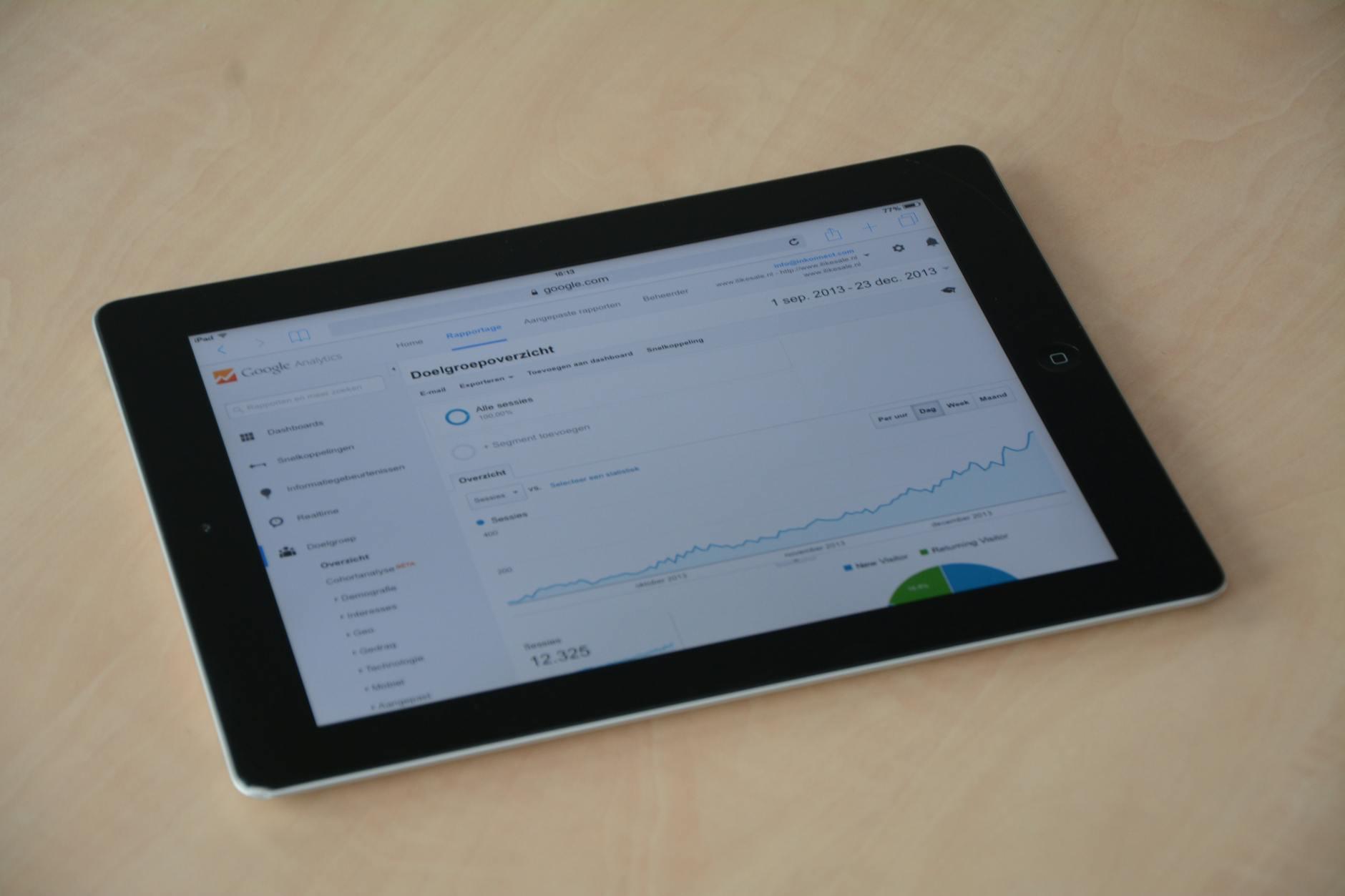
Vermont businesses with extreme seasonal variation need forecasting tools that traditional year-over-year comparisons can't provide. We implement machine learning models that correlate historical performance with dozens of variables—weather patterns, school vacation calendars, Canadian exchange rates, competitor openings—to predict upcoming season performance with granularity that enables confident staffing and inventory decisions. A ski resort client using our predictive system improved season-pass pricing strategy by analyzing which discount timing and structure maximized early-season cash flow while maintaining overall revenue, resulting in 14% better cash position entering the operating season while matching total season revenue.

Vermont retailers, service providers, and manufacturers often operate multiple locations across the state's challenging geography, each with different characteristics affecting performance. Our BI systems create unified views that enable fair comparison despite location differences, normalizing metrics for factors like tourist traffic density, local population income levels, and facility age. For a regional farm supply chain, we built dashboards comparing location performance while controlling for agricultural density and seasonal timing variations (Northeast Kingdom growing seasons run two weeks behind Champlain Valley), enabling management to identify genuine operational efficiency differences rather than geographic advantages.

Vermont's significant investment in seasonal equipment—snowmaking systems, agricultural machinery, tourism infrastructure—requires analytics that maximize ROI during limited operating windows. We implement BI systems that track detailed equipment utilization, correlate performance with maintenance history, and predict optimal replacement timing based on repair cost trajectories versus new equipment capabilities. A logging operation client reduced equipment downtime by 27% using our predictive maintenance system that analyzes hydraulic pressure variations, engine hour accumulation patterns, and seasonal stress factors to schedule maintenance during weather-enforced idle periods rather than during optimal operating conditions.
Vermont businesses committed to local supplier relationships need visibility across networks of small producers who may lack sophisticated systems. We build BI solutions that aggregate data from diverse sources—email communications, simple spreadsheets, manual counts—into cohesive supply chain views. For a specialty cheese retailer, we created a system that tracks inventory and delivery schedules across 40+ small Vermont cheese producers, each using different communication methods and production cycles, providing the visibility needed to maintain product availability while respecting each producer's operational constraints and minimizing inventory holding costs.
Vermont's high electricity costs and renewable energy focus make consumption optimization economically critical. Our BI systems correlate production schedules with time-of-day rates, solar/wind generation patterns, and battery storage capacity to minimize costs. For a cold storage facility, we implemented analytics that balance temperature maintenance requirements with energy costs, automatically shifting cooling intensity based on rate schedules and weather forecasts while maintaining FDA-required temperature ranges. The system reduced annual energy costs by $62,000 while improving temperature stability, demonstrating that cost optimization and quality improvement aren't contradictory when supported by proper analytics.
Vermont's tourism businesses need to understand customer behavior patterns that differ significantly from urban markets—longer booking lead times, weather sensitivity, multi-activity bundling preferences. We build BI systems analyzing booking patterns, on-site spending behaviors, and return visit triggers specific to Vermont's tourism context. A resort client discovered through our analytics that guests who participated in at least one non-skiing activity (snowshoeing, dining events, spa services) showed 340% higher likelihood of rebooking within two years, leading to strategic investments in shoulder-season activities that improved year-round occupancy by 23% while building customer lifetime value.
Vermont manufacturers in regulated industries need instant access to complete production history for any component or batch. Our BI systems automatically link raw material certifications, process parameters, inspection results, and operator credentials into queryable databases that generate audit-ready reports in minutes. For a medical device manufacturer, we implemented a system where scanning a finished product serial number displays its complete manufacturing history including material lot traceability, calibration status of measurement equipment used during inspection, environmental conditions during critical processes, and digital signatures of operators performing each step—capabilities that helped them achieve FDA audit closure in one day versus the industry average of eight days.
We're saving 20 to 30 hours a week now. They took our ramblings and turned them into an actual product. Five stars across the board.
Vermont businesses using our BI systems for demand forecasting and inventory optimization reduce spoilage, obsolescence, and overstock carrying costs by accurately predicting requirements while accounting for seasonal patterns and local market dynamics that generic forecasting tools miss.
Executives using our BI dashboards access critical performance data instantly rather than waiting for manual report compilation, enabling same-day operational adjustments that capitalize on market opportunities or address problems before they compound.
Clients consistently identify cost reduction opportunities through data visibility that manual analysis missed—from energy consumption patterns and supplier price discrepancies to process inefficiencies and underutilized capacity—with documented savings ranging based on organization size.
Predictive maintenance analytics identify impending failures early enough to schedule repairs during planned downtime rather than experiencing emergency breakdowns during critical operating periods, particularly valuable for Vermont's seasonal businesses.
Regulated Vermont manufacturers generate compliance documentation instantly rather than spending days manually compiling records, reducing audit preparation costs while eliminating compliance gaps that could jeopardize certifications or customer relationships.
Machine learning models analyzing historical patterns alongside external factors like weather, economic indicators, and competitive actions provide significantly more accurate predictions than spreadsheet-based forecasting, enabling confident resource allocation decisions.
We conduct detailed workshops with operational staff and executives to understand your business cycles, existing data sources, decision-making processes, and analytics gaps. For a Vermont tourism operator, this phase revealed that booking pace analytics would provide more value than traditional occupancy reporting, fundamentally changing the implementation focus. We document specific metrics that will drive decisions, not generic KPIs that look impressive but don't influence actions.
We inventory your existing systems, evaluate data quality, and design integration architecture that balances comprehensiveness with implementation practicality. This phase includes connecting to sample data to verify assumptions and identify integration challenges early. For a manufacturing client, testing revealed that their ERP system's API had undocumented limitations requiring alternative extraction approaches—discovering this during planning rather than mid-implementation prevented schedule delays.
We build the data infrastructure that consolidates information from your various systems into a unified analytical database, implementing transformation rules that standardize formats and apply business logic. Our approach includes extensive validation to ensure accuracy, with reconciliation reports comparing source system totals to warehouse values. A distribution client's implementation included 47 validation checks ensuring inventory, order, and financial data matched source systems within defined tolerance thresholds before dashboards went live.
We create initial dashboards based on requirements, then refine them through multiple review cycles with actual users to ensure usability and relevance. This iterative approach consistently reveals that initial assumptions about needed metrics and visualizations require adjustment based on real-world usage patterns. A retail client's dashboard went through four refinement cycles before users confirmed it provided the right balance of detail and simplicity for daily operational decisions.
We conduct hands-on training sessions tailored to different user roles, provide documentation, and offer intensive support during initial weeks of use when questions arise frequently. Training emphasizes using analytics for actual decisions rather than just viewing dashboards. For a manufacturing client, we facilitated weekly review meetings during the first month where management practiced using BI insights to make operational decisions, building confidence and establishing analytics-driven decision patterns.
After launch, we monitor system performance, track which dashboards users access most frequently, and identify enhancement opportunities based on evolving needs. Most clients expand their BI capabilities over time as initial implementations demonstrate value and reveal additional analytics opportunities. A ski resort client started with operational dashboards, then added predictive analytics, customer segmentation, and marketing attribution analysis in subsequent phases as their analytics sophistication grew.
Vermont's $34 billion economy concentrates in sectors that generate distinctive data analytics requirements: agriculture and food production ($4.2 billion annually), precision manufacturing ($2.1 billion), tourism and hospitality ($1.8 billion), and healthcare services. These industries share common BI challenges despite their operational differences—seasonal intensity that compresses annual performance into limited timeframes, workforce constraints requiring maximum productivity from limited personnel, and quality expectations that demand process precision. We've implemented BI solutions across these sectors, developing expertise in the operational realities that make Vermont business analytics different from urban markets.
The state's agricultural sector produces data complexity that rivals manufacturing: 690 dairy farms averaging 200+ milking cows each generate daily data on individual animal health, milk quality, feed consumption, and breeding cycles. Maple syrup operations monitor sap flow rates across thousands of taps, vacuum system performance, reverse osmosis efficiency, and evaporator fuel consumption. Organic vegetable farms track soil amendments, pest pressure, harvest timing, and post-harvest handling for dozens of crop varieties. Each operation type uses specialized software—DairyComp, FarmOS, CDL for crop planning—that rarely integrates well with accounting and business management systems. Our BI implementations create unified views that enable farm managers to correlate operational decisions with financial outcomes, revealing profitability patterns invisible when data remains siloed.
Vermont's manufacturing concentration in precision components serves aerospace, medical device, and defense markets where quality documentation isn't optional. These firms operate complex quality management systems capturing hundreds of measurements per part, maintaining calibration records for measurement equipment, tracking operator certifications, and documenting environmental conditions during critical processes. A Rutland County machine shop produces components for jet engines with tolerances measured in ten-thousandths of an inch, generating 47 individual measurements per part across three inspection stages. Their BI system automatically correlates this quality data with machine tool conditions, material lot characteristics, and ambient temperature to predict when processes will drift out of specification, enabling proactive adjustments that reduced scrap rates by 31%.
The state's tourism industry generates analytics challenges centered on seasonality, capacity optimization, and customer lifetime value. Vermont ski resorts generate 65-75% of annual revenue during 15-20 weeks of winter operations, requiring sophisticated forecasting and capacity management to maximize profitability during this compressed timeframe. A Killington-area resort uses our BI system to optimize dynamic pricing across lodging, lift tickets, and lessons by analyzing booking pace, weather forecasts, regional competition, and school vacation calendars. The system recommends pricing adjustments twice daily during booking season, contributing to 19% higher revenue per available room compared to their previous fixed-pricing approach. Beyond winter operations, the BI system identifies which summer and fall activities generate highest return visit rates, guiding investment decisions that improve year-round utilization.
Vermont's craft beverage industry—which grew from 20 breweries in 2008 to over 100 today—faces intense inventory and production analytics requirements. These businesses manage hundreds of SKUs with different production timelines (lagers requiring 6+ weeks versus ales ready in 10 days), varied shelf lives, and diverse package formats. Raw material quality variation significantly affects final products—hop alpha acid content varying by 15-20% between crop years changes beer bitterness and requires recipe adjustment. We implemented a BI system for a Montpelier-area brewery that correlates ingredient batch characteristics with fermentation performance, finished beer analysis, and customer satisfaction scores collected via a [custom mobile app](/services/custom-software-development). This visibility enabled them to identify which hop suppliers consistently deliver characteristics that customers prefer, improving repeat purchase rates by 24% through more consistent product quality.
Healthcare delivery across Vermont's rural geography creates operational challenges requiring specialized analytics. Hospitals and practices must optimize limited specialist availability across multiple sites, manage equipment utilization when capital resources serve dispersed locations, and track patient outcomes across episodes of care spanning multiple providers. A regional health network uses our BI system to analyze patient flow patterns, identifying that 23% of ER visits come from a six-town region with limited primary care access—insight that guided opening a urgent care clinic that reduced ER utilization by 34% in that region while improving patient satisfaction and reducing overall system costs. The BI system continues tracking utilization patterns to inform service expansion decisions, demonstrating how data visibility enables strategic resource allocation in resource-constrained environments.
Vermont's renewable energy sector requires BI systems that manage complexity across generation sources, storage systems, and consumption patterns. A Bennington commercial solar installer uses analytics to optimize system designs by correlating actual performance data from 200+ installations with shading patterns, panel orientation, inverter efficiency, and local weather variations. This performance database enables more accurate production forecasting for new installations and identifies underperforming existing systems requiring maintenance. For their own operations, BI analytics track installation crew productivity, warranty claim patterns, and customer payment behaviors to optimize scheduling and improve cash flow predictability. The system identified that installations completed in September-October showed 23% fewer warranty issues than spring installations due to installer experience curves and reduced weather-related delays—insight that influenced their seasonal scheduling strategy.
The state's strong retail localization creates supply chain complexity that BI systems uniquely address. Independent retailers committed to Vermont-made products coordinate with dozens of small suppliers, each with limited production capacity, inconsistent delivery schedules, and minimal technological sophistication. A Woodstock country store uses our BI system to manage relationships with 110 local suppliers providing everything from maple products and cheese to woodwork and textiles. The system tracks supplier reliability (on-time delivery percentage, order accuracy), product performance (sales velocity, return rates, margin contribution), and inventory positions to automatically generate reorder recommendations that balance local sourcing commitments with profitability requirements. This visibility improved inventory turns by 35% while maintaining the local product breadth that differentiates them from chain competitors, demonstrating that values-driven business strategies become more sustainable when supported by proper analytics.
FreedomDev is based in West Michigan and works with clients remotely across the United States.
Schedule a direct consultation with one of our senior architects.
We've built BI solutions since before 'business intelligence' became an industry buzzword, developing deep expertise in data integration, warehouse design, and analytics architecture. Our [custom software development](/services/custom-software-development) background means we build solutions tailored to your specific requirements rather than forcing your business into pre-built templates. We understand that Vermont's specialized industries need custom approaches that off-the-shelf BI tools cannot provide.
We've implemented BI systems across Vermont's key sectors—agriculture, manufacturing, tourism, retail, healthcare—developing expertise in the operational realities and analytics requirements specific to each. Our [Real-Time Fleet Management Platform](/case-studies/great-lakes-fleet) demonstrates our ability to handle complex operational data integration, while our work with Vermont clients has built understanding of seasonal business patterns, rural connectivity challenges, and workforce constraints that fundamentally shape effective BI implementations in this market.
Vermont businesses use specialized software that varies dramatically by industry, and we've successfully integrated analytics across this diverse landscape. Our [systems integration](/services/systems-integration) capabilities span agricultural management platforms, manufacturing ERP systems, hospitality software, and accounting tools. We don't require that you replace working systems to gain analytics capabilities—we integrate with what you have, preserving your operational investments while adding the analytical layer that creates visibility across previously siloed data.
We view BI implementations as beginning long-term relationships rather than completed projects. Our clients typically expand their analytics capabilities over time as initial implementations prove value and reveal additional opportunities. We provide ongoing optimization, enhancement, and strategic guidance as your business evolves and your analytics sophistication grows. A manufacturing client we've supported for seven years has progressed from basic production dashboards to predictive maintenance, quality correlation analysis, and customer profitability modeling—evolution that happened because we remained engaged as a strategic partner rather than disappearing after initial deployment.
We provide honest assessments of what BI systems can deliver, implementation timelines, and ongoing costs rather than overpromising to win projects. Our discovery process often reveals that clients' initial assumptions about needed analytics should shift based on operational realities—we provide this guidance even when it means recommending a smaller initial scope than clients expected. This transparency builds trust and results in implementations that deliver genuine business value rather than impressive-looking dashboards that don't influence decisions. [Contact us](/contact) to discuss your specific BI needs with our team of experienced analysts.
Explore all our software services in Vermont
Let’s build a sensible software solution for your Vermont business.