
Utah's economy expanded by 3.4% in 2023, outpacing the national average by nearly a full percentage point, with technology, healthcare, and manufacturing sectors driving the need for sophisticated data analytics infrastructure. Companies operating in the Silicon Slopes corridor from Provo to Salt Lake City face unique challenges: rapidly scaling operations, complex regulatory requirements in healthcare and finance, and the need to make real-time decisions with increasingly distributed data sources. At FreedomDev, we've spent over two decades building business intelligence systems that transform raw operational data into actionable insights for organizations navigating these exact growth trajectories.
The modern business intelligence landscape extends far beyond static dashboards and monthly reports. Our implementations integrate real-time data pipelines from ERP systems like QuickBooks and Sage, manufacturing execution systems, IoT sensor networks, and customer relationship platforms into unified analytics environments. For a West Michigan manufacturing client, we built a [Real-Time Fleet Management Platform](/case-studies/great-lakes-fleet) that processes GPS coordinates, fuel consumption metrics, and maintenance schedules every 30 seconds, resulting in 22% reduction in downtime and $147,000 in annual savings. These same architectural patterns apply to Utah's diverse industries, from outdoor recreation equipment manufacturers in Ogden to SaaS companies in Lehi.
Utah businesses face specific data integration challenges that generic BI tools often fail to address. The state's concentration of multi-location retail operations requires inventory analytics that account for altitude variations affecting product performance, seasonal tourism patterns in Park City and Moab, and demographic shifts as the state's population grows at twice the national rate. Healthcare organizations navigating Intermountain Healthcare's extensive provider network need analytics that reconcile billing data across dozens of facilities while maintaining HIPAA compliance. Our custom BI implementations address these nuanced requirements through purpose-built data models rather than forcing business processes into off-the-shelf limitations.
The technical foundation of effective business intelligence starts with proper data architecture, not visualization tools. We've seen too many Utah companies invest heavily in Tableau or Power BI licenses only to struggle with data quality issues, fragmented sources, and queries that time out during peak usage. Our approach begins with data warehouse design using dimensional modeling principles, implementing slowly changing dimensions for historical accuracy, and building incremental ETL processes that scale efficiently. For one client processing 2.3 million transactions daily, we reduced dashboard load times from 47 seconds to under 3 seconds by restructuring their star schema and implementing aggregate tables at appropriate granularity levels.
Manufacturing operations throughout Utah's industrial corridors generate massive volumes of operational data that remain underutilized without proper BI infrastructure. Production line sensors, quality control measurements, supply chain tracking systems, and workforce management platforms each contain valuable signals, but the insights emerge only when these disparate sources connect through well-designed data pipelines. We recently implemented a manufacturing intelligence system that correlates machine vibration patterns with quality defects, enabling predictive maintenance that reduced scrap rates by 31% and extended equipment lifespan by an average of 14 months. The system processes 840,000 sensor readings per hour through optimized SQL Server stored procedures and surfaces anomalies within 90 seconds.
Financial services and banking institutions in Utah require BI systems that balance analytical depth with regulatory compliance and data security. Our [QuickBooks Bi-Directional Sync](/case-studies/lakeshore-quickbooks) implementation demonstrates how accounting data can flow seamlessly into analytical databases while maintaining audit trails and preventing reconciliation discrepancies. The solution processes journal entries, invoices, and payment records in real-time, validates against business rules, and provides executives with profitability analytics by customer segment, product line, and sales territory. This architectural approach applies equally to larger ERP systems like NetSuite, Acumatica, and Microsoft Dynamics, which dominate Utah's mid-market landscape.
Healthcare analytics in Utah's concentrated provider market demands specialized approaches to data integration and reporting. With Intermountain Healthcare, University of Utah Health, and numerous specialty clinics generating millions of patient encounters annually, the ability to analyze outcomes, resource utilization, and operational efficiency separates high-performing organizations from those struggling with margins. Our BI implementations for healthcare clients incorporate HL7 interface engines, FHIR API integration, and claims data normalization to create comprehensive views of patient populations. One system we built analyzes 340B drug pricing compliance across 17 clinic locations, identifying $380,000 in annual savings through optimized purchasing patterns.
The outdoor recreation industry, a cornerstone of Utah's economy with brands like Black Diamond and Backcountry.com headquartered in the state, requires BI systems that handle seasonal demand volatility and multi-channel sales analytics. E-commerce platforms, retail POS systems, wholesale distribution networks, and direct-to-consumer channels each generate transaction data with different schemas and latency requirements. We build unified customer analytics that track lifetime value across channels, identify high-performing product categories by geographic region, and forecast inventory needs based on weather patterns, social media trends, and historical sales curves. For one outdoor equipment manufacturer, predictive models reduced excess inventory by 28% while improving in-stock rates during peak seasons by 19%.
Real-time operational intelligence separates reactive businesses from those that anticipate problems before they impact customers. Our implementations leverage change data capture (CDC) technologies, message queues, and stream processing to deliver insights within seconds of events occurring in source systems. A logistics client in Utah's distribution sector now receives alerts when delivery routes deviate from optimal paths, when fuel consumption exceeds expected thresholds, or when customer delivery windows risk violations—all within 45 seconds of the triggering event. This responsiveness requires careful architecture around SQL Server Service Broker, Redis caching layers, and SignalR push notifications to web dashboards.
The true value of business intelligence emerges not from the technology stack but from the business questions it answers reliably and repeatedly. We document key performance indicators with precise calculation logic, establish data governance protocols that maintain accuracy as source systems evolve, and train internal teams to extend analytics capabilities independently. Our [business intelligence expertise](/services/business-intelligence) includes establishing center of excellence frameworks where Utah companies develop sustainable analytics practices rather than perpetual vendor dependencies. This approach has enabled clients to build internal capabilities while relying on us for complex integrations, performance optimization, and architectural guidance.
Data security and compliance considerations shape every aspect of our BI implementations, particularly for Utah organizations in regulated industries. We implement row-level security that restricts data access based on organizational hierarchies, encrypt data at rest and in transit, and maintain detailed audit logs of who accessed which data when. For healthcare clients, we ensure BI systems meet HIPAA technical safeguard requirements. Financial services implementations incorporate SOC 2 controls. Retail clients handling payment data receive PCI DSS compliant architectures. These aren't afterthoughts or checkbox exercises—they're foundational design requirements that influence database schema design, API architecture, and user authentication flows.
Our location in West Michigan provides unique advantages for Utah clients seeking business intelligence expertise. We understand the operational realities of American manufacturing, distribution, and service businesses without the overhead structures of coastal consulting firms. We work in Mountain Time when needed, maintain close relationships with the Microsoft SQL Server product team given our decades of implementation experience, and charge rates that reflect Midwest economics rather than Silicon Valley venture capital expectations. This combination delivers enterprise-grade BI capabilities at price points that work for Utah's predominantly mid-market business landscape, where IT budgets range from $200,000 to $3 million annually rather than the eight-figure investments common in Fortune 500 environments.
We design and implement streaming data architectures that process operational events within seconds rather than overnight batch cycles. Using technologies like SQL Server Change Data Capture, Azure Service Bus, and custom ETL frameworks, we've built pipelines processing 50,000+ transactions per minute with end-to-end latency under 30 seconds. For a Utah-based logistics operation, real-time pipeline architecture enabled dynamic route optimization that reduced fuel costs by $23,000 monthly while improving on-time delivery rates from 87% to 96%. These systems include built-in data quality validation, automatic error recovery, and alerting when source system patterns indicate potential issues.
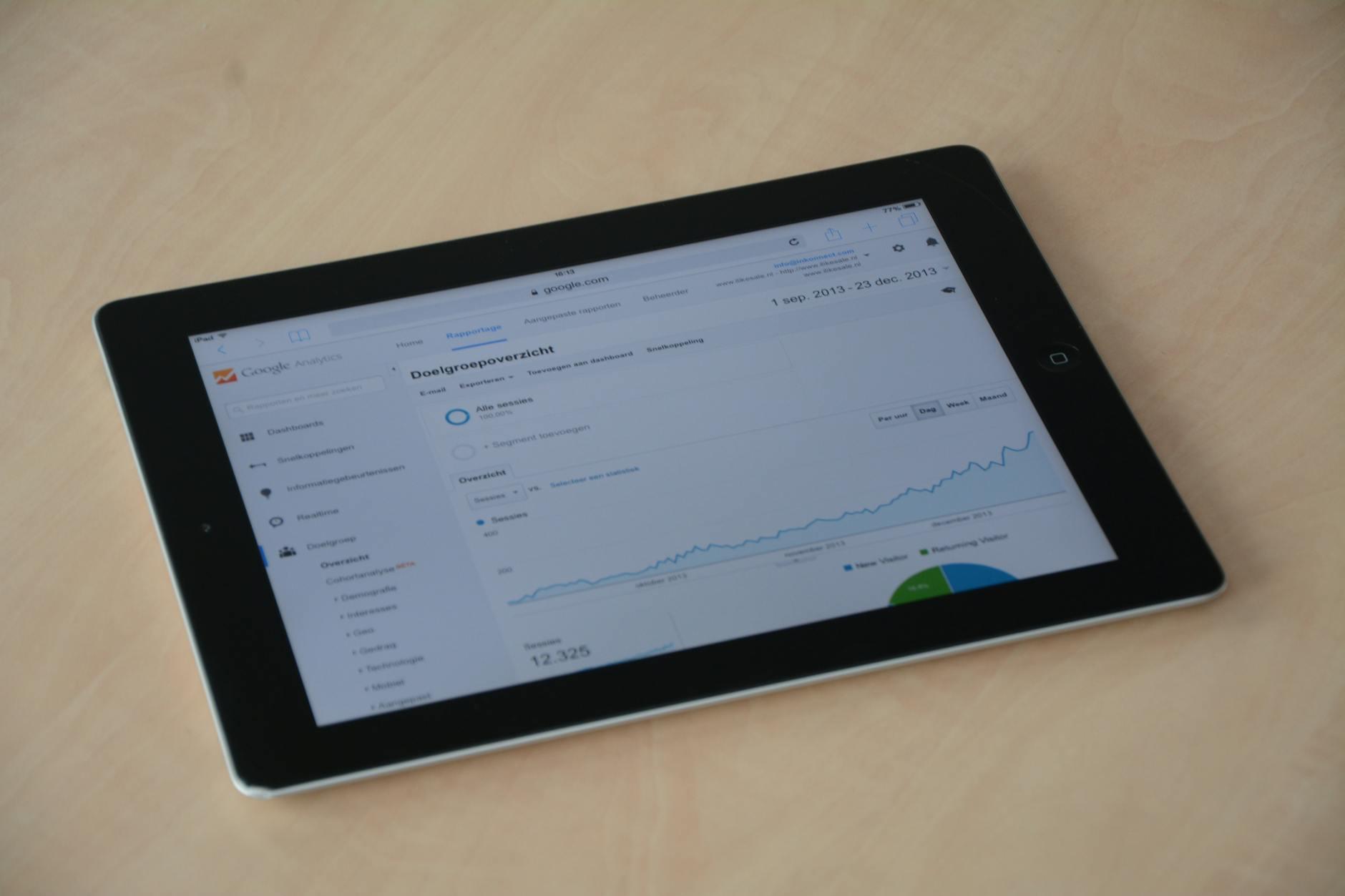
Purpose-built data warehouses using dimensional modeling deliver query performance that generic databases cannot match. We implement star schemas with carefully designed fact and dimension tables, slowly changing dimension handling for historical accuracy, and aggregate tables that accelerate common reporting patterns. One manufacturing client's 45-second executive dashboard load time dropped to 2.8 seconds after proper warehouse design, handling 18 months of transactional history across 340,000 customers and 12,000 product SKUs. The warehouse architecture includes incremental load processes that run every 15 minutes during business hours and comprehensive nightly updates for dimensional changes.

Financial data trapped in QuickBooks, Sage, NetSuite, or Microsoft Dynamics becomes exponentially more valuable when integrated into comprehensive BI environments. Our [QuickBooks Bi-Directional Sync](/case-studies/lakeshore-quickbooks) demonstrates how we extract chart of accounts, customer records, invoices, payments, and journal entries while maintaining referential integrity and audit compliance. For Utah companies with complex multi-entity structures, we consolidate financial data across legal entities while preserving the granularity needed for segment reporting, transfer pricing analysis, and cash flow forecasting. Integration runs continuously with 5-minute refresh cycles and includes reconciliation reports that flag discrepancies within minutes.

Production floor data from PLCs, SCADA systems, and quality control equipment contains actionable intelligence when properly collected and analyzed. We implement industrial IoT data collection frameworks that capture machine states, cycle times, temperature readings, pressure measurements, and quality metrics at sub-second intervals. One Utah manufacturer now correlates vibration sensor data with product defect rates, achieving 31% scrap reduction through predictive maintenance protocols that flag equipment degradation 72 hours before failure patterns emerge. The system processes 840,000 sensor readings hourly through optimized SQL Server tables with indexed timestamps and equipment identifiers.
Understanding customer behavior across touchpoints requires unified analytics that consolidate e-commerce platforms, CRM systems, marketing automation tools, and customer service interactions. We build 360-degree customer views that calculate lifetime value, predict churn probability, identify cross-sell opportunities, and segment populations for targeted campaigns. For an outdoor equipment retailer, customer analytics revealed that buyers who purchased hardgoods within 60 days of softgoods purchases had 3.2x higher lifetime values, informing product bundling strategies that increased average order values by 18%. The analytics refresh nightly with dimensional updates and include geographic clustering analysis specific to Utah's demographic distribution.
Machine learning models embedded in BI environments transform historical patterns into forward-looking insights. We implement regression models for demand forecasting, classification algorithms for customer churn prediction, and clustering analyses for market segmentation. One implementation uses three years of sales history, weather data, economic indicators, and promotional calendars to forecast inventory needs with 89% accuracy at the SKU-location-week level. Models retrain monthly as new data accumulates, with A/B testing frameworks that quantify prediction accuracy improvements. Results flow directly into procurement systems and allocation algorithms through automated data feeds.
Clinical and operational data from EMR systems, claims processors, and patient engagement platforms require specialized handling due to HIPAA regulations and complex medical coding schemes. We build analytics that calculate quality measures, track patient outcomes, identify high-risk populations, and optimize resource allocation across provider networks. One healthcare analytics implementation processes 2.1 million patient encounters annually, calculating readmission risk scores that enable proactive care coordination for the top 5% of predicted cases. The system maintains complete audit trails showing which users accessed which patient records when, satisfying compliance requirements while delivering actionable clinical intelligence.
Executive dashboards that display revenue, margins, cash flow, and operational metrics need to balance timeliness with accuracy while adapting to organizational changes. We implement flexible reporting frameworks where financial hierarchies, cost center allocations, and consolidation rules reside in configurable dimension tables rather than hard-coded logic. For a multi-location Utah retailer, this approach enabled finance teams to adjust regional groupings and product categorizations without developer intervention, while executives received refreshed P&L statements within 2 hours of month-end close. The system includes variance analysis that automatically highlights unusual patterns and drill-through capabilities to transaction-level detail.
FreedomDev definitely set the bar a lot higher. I don't think we would have been able to implement that ERP without them filling these gaps.
Real-time dashboards and automated alerts compress decision cycles from days to minutes, enabling operational agility that directly impacts competitiveness and customer satisfaction across Utah's fast-moving markets.
Purpose-built integration frameworks replace manual data exports and spreadsheet reconciliation, eliminating hundreds of hours annually in redundant effort while improving accuracy and auditability.
Statistical models trained on comprehensive historical data deliver materially better predictions than intuition-based planning, reducing inventory carrying costs while improving service levels and resource utilization.
Automated audit trails, role-based access controls, and documented calculation logic satisfy regulatory requirements in healthcare, finance, and other industries while reducing compliance overhead and audit preparation time.
Well-architected data warehouses and ETL processes accommodate business growth without performance degradation or architectural rewrites, protecting analytics investments as transaction volumes and user counts increase.
Documented data models, training programs, and self-service reporting tools enable internal teams to answer new business questions independently rather than queuing every analysis request with external resources or IT departments.
We begin with structured interviews across departments to understand your critical business questions, existing data sources, reporting workflows, and decision-making processes. This 1-2 week phase produces documented requirements, data source inventory, and preliminary architecture recommendations. For Utah clients, we conduct these sessions remotely or on-site as needed, accommodating Mountain Time schedules and regional business practices.
Our team designs the dimensional data warehouse schema, plans ETL workflows, specifies integration patterns for each source system, and documents data quality rules and transformation logic. This architecture phase typically requires 2-3 weeks and results in detailed technical specifications, database schemas, and integration designs that guide implementation. We review these designs with your technical staff to ensure alignment with existing infrastructure and security requirements.
We build the ETL processes that extract data from source systems, transform it according to business rules, and load it into the data warehouse on scheduled intervals. This 6-8 week phase includes developing database schemas, implementing slowly changing dimensions, building incremental load processes, and establishing data quality checks. We deliver working integration code with comprehensive error handling, logging, and monitoring capabilities that enable long-term operational stability.
With reliable data flowing into the warehouse, we build the dashboards, reports, and analytical views that answer your prioritized business questions. This 2-3 week phase produces executive dashboards, operational reports, self-service analytical views, and mobile-responsive interfaces as needed. We involve business users throughout development, incorporating feedback iteratively to ensure reports deliver actionable insights in formats that match decision-making workflows.
Before production release, we conduct comprehensive testing validating data accuracy against source systems, verifying calculation logic, and confirming performance under expected load conditions. We train business users on dashboard navigation, self-service capabilities, and interpretation of analytical outputs through hands-on sessions and documented materials. Deployment includes cutover planning, production environment configuration, and establishing support procedures for ongoing operations.
Following initial deployment, we monitor system performance, gather user feedback, and identify optimization opportunities. This ongoing phase includes query performance tuning as data volumes grow, adding new reports as business questions evolve, and extending integrations when source systems change. Many Utah clients engage us for quarterly enhancement cycles, systematically expanding analytical capabilities while maintaining system stability and performance. We document all enhancements thoroughly, building institutional knowledge that enables your internal teams to maintain and extend the platform.
Utah's economy presents unique analytical challenges that generic business intelligence tools struggle to address effectively. The state's 3.4% GDP growth in 2023 significantly outpaced national averages, driven by technology companies in the Silicon Slopes, outdoor recreation manufacturers, healthcare systems serving a rapidly growing population, and logistics operations supporting western distribution networks. Companies operating across these sectors need BI systems that handle industry-specific data sources, compliance requirements, and operational patterns rather than one-size-fits-all dashboards designed for generic business processes.
The concentration of technology companies between Provo and Salt Lake City creates a dense ecosystem of SaaS businesses, software consultancies, and IT service providers where data analytics capabilities directly influence competitive positioning. These organizations typically integrate customer data from platforms like Salesforce or HubSpot, usage analytics from application databases, financial data from NetSuite or Sage Intacct, and marketing metrics from Google Analytics and advertising platforms. We build unified analytics environments where customer acquisition costs, lifetime values, churn rates, and expansion revenue metrics update continuously rather than through monthly spreadsheet exercises. For one Utah SaaS company with 12,000 customers across three product lines, we implemented cohort analysis that identified specific onboarding patterns correlated with 89% higher retention rates, informing customer success protocols that reduced first-year churn by 24%.
Manufacturing operations in Ogden, West Valley City, and throughout Utah's industrial corridors face increasing pressure to optimize production efficiency, reduce waste, and improve quality consistency. The state's outdoor recreation equipment manufacturers—producing everything from climbing gear to ski equipment—deal with highly seasonal demand patterns, complex supply chains sourcing materials globally, and quality requirements where product failures carry safety implications. Business intelligence systems for these environments must correlate production data from shop floor systems with quality metrics, maintenance schedules, supply chain status, and financial performance. One implementation we designed processes data from 47 production cells, tracking cycle times, scrap rates, equipment utilization, and labor efficiency with 15-minute granularity. Plant managers identify production bottlenecks before they cascade into delivery delays, while executives receive daily margin analysis by product line with visibility into material cost variances and labor productivity trends.
Healthcare analytics in Utah must navigate the complexity of Intermountain Healthcare's 33 hospitals and 385 clinics, University of Utah Health's academic medical center operations, and numerous specialty practices and urgent care facilities. Population health management, value-based care contracts, and operational efficiency initiatives all depend on analytics that integrate clinical data from EMR systems, financial data from billing platforms, and operational metrics from scheduling and resource management systems. We've implemented healthcare BI environments that calculate quality measure performance, identify care gaps in chronic disease populations, forecast capacity needs based on demographic trends and seasonal patterns, and track operational metrics like patient wait times and provider productivity. These systems maintain HIPAA compliance through row-level security, encrypt protected health information, and log all data access for audit purposes while delivering the analytical depth that clinical and financial leaders need.
Retail and e-commerce operations throughout Utah benefit from customer analytics that span multiple channels and touchpoints. The state's significant outdoor recreation retail presence, both through brick-and-mortar locations and e-commerce platforms like Backcountry.com, requires inventory analytics that account for geographic demand variation, seasonal patterns influenced by snowfall and weather, and customer lifetime value calculation across channels. We implement unified customer databases that consolidate Shopify or Magento transactions, retail POS data, customer service interactions, and marketing engagement metrics. For one multi-channel retailer, customer segmentation revealed that buyers who first purchased online but later visited physical locations had 2.7x higher lifetime values than online-only customers, informing a store location strategy that prioritized markets with high online penetration. The analytics refresh nightly with new transaction data and include predictive models forecasting 90-day purchase probability for the top 20% of customers by historical value.
Financial services organizations, insurance companies, and fintech startups in Utah's growing financial sector face unique BI requirements around regulatory reporting, risk management, and customer analytics. These implementations must balance analytical flexibility with data security, maintain detailed audit trails, and often integrate legacy mainframe systems with modern cloud platforms. We've built analytics environments that consolidate loan portfolio data, customer transaction histories, fraud detection signals, and regulatory reporting metrics while implementing role-based access controls that restrict data visibility based on job function and compliance requirements. One implementation processes 340,000 daily transactions, calculates exposure metrics in real-time, and generates automated regulatory reports that previously required 40+ hours of manual work monthly.
Distribution and logistics operations supporting Utah's position as a western regional hub require analytics that optimize routes, forecast demand patterns, and track operational efficiency across transportation modes. With major distribution centers serving retailers, manufacturers, and e-commerce fulfillment operations, the ability to analyze delivery performance, capacity utilization, and cost per mile directly impacts profitability. Our [Real-Time Fleet Management Platform](/case-studies/great-lakes-fleet) demonstrates the architectural patterns we apply: GPS data integration, fuel consumption tracking, maintenance schedule optimization, and driver performance analytics. For Utah-specific implementations, we incorporate elevation changes that impact fuel efficiency, seasonal weather patterns affecting route reliability, and the geographic spread between the Wasatch Front population centers and rural service areas.
The rapid population growth throughout Utah—the state added 180,000 residents between 2020 and 2023—creates dynamic market conditions where historical patterns may not predict future outcomes reliably. Business intelligence systems must incorporate demographic data, economic indicators, and market research alongside operational metrics to provide context for performance trends. We implement external data integration from sources like US Census Bureau statistics, Bureau of Labor Statistics economic indicators, and weather data from NOAA to enrich internal operational analytics. One retail client's demand forecasting improved from 76% to 91% accuracy when models incorporated local population growth rates, new housing construction permits, and employment statistics alongside historical sales patterns. These contextual factors help Utah businesses distinguish sustainable growth trends from temporary market fluctuations.
FreedomDev is based in West Michigan and works with clients remotely across the United States.
Schedule a direct consultation with one of our senior architects.
Our 20+ years of experience focuses on the data architecture, integration engineering, and SQL optimization that makes BI systems actually work rather than just looking impressive in sales demos. We've designed dimensional models for businesses processing millions of transactions daily, built ETL frameworks handling dozens of disparate source systems, and optimized query performance when dashboards time out under real-world load. This depth separates our implementations from generic BI tool deployments that struggle when data volumes grow or business requirements exceed out-of-box capabilities.
Our West Michigan location and focused operational structure deliver enterprise-grade BI capabilities at price points that work for Utah's predominantly mid-market businesses with IT budgets between $200,000-$3 million annually. We charge rates reflecting Midwest economics rather than Silicon Valley venture capital expectations, and we right-size implementations to your actual needs rather than selling the largest possible project. Many clients find we deliver equivalent or superior technical outcomes compared to coastal consulting firms at 40-60% of their pricing.
We've built BI systems for manufacturing operations tracking production efficiency and quality metrics, healthcare organizations managing population health and regulatory reporting, retail businesses analyzing customer lifetime value across channels, distribution companies optimizing logistics and route planning, and financial services firms balancing analytical depth with compliance requirements. This breadth means we understand the specific data sources, business questions, and regulatory constraints your industry faces rather than learning on your project. Our [case studies](/case-studies) demonstrate this applied experience across real implementations.
We view BI implementations as building your organization's analytical capabilities rather than creating perpetual dependencies on external resources. We document data models thoroughly, train internal teams on system architecture and extension patterns, and design self-service frameworks where business users can answer new questions independently. Many Utah clients engage us for complex integrations, performance optimization, and architectural guidance while handling routine report development and dashboard maintenance internally. This approach maximizes your analytical ROI while providing expert support when needed.
Beyond business intelligence, our expertise spans [custom software development](/services/custom-software-development), [SQL consulting](/services/sql-consulting), and [database services](/services/database-services), enabling us to address the full technical ecosystem surrounding your BI implementation. When integrations require custom APIs in source applications, when database performance needs optimization, or when specialized reporting requires custom application development, we handle these requirements in-house rather than coordinating multiple vendors. This integration across disciplines delivers more cohesive solutions with clearer accountability and faster project timelines.
Explore all our software services in Utah
Let’s build a sensible software solution for your Utah business.