
As a trusted business intelligence company in Texas, we empower organizations to make informed decisions, drive growth, and stay ahead of the competition.
FreedomDev is based in West Michigan and works with clients remotely across the United States.
Texas ranks second nationally in GDP contribution with over $2.4 trillion in annual economic output, and businesses across the state generate data volumes that require sophisticated business intelligence infrastructure to transform into actionable insights. Organizations in Houston's energy sector, Dallas-Fort Worth's logistics networks, Austin's technology corridor, and San Antonio's healthcare systems face unique challenges in consolidating data from legacy systems, real-time operational platforms, and third-party integrations. [Our business intelligence expertise](/services/business-intelligence) has addressed these complexities for organizations processing everything from oil field sensor data to multi-state distribution metrics. Texas businesses can't afford to make strategic decisions based on incomplete data or manual reporting processes that lag weeks behind actual operations.
The scale of Texas operations demands business intelligence systems that handle massive data volumes while delivering sub-second query performance. A Houston-based distributor we worked with processed over 47 million transaction records annually across 12 warehouse locations, with executives needing consolidated visibility into inventory turns, supplier performance, and demand forecasting. Their previous reporting system required 6-8 hours to generate monthly analytics, and by the time leadership reviewed the data, market conditions had already shifted. We implemented a SQL Server-based data warehouse with automated ETL pipelines that reduced reporting generation to 90 seconds and provided real-time dashboards accessible from any device. This transformation enabled the company to identify a $1.2 million inventory obsolescence issue three months earlier than their previous system would have detected it.
Business intelligence isn't just about visualizing existing data—it's about connecting disparate systems that were never designed to communicate. Texas companies frequently operate with a patchwork of software: industry-specific applications for operations, QuickBooks or SAP for financials, Salesforce for CRM, and custom spreadsheets maintained by individual departments. Our [QuickBooks Bi-Directional Sync](/case-studies/lakeshore-quickbooks) case study demonstrates how we connected financial data with operational metrics for a Michigan manufacturer, and we've implemented similar integrations for Texas clients connecting specialized petroleum management software with financial systems. These [systems integration](/services/systems-integration) projects ensure that business intelligence platforms have access to complete, accurate data rather than fragmented snapshots.
Manufacturing operations across Texas particularly benefit from business intelligence that bridges the gap between production floor data and executive dashboards. A Fort Worth manufacturer tracked machine downtime manually on paper forms that supervisors compiled into weekly reports, meaning leadership discovered efficiency problems long after they impacted delivery schedules. We built a real-time data collection system integrated with their existing PLC infrastructure, feeding data into Power BI dashboards that showed machine utilization, quality metrics, and production pace by shift. Within three months, they reduced unplanned downtime by 23% simply because supervisors could now identify patterns—like a specific machine requiring maintenance every 47 operating hours—that were invisible in weekly aggregated reports.
The healthcare sector in Texas, with major medical centers in Houston, Dallas, San Antonio, and Austin, generates extraordinary data complexity across patient care, billing, compliance, and operational efficiency. A San Antonio healthcare network struggled with patient flow analysis across five facilities, unable to identify bottlenecks causing 90-minute average wait times in their urgent care centers. Their existing systems tracked appointments, check-ins, and discharges separately with no unified analytics. We created a consolidated business intelligence platform that tracked patient journey stages in real-time, revealing that 40% of delays occurred during insurance verification—a process that averaged 18 minutes but could be completed in under 5 with proper system integration. The network implemented our recommendations and reduced average wait times to 52 minutes within four months.
Energy sector companies operating in the Permian Basin and Eagle Ford Shale face unique business intelligence challenges with geographically distributed assets, variable commodity pricing, and complex logistics coordination. A midstream operator managing 340 miles of pipeline infrastructure across West Texas tracked operational data in one system, maintenance schedules in another, and regulatory compliance in spreadsheets maintained across three offices. We consolidated these data sources into a unified business intelligence platform that correlated equipment performance with maintenance history, weather events, and throughput demands. The system identified that preventive maintenance intervals could be optimized based on actual usage patterns rather than fixed schedules, reducing maintenance costs by $340,000 annually while improving reliability metrics.
Retail and distribution operations across Texas's 254 counties require business intelligence that accounts for regional variations in demand, seasonal patterns specific to different climate zones, and supply chain complexity spanning international borders through Laredo and Houston ports. A multi-location retailer with 28 stores across Texas used the same inventory allocation model for all locations, resulting in chronic overstock in some markets and stockouts in others. We built predictive analytics models that analyzed three years of transaction history combined with demographic data, local event calendars, and weather patterns. The system recommended location-specific inventory levels that reduced overall inventory carrying costs by 19% while improving in-stock rates from 87% to 96%.
Professional services firms—from legal practices to engineering consultancies—generate business value through billable hours and project delivery, yet many struggle with resource allocation and profitability analysis at the project level. A Dallas engineering firm with 85 employees couldn't accurately determine which project types generated the highest margins because their time tracking, project management, and accounting systems didn't communicate. We implemented a business intelligence solution that unified these data sources and revealed that municipal infrastructure projects averaged 34% gross margins while commercial developments averaged only 18%, despite similar billing rates. Armed with this insight, they adjusted their business development focus and improved overall firm profitability by 11 percentage points over 18 months.
Agricultural operations across Texas's diverse regions—from cotton in the High Plains to citrus in the Rio Grande Valley—increasingly rely on data-driven decision-making for irrigation, pest management, and harvest timing. A large-scale farming operation managing 8,400 acres across three Texas counties collected soil moisture data, weather information, and crop health metrics but lacked integrated analysis to optimize irrigation scheduling. We created a business intelligence platform combining IoT sensor data with weather forecasts and historical yield information, enabling precision irrigation that reduced water usage by 2.1 million gallons per growing season while improving yields by 7%. The system paid for itself in the first year through reduced water costs and increased production value.
Financial institutions and fintech companies in Texas's growing technology centers need business intelligence systems that handle real-time risk assessment, regulatory reporting, and customer behavior analysis across millions of transactions. A regional financial services company processing 12,000 transactions daily struggled with fraud detection, relying on rules-based systems that generated hundreds of false positives while missing sophisticated fraud patterns. We implemented machine learning models within their business intelligence infrastructure that analyzed transaction patterns, customer behavior baselines, and network relationships. The system reduced false positives by 67% while detecting fraud patterns that previous systems missed, preventing an estimated $840,000 in fraudulent transactions during the first year.
Construction and real estate development firms managing projects across Texas's booming metropolitan areas require business intelligence that tracks project costs, schedule adherence, subcontractor performance, and change order impacts in real-time. A commercial construction firm managing 15 concurrent projects totaling $180 million in value used separate systems for estimating, project management, accounting, and field reporting. Project managers discovered cost overruns weeks after they occurred, when mitigation options were limited. We built an integrated business intelligence platform that consolidated data from all systems and provided daily project health dashboards highlighting cost variances, schedule risks, and productivity metrics. The improved visibility enabled proactive management that reduced cost overruns from an average of 8.3% to 2.7% across their project portfolio.
Transportation and logistics companies serving Texas's vast geography and serving as a corridor for cross-border trade need business intelligence that optimizes routing, tracks asset utilization, and analyzes cost per mile across diverse service types. Our [Real-Time Fleet Management Platform](/case-studies/great-lakes-fleet) case study demonstrates the principles we apply to fleet operations, and Texas logistics companies face additional complexity with longer routes, variable border crossing times, and diverse cargo requirements. A Texas-based trucking company operating 120 power units couldn't accurately assess profitability by lane, customer, or equipment type. We created analytics that revealed certain customer contracts were actually unprofitable when factoring in deadhead miles and detention time, enabling renegotiation that improved overall fleet profitability by 14%.
Texas businesses typically operate 8-15 different software systems across departments, from industry-specific applications to standard business platforms. We build ETL pipelines that extract data from ERP systems, financial software, CRM platforms, operational databases, and even legacy AS/400 systems still common in established Texas enterprises. Our [SQL consulting](/services/sql-consulting) expertise ensures these integrations maintain data integrity and handle the transaction volumes typical of Texas-scale operations. A Houston distributor we worked with consolidated 11 separate data sources into a unified business intelligence platform that provided their first-ever complete view of operations, revealing $2.8 million in working capital trapped in slow-moving inventory that previous fragmented reporting never identified.
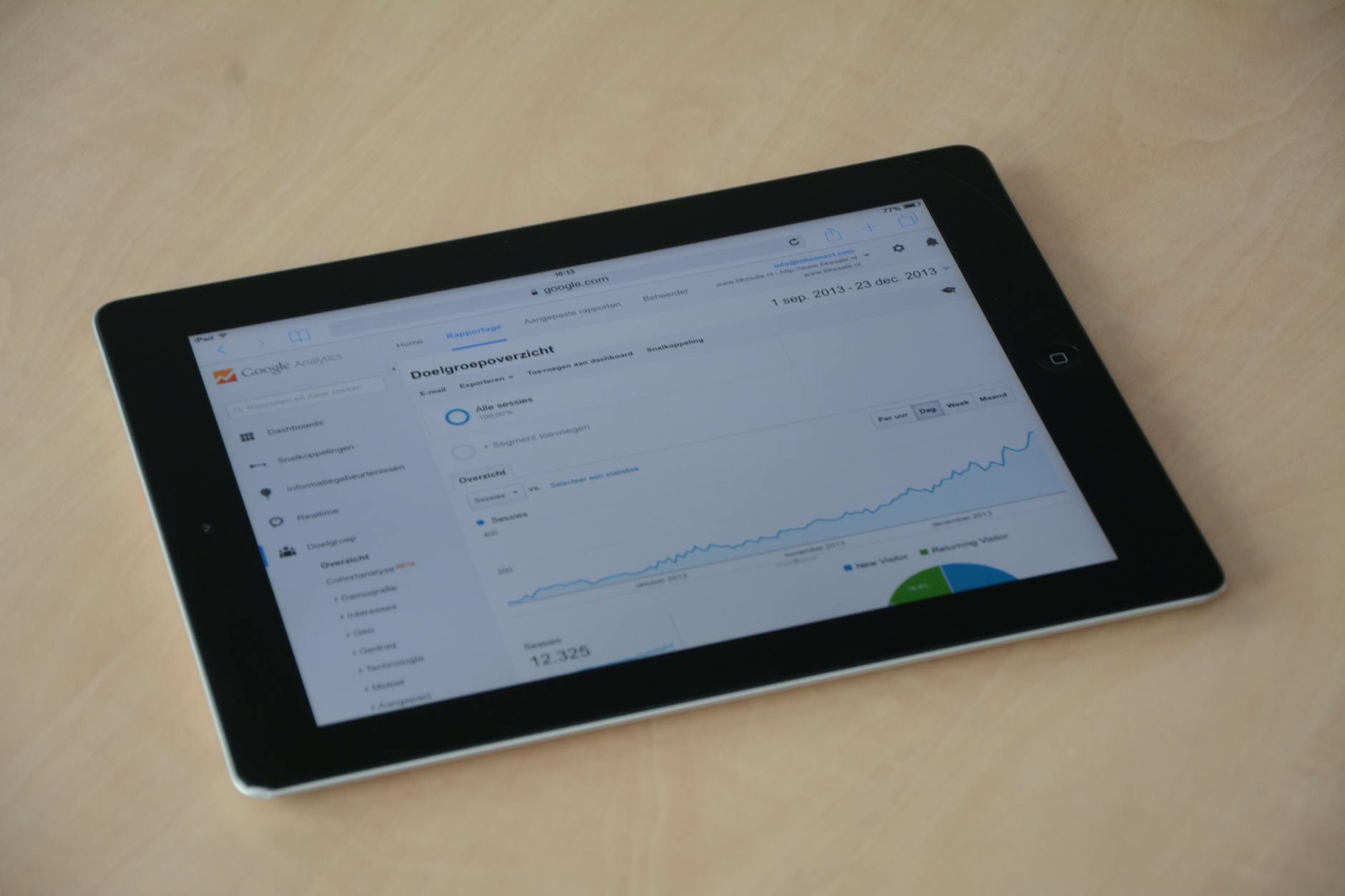
Texas business environments move quickly—oil prices fluctuate hourly, logistics operations span multiple states, and manufacturing schedules change based on customer demands and supply chain disruptions. We build business intelligence dashboards with sub-second refresh rates that display current operational status rather than yesterday's or last week's performance. A Fort Worth manufacturer implemented our real-time production monitoring system that updates every 30 seconds, enabling floor supervisors to identify and address quality issues within minutes rather than discovering problems during end-of-shift inspections. This responsiveness reduced scrap rates by 34% and prevented approximately $180,000 in wasted materials during the first year.

Texas industries from energy to agriculture face significant market volatility and seasonal demand variations that make historical reporting insufficient for planning. We implement predictive models using techniques like time series analysis, regression modeling, and machine learning algorithms tailored to your specific business patterns. A Texas retailer dealing with dramatic seasonal swings—including hurricane preparation spikes and back-to-school surges—used our predictive models to optimize inventory positioning two weeks before demand peaks. The system analyzed five years of transaction history combined with weather forecasts and local event calendars, improving forecast accuracy from 67% to 91% and reducing both stockouts and overstock situations by $420,000 annually.

Texas business leaders manage operations spanning vast geography, from oil fields in the Permian Basin to retail locations from Amarillo to Brownsville. We design business intelligence interfaces that deliver full analytical capability on mobile devices, not simplified mobile views that force executives to wait until they're at a desktop. A San Antonio construction executive uses dashboards we built to review project status, cost tracking, and crew productivity from his phone while visiting job sites, making decisions based on current data rather than waiting for weekly status meetings. The mobile-optimized interface includes drill-down capabilities, trend analysis, and the ability to export specific reports directly from the dashboard.
Texas businesses face reporting requirements from multiple regulatory bodies depending on industry—railroad commission filings for energy, TCEQ environmental reports, DOT compliance for transportation, and healthcare regulations for medical providers. We build business intelligence systems that automate these reporting processes, pulling required data from operational systems and formatting it according to regulatory specifications. A Houston energy company reduced their monthly compliance reporting from 40 labor hours to 2 hours of review time by automating data collection and report generation. The system also maintains an audit trail showing data lineage and calculation methodologies, providing documentation that satisfies auditor requirements.
Not all revenue is equally profitable, and Texas businesses serving diverse customer bases from small local accounts to major national contracts need granular visibility into which relationships drive actual profit versus simply generating revenue. We build customer profitability models that factor in direct costs, service requirements, payment terms, and allocated overhead to calculate true customer value. A Dallas B2B distributor discovered through our analysis that their five largest customers by revenue ranked 8th, 12th, 15th, 18th, and 22nd by profitability due to special pricing, frequent rush shipments, and extended payment terms. They used these insights to restructure contracts and redirect business development efforts toward higher-margin customer segments.
Texas businesses managing complex supply chains—particularly those importing through Houston or Laredo ports—need visibility into supplier reliability, lead time variability, quality issues, and total cost of ownership beyond purchase price. We create vendor scorecards within business intelligence platforms that track on-time delivery rates, quality metrics, pricing trends, and issue resolution times. A Texas manufacturer sourcing components from 47 suppliers lacked systematic vendor performance tracking, making sourcing decisions based primarily on quoted price and sales relationships. Our vendor analytics revealed that their lowest-price supplier created hidden costs through 19% defect rates and averaging 8 days late on deliveries, prompting a supplier rationalization program that reduced total supply chain costs by 12% despite slightly higher unit prices from more reliable vendors.
Financial statements tell you what happened, but business intelligence connects financial outcomes to the operational activities that generated them. We integrate financial data from accounting systems with operational metrics like production volumes, sales activities, headcount changes, and project milestones to explain performance variations and forecast future results. A Texas professional services firm saw revenue decline 8% year-over-year but couldn't identify the cause from financial statements alone. Our business intelligence analysis connected revenue to underlying metrics and revealed the issue: average project size had actually increased 12%, but sales cycle length had extended from 45 days to 67 days, creating a pipeline conversion problem. Identifying the root cause enabled targeted interventions that restored revenue growth within two quarters.
Our retention rate went from 55% to 77%. Teacher retention has been 100% for three years. I don't know if we'd exist the way we do now without FreedomDev.
Replace week-old reports with real-time dashboards that compress decision cycles from days to hours, enabling Texas businesses to respond to market changes, operational issues, and customer needs while conditions are still actionable.
Eliminate manual data gathering, spreadsheet consolidation, and report preparation that consumes dozens of staff hours monthly. Automated business intelligence systems generate reports in seconds that previously required days of manual work.
Replace gut-feel projections with data-driven forecasts based on historical patterns, leading indicators, and predictive models that account for seasonality, trends, and market conditions specific to Texas business environments.
Identify bottlenecks, inefficiencies, and optimization opportunities hidden in operational data. Texas companies using our business intelligence solutions typically identify 12-18% improvement potential within the first 90 days of implementation.
Direct capital, inventory, and human resources toward highest-value opportunities based on actual performance data rather than assumptions. Data-driven allocation typically improves ROI by 20-30% compared to traditional planning approaches.
Analyze market positioning, competitive dynamics, and customer preferences through systematic data analysis that reveals opportunities and threats earlier than traditional market research approaches, enabling proactive strategic adjustments.
We conduct detailed analysis of your existing systems, data structures, reporting requirements, and business questions leadership needs answered. This 2-3 week discovery phase involves meeting with executives, department leaders, and technical staff to understand what data you generate, where it lives, how decisions are currently made, and what limitations exist. For Texas companies with multiple locations or complex operations, we map data flows across your entire organization and identify integration challenges before development begins.
We create detailed technical architecture documenting how data will flow from source systems through transformation processes into analytical data warehouses and finally to user-facing dashboards. This includes database schema design, ETL process specifications, security and access control models, and dashboard wireframes. Texas clients review and approve this design before development starts, ensuring the solution addresses your specific requirements and integrates properly with your existing technology infrastructure including any industry-specific systems.
We build business intelligence systems in 2-3 week sprints, delivering working functionality for review rather than disappearing for months before revealing the final product. Texas clients see actual dashboards with real data within 4-6 weeks, provide feedback on functionality and visualization approaches, and influence development priorities based on which capabilities deliver the most value. This iterative approach ensures the system meets practical needs and allows adjustments based on insights gained during development.
We conduct comprehensive testing comparing business intelligence output against source systems to verify accuracy, test performance under realistic data volumes, and validate security controls. Simultaneously, we train executives, managers, and power users on dashboard navigation, self-service capabilities, report generation, and data interpretation. Training is role-specific—executives learn different capabilities than operational managers—and includes recorded sessions and documentation that Texas companies use for ongoing reference and new employee onboarding.
We deploy business intelligence systems into production environments with monitoring to ensure performance meets expectations and users can access systems reliably. The first 30-60 days post-deployment involve active support as Texas teams begin using the system daily, encounter edge cases not surfaced during testing, and request minor adjustments to visualizations or calculations. We track system usage patterns to identify adoption challenges and work with clients to address any resistance or confusion preventing full utilization of analytical capabilities.
Business intelligence needs evolve as companies grow, markets change, and new questions emerge from initial analytical insights. We provide ongoing support adding new data sources, building additional dashboards, optimizing performance as data volumes grow, and implementing advanced capabilities like predictive models. Many Texas clients start with core operational analytics then expand into customer segmentation, forecasting, or specialized analyses as they see the value of data-driven decision making. This evolutionary approach spreads investment over time and builds increasingly sophisticated analytical capabilities.
Texas represents the ninth-largest economy globally if measured independently, with economic output exceeding that of Canada or South Korea. This scale creates business intelligence requirements distinct from smaller markets—Texas companies manage operations spanning 268,000 square miles across radically different economic zones, from high-tech corridors in Austin to petrochemical complexes in Houston and agricultural operations across the Panhandle. Business intelligence systems serving Texas enterprises must handle geographic distribution, regional economic variations, and the operational complexity that comes with managing substantial scale across diverse industries. A [custom software development](/services/custom-software-development) approach rather than off-the-shelf solutions often becomes necessary because Texas business requirements exceed the assumptions built into packaged analytics tools.
The energy sector dominates Texas economic output, and oil and gas companies face business intelligence challenges involving real-time commodity price integration, production optimization across hundreds of wells, regulatory compliance reporting, and logistics coordination spanning drilling operations, midstream transport, and downstream processing. A West Texas E&P operator manages 280 active wells across six counties with varying production profiles, operating costs, and remaining reserves. Their business intelligence system integrates production data from SCADA systems, pricing information from commodity markets, maintenance records, and geological data to optimize production schedules and capital allocation decisions. The system identifies which wells to prioritize for enhanced recovery investments based on projected returns using current pricing and specific well characteristics, decisions worth millions annually in capital efficiency.
Dallas-Fort Worth serves as a logistics and distribution epicenter with Alliance Global Logistics Hub, DFW International Airport cargo operations, and extensive interstate highway access creating one of North America's premier distribution locations. Companies in this region need business intelligence that optimizes multi-modal transportation, manages inventory across numerous facilities, and coordinates with suppliers and customers across global supply chains. A DFW-based third-party logistics provider handles inventory for 34 clients across 2.1 million square feet of warehouse space, requiring business intelligence that tracks inventory by client, SKU location accuracy, order fulfillment speed, and space utilization while calculating profitability by customer account. The granular visibility enables pricing decisions based on actual service costs rather than general overhead allocations.
Austin's technology sector continues expanding with major employers including Apple, Tesla, Oracle, and hundreds of growing software companies requiring business intelligence for product analytics, customer behavior tracking, subscription metrics, and development velocity measurement. These companies often possess strong internal technical talent but lack the specialized expertise required to build production-grade business intelligence infrastructure handling terabytes of event data, real-time processing requirements, and complex data modeling. We've worked with Austin-area technology companies to architect data warehouses using modern platforms like Snowflake and implement analytics that track user engagement patterns, feature adoption rates, and customer health scores that predict churn risk weeks before traditional indicators surface problems.
San Antonio's healthcare concentration around the South Texas Medical Center, military medicine at Joint Base San Antonio, and numerous regional healthcare networks creates demand for business intelligence addressing patient outcomes, operational efficiency, revenue cycle management, and regulatory compliance. Healthcare analytics require HIPAA-compliant infrastructure, integration with specialized medical record systems, and visualization approaches that serve both clinical and administrative audiences. A San Antonio healthcare network implemented our business intelligence platform to track patient readmission rates, length of stay trends, and care protocol adherence across five facilities. The system identified variations in treatment approaches for similar patient populations that suggested opportunities to standardize around best-demonstrated practices, ultimately reducing readmissions by 16% and improving patient satisfaction scores.
Manufacturing across Texas ranges from aerospace components in Fort Worth to petrochemical processing along the Gulf Coast, with each sector requiring specialized business intelligence addressing industry-specific metrics while providing standard financial and operational analytics. A Houston manufacturer producing specialized equipment for the energy sector needed to track job costs across projects spanning 3-18 months, manage complex bill of materials with 2,000+ component SKUs, and integrate shop floor data collection with project accounting. Their business intelligence platform connects production actuals with estimates, highlighting variances while projects are in-process rather than during post-mortems when learning opportunities have passed. This real-time visibility improved estimate accuracy from 82% to 94% over two years as the company systematically learned from in-process variance analysis.
Agriculture and agribusiness operations across Texas's varied climate zones from the humid Gulf Coast to the semi-arid West require business intelligence integrating production data, commodity market information, weather patterns, and complex government program rules affecting planting decisions and revenue. A large-scale Texas farming operation uses business intelligence combining IoT sensor data from fields with commodity futures prices, crop insurance parameters, and historical yield information to make data-driven planting, irrigation, and harvest timing decisions. The system calculates expected returns for different crop choices under various price scenarios, considering factors including soil conditions, water availability, and market timing, enabling sophisticated planning that improved per-acre returns by 19% compared to traditional decision-making approaches.
Border commerce through Laredo and other Texas ports of entry creates unique business intelligence requirements for companies managing cross-border logistics, customs compliance, and currency fluctuations affecting costs and pricing. A Texas importer bringing products from Mexico through Laredo processes 400+ shipments monthly and needed business intelligence tracking shipment status, customs clearance times, carrier performance, and landed cost calculations including duties, freight, and currency conversion. The system identifies patterns like specific customs brokers processing shipments 40% faster than others or certain product classifications experiencing frequent inspection delays, enabling operational optimizations that reduced average delivery time by 3.2 days and lowered logistics costs by 8% through better carrier and routing selection.
FreedomDev is based in West Michigan and works with clients remotely across the United States.
Schedule a direct consultation with one of our senior architects.
We've implemented business intelligence solutions since 2003, working through multiple technology generations from early data warehouse platforms to modern cloud analytics. This experience means we understand what works in production environments serving Texas companies making actual business decisions daily, not academic exercises or proof-of-concept demos. Our implementations handle real-world complexities like data quality issues, system integration challenges, and the organizational change management required to shift from gut-feel to data-driven decision making.
Our team includes specialists in SQL Server, data warehousing, ETL development, business intelligence visualization platforms, and statistical analysis who understand both the technical implementation details and the business context driving requirements. We don't outsource development or rely on offshore teams unfamiliar with Texas business environments. Texas clients work directly with our West Michigan team members who architect, develop, and support their business intelligence systems throughout the relationship. This technical depth enables us to solve complex integration challenges and performance optimization needs beyond the capabilities of general development firms or BI consultants without implementation expertise.
We've built business intelligence solutions for manufacturers, distributors, healthcare providers, professional services firms, logistics companies, and other industries common across Texas's diverse economy. This industry experience means we understand relevant metrics, typical data challenges, and analytical approaches that generate value in your specific business context. When working with a Texas manufacturer, we already understand production efficiency metrics, quality tracking, and supply chain analytics rather than learning these concepts on your project timeline. Industry knowledge accelerates implementation and produces more relevant analytical capabilities.
We provide detailed proposals specifying exactly what business intelligence capabilities will be delivered, what data sources will be integrated, which dashboards will be built, and what the total investment will be before projects begin. Texas clients know their complete financial commitment upfront rather than facing open-ended hourly billing that creates budget uncertainty. If we discover unexpected complexity during implementation, we address it within the agreed scope rather than generating surprise change orders. This pricing approach provides financial predictability for Texas companies making substantial business intelligence investments.
Our business model depends on client success and referrals rather than high-pressure sales tactics or vendor lock-in strategies. We succeed when Texas clients achieve measurable business value from business intelligence implementations—faster decisions, operational improvements, cost reductions, or revenue growth enabled by better information. This alignment means we focus on delivering working systems that solve actual business problems rather than maximizing billable hours or selling unnecessary complexity. You can review [our case studies](/case-studies) showing specific results from previous implementations and [contact us](/contact) to discuss how similar approaches might address your Texas business intelligence requirements.
Explore all our software services in Texas
Let’s build a sensible software solution for your Texas business.