
Discover how our business intelligence solutions can drive growth and efficiency for your organization in the Volunteer State.
FreedomDev is based in West Michigan and works with clients remotely across the United States.
Tennessee's economy generated $461.3 billion in GDP during 2023, with manufacturing accounting for 17.2% of that total—significantly higher than the national average of 11%. This manufacturing strength, combined with major healthcare operations in Nashville and logistics hubs in Memphis, creates complex data environments where manual reporting fails to deliver the speed and accuracy businesses need. We've implemented [business intelligence](/services/business-intelligence) systems for organizations across Tennessee that reduced reporting time from days to minutes while uncovering revenue opportunities that spreadsheets had hidden for years.
The data challenges we see in Tennessee operations differ fundamentally from other regions. A Memphis distribution center might process 50,000 shipment records daily across multiple carriers and systems, while a Nashville healthcare provider manages patient data across six different EMR systems that rarely communicate. When a Knoxville manufacturer needed to track quality metrics across three plants using incompatible legacy systems, their Excel-based approach meant supervisors spent 15 hours weekly compiling reports that were outdated before distribution. Our BI implementation consolidated those systems into real-time dashboards that identified a supplier quality issue saving them $380,000 in potential recalls.
Manufacturing intelligence has become particularly critical as Tennessee's automotive and advanced manufacturing sectors expand. We recently worked with a tier-one automotive supplier in Spring Hill tracking defect rates across 23 production lines. Their previous system—a combination of paper logs and quarterly Excel summaries—meant quality issues went undetected for weeks. The [custom software development](/services/custom-software-development) solution we built pulls data from shop floor sensors, inspection stations, and shipping systems every 60 seconds, automatically flagging anomalies. Within three months, they reduced defect rates by 34% and avoided $1.2 million in customer penalties by catching issues before shipment.
Healthcare data integration presents unique challenges given the sensitive nature of patient information and Tennessee's position as a national healthcare management center. Nashville-based healthcare companies often manage data for facilities across multiple states, each with distinct regulatory requirements and system configurations. When one healthcare services provider struggled to consolidate billing data from 47 client facilities using eight different practice management systems, their month-end close took 12 days. Our BI solution integrated those disparate sources while maintaining HIPAA compliance, reducing close time to three days and identifying $2.3 million in previously missed revenue opportunities through pattern analysis.
Logistics and distribution intelligence has become increasingly sophisticated as Tennessee's position along I-40 and I-65 corridors attracts warehousing operations. A Memphis third-party logistics provider managing 200,000 square feet of warehouse space was making staffing decisions based on last month's patterns rather than real-time demand signals. Their inability to correlate inbound shipment data with outbound orders meant consistent overstaffing on slow days and understaffing during peaks. The BI system we implemented connects their WMS, TMS, and customer order systems, providing predictive staffing recommendations that reduced labor costs by 18% while improving on-time shipment rates from 91% to 97%. Similar to our [Real-Time Fleet Management Platform](/case-studies/great-lakes-fleet), this approach transforms operational data into actionable intelligence.
Financial data consolidation challenges emerge frequently in Tennessee's middle-market companies experiencing rapid growth. When businesses expand from single locations to multi-site operations, their accounting systems often don't scale appropriately. A Nashville-based retail chain with 14 locations across Tennessee and neighboring states was manually consolidating sales data from point-of-sale systems that couldn't communicate with their accounting software. Monthly financial statements took eight days to produce, and inventory valuation was consistently wrong. We developed a solution similar to our [QuickBooks Bi-Directional Sync](/case-studies/lakeshore-quickbooks) that automated data flow between their POS systems, inventory management, and QuickBooks, reducing close time to two days while eliminating the $40,000-$60,000 in monthly inventory discrepancies.
The growth of Tennessee's craft beverage industry illustrates how even traditional sectors benefit from modern BI approaches. A Chattanooga brewery distributing across six states was tracking sales, inventory, and production using separate systems that required manual reconciliation. They couldn't answer basic questions like which SKUs were most profitable by distribution channel or how production efficiency varied by batch size. The analytics platform we built integrated their production software, distributor reporting, and financial systems, revealing that their fastest-growing product actually generated 22% lower margins than slower-moving items—insights that reshaped their production priorities and increased overall profitability by 31%.
Real-time operational intelligence has transformed how Tennessee manufacturers respond to supply chain disruptions. A Jackson-based manufacturer sourcing components from 40 suppliers across eight countries had no systematic way to track supplier performance, lead times, or quality issues. When component shortages threatened production schedules, they had no data-driven way to identify alternative suppliers or assess risk. Our [database services](/services/database-services) team built a supplier intelligence system that tracks 200+ metrics per supplier, automatically flagging risks and recommending alternatives. During recent supply chain pressures, this system helped them avoid 17 days of production downtime that would have cost approximately $3.4 million.
Customer analytics capabilities have become essential as Tennessee businesses compete in increasingly digital markets. A Knoxville-based B2B distributor with 3,000 active customers was treating all customers similarly despite dramatic differences in ordering patterns, profitability, and growth potential. They had transactional data going back 12 years but no analytical tools to extract insights. The BI solution we implemented segments customers across 15 dimensions, identifies upsell opportunities, and predicts churn risk 90 days in advance. This intelligence helped their sales team focus efforts on the highest-potential accounts, increasing average customer value by 27% while reducing acquisition costs through better targeting.
The technical architecture of effective BI systems must address both current needs and future scalability. We frequently encounter Tennessee companies that attempted DIY analytics projects resulting in fragile systems that break whenever source systems change. A Memphis financial services company had built reporting tools using complex Excel macros and Access databases maintained by one employee nearing retirement. When that person left, no one could modify the reports, and the entire analytics function froze. We rebuilt their infrastructure using modern [sql consulting](/services/sql-consulting) practices with proper documentation, version control, and automated testing, ensuring the system could evolve with their business rather than becoming another technical liability.
Cross-functional analytics integration delivers the most significant business value but requires careful attention to data governance and quality. When a Nashville manufacturer wanted to correlate sales forecasts with production capacity and raw material costs, they discovered that each department defined key metrics differently. Sales counted 'orders' when customers placed them, production counted them when scheduled, and finance counted them when invoiced. These definitional inconsistencies made meaningful analysis impossible. Our implementation established a single source of truth with clearly defined business rules, enabling cross-functional dashboards that all departments trust. This foundation enabled scenario planning capabilities that improved their forecast accuracy from 73% to 91%.
The shift from descriptive to predictive analytics represents the evolution we're guiding Tennessee companies through. Many organizations have mastered reporting what happened last month but struggle to predict what will happen next quarter. A Murfreesboro distribution company with solid historical reporting wanted to predict seasonal demand patterns to optimize inventory levels. Using five years of sales history combined with economic indicators and weather data, we built predictive models that forecast demand six months ahead with 84% accuracy. This intelligence reduced their inventory carrying costs by $420,000 annually while decreasing stockouts by 56%, demonstrating how advanced analytics delivers measurable ROI beyond traditional reporting.
Our manufacturing intelligence systems connect directly to shop floor equipment, quality systems, and ERP platforms to provide minute-by-minute visibility into production performance. A Clarksville automotive parts manufacturer using our dashboards identified a CNC machine calibration issue within 20 minutes of onset, preventing the production of 1,400 defective parts. The system monitors OEE, scrap rates, cycle times, and quality metrics across all production lines, automatically alerting supervisors when any metric deviates from normal patterns. Unlike generic BI tools that require constant manual updates, our manufacturing dashboards use automated data pipelines that refresh every 60 seconds, ensuring decision-makers always work with current information.
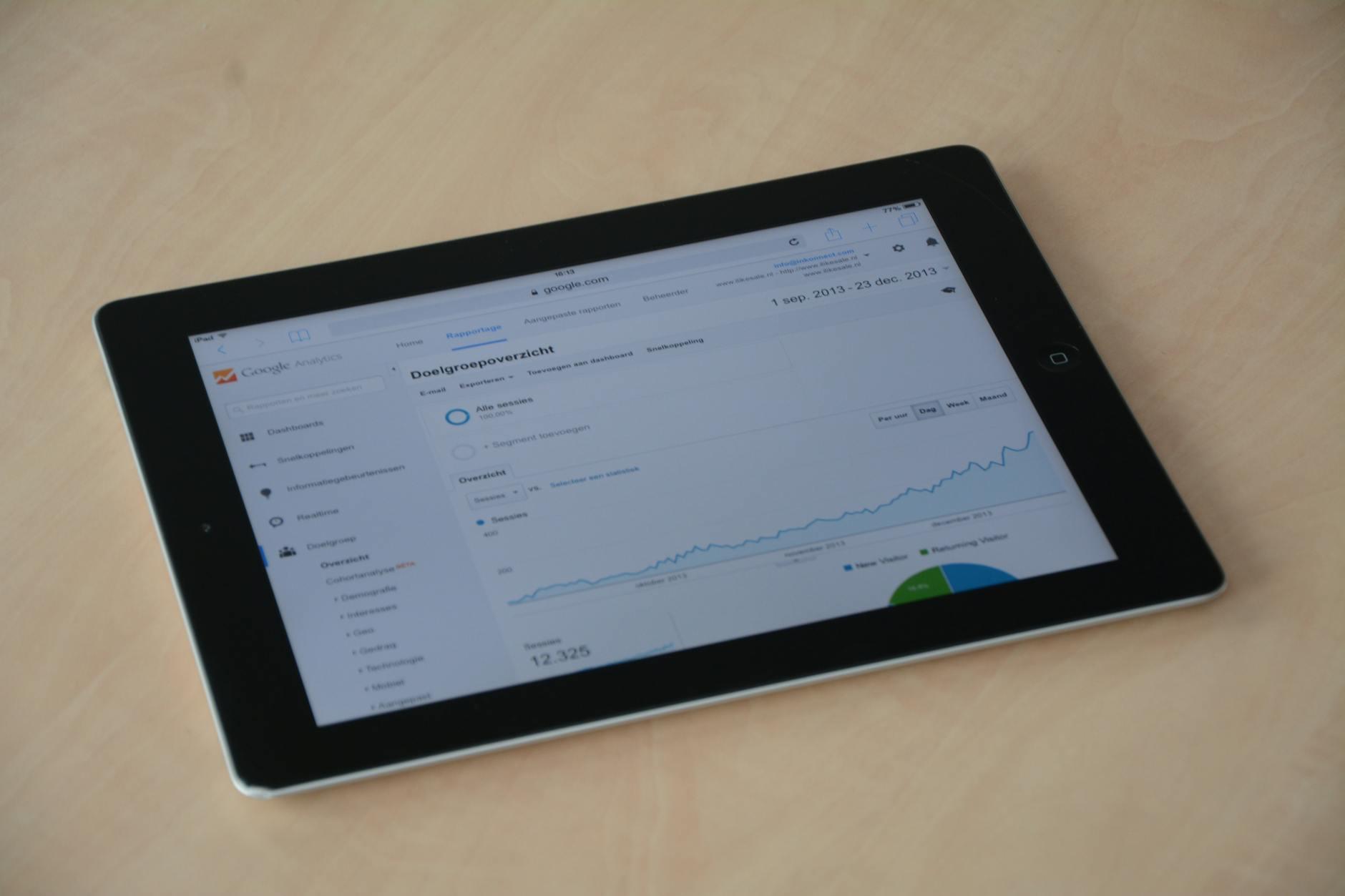
Tennessee's healthcare organizations face unique revenue cycle challenges with complex payer mixes and regulatory requirements. Our healthcare BI solutions integrate data from practice management systems, billing platforms, EMRs, and clearinghouses to provide complete visibility into revenue performance. A Nashville multi-specialty group using our revenue cycle analytics discovered that 18% of claim denials occurred for easily preventable reasons, representing $840,000 in recoverable revenue. The system tracks days in A/R, denial rates by payer and procedure code, collection percentages, and identifies patterns that indicate coding or documentation issues before they impact revenue.

Our supply chain BI systems aggregate data from procurement, inventory, logistics, and supplier systems to provide comprehensive visibility into the entire supply network. A Memphis-area manufacturer tracking 180 active SKUs from suppliers across three continents couldn't answer basic questions about supplier reliability or inventory optimization. The intelligence platform we built monitors supplier on-time delivery, quality metrics, lead time trends, and automatically calculates optimal reorder points based on actual usage patterns and lead time variability. This visibility helped them reduce safety stock levels by 28% while improving material availability from 94% to 99%, freeing $1.6 million in working capital.

Multi-location businesses across Tennessee struggle with financial consolidation when operating systems don't communicate effectively. Our financial BI solutions integrate data from accounting systems, point-of-sale platforms, payroll systems, and banking platforms to automate consolidation and enable drill-down analysis. A Chattanooga restaurant group with nine locations was spending 40 hours monthly on financial consolidation using Excel spreadsheets prone to formula errors. The automated consolidation system we implemented reduced that time to four hours while providing location-level profitability analysis they never had before, revealing that two locations were unprofitable once corporate overhead was properly allocated.
Understanding customer behavior patterns, profitability, and lifetime value requires integrating transactional data with demographic, behavioral, and interaction data. Our customer analytics platforms combine data from CRM systems, e-commerce platforms, accounting systems, and customer service tools to create comprehensive customer intelligence. A Knoxville B2B distributor serving 2,400 customers had no systematic way to identify their most valuable customers or predict which accounts might churn. The analytics system we built segments customers across 18 dimensions including purchase frequency, product mix, profitability, payment behavior, and growth trends, enabling their sales team to prioritize efforts and tailor approaches based on data rather than intuition.
Manufacturing and logistics operations across Tennessee are shifting from reactive maintenance to predictive approaches using equipment sensor data and failure pattern analysis. Our predictive maintenance solutions integrate data from industrial IoT sensors, maintenance management systems, and operational logs to identify failure patterns before breakdowns occur. A Jackson manufacturing facility using our predictive analytics reduced unplanned downtime by 44% after the system learned to recognize the vibration and temperature patterns that preceded bearing failures in their main production equipment. This capability alone saved them approximately $680,000 annually in lost production and emergency repairs.
Sales organizations need visibility beyond basic pipeline reports to understand what actually drives revenue and where deals stall. Our sales analytics platforms integrate CRM data with marketing automation, email engagement, proposal systems, and accounting data to provide complete visibility into sales performance. A Nashville software company with a 6-9 month sales cycle couldn't identify which activities most strongly correlated with closed deals. The analytics we implemented revealed that prospects who attended product demonstrations were 3.7 times more likely to close than those who didn't, and deals with three or more touchpoints in the first 30 days closed 40% faster, insights that reshaped their entire sales approach.
Inventory represents one of the largest capital investments for distributors and manufacturers, yet most manage it using basic reorder points that ignore demand variability and lead time uncertainty. Our inventory intelligence systems analyze historical usage patterns, seasonal trends, supplier reliability, and carrying costs to calculate optimal stocking levels for each SKU. A Memphis distributor carrying 4,200 SKUs across 180,000 square feet of warehouse space was simultaneously experiencing stockouts on fast-moving items while holding 14 months of inventory on slow movers. Our optimization system rebalanced their inventory mix, reducing total inventory value by 22% while improving fill rates from 89% to 96%, demonstrating that intelligent analytics can simultaneously reduce costs and improve service.
It saved me $150,000 last year to get the exact $50,000 I needed. They constantly find elegant solutions to your problems.
Replace day-old spreadsheets with live dashboards that update automatically, enabling managers to respond to issues within minutes rather than discovering them days later through stale reports. Tennessee manufacturers using our real-time systems reduce problem response time by an average of 87%.
Automated data pipelines and self-service dashboards eliminate the dozens of hours staff spend monthly compiling reports. A Knoxville company reduced reporting time from 60 hours monthly to less than 5 hours, freeing skilled employees for analysis and strategic work rather than data collection.
Advanced analytics uncover patterns invisible in traditional reporting, identifying upsell opportunities, pricing optimization potential, and operational inefficiencies costing thousands monthly. Our implementations typically identify improvement opportunities worth 3-8% of annual revenue within the first 90 days.
When all departments work from the same data definitions and dashboards, finger-pointing decreases and collaborative problem-solving increases. Companies report that shared BI platforms reduce interdepartmental conflicts by establishing objective metrics everyone trusts.
Properly architected BI systems grow with your business, accommodating new data sources, locations, and users without requiring complete rebuilds. Unlike fragile spreadsheet-based systems, professional implementations support businesses from $10M to $500M+ in revenue without fundamental redesign.
Organizations making decisions based on comprehensive, current data consistently outperform competitors relying on intuition and outdated reports. Tennessee companies using our BI systems report faster responses to market changes and more confident strategic planning based on data rather than assumptions.
We start with 1-2 weeks analyzing your current data landscape, interviewing stakeholders across departments, and documenting specific analytical needs and pain points. This phase includes reviewing existing reports, identifying data sources, understanding business processes, and establishing success metrics. A Knoxville manufacturer's discovery revealed that three departments defined 'customer' differently, requiring alignment before technical work began.
Based on discovery findings, we design the technical architecture including data warehouse structure, ETL processes, security model, and dashboard framework. This phase establishes how data will flow from source systems, how it will be transformed and stored, and how users will access it. We document data definitions, calculation logic, and refresh schedules, creating a blueprint that guides development and serves as ongoing system documentation.
Our development team builds ETL pipelines connecting to your source systems, creates the data warehouse or data mart structure, and develops initial dashboards addressing your highest-priority analytics needs. We work in 2-week sprints with regular demos, allowing you to see progress and provide feedback throughout development rather than waiting for final delivery. A Memphis logistics company saw their first operational dashboards in week 6 of a 14-week project, enabling early value and course corrections.
Rigorous testing ensures data accuracy by comparing BI system outputs against source systems and known results, validates that calculations match business logic, and confirms performance meets requirements. We involve your subject matter experts in validation, having them verify that reports match their understanding and expectations. This phase typically reveals minor discrepancies requiring investigation—sometimes finding errors in the BI system, but surprisingly often discovering issues in source systems or manual reports that went undetected for years.
We provide role-based training for different user groups, create documentation and quick-reference guides, and manage the technical deployment including any required infrastructure setup. Initial deployment often happens to a pilot user group before broader rollout, allowing us to address questions and refine training materials. We remain actively engaged for 2-4 weeks post-deployment, providing immediate support as users begin working with the system and identifying enhancement opportunities based on actual usage patterns.
After initial deployment, we transition to ongoing support and continuous improvement, adding capabilities as your needs evolve and optimizing performance as data volumes grow. Most clients retain us for monthly or quarterly enhancement cycles, systematically expanding analytical capabilities rather than attempting to solve every need in the initial implementation. This phased approach delivers faster initial value while building toward comprehensive analytical capabilities over time. Our [sql consulting](/services/sql-consulting) expertise ensures your BI infrastructure evolves efficiently as your business grows.
Tennessee's economic diversity creates varied BI requirements across the state's major business centers. Nashville's concentration of healthcare management companies, financial services, and corporate headquarters generates demand for enterprise-level BI systems integrating multiple subsidiaries and locations. Memphis's logistics dominance and FedEx presence means distribution and supply chain analytics drive many implementations. Knoxville's manufacturing base, particularly in advanced materials and automotive components, requires production intelligence and quality analytics. Chattanooga's revival as a technology and advanced manufacturing hub has created demand for sophisticated analytics platforms supporting high-growth companies. Each region's industry concentration shapes the specific BI capabilities companies prioritize.
The Memphis logistics corridor presents particularly complex data integration challenges. With major operations for FedEx, hundreds of third-party logistics providers, and distribution centers for national retailers, Memphis-area companies manage data flows across transportation management systems, warehouse management platforms, customer order systems, and carrier tracking APIs. A typical 3PL operation might integrate data from a dozen different systems just to generate daily operational reports. We've implemented BI solutions for Memphis logistics companies that consolidate these disparate systems into unified dashboards showing real-time facility utilization, order status, carrier performance, and labor productivity—metrics that were previously impossible to track accurately or required days of manual compilation.
Nashville's healthcare concentration requires BI implementations that address stringent regulatory requirements while delivering operational insights. Healthcare services companies managing revenue cycle operations for providers across multiple states must maintain HIPAA compliance while consolidating billing, claims, and payment data from dozens of practice management systems. A typical Nashville healthcare BI implementation involves integration with 5-15 different EMR and practice management systems, each with unique data structures and security requirements. Beyond compliance challenges, healthcare analytics must track specialized metrics like days in A/R by payer, denial rates by procedure code, and provider productivity adjusted for patient complexity—measurements that generic BI tools can't address without extensive customization.
Manufacturing intelligence requirements vary significantly between Tennessee's traditional and advanced manufacturing sectors. Traditional manufacturers in industries like furniture, textiles, and food processing typically need production tracking, quality metrics, and inventory management. Advanced manufacturers producing automotive components, aerospace parts, or medical devices require more sophisticated analytics tracking statistical process control, supplier quality, traceability, and compliance documentation. A Murfreesboro automotive supplier we worked with needed to track genealogy for every component in every assembly, enabling complete traceability from raw material lot numbers through final customer delivery. This level of detailed tracking generates enormous data volumes that require purpose-built BI architectures rather than off-the-shelf solutions.
Tennessee's position as headquarters for major national brands including FedEx, AutoZone, Dollar General, and HCA Healthcare creates a tier of BI requirements focused on enterprise consolidation and corporate performance management. These organizations need to consolidate operational data from hundreds or thousands of locations across multiple states, providing corporate visibility while enabling location-level drill-down analysis. The technical challenges involve handling massive data volumes—a retailer with 500 stores might process 50 million transactions monthly—while maintaining sub-second dashboard response times. We've implemented enterprise BI solutions using partitioned databases, intelligent caching strategies, and optimized query patterns that maintain performance even as data volumes grow 30-40% annually.
The state's growing technology sector, particularly in Nashville and Chattanooga, has created demand for product analytics and user behavior tracking. SaaS companies and digital platforms need to understand how customers use their products, which features drive engagement, where users struggle, and what characteristics predict churn. A Nashville-based software company we worked with had 50,000 users generating millions of interaction events daily but no systematic way to analyze usage patterns. The product analytics platform we built tracks feature adoption, identifies friction points in user workflows, and correlates usage patterns with account growth and retention. These insights enabled their product team to prioritize development based on data showing which features most strongly correlated with customer success.
Tennessee's agricultural sector, while not typically associated with advanced analytics, increasingly relies on BI for operational decisions. Large farming operations and agricultural processors track everything from crop yields and soil conditions to equipment efficiency and commodity price movements. A West Tennessee grain operation managing 12,000 acres needed to correlate yield data with soil types, weather patterns, fertilizer applications, and seed varieties to optimize inputs and maximize profitability. The agricultural BI system we implemented integrated data from GPS-enabled equipment, soil sensors, weather stations, and commodity markets, providing insights that increased yields by 8% while reducing fertilizer costs by 14%. This demonstrates how BI principles apply across industries, even those not traditionally considered data-intensive.
The hospitality and tourism sector across Tennessee, from Memphis's Beale Street to Gatlinburg's attractions, increasingly relies on analytics for revenue management and customer experience optimization. Hotels, attractions, and entertainment venues need to optimize pricing based on demand signals, understand customer journey patterns, and maximize ancillary revenue opportunities. A Gatlinburg attraction operator managing multiple properties couldn't effectively analyze which marketing channels drove visitors or how ticket pricing affected attendance and spending patterns. The tourism analytics platform we built integrates ticketing data, point-of-sale transactions, weather information, and regional event calendars to provide demand forecasting and dynamic pricing recommendations that increased their revenue per visitor by 19% while improving capacity utilization during traditionally slow periods.
FreedomDev is based in West Michigan and works with clients remotely across the United States.
Schedule a direct consultation with one of our senior architects.
Since our founding, we've delivered hundreds of custom software implementations including dozens of business intelligence solutions across manufacturing, distribution, healthcare, and professional services. This experience means we've encountered and solved the integration challenges, data quality issues, and performance problems that derail less experienced implementations. We bring proven architectural patterns rather than learning on your project.
Unlike BI consultants who implement the same dashboard templates for every client, we build solutions specifically addressing your business processes, metrics, and analytical needs. A Nashville healthcare company worked with a national BI firm that delivered generic templates requiring extensive manual work to extract actionable insights. Our custom implementation addressed their specific revenue cycle workflows and payer mix, delivering immediately actionable intelligence rather than generic reports requiring interpretation.
Effective BI requires sophisticated database design, complex ETL logic, and integration with diverse systems—capabilities requiring deep technical expertise beyond dashboard design. Our team includes database architects and senior developers who have solved complex integration challenges across hundreds of projects. This depth means we successfully integrate with legacy systems, handle massive data volumes, and maintain performance as your BI needs grow, capabilities that distinguish professional implementations from superficial dashboard projects.
Based in West Michigan, we bring Midwestern work ethic and straightforward communication to every engagement. We provide realistic timelines rather than optimistic projections, transparent pricing without hidden fees, and honest assessments of what BI can and cannot solve for your business. Tennessee clients appreciate working with a team that shares their values around integrity, hard work, and delivering what we promise. We're reachable, responsive, and committed to your success beyond initial implementation.
As a full-service custom software firm, we support your complete technology needs rather than just BI implementation. When your BI requirements reveal gaps in source systems or opportunities for process automation, we provide those capabilities without involving additional vendors. We've built custom integrations, replaced legacy systems, and developed operational applications alongside BI implementations, providing coordinated solutions rather than forcing you to manage multiple vendors. Explore [all services in Tennessee](/locations/tennessee) to see our complete capabilities supporting your business technology needs.
Explore all our software services in Tennessee
Let’s build a sensible software solution for your Tennessee business.