
South Dakota's economy generated $54.8 billion in GDP in 2023, with healthcare, finance, and agriculture representing the state's dominant sectors alongside growing technology and tourism industries. Organizations across Sioux Falls, Rapid City, and Aberdeen face a unique challenge: extracting meaningful insights from disparate data sources scattered across legacy accounting systems, customer databases, agricultural tracking platforms, and healthcare information systems. We've spent over two decades building [business intelligence](/services/business-intelligence) solutions that transform raw data from these fragmented sources into actionable dashboards that directly impact revenue, operational efficiency, and strategic decision-making.
The business intelligence landscape in South Dakota differs significantly from coastal tech hubs because companies here operate with lean IT teams, hybrid on-premise and cloud infrastructure, and data spread across specialized industry systems. A typical healthcare provider in Sioux Falls might run Epic for patient records, Meditech for lab systems, and separate platforms for billing and scheduling—creating data silos that prevent comprehensive performance analysis. Similarly, agricultural cooperatives across the state struggle to consolidate yield data, commodity pricing, equipment telemetry, and financial records into unified reporting systems that enable proactive management decisions.
Our approach to [custom software development](/services/custom-software-development) centers on solving specific business problems rather than implementing generic BI tools that require months of configuration and expensive ongoing licensing. We've built real-time dashboards for fleet management companies tracking vehicles across the Midwest, created bi-directional sync systems connecting QuickBooks to operational databases for manufacturers, and developed predictive analytics platforms for healthcare organizations managing population health initiatives. Each solution addresses documented pain points with measurable ROI rather than pursuing technology for its own sake.
South Dakota businesses benefit from our Michigan-based team's expertise with Microsoft SQL Server, Power BI, and custom .NET development while working with partners who understand the practical constraints of regional operations. We've delivered systems to organizations with five employees and companies with thousands, always focusing on sustainability and maintainability. Our [Real-Time Fleet Management Platform](/case-studies/great-lakes-fleet) demonstrates how purpose-built BI solutions outperform off-the-shelf products by addressing industry-specific workflows, integrating with existing systems, and scaling as business needs evolve.
The financial services sector in Sioux Falls—home to Wells Fargo, Citibank, and Premier Bankcard operations employing over 20,000 people—generates unique BI requirements around transaction analysis, fraud detection, and regulatory reporting. These organizations process millions of transactions daily while maintaining strict compliance with federal banking regulations and data security standards. We've built solutions that aggregate transaction data from multiple payment processors, flag anomalous patterns using custom algorithms, and generate automated compliance reports that previously required manual data compilation from dozens of sources.
Manufacturing and distribution operations throughout South Dakota face inventory management challenges that generic BI platforms struggle to address effectively. A food processing facility in Aberdeen might need to track raw material receipts, production yields, cold storage temperatures, distribution schedules, and retail sales data across multiple systems with different update frequencies. We've developed ETL (Extract, Transform, Load) processes that consolidate this information hourly, providing production managers with dashboards showing real-time material flow, identifying bottlenecks before they impact delivery schedules, and calculating actual production costs versus estimates.
Healthcare organizations across South Dakota's 66 counties struggle with the dual challenges of rural patient populations and evolving reimbursement models that reward outcomes over volume. We've built population health analytics platforms that combine clinical data from electronic health records, claims information from multiple payers, social determinants data from census sources, and patient-reported outcomes into unified dashboards. These systems identify high-risk patients requiring preventive interventions, track quality metrics tied to value-based payment contracts, and reveal geographic patterns in service utilization that inform strategic planning for facilities and outreach programs.
Our [QuickBooks Bi-Directional Sync](/case-studies/lakeshore-quickbooks) case study illustrates a common pattern we see with South Dakota manufacturers and distributors: critical operational data lives in specialized software while financial data remains in QuickBooks, creating manual reconciliation work and delayed reporting. The solution we built eliminates duplicate data entry, provides real-time financial visibility to operations teams, and creates a single source of truth for business performance metrics. This integration approach delivers immediate ROI through labor savings while enabling more sophisticated analysis previously impossible with disconnected systems.
Agriculture technology represents a growing BI opportunity as South Dakota farmers and cooperatives adopt precision agriculture practices generating terabytes of data annually. Yield monitoring systems, soil sensors, weather stations, commodity markets, and equipment diagnostics all produce valuable information that remains underutilized without proper integration and analysis. We've developed platforms that correlate this diverse data, revealing relationships between inputs and outcomes that inform planting decisions, resource allocation, and marketing strategies based on evidence rather than intuition.
The tourism and hospitality sector—contributing $4.1 billion annually to South Dakota's economy—requires BI solutions that integrate booking systems, point-of-sale data, customer relationship management platforms, and market intelligence from sources like STR reports and Google Analytics. We've built dashboards for hospitality operators that show real-time occupancy, forecast demand based on historical patterns and upcoming events, optimize pricing strategies, and track marketing attribution across channels. These systems typically pay for themselves within six months through improved revenue management and reduced marketing waste.
Retail operations throughout South Dakota face competition from national chains and e-commerce platforms while serving communities that value local businesses and personal relationships. We've developed BI solutions that level the playing field by providing independent retailers with the same analytical capabilities as large competitors: inventory optimization based on actual sales velocity, customer segmentation for targeted marketing, omnichannel integration connecting physical and online sales, and supplier performance analysis. A well-designed BI system transforms data these businesses already collect into strategic advantages that drive customer retention and operational efficiency.
Education institutions from K-12 districts to universities need analytics that go beyond basic enrollment reporting to address student outcomes, resource allocation, and operational efficiency. We've built platforms that integrate student information systems, learning management platforms, financial data, and facilities management into comprehensive dashboards serving different stakeholder needs. Administrators track budget utilization and enrollment trends, academic leaders analyze course outcomes and intervention effectiveness, and facilities teams optimize maintenance schedules and space utilization based on actual usage patterns rather than assumptions.
We build extraction, transformation, and loading processes tailored to South Dakota's dominant industries rather than forcing your data through generic connectors. Our ETL solutions handle agricultural data from John Deere Operations Center and Climate FieldView, healthcare information from Epic and Cerner, financial data from Jack Henry banking systems, and manufacturing data from IQMS and Epicor. These pipelines run on schedules matching your business rhythm—hourly for operational dashboards, nightly for financial consolidation, or triggered by specific events like production runs completing. We include comprehensive error handling, data validation rules, and audit trails meeting compliance requirements for regulated industries.
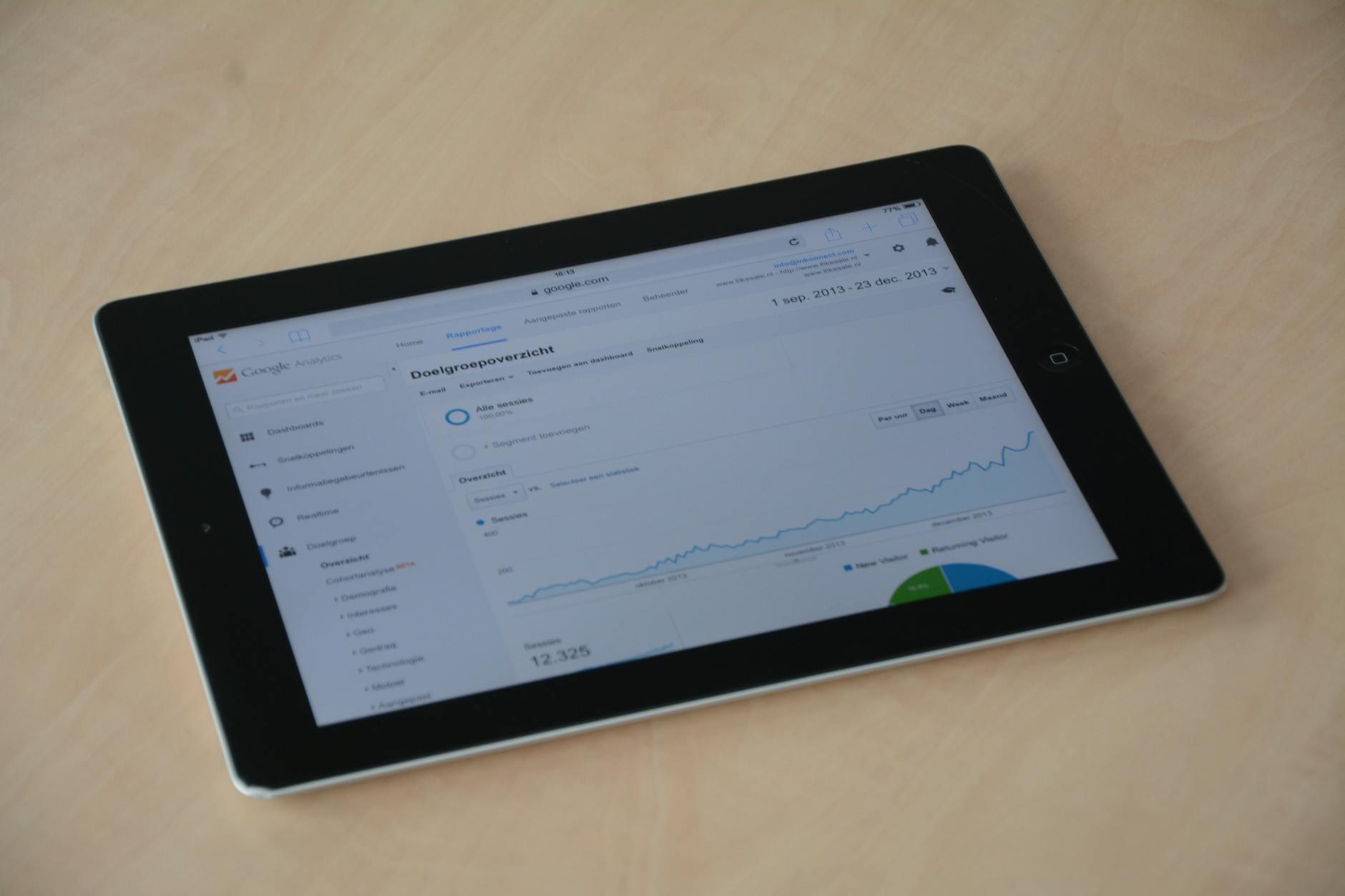
Our dashboard solutions combine Microsoft Power BI for standard reporting with custom .NET development for specialized visualizations and interactive features beyond what off-the-shelf BI tools provide. We've built dashboards displaying live vehicle locations on maps for fleet managers, real-time production line performance for manufacturers, and patient flow through emergency departments for healthcare administrators. Each dashboard connects to your actual data sources—SQL Server databases, REST APIs, Excel files, cloud platforms—with refresh frequencies matching decision-making needs. Role-based security ensures users see only relevant information while maintaining a unified analytical environment.

We develop forecasting models that leverage your historical data to predict future outcomes with quantified confidence intervals rather than vague trends. Our predictive solutions help manufacturers forecast material requirements based on sales pipeline and production capacity, enable healthcare organizations to predict seasonal demand for services and staffing needs, and assist retailers in optimizing inventory levels across locations. These models use appropriate statistical techniques—from simple time series analysis to gradient boosting algorithms—selected based on data characteristics and prediction requirements. We include model performance monitoring and recalibration processes to maintain accuracy as business conditions evolve.

Our data warehouse implementations create centralized repositories optimized for analytical queries while maintaining transactional system performance. We design star schemas and snowflake schemas appropriate for your reporting needs, implement slowly changing dimensions to track historical changes, and create aggregate tables that accelerate common queries. A typical warehouse we've built consolidates five to fifteen source systems, retains 3-7 years of historical data, and supports hundreds of reports and dashboards. We include comprehensive documentation, automated backup procedures, and performance monitoring to ensure the warehouse remains a reliable analytical foundation as data volumes grow.
We build BI solutions accessible from phones and tablets for South Dakota's distributed workforce—sales representatives visiting customers across multi-state territories, agricultural advisors working on farms, healthcare providers rotating between rural clinics, and executives traveling between facilities. Our mobile dashboards adapt layouts based on screen size while maintaining full functionality including drill-down analysis, filtering, and exporting. We optimize data loads for cellular networks common in rural areas and implement offline caching for critical metrics when connectivity becomes unavailable. Authentication integrates with existing corporate systems including Active Directory and Azure AD.
Our BI platforms include scheduled report delivery via email, secure portals, and integrated messaging systems based on your organization's communication preferences. We configure alert thresholds that notify stakeholders when metrics exceed acceptable ranges—inventory falling below reorder points, production yields dropping below standards, patient wait times exceeding targets, or sales falling behind forecasts. These automation features eliminate manual report generation work while ensuring timely information reaches decision-makers. Reports render in multiple formats including PDF for distribution, Excel for further analysis, and interactive HTML for web viewing.
We've built integration solutions connecting virtually every business system used by South Dakota organizations through our [systems integration](/services/systems-integration) expertise. Our integration work includes bi-directional sync between operational systems and accounting platforms, automated data flows from e-commerce sites to inventory management, connections between manufacturing execution systems and quality databases, and interfaces linking patient scheduling systems to billing platforms. These integrations eliminate duplicate data entry, reduce errors from manual transfers, and provide consistent information across systems. We implement appropriate integration patterns—real-time APIs for time-sensitive data, scheduled batch transfers for large volumes, and change data capture for efficient incremental updates.
Our [SQL consulting](/services/sql-consulting) services optimize database performance for analytical workloads through proper indexing strategies, query tuning, and architectural improvements. We've reduced report generation times from hours to minutes by identifying inefficient queries, adding covering indexes, implementing partitioning for large tables, and creating materialized views for complex calculations. We analyze actual query execution plans, identify bottlenecks in I/O or CPU utilization, and implement targeted optimizations delivering measurable performance improvements. Optimization work includes documentation explaining changes and training for internal IT staff to maintain performance as new reports are added.
FreedomDev is very much the expert in the room for us. They've built us four or five successful projects including things we didn't think were feasible.
Replace spreadsheet-based reporting processes requiring hours of copy-paste work with automated systems delivering updated dashboards on demand. Organizations typically recover 10-20 hours weekly per analyst when BI automation eliminates manual data gathering.
Uncover customer segments, product combinations, and seasonal patterns that drive profitability through comprehensive analysis impossible with manual methods. Our clients consistently find 5-15% revenue increases from insights revealing previously invisible opportunities.
Lower working capital requirements by stocking inventory based on statistical forecasts rather than guesswork, reducing both stockouts and excess inventory. Manufacturers and distributors typically achieve 15-25% inventory reduction while improving service levels.
Enable managers to respond to developing situations within hours rather than waiting for month-end reports revealing problems weeks after they occur. Real-time dashboards compress decision cycles from weeks to days or days to hours.
Base financial projections on statistical models analyzing historical patterns rather than spreadsheet assumptions, improving budget accuracy and resource allocation. Organizations report forecast accuracy improvements of 20-40% with data-driven planning approaches.
Generate audit trails, compliance reports, and regulatory filings automatically from transactional systems, reducing manual preparation work and documentation errors. Healthcare and financial services clients particularly value automated compliance reporting reducing audit preparation time by 60-80%.
We start every BI engagement by understanding your specific business challenges, current data landscape, and decision-making processes requiring analytical support. This phase includes stakeholder interviews documenting what questions analytics should answer, inventory of existing data sources and reporting processes, and assessment of technical infrastructure and integration requirements. We produce a detailed project specification documenting scope, timeline, technical approach, and success metrics agreed upon before development begins.
Our technical team designs the data warehouse schema, ETL processes, and integration architecture connecting your source systems to analytical databases. We document data flows, transformation logic, refresh schedules, and quality validation rules ensuring reliable information. This phase includes proof-of-concept development validating that proposed integration approaches work with your actual systems and data, identifying potential issues before full-scale development begins.
We build dashboards and reports in two-week sprints, delivering working functionality for review and feedback rather than disappearing for months before showing results. Each sprint produces usable analytics addressing specific business questions, allowing early adopters to begin using the system while development continues. This iterative approach ensures the final solution meets actual needs rather than initial assumptions that often evolve as users see working prototypes and request refinements.
We conduct comprehensive testing validating data accuracy through reconciliation to source systems, performance testing ensuring acceptable response times under expected load, and security testing confirming appropriate access controls. User training covers both how to use specific dashboards and broader analytical concepts helping users interpret data correctly and avoid common misinterpretation mistakes. Deployment includes monitoring setup, backup procedures, and documentation for ongoing system operation.
Post-deployment support includes technical assistance resolving issues, performance monitoring and optimization, and continuous improvement adding new data sources and analytics as needs evolve. We provide monthly status reports summarizing system usage, performance metrics, and enhancement recommendations based on usage patterns. Most clients engage ongoing support agreements ensuring their BI investment continues delivering value rather than becoming a static system that gradually becomes outdated and abandoned.
South Dakota's economy presents unique BI challenges because dominant industries—finance, healthcare, agriculture, and tourism—each require specialized analytical capabilities beyond what generic platforms provide. The financial services sector concentrated in Sioux Falls processes massive transaction volumes requiring real-time fraud detection, regulatory reporting, and customer behavior analysis. Healthcare organizations serving rural populations need population health analytics correlating clinical, financial, and social determinants data. Agricultural cooperatives require integration of precision farming data, commodity markets, and operational systems. Tourism operators need revenue management analytics integrating booking systems, market data, and operational metrics.
Sioux Falls has evolved into a regional technology hub with a growing software development community, yet many local organizations still struggle with BI implementation because they lack specialized technical talent internally. The University of South Dakota and South Dakota State University produce talented graduates, but competition for experienced data engineers and BI developers remains intense. This talent constraint makes working with specialized partners who bring deep BI expertise particularly valuable, allowing organizations to access capabilities that would be impossible or prohibitively expensive to build internally. Our distributed team model provides access to senior developers with 10-20 years of experience building production BI systems.
The geographic distribution of business operations across South Dakota creates specific BI requirements around distributed data collection and remote access to analytics. A healthcare system operating facilities in Sioux Falls, Rapid City, Aberdeen, and smaller communities needs consolidated reporting across locations while maintaining local operational dashboards. Agricultural cooperatives with grain elevators scattered across farming communities require centralized analytics pulling data from dozens of remote locations with varying connectivity quality. We've addressed these scenarios with hybrid architectures using local data collection, periodic synchronization to central warehouses, and progressive web applications accessible from any device regardless of network quality.
Manufacturing operations throughout South Dakota—from food processing to electronics assembly to medical devices—generate diverse BI requirements based on specific industry characteristics. A food manufacturer needs real-time visibility into production yields, cold chain compliance, and distribution tracking to manage perishable inventory. An electronics manufacturer requires defect tracking, component traceability, and supplier quality metrics meeting industry standards. Medical device manufacturers need comprehensive quality management systems tracking every aspect of production for FDA compliance. We build BI solutions that address these industry-specific requirements rather than forcing organizations into generic reporting templates.
Retail businesses across South Dakota face analytical challenges balancing local market knowledge with data-driven decision making as they compete with national chains and e-commerce platforms. Independent retailers typically lack the sophisticated BI systems large competitors deploy but possess valuable customer relationships and market understanding that data can amplify. We've built solutions helping regional retailers optimize inventory based on actual sales velocity by location and season, identify customer segments for targeted marketing, and measure promotional effectiveness across channels. These systems provide competitive analytical capabilities at sustainable costs for organizations with limited IT budgets.
The agriculture sector represents a significant BI opportunity as farming operations increasingly adopt precision agriculture technologies generating rich data sets. South Dakota farmers plant approximately 5.7 million acres of corn and 5.5 million acres of soybeans annually, with many operations now using GPS-guided equipment, yield monitors, soil sensors, and variable rate application systems. However, this technology investment often fails to deliver full value because data remains siloed in manufacturer-specific platforms. We've developed integration solutions that consolidate agronomic data, correlate inputs with outcomes across multiple growing seasons, and generate actionable insights for crop planning, resource allocation, and marketing decisions.
Education institutions across South Dakota need analytics supporting diverse stakeholders with different information needs. Administrators require enrollment forecasting, budget analysis, and facilities utilization reporting. Academic leaders need student outcome tracking, course effectiveness analysis, and program assessment metrics. Faculty want insights into student performance patterns, learning analytics from online platforms, and research productivity measures. We've built comprehensive education BI platforms serving these varied needs from unified data sources while maintaining appropriate access controls ensuring stakeholders see only relevant information. These systems typically integrate student information systems, learning management platforms, financial systems, and facilities management databases.
The healthcare sector across South Dakota faces intensifying pressure to demonstrate quality outcomes, manage costs, and coordinate care across fragmented delivery systems. Rural critical access hospitals, regional medical centers, specialty practices, and public health departments all need analytics capabilities they often lack. Population health management requires correlating clinical data from EHRs, claims information from multiple payers, pharmacy data, lab results, and social determinants information. We've built platforms consolidating these disparate sources into unified views supporting care coordination, risk stratification, quality measurement, and financial analysis under value-based payment models. These solutions address specific challenges of rural healthcare delivery including limited specialist access, patient transportation barriers, and social factors affecting health outcomes.
FreedomDev is based in West Michigan and works with clients remotely across the United States.
Schedule a direct consultation with one of our senior architects.
We've built business intelligence solutions since 2003, accumulating expertise across industries, technologies, and analytical use cases that informs every project. Our team has implemented BI systems that process billions of records, serve thousands of users, and deliver measurable ROI through improved decision-making and operational efficiency. This experience helps us anticipate challenges, recommend proven approaches, and avoid common pitfalls that plague organizations attempting first-time BI implementations. Review [our case studies](/case-studies) documenting specific problems solved and results achieved.
Our [custom software development](/services/custom-software-development) expertise enables solutions addressing unique requirements beyond what Power BI or Tableau support alone. We build real-time operational dashboards, predictive analytics using machine learning, automated alert systems, and embedded analytics integrated into existing applications. This combination of BI platform expertise and custom development capability provides flexibility to solve your specific challenges rather than forcing business processes to accommodate tool limitations. When standard features suffice, we use them; when your needs require custom solutions, we build them.
We design BI systems for long-term sustainability using mainstream technologies, clear documentation, and knowledge transfer ensuring your team can maintain and enhance solutions after implementation. Our architecture favors proven patterns over clever techniques, uses technologies with available local talent like SQL Server and .NET, and includes comprehensive documentation explaining how systems work and how to extend them. We succeed when clients independently add new reports and data sources years after initial implementation, not when they remain dependent on us for every change.
We provide clear project communication through regular status updates, working demonstrations every two weeks, and honest assessment of challenges and timeline impacts when they arise. Our proposals specify exactly what you're getting—number of data sources, dashboards, users—with fixed pricing for defined scope and transparent change order processes when requirements evolve. Clients know project status, can test working functionality throughout development, and receive systems meeting documented requirements rather than discovering gaps during final delivery. [Contact us](/contact) to discuss your specific BI needs and receive a detailed proposal outlining approach, timeline, and investment required.
We've integrated hundreds of business systems through our [systems integration](/services/systems-integration) practice, bringing that experience to every BI project. Whether you need to consolidate data from QuickBooks and Salesforce, Epic and Meditech, or custom databases and third-party APIs, we've likely built similar integrations before. This integration experience accelerates implementation timelines, reduces technical risk, and ensures your BI system connects reliably to source data. Our [QuickBooks Bi-Directional Sync](/case-studies/lakeshore-quickbooks) case study demonstrates integration complexity we handle routinely, delivering systems that just work rather than requiring constant troubleshooting.
Explore all our software services in South Dakota
Let’s build a sensible software solution for your South Dakota business.