
South Carolina's manufacturing sector generates over $68 billion annually and employs 260,000+ workers across automotive, aerospace, and textiles, creating massive volumes of production data that most companies struggle to use effectively. We've spent 20+ years building custom BI systems that transform raw data from shop floor sensors, quality control systems, and supply chain platforms into actionable insights. Our most recent South Carolina client reduced material waste by 23% in six months after we deployed real-time dashboards that identified bottlenecks in their Spartanburg manufacturing line.
Most business intelligence implementations fail because vendors push generic dashboards that don't match actual business workflows. We start every South Carolina project with 2-3 weeks of on-site discovery where we map your existing data sources, interview department heads, and identify the specific decisions you need to make faster. For a Charleston logistics company, this discovery revealed that their biggest challenge wasn't tracking shipments but predicting port delays—so we built predictive models using historical customs data, weather patterns, and vessel schedules rather than basic tracking dashboards.
The difference between reporting and intelligence is actionability. Basic reporting tools show you what happened last month; [our business intelligence expertise](/services/business-intelligence) predicts what will happen next week and suggests specific actions. We built a demand forecasting system for a Columbia-based distributor that analyzes 47 different variables including regional weather patterns, local event calendars, and competitor pricing to predict inventory needs 8 weeks out. Their inventory carrying costs dropped 31% in the first year while stockouts decreased by 42%.
South Carolina businesses deal with unique data challenges: manufacturing plants running 30-year-old MES systems, distribution centers using five different WMS platforms, and corporate offices relying on spreadsheets emailed between departments. Our [Real-Time Fleet Management Platform](/case-studies/great-lakes-fleet) demonstrates how we connect disparate systems—integrating GPS data, fuel systems, maintenance records, and driver logs into unified dashboards. We apply this same integration approach whether you're coordinating port operations in Charleston or managing textile production in Greenville.
The BI tools you choose matter less than how they're implemented. We're platform-agnostic but opinionated—we've deployed Power BI, Tableau, Looker, and custom React dashboards depending on specific requirements. For a Myrtle Beach hospitality group, we chose Power BI because their team already used Microsoft 365 and needed mobile access for property managers. For a Greenville manufacturer with complex production metrics, we built custom dashboards using React and D3.js because standard BI tools couldn't visualize their multi-stage assembly process effectively.
Data quality determines BI success more than any other factor. We've inherited projects where companies spent $200K on Tableau licenses but got useless results because their source data had 40% error rates. Our implementation process always includes data profiling, cleansing workflows, and validation rules before building dashboards. For a Rock Hill retail chain, we spent the first month fixing address standardization, deduplicating customer records, and establishing data governance policies—boring work that made their subsequent customer analytics actually accurate.
Real-time BI requires different architecture than historical reporting. When a Spartanburg automotive supplier needed to monitor production quality in real-time, we built streaming data pipelines that process sensor readings every 30 seconds, apply statistical process control algorithms, and alert supervisors to deviations before defects occur. This required Apache Kafka, time-series databases, and custom alerting logic—far more complex than standard BI dashboards but essential for their just-in-time manufacturing model.
South Carolina's port operations in Charleston move 2.4 million TEUs annually, creating logistics data that demands sophisticated analysis. We've built supply chain intelligence systems that track container movements, predict dwell times, optimize trucking routes, and forecast warehouse capacity needs. One client reduced demurrage charges by $340K annually after our system started predicting which containers needed priority handling based on downstream production schedules and carrier patterns.
The tourism industry across coastal South Carolina generates unique BI requirements around seasonality, pricing optimization, and resource allocation. We built a revenue management system for a hospitality group that analyzes booking patterns, competitor pricing, local events, and weather forecasts to recommend daily rate adjustments. The system processes 100K+ data points daily and has increased RevPAR by 18% while improving occupancy rates during shoulder seasons.
Manufacturing intelligence in the Upstate region requires integration with industrial systems that weren't designed for data extraction. We've connected to Rockwell PLCs, Siemens SCADA systems, and legacy AS/400 databases to pull production metrics into modern analytics platforms. For a Greenville textile manufacturer, we built middleware that translates proprietary machine protocols into SQL databases, enabling them to track efficiency metrics that were previously only visible to machine operators with specialized terminals.
Healthcare BI in South Carolina must navigate HIPAA compliance while delivering insights that improve patient outcomes and operational efficiency. We've built secure analytics platforms for medical practices that track patient flow, identify care gaps, and optimize scheduling without exposing PHI. Our [systems integration](/services/systems-integration) approach connects EHR systems, billing platforms, and lab systems while maintaining strict access controls and audit trails.
The financial services sector in Charlotte's extended metro area (which includes Fort Mill and Rock Hill) demands BI systems that process transactions in real-time while maintaining SOC 2 compliance. We've built fraud detection systems, portfolio analytics platforms, and regulatory reporting solutions that handle millions of daily transactions. Our [sql consulting](/services/sql-consulting) expertise ensures queries perform efficiently even when analyzing years of historical transaction data alongside real-time feeds.
We connect your manufacturing ERP, warehouse management systems, accounting platforms, and CRM databases into unified analytics regardless of age or vendor. Our [QuickBooks Bi-Directional Sync](/case-studies/lakeshore-quickbooks) case study shows how we integrate financial data with operational metrics—we apply this same approach across Epicor, SAP, Oracle, and custom systems common in South Carolina manufacturing. We've built integration layers for systems running on AS/400, Progress, and mainframes alongside modern cloud APIs. Data flows automatically through scheduled ETL jobs or real-time streaming pipelines depending on your latency requirements.
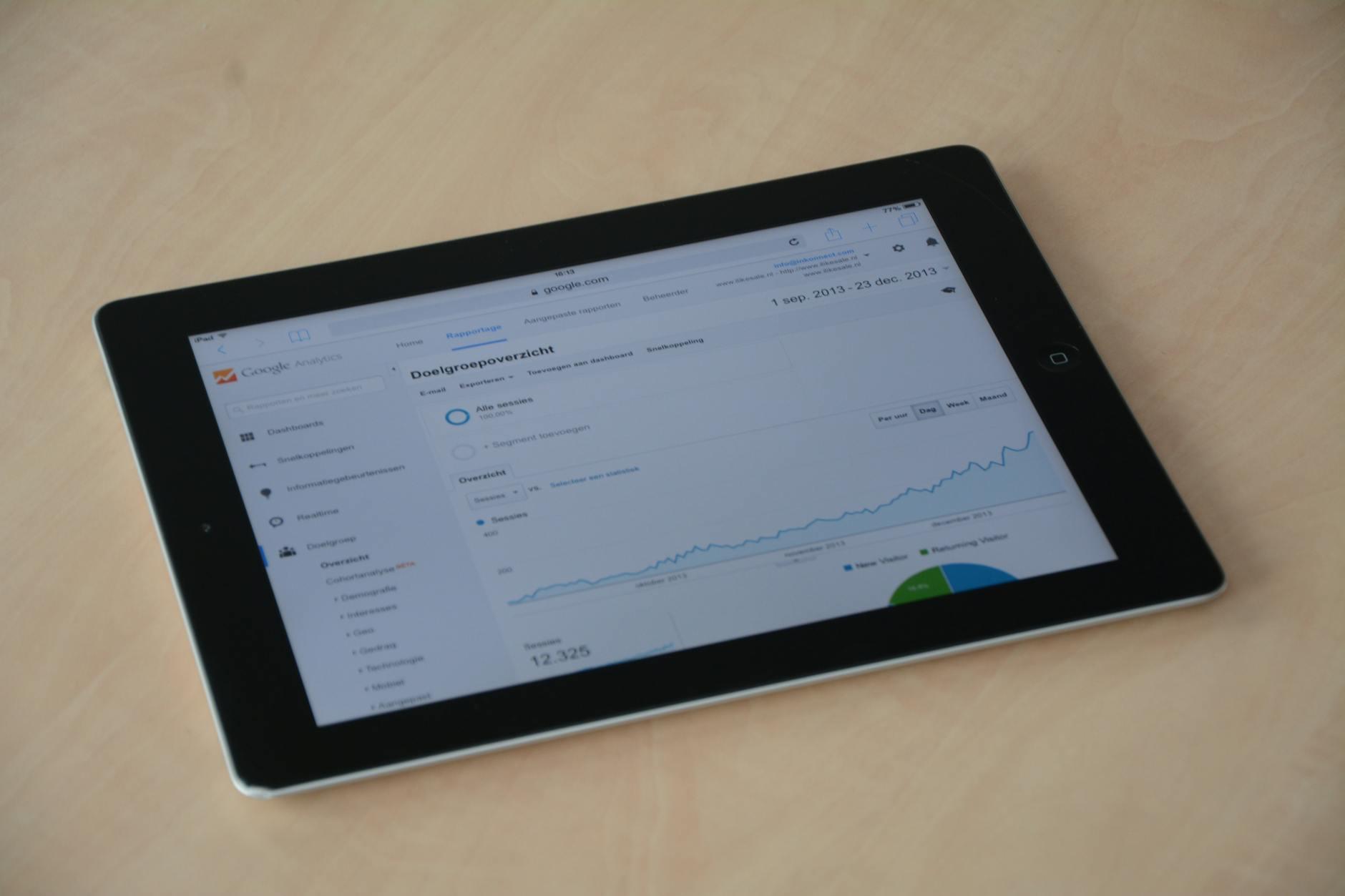
We've built BI systems for manufacturing, distribution, hospitality, healthcare, and logistics—each with pre-configured metrics relevant to that industry. Our manufacturing dashboards track OEE, cycle time, scrap rates, and machine utilization out of the box because we've implemented these metrics dozens of times. This isn't generic software configuration; we customize calculation logic, aggregation rules, and benchmark comparisons based on your specific processes. A Spartanburg automotive supplier gets different quality metrics than a Columbia food processor even though both are manufacturers.

We build forecasting models that predict demand, identify maintenance needs before failures occur, and flag quality issues in production data. For South Carolina distributors, we've implemented demand forecasting using Facebook Prophet and ARIMA models that consider seasonality, promotions, and external factors like weather and local events. Our predictive maintenance models analyze sensor data, maintenance history, and operating conditions to recommend service schedules that minimize downtime. These aren't black-box AI tools—we explain model logic, tune parameters, and validate accuracy against historical outcomes.

Your warehouse managers, route supervisors, and plant managers aren't sitting at desks all day—they need BI access on tablets and phones. We design responsive dashboards optimized for mobile interaction with touch-friendly controls, simplified layouts for small screens, and offline capability for areas with poor connectivity. A Charleston logistics client's supervisors use tablets on the dock to check real-time container status, assign tasks, and report exceptions. The same data appears in executive dashboards but with different visualizations and aggregation levels appropriate to each role.
We build BI platforms where business users can create their own reports without IT intervention while preventing them from misinterpreting data or generating incorrect results. This requires semantic layers that define business terms, pre-joined data models that encode relationship logic, and role-based access that restricts sensitive data. A Greenville manufacturer's operations team builds their own production variance reports using our Power BI model, but they can't accidentally compare incompatible time periods or miscalculate efficiency percentages because those rules are enforced at the data model level.
The most valuable BI systems notify you when action is needed rather than requiring constant dashboard monitoring. We configure intelligent alerts that trigger on statistical anomalies, threshold breaches, or pattern changes—not just simple value comparisons. A Rock Hill distribution center receives alerts when pick rates fall below control limits (calculated using moving averages and standard deviations), when inventory accuracy drops in specific zones, or when order backlogs exceed capacity. Alerts route to appropriate personnel via email, SMS, or Slack with enough context to enable immediate action.
Analyzing trends requires storing years of historical data in structures optimized for analytical queries rather than transactional operations. We design star schema data warehouses, implement slowly changing dimensions to track historical changes, and build aggregation tables that make complex reports run in seconds instead of minutes. For a Columbia retailer, we maintain five years of transaction history with customer, product, and store dimensions that support unlimited analysis combinations. Their previous system could only query 90 days of data before performance became unusable.
Sometimes the best BI delivery mechanism is embedding analytics directly into the applications your customers or partners already use. We've built portals where distributors give retail customers access to their own purchasing patterns, inventory levels, and order history through branded dashboards. For a South Carolina logistics provider, we embedded shipment tracking analytics into their customer portal using React components and RESTful APIs. Customers see delivery performance metrics, carrier comparisons, and cost analytics without learning separate BI tools.
We're saving 20 to 30 hours a week now. They took our ramblings and turned them into an actual product. Five stars across the board.
Executives make critical decisions based on data that's often weeks old when compiled through manual reporting processes. Our automated BI systems deliver current data continuously, compressing decision cycles from monthly planning meetings to daily operational adjustments that respond to actual market conditions.
Most companies have profit leaks they can't see: pricing errors, unbilled services, operational inefficiencies, or customer churn patterns. Our BI implementations consistently uncover 15-30% improvement opportunities in areas executives assumed were already optimized because no one could measure them granularly enough to identify specific issues.
Your analysts spend 20+ hours monthly copying data between spreadsheets, reconciling discrepancies, and formatting reports that could be completely automated. We've saved clients 100+ person-hours monthly by automating recurring reports and building self-service dashboards that answer 80% of ad-hoc questions without analyst intervention.
When only IT can access data, business decisions default to intuition and anecdotes. Our BI platforms democratize data access while maintaining governance, letting sales, operations, and finance teams answer their own questions. This shifts conversations from arguing about what numbers are correct to discussing what actions the data suggests.
Companies typically hire more analysts as data needs grow, creating bottlenecks where business teams wait weeks for simple analysis. Well-designed BI platforms scale to support hundreds of users and thousands of reports without proportional analyst growth because self-service capabilities and automated workflows handle routine requests.
Budgets and forecasts built on spreadsheets and historical averages miss market shifts, seasonal patterns, and trend changes. Our predictive models incorporate dozens of variables and update continuously as new data arrives, improving forecast accuracy by 20-40% and giving executives confidence to commit resources based on data rather than conservative guesswork.
We spend 2-3 weeks on-site mapping your data sources, understanding business processes, and identifying key decisions that need data support. This includes interviewing stakeholders across departments, documenting existing reports and their usage, cataloging data sources and quality issues, and defining success metrics. We deliver a detailed requirements document and implementation roadmap with priorities based on business value and technical dependencies.
We design the technical architecture including data warehouse schema, integration patterns, ETL workflows, and security models. This phase includes data profiling to understand quality issues, designing dimensional models optimized for your analysis needs, and documenting transformation logic. We review architecture designs with your team to ensure they support both current requirements and anticipated future needs before beginning development.
We build BI systems in 2-week sprints with working software demonstrated at the end of each iteration. This allows you to provide feedback early when changes are inexpensive rather than after months of development. First sprints typically focus on core data integration and foundational dashboards, with subsequent sprints adding analytics depth, additional data sources, and advanced features based on user feedback.
We provide role-specific training so executives, managers, and analysts understand how to use BI systems effectively for their responsibilities. Training includes dashboard navigation, self-service report creation within governed models, and interpreting analytics correctly to avoid misunderstanding data. We also document calculation logic, data definitions, and troubleshooting procedures so your team can support routine user questions independently.
We deploy to production with careful migration planning, data validation to ensure accuracy matches source systems, and performance testing under realistic user loads. Initial deployment includes monitoring ETL job execution, query performance, and user adoption patterns. We optimize slow queries, adjust refresh schedules based on usage patterns, and tune infrastructure sizing to balance performance and cost.
After launch, we provide ongoing support through monthly maintenance engagements covering data quality monitoring, adding new data sources, creating new dashboards, and resolving user issues. Most clients start with 10-20 monthly support hours and adjust based on needs. We also conduct quarterly reviews where we analyze usage patterns, identify underutilized features or data quality issues, and recommend enhancements that increase BI system value as your business evolves.
South Carolina's economy has transformed dramatically over the past two decades, shifting from traditional textiles and agriculture to advanced manufacturing, aerospace, automotive, and logistics. The state now hosts major operations for BMW, Boeing, Volvo, Mercedes-Benz Vans, and hundreds of tier-one suppliers across the Upstate region. This manufacturing density creates enormous data volumes from production lines, quality systems, supply chains, and logistics networks. Companies collecting millions of data points daily often lack the analytics infrastructure to convert this data into competitive advantages. We've worked with manufacturers across Greenville, Spartanburg, and Anderson to build BI systems that monitor production efficiency, predict maintenance needs, optimize inventory levels, and identify quality issues before they reach customers.
Charleston's port operations represent another data-intensive sector where BI delivers measurable value. As the East Coast's deepest harbor and sixth-busiest container port in North America, Charleston handles complex logistics for automotive imports, retail goods, and manufacturing components. Companies managing import/export operations deal with customs data, carrier schedules, warehouse capacity, trucking logistics, and inventory visibility across multiple facilities. We've built supply chain intelligence platforms that integrate data from terminal operating systems, customs databases, carrier APIs, and warehouse management systems to give logistics coordinators real-time visibility and predictive insights. One Charleston freight forwarder reduced container dwell time by 34% after implementing our system that prioritizes container movements based on downstream production schedules.
The coastal tourism industry from Myrtle Beach to Hilton Head generates seasonal data patterns that require sophisticated analytics for revenue optimization. Hotels, resorts, golf courses, and entertainment venues need to balance pricing, staffing, inventory, and marketing spend across dramatic seasonal swings. We've built hospitality BI systems that analyze booking patterns, competitor pricing, weather forecasts, event calendars, and customer segments to optimize pricing and resource allocation. These systems process data from property management systems, booking engines, point-of-sale platforms, and marketing systems to deliver insights that improve both revenue and guest satisfaction. A Hilton Head resort group increased shoulder-season occupancy by 24% using our pricing optimization recommendations.
Columbia's position as the state capital and home to multiple universities creates demand for BI in government, healthcare, and education sectors. State agencies need analytics for program effectiveness, resource allocation, and compliance reporting. Healthcare providers affiliated with Prisma Health and MUSC need clinical analytics, operational dashboards, and population health insights while maintaining HIPAA compliance. We've built secure BI platforms for healthcare organizations that track patient outcomes, identify care gaps, optimize scheduling, and monitor operational efficiency without exposing protected health information. Our healthcare clients use these systems to improve patient care while managing costs in an increasingly complex regulatory environment.
Financial services companies in the Charlotte metro area's South Carolina suburbs (Fort Mill, Rock Hill, Lancaster) require BI systems that process high transaction volumes while maintaining strict security and compliance standards. These companies need fraud detection, portfolio analytics, customer segmentation, and regulatory reporting capabilities that handle millions of daily transactions. We've built financial analytics platforms using encrypted data pipelines, role-based access controls, and comprehensive audit trails that satisfy SOC 2 and financial regulatory requirements. Our systems process transactions in real-time for fraud detection while maintaining historical databases that support complex trend analysis and regulatory reporting.
The Upstate region's automotive and aerospace cluster creates demand for specialized manufacturing intelligence that integrates with industrial control systems. Companies running Rockwell PLCs, Siemens SCADA, and legacy MES systems need to extract production data for analytics without disrupting real-time operations. We've built middleware solutions that safely collect data from factory floor systems and transform it into formats suitable for modern analytics platforms. A Greenville automotive supplier now tracks OEE, cycle time, and quality metrics across 40 production lines after we integrated their PLCs, vision inspection systems, and manual quality checks into unified dashboards. This visibility enabled process improvements that increased throughput by 17% without capital equipment investments.
Distribution and wholesale operations across South Carolina need BI systems that coordinate inventory, purchasing, sales, and logistics across multiple facilities and sales channels. We've built distribution intelligence platforms that integrate ERP systems, warehouse management platforms, transportation systems, and e-commerce channels to provide unified visibility. These systems track inventory accuracy, picking efficiency, carrier performance, customer profitability, and demand patterns to optimize operations. A Midlands distributor reduced inventory carrying costs by $1.2M annually while improving fill rates after implementing our demand forecasting and inventory optimization system that analyzes 200+ variables to predict needs at the SKU-location-week level.
Small and mid-sized manufacturers across South Carolina often lack IT resources to build sophisticated BI systems internally but face the same competitive pressures as larger companies. We've developed accelerated implementation approaches for SMB manufacturers that deliver core production and financial analytics in 6-8 weeks rather than 6-8 months. These implementations use pre-built industry templates customized to specific processes rather than starting from scratch. A 50-person machine shop in Spartanburg went from spreadsheet-based tracking to real-time production dashboards in seven weeks, gaining visibility into machine utilization, job profitability, and on-time delivery that enabled them to increase capacity 20% without adding equipment.
FreedomDev is based in West Michigan and works with clients remotely across the United States.
Schedule a direct consultation with one of our senior architects.
We've been implementing business intelligence since before cloud data warehouses existed, giving us deep experience with both legacy and modern platforms. We've seen BI trends come and go and know which approaches deliver lasting value versus temporary hype. This experience means we anticipate issues that surprise less experienced developers and design systems that remain useful for years rather than requiring replacement when requirements evolve.
We've built BI systems for manufacturers, distributors, logistics providers, healthcare organizations, and hospitality companies across South Carolina. This means we understand industry-specific metrics like OEE, OTIF, RevPAR, and patient throughput without needing extensive education. We've solved integration challenges with common industry systems and can leverage proven approaches rather than experimenting with your budget. Our industry templates accelerate implementation while still delivering customized solutions for your specific processes.
We handle everything from database optimization and ETL development to dashboard design and cloud infrastructure management. This end-to-end capability means you work with one team rather than coordinating between data engineers, BI developers, and visualization specialists. We also maintain your complete technology stack through our [systems integration](/services/systems-integration) and [sql consulting](/services/sql-consulting) services, ensuring BI systems integrate properly with your broader IT environment.
We provide detailed fixed-price quotes after discovery so you know total investment before committing. Our proposals include specific deliverables, acceptance criteria, and timelines rather than vague hourly estimates. If requirements expand during implementation, we discuss scope changes explicitly rather than surprising you with overages. This approach works because our 20+ years of experience lets us estimate accurately, and our iterative process surfaces issues early when they're manageable.
We recommend tools based on your specific needs rather than pushing preferred vendors. Sometimes Power BI makes sense due to Microsoft 365 integration and licensing costs. Other times Tableau offers better visualization capabilities. Some projects require custom dashboards built with React and D3.js for specialized visualizations. We've implemented all these approaches and others, selecting technologies that balance capability, cost, maintainability, and your team's existing skills. Explore [all services in South Carolina](/locations/south-carolina) to see our complete technical range.
Explore all our software services in South Carolina
Let’s build a sensible software solution for your South Carolina business.