
FreedomDev empowers Rhode Island businesses with tailored business intelligence solutions, transforming raw data into strategic advantages for industries across the Ocean State.
FreedomDev is based in West Michigan and works with clients remotely across the United States.
Rhode Island's $8.2 billion manufacturing sector—concentrated in precision metal fabrication, jewelry production, and defense manufacturing—generates massive volumes of production, quality control, and supply chain data that remains trapped in disconnected systems. A Pawtucket metal fabrication shop with 45 employees typically operates 8-12 separate software systems for inventory, production scheduling, quality assurance, and shipping, each holding critical business data that never connects. We build [custom business intelligence](/services/business-intelligence) platforms that unify these data sources into actionable dashboards, transforming how Rhode Island manufacturers make production, pricing, and capacity decisions.
The challenge extends beyond simple reporting. A Warwick jewelry manufacturer we analyzed was manually compiling weekly production reports from four different systems—taking one employee 14 hours each week to generate numbers that were already outdated by the time management reviewed them. Their existing ERP system had reporting capabilities, but those reports answered questions from 2015, not the real-time operational questions facing today's lean manufacturing operations. Real business intelligence addresses actual decision-making workflows, not generic dashboard templates that look impressive in demos but provide zero actionable insight.
Rhode Island's concentration of defense contractors and marine equipment manufacturers face unique data requirements around compliance documentation, traceability, and quality metrics. A Newport naval equipment supplier must track every component through a 47-step production process, maintaining complete traceability for Department of Defense audits while also monitoring real-time production efficiency. Generic BI tools can't handle these dual requirements—the compliance rigor combined with operational agility—without custom development that understands both the regulatory framework and the production realities.
The state's thriving marine industry presents another distinct challenge. Rhode Island's 250+ marine businesses—from superyacht fabricators in Bristol to commercial fishing operations in Galilee—operate in seasonal, project-based business models where cash flow visibility can mean survival or closure. A composite fabrication shop might have $2.3 million in quoted projects but needs to understand which quotes convert at what rate, which project types generate actual margin after labor overruns, and how to schedule skilled labor across overlapping projects. This requires BI systems that connect estimating, project management, timekeeping, and accounting data in ways that commercial BI platforms simply don't support out of the box.
Our [Real-Time Fleet Management Platform](/case-studies/great-lakes-fleet) demonstrates the kind of operational visibility possible when BI systems are purpose-built for specific industries. While that project tracked maritime vessels, the same principles apply to Rhode Island manufacturers tracking work orders through production cells or marine fabricators managing multiple concurrent builds. Real-time data collection, automatic exception alerting, and drill-down analysis capabilities turn raw operational data into competitive advantage.
The integration challenge multiplies in Rhode Island's business landscape because companies here frequently operate specialized equipment and industry-specific software that wasn't designed to share data. A textile machinery manufacturer in Central Falls runs CNC machines from four different vendors, each with proprietary control software and data formats. Their production planning system doesn't talk to their machine monitoring system, which doesn't connect to their quality database. Building BI that works requires [systems integration](/services/systems-integration) expertise that goes far beyond connecting mainstream business applications—it requires industrial protocols, legacy data formats, and custom APIs that bridge decades of technology evolution.
Financial visibility presents its own complexity. Our [QuickBooks Bi-Directional Sync](/case-studies/lakeshore-quickbooks) case study shows how accounting integration becomes the foundation for financial BI. Rhode Island businesses using QuickBooks, Sage, or industry-specific accounting packages need BI systems that reflect actual financial performance—not just operational metrics. This means connecting job costing data, purchase orders, invoicing, payments, and cash flow into dashboards that CFOs and lenders actually trust for decision-making. Generic BI tools that import accounting data monthly are useless for businesses that need to understand profitability by customer, product line, or project in near real-time.
The healthcare and life sciences sector—representing $8.4 billion of Rhode Island's economy—faces equally demanding BI requirements around research data, clinical outcomes, regulatory compliance, and operational efficiency. A contract research organization in Providence managing multi-year pharmaceutical studies generates terabytes of experimental data that must be analyzed, visualized, and reported to FDA standards while also tracking project budgets, resource utilization, and client deliverables. These organizations need BI platforms that serve both scientific and business intelligence requirements within a single integrated system.
Rhode Island's higher education institutions—including URI, Brown, RISD, and Johnson & Wales—increasingly need sophisticated BI for enrollment management, research administration, facilities optimization, and fundraising effectiveness. A mid-sized institution might have 40,000+ data points per student across admissions, financial aid, academic progress, housing, dining, and alumni engagement. Turning this into actionable intelligence for enrollment strategy, student success initiatives, or development priorities requires purpose-built BI that understands higher education workflows, not generic analytics packages designed for e-commerce or SaaS businesses.
Small to mid-sized Rhode Island businesses face a particular challenge: they have BI needs as sophisticated as enterprise organizations but lack the IT infrastructure and staff to implement complex enterprise BI platforms. A 50-person specialty chemical manufacturer needs the same margin analysis, inventory optimization, and demand forecasting capabilities as a Fortune 500 company, but they can't deploy a team of data engineers to maintain Hadoop clusters and wrangle data pipelines. We build BI solutions scaled appropriately—sophisticated analytics delivered through interfaces that actual business users can operate without IT support.
The competitive reality for Rhode Island manufacturers and service businesses is that data-driven competitors are making better decisions faster. When a Massachusetts competitor can quote custom fabrication jobs in 4 hours with 95% margin accuracy because their BI system instantly analyzes similar past projects, material costs, and current capacity—while you take 3 days to manually estimate—you lose deals on speed alone. Business intelligence isn't about pretty dashboards; it's about decision velocity and accuracy that directly impact revenue and profitability.
Working with [our business intelligence expertise](/services/business-intelligence) means partnering with developers who have built operational BI systems for manufacturers tracking 200+ daily production metrics, distributors managing 15,000-SKU inventories across multiple warehouses, and service businesses analyzing profitability across hundreds of customer accounts and dozens of service lines. We bring 20+ years of experience translating messy operational reality into clean, actionable business intelligence that drives measurable improvements in how Rhode Island businesses operate and compete.
Tell us what is happening, what systems are involved, and what you are trying to improve. We'll help determine a practical next step.
Rhode Island's job shop manufacturers need BI that tracks work orders through complex routings with multiple operations, setups, and quality checkpoints. We build dashboards that show real-time production status, bottleneck identification, on-time delivery metrics, and efficiency by machine cell or operator. A Cranston machine shop using our system reduced quote-to-delivery time by 32% by identifying that setup time on their Swiss-style CNC was consuming 41% of available hours—a problem invisible in their previous manual reporting. The system automatically calculates OEE (Overall Equipment Effectiveness) by machine, highlights orders at risk of missing delivery dates, and provides the production data needed for ISO 9001 documentation requirements common among Rhode Island defense contractors.
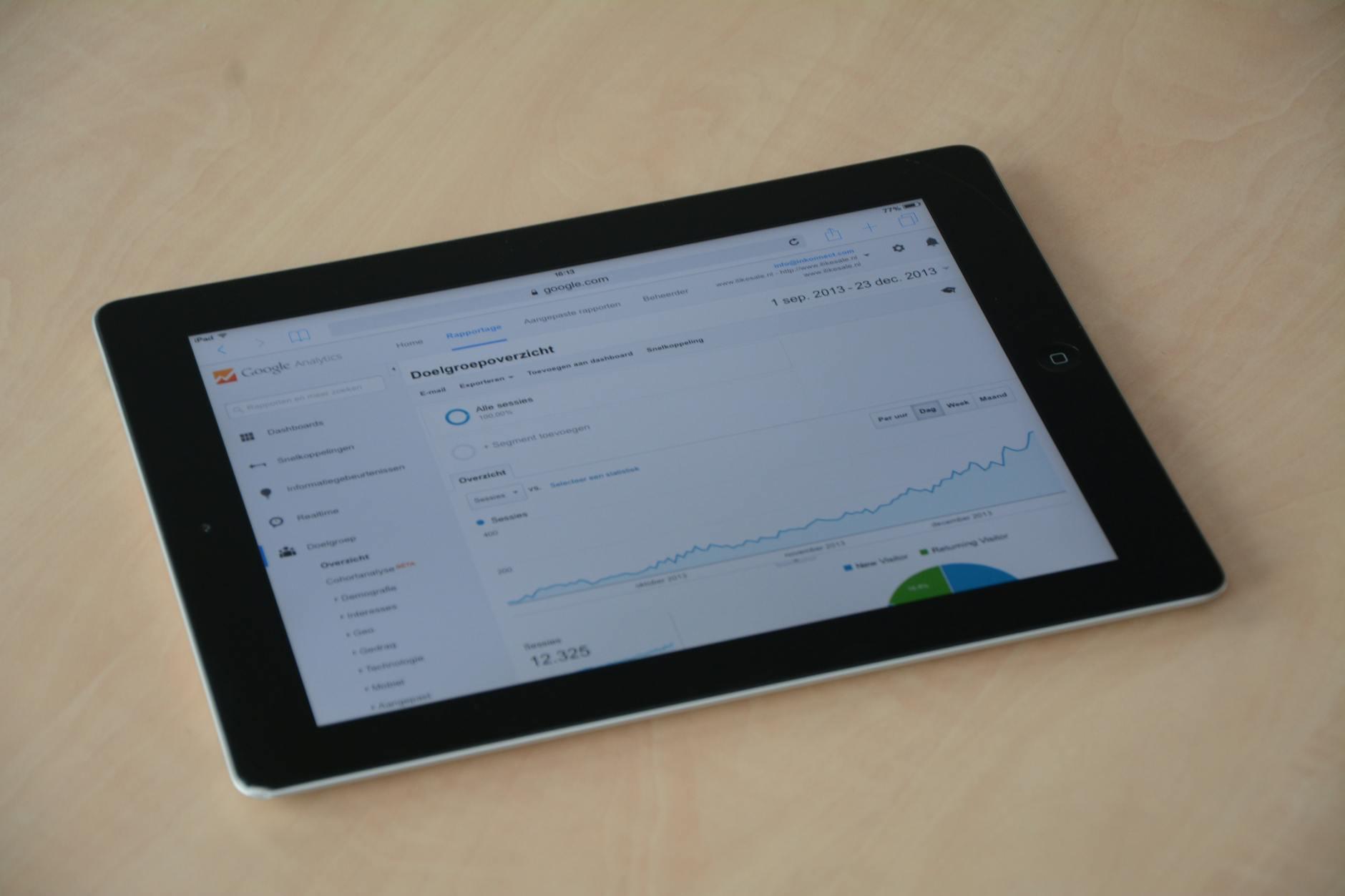
Rhode Island project-based businesses—from marine fabricators to commercial construction firms—need BI that connects estimating, job costing, purchasing, timekeeping, and invoicing into unified profitability analysis. We create dashboards that show margin by project, customer, or service line with drill-down to understand which activities generate profit and which destroy it. A Providence contractor discovered that 23% of their projects consistently ran 15-30% over estimated labor hours, but this pattern was invisible until BI connected their project management and timekeeping systems. The system now flags projects exceeding estimated hours at 60% completion, allowing mid-project corrections that have improved overall margin by 8 percentage points.
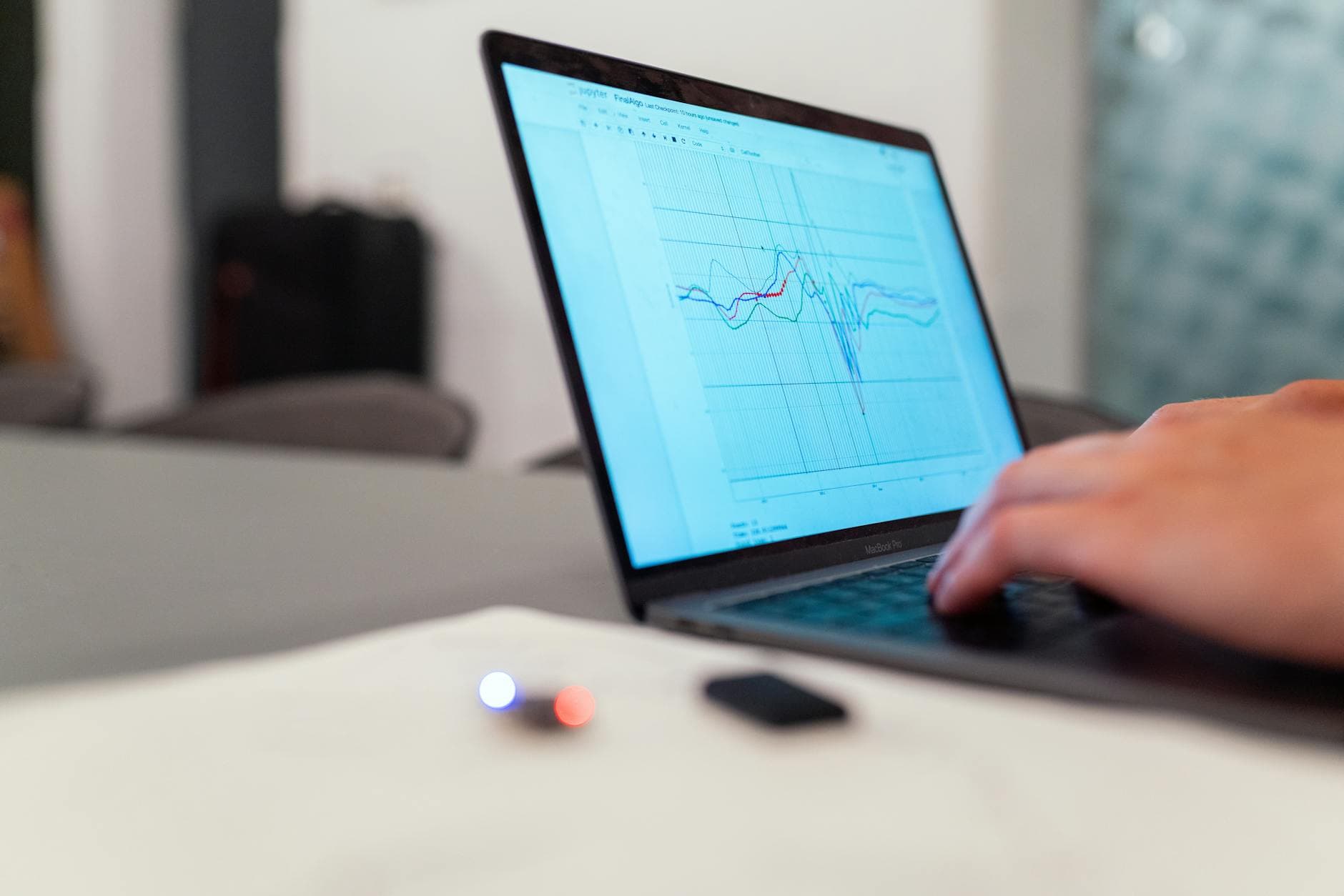
Distributors and manufacturers carrying significant inventory need BI that balances carrying costs against stockout risks. We build systems that analyze historical demand patterns, identify seasonal trends, flag slow-moving inventory, and generate replenishment recommendations. A Warwick industrial distributor with 8,400 SKUs across two warehouses reduced inventory carrying costs by $184,000 annually while improving fill rates from 89% to 97% using our demand forecasting BI. The system identified 1,200 SKUs with less than one turn per year that were consuming warehouse space and working capital, while flagging 340 fast-moving items that were experiencing frequent stockouts. This level of inventory intelligence requires connecting sales history, purchasing records, warehouse management data, and supplier lead times into predictive analytics that commercial BI platforms don't provide.

Understanding which customers, products, and sales activities actually drive profitable growth requires BI that connects CRM data, order history, margin analysis, and sales activity tracking. We create dashboards showing customer lifetime value, win rates by sales rep and product category, sales cycle analytics, and margin trends that reveal whether revenue growth is profitable growth. A Portsmouth B2B service company discovered that their three largest customers by revenue were actually unprofitable when fully-loaded service costs were included—a reality hidden because their financial system showed revenue but not customer-specific cost allocation. Our BI system now tracks service costs, support time, and discount levels by customer, enabling strategic decisions about pricing, service levels, and account management focus.
Rhode Island manufacturers dependent on complex supply chains need BI that monitors supplier performance, tracks material costs, identifies delivery reliability issues, and provides early warning of supply disruptions. We build systems that analyze purchase order data, receiving records, quality issues, and cost trends to provide comprehensive vendor scorecards. A metal fabricator in East Providence used our supplier BI to identify that one of their steel suppliers—accounting for 18% of material purchases—had a 34% late delivery rate and 12% rejection rate for out-of-spec material. Armed with this data, they renegotiated terms and diversified sourcing, reducing production delays by 40%. The system monitors 45 suppliers across 200+ material categories, automatically alerting procurement when delivery or quality patterns deteriorate.
Quality management for ISO-certified Rhode Island manufacturers requires BI that tracks non-conformances, corrective actions, process capability, and customer complaints in formats that support both daily operations and audit requirements. We develop quality dashboards that connect inspection data, customer feedback, rework tracking, and process measurements into trending analysis that drives improvement initiatives. A defense contractor in North Kingstown reduced customer returns by 67% over 18 months using quality BI that identified specific process steps, material lots, and operators correlated with defects. The system provides the statistical process control charts, Pareto analysis, and traceability documentation required for AS9100 certification while also delivering actionable daily intelligence that supervisors use to maintain quality standards.
Small to mid-sized Rhode Island businesses need BI that projects cash flow based on accounts receivable aging, accounts payable schedules, payroll obligations, and seasonal revenue patterns. We build financial BI that connects accounting data, sales pipelines, project schedules, and payment terms into rolling 13-week cash forecasts. A seasonal marine services business in Bristol used our cash flow BI to identify that they needed a $320,000 line of credit to bridge the January-April period when payroll and facility costs continue but revenue drops 80%. Previously, they managed this through gut feel and periodic banking crises. Now they proactively manage working capital, negotiate better credit terms, and make informed decisions about taking deposits on spring projects to smooth cash flow through the off-season.
Every industry has unique performance metrics that generic BI tools don't accommodate. Rhode Island jewelry manufacturers track yield rates from raw materials to finished pieces. Marine fabricators monitor resin-to-fiber ratios in composite layups. Pharmaceutical contractors track batch yields and out-of-specification rates. We build BI systems that capture, calculate, and visualize the specific metrics that matter in your industry. A Providence specialty chemical manufacturer needed BI tracking 27 process parameters across 14 production steps to understand batch-to-batch consistency and troubleshoot quality issues. Their previous system required manual data entry from paper logs into Excel—taking 6 hours per week and providing only historical analysis. Our automated BI collects data directly from process equipment, calculates real-time metrics, and alerts operators when parameters drift outside control limits.
FreedomDev brought all our separate systems into one closed-loop system. We're getting more done with less time and the same amount of people.
Eliminate the weekly ritual of collecting data from multiple systems, building Excel spreadsheets, and manually calculating metrics that are outdated before the report is finished.
Answer critical business questions instantly with real-time data access rather than waiting for IT to run queries or staff to compile reports from disconnected systems.
Discover which customers, products, or projects are destroying profitability—insights that remain invisible in summary-level financial statements and generic ERP reports.
Optimize inventory levels using demand forecasting and turnover analysis that balances carrying costs against service levels, freeing working capital trapped in slow-moving stock.
Gain production visibility that identifies bottlenecks, predicts late orders before they happen, and provides the real-time intelligence needed to meet customer delivery expectations consistently.
Deploy sophisticated business intelligence that business users can operate independently, without requiring data engineers, BI specialists, or IT support for routine analysis and reporting.
We spend 1-2 weeks understanding your business operations, decision-making workflows, and existing systems. This isn't about what reports you currently produce—it's about what questions you need answered and where that data lives. We inventory every system holding operational or financial data, assess data quality and accessibility, and identify integration challenges. For a typical Rhode Island manufacturer, this reveals 8-14 data sources ranging from modern cloud platforms to Access databases and Excel files.
We define specific KPIs, calculations, and visualizations based on your actual decision workflows. This means understanding that 'on-time delivery' might mean shipped by customer-requested date for one customer but received by that date for another. We create dashboard mockups showing real metrics with sample data, getting feedback from actual users—production supervisors, purchasers, salespeople—before building anything. This design phase prevents the common BI failure mode: technically correct dashboards that nobody uses because they don't match how decisions actually get made.
We build the integration layer connecting your various systems—ERP databases, production equipment, accounting software, CRM, and specialized applications. This includes data extraction, transformation rules to standardize formats, validation to catch quality issues, and scheduling for appropriate refresh frequencies. Some data needs real-time updates; other data can refresh nightly. We implement error handling and monitoring so integration failures alert administrators rather than silently producing incorrect analytics.
We build dashboards, reports, and alert systems using the integrated data. This includes developing drill-down capabilities, implementing filters and date ranges, creating export functions, and establishing role-based access so users see relevant data for their responsibilities. We conduct testing with actual users performing real analysis tasks—not scripted demos, but genuine work scenarios. A production manager troubleshooting why Department 3 is behind schedule, or a CFO analyzing which customers are actually profitable after all service costs.
We provide hands-on training focused on common tasks and decision workflows rather than exhaustive feature tours. Documentation includes how to access dashboards, interpret metrics, drill into details, and handle common scenarios. We typically train 3-5 'power users' who can assist colleagues, then conduct broader sessions for general users. Initial rollout includes elevated support—we expect questions, confusion, and requests for adjustments as people start using BI for real work rather than demos.
The first 30-60 days of BI use reveal needed adjustments—calculations that don't quite match edge cases, missing filters, or additional drill-down capabilities users need. We schedule refinement work addressing these issues. We also discuss expansion possibilities: additional data sources, new metrics, different user roles, or integration with other systems. Many clients implement BI in phases—core financial and operational dashboards first, then quality metrics, then predictive analytics—letting each phase stabilize before expanding.
Rhode Island's economy presents unique BI opportunities because of the state's industrial concentration in specific sectors. With 1,200+ manufacturing establishments employing 40,000+ workers in a compact geographic area, similar businesses face similar data challenges—but each has developed different systems, workarounds, and reporting processes over decades of operation. A precision machining shop in Cumberland and a metal stamping operation in Woonsocket might both produce automotive components, but one runs JobBOSS for ERP while the other uses E2 Shop, one tracks quality data in Excel while the other uses paper travelers, and one has real-time machine monitoring while the other relies on manual production counts. BI development for Rhode Island manufacturers means building systems that work with this existing technology diversity rather than requiring wholesale system replacement.
The Providence metropolitan area's concentration of healthcare and higher education institutions creates demand for BI serving academic research, patient outcomes analysis, enrollment management, and grant administration. Rhode Island Hospital, Brown University, URI, and dozens of smaller institutions generate research data, clinical records, student information, and financial data that requires specialized BI approaches. A medical research institution managing 45 concurrent clinical studies needs BI that tracks enrollment, protocol compliance, adverse events, and budget burn rates across studies with different sponsors, timelines, and regulatory requirements. This isn't achievable with generic analytics platforms—it requires custom BI development that understands research workflows, IRB compliance requirements, and grant reporting specifications.
Rhode Island's marine industry—concentrated in Bristol, Newport, Portsmouth, and the South County coast—operates in a project-based, highly seasonal business model that creates specific BI requirements. A superyacht refit operation might have $8 million in active projects spanning 6-18 months each, with 60+ subcontractors, hundreds of material suppliers, and complex change order management. Understanding true project profitability requires BI that tracks original estimates versus actual costs, change order margin, subcontractor performance, and cash flow timing. Generic project management software provides Gantt charts and task lists, but not the financial intelligence needed to understand which project types, clients, or work scopes actually generate profit after all costs and delays are factored.
The state's jewelry manufacturing sector—still significant despite industry consolidation—requires BI that tracks precious metal inventory by weight and purity, monitors yield rates from casting through finishing, and manages the unique challenge of consignment inventory and customer-supplied materials. A jewelry manufacturer working with customer-supplied gold or diamonds needs traceability and inventory controls far beyond typical manufacturing BI. They must track material from receipt through every production step to finished goods, accounting for expected versus actual yields, and maintaining complete chain-of-custody documentation. This level of material traceability requires custom BI integrated with production tracking, quality systems, and financial controls.
Rhode Island's defense manufacturing sector—including Toray Composites, Electromed, and numerous smaller contractors producing components for naval systems and aerospace applications—faces BI requirements driven by government contracting regulations. AS9100 and NIST 800-171 compliance requires comprehensive quality documentation, traceability, and security controls that must be reflected in BI systems. A defense contractor needs quality dashboards showing inspection results, corrective actions, and supplier quality metrics in formats that satisfy both daily operations and customer audits. They need traceability BI that can reconstruct the complete production history of any serialized component—materials, processes, operators, inspection results, and environmental conditions. Commercial BI platforms don't provide these capabilities; they require custom development by teams experienced with aerospace quality systems.
Small manufacturers throughout Rhode Island—the 800+ establishments with fewer than 50 employees—face a particular challenge: they need sophisticated BI but lack the resources for complex implementations. A 25-person machine shop competing for aerospace work needs quality metrics, on-time delivery tracking, and capacity planning BI as sophisticated as a 500-person manufacturer, but they can't afford enterprise BI platforms or the consultants required to implement them. We develop BI solutions scaled appropriately for smaller operations—focused on the 20% of analytics that drive 80% of business value, delivered through interfaces that shop supervisors and office managers can actually use without specialized training.
Rhode Island's location within the Northeast manufacturing corridor creates integration requirements with customer and supplier systems. A Rhode Island manufacturer supplying automotive OEMs in Michigan or medical device companies in Massachusetts often needs EDI integration for orders and shipments, supplier portals for quality documentation, and data exchange that feeds customer BI systems. A Warwick automotive supplier we worked with needed to provide real-time production status, quality metrics, and delivery confirmations to three different OEM supplier portals, each with different data formats and submission requirements. Their BI system now automatically formats and submits this data, eliminating 12 hours of weekly manual reporting while ensuring customers have the visibility they demand.
The state's dense concentration of businesses—Rhode Island has the second-highest density of manufacturing establishments per square mile in the US—creates opportunities for industry-specific BI solutions. The challenges facing precision machining shops, jewelry manufacturers, marine fabricators, or food processors are similar across companies in each sector. This means BI solutions developed for one Rhode Island manufacturer can be adapted for others in the same industry, reducing development time and cost while providing proven functionality. We leverage this industry concentration to build BI platforms that incorporate best practices and proven metrics from similar operations, rather than starting from scratch with each new client.
FreedomDev is based in West Michigan and works with clients remotely across the United States.
Talk with an experienced member of our team about your situation.
We've developed business intelligence for job shops, process manufacturers, distributors, and service businesses—understanding the data challenges in production scheduling, inventory management, quality tracking, and job costing. Our experience means we ask the right questions during discovery, recognize common data quality issues before they derail projects, and design BI systems that match how operational decisions actually get made. We're not general web developers attempting BI; we're specialists who understand why 'units produced' isn't as simple as it sounds when dealing with co-production, rework, and partial assemblies.
We build BI solutions appropriate for 20-200 person organizations—sophisticated analytics without enterprise complexity or cost. This means focusing on high-value dashboards rather than comprehensive corporate BI suites, integrating with the affordable systems Rhode Island businesses actually use (QuickBooks, JobBOSS, Excel) rather than requiring enterprise platforms, and delivering user interfaces that office managers and shop supervisors can operate without specialized training. Our [custom software development](/services/custom-software-development) approach provides enterprise capabilities at small business scale.
Rhode Island businesses run technology spanning 30 years—modern cloud applications alongside Access databases built in 2005 and DOS programs from 1995 that still hold critical data. We integrate across this diversity: industrial protocols for machine data, SQL databases, REST APIs, Excel files, EDI feeds, and legacy systems. Our [Real-Time Fleet Management Platform](/case-studies/great-lakes-fleet) demonstrates the kind of real-time data integration possible when you have developers who understand industrial systems, not just web APIs. This breadth of integration capability means we build BI with all relevant data, not just the easy-to-access systems.
The BI systems we build serve daily operational decisions—which jobs to prioritize, which inventory to reorder, which customers need attention—not just monthly executive reviews. This requires different design: faster data refresh, drill-down to transaction detail, exception alerts, and mobile access for shop floor use. A production scheduler needs to see real-time work center capacity and order due dates, not yesterday's summary metrics. A purchaser needs to see current inventory, incoming POs, and demand forecast when deciding reorder quantities. We build BI for these operational workflows because that's where data-driven decision-making delivers competitive advantage.
We provide detailed proposals specifying exactly what BI capabilities will be delivered, what systems will be integrated, and what the total cost will be—fixed bid, not time-and-materials that can spiral. We're realistic about timelines: a comprehensive BI implementation connecting 5-6 systems and building 8-10 dashboards takes 12-16 weeks, not the 6 weeks some vendors promise (then miss by three months). Our proposals break costs into phases so you understand what drives expenses and can make informed decisions about scope. Check [our case studies](/case-studies) for examples of actual projects with real results, not generic marketing claims.
Explore all our software services in Rhode Island
Tell us what is happening, what systems are involved, and what you are trying to improve in Rhode Island. We'll help determine a practical next step.