
Transform your organization with data-driven insights and strategic decision-making in the Keystone State. Our business intelligence solutions empower Pennsylvania businesses to optimize operations and drive revenue growth.
FreedomDev is based in West Michigan and works with clients remotely across the United States.
Pennsylvania's $790 billion economy spans manufacturing, healthcare, energy, and agriculture, creating complex data challenges across industries from Philadelphia's pharmaceutical corridors to Pittsburgh's technology hubs. With 1.3 million people employed in manufacturing alone—the third-highest in the nation—Pennsylvania businesses generate massive operational datasets that remain underutilized. We've spent 20+ years building [business intelligence](/services/business-intelligence) systems that transform these data repositories into competitive advantages, from real-time production monitoring in Erie factories to predictive analytics for Lehigh Valley logistics networks.
Most Pennsylvania businesses operate with fragmented systems—ERP platforms from the 1990s, disconnected spreadsheets, and isolated departmental databases that create information silos. A steel fabricator in Bethlehem might run inventory in one system, accounting in QuickBooks, and production tracking in Excel, making comprehensive analysis impossible. Our BI implementations connect these disparate sources into unified dashboards that executives can actually use, similar to our [QuickBooks Bi-Directional Sync](/case-studies/lakeshore-quickbooks) project that eliminated dual data entry while maintaining real-time accuracy across financial and operational systems.
The healthcare sector particularly struggles with Pennsylvania's regulatory complexity—570+ hospitals and health systems generating billions in claims data while navigating state-specific compliance requirements. We've built BI platforms that consolidate electronic health records, billing systems, and quality metrics into single-source-of-truth dashboards, reducing report generation from weeks to minutes. One central Pennsylvania health network reduced denials by 23% within six months after implementing our custom analytics that identified billing patterns causing rejections.
Manufacturing facilities across Pennsylvania's industrial corridor face unique challenges with legacy equipment generating inconsistent data formats. A precision machining company in York might operate CNC machines from five different decades, each with proprietary data outputs. Our BI solutions include custom ETL processes that normalize this diverse equipment data, enabling predictive maintenance schedules that reduced one client's unplanned downtime by 41% while extending tooling life by 18 months through data-driven replacement timing.
Pennsylvania's agricultural sector—$7.8 billion annually—increasingly requires sophisticated analytics for precision farming, supply chain optimization, and regulatory compliance. We've developed BI systems for agribusiness clients that integrate weather data, soil sensors, market pricing, and logistics tracking into unified dashboards. One dairy cooperative in Lancaster County increased profit margins by 14% using our custom analytics to optimize production schedules based on predicted demand patterns and seasonal price fluctuations.
Distribution centers serving Pennsylvania's strategic East Coast position need real-time visibility across complex supply chains spanning multiple states and carriers. Similar to our [Real-Time Fleet Management Platform](/case-studies/great-lakes-fleet) that provided GPS integration and route optimization, we've built logistics BI systems that consolidate carrier APIs, warehouse management systems, and customer portals into operational command centers. These implementations typically reduce freight costs by 15-20% through better carrier selection and load consolidation.
The energy sector transformation in Pennsylvania—from traditional coal to natural gas and renewables—creates massive operational datasets requiring specialized analytics. We've developed BI platforms for energy companies that monitor well production, pipeline integrity, regulatory compliance, and market pricing in real-time. One Marcellus Shale operator reduced operational costs by $2.3 million annually using our predictive analytics to optimize drilling schedules and maintenance windows based on equipment performance patterns.
Financial services firms in Pennsylvania face increasingly complex regulatory requirements while competing on customer experience. We build BI systems that combine transaction data, risk metrics, compliance monitoring, and customer behavior analytics into executive dashboards that satisfy both regulatory scrutiny and strategic planning. One regional bank in Harrisburg reduced loan processing time by 35% using our automated underwriting analytics while maintaining stricter risk standards.
Our [custom software development](/services/custom-software-development) approach means every BI implementation addresses Pennsylvania-specific challenges—from integrating with legacy mainframe systems common in established companies to handling the data volumes generated by modern IoT deployments. We've worked with manufacturers maintaining AS/400 systems from the 1980s alongside cutting-edge sensor networks, building middleware that bridges these technology generations while preserving institutional knowledge embedded in older systems.
Pennsylvania businesses increasingly need mobile BI access for distributed workforces—sales teams covering multi-state territories, field service technicians, and executives traveling between facilities. We design responsive BI dashboards optimized for tablets and phones without sacrificing analytical depth, enabling a construction materials company in Scranton to provide real-time project profitability to project managers at job sites. This mobile access reduced budget overruns by 28% through earlier intervention on problematic projects.
The retail landscape across Pennsylvania—from Philadelphia suburbs to rural markets—requires localized analytics that account for dramatic demographic variations. We've built BI systems for regional retailers that analyze sales patterns, inventory turnover, and customer behavior at granular levels, enabling store-specific merchandising decisions. One sporting goods chain increased same-store sales by 19% using our analytics to optimize inventory mix based on local preferences rather than chain-wide averages.
Data security and compliance requirements vary significantly across Pennsylvania industries, from HIPAA in healthcare to SOC 2 for technology companies to industry-specific standards in manufacturing. Our BI implementations include appropriate security controls, audit logging, and compliance reporting specific to each client's regulatory environment. We've helped clients through successful audits by providing clear data lineage documentation and access controls that satisfy both state and federal requirements.
Tell us what is happening, what systems are involved, and what you are trying to improve. We'll help determine a practical next step.
Pennsylvania businesses typically operate 5-12 disconnected systems—ERPs, CRMs, accounting platforms, and industry-specific applications that create analysis bottlenecks. We build custom ETL pipelines that extract data from these diverse sources, transform it into consistent formats, and load it into centralized data warehouses. Our [systems integration](/services/systems-integration) expertise includes connecting legacy mainframes common in established Pennsylvania manufacturers with modern cloud platforms, maintaining data integrity across technology generations. One food processing company in Allentown consolidated 9 systems into a unified BI platform, reducing monthly reporting time from 12 days to 4 hours while improving accuracy by eliminating manual reconciliation.
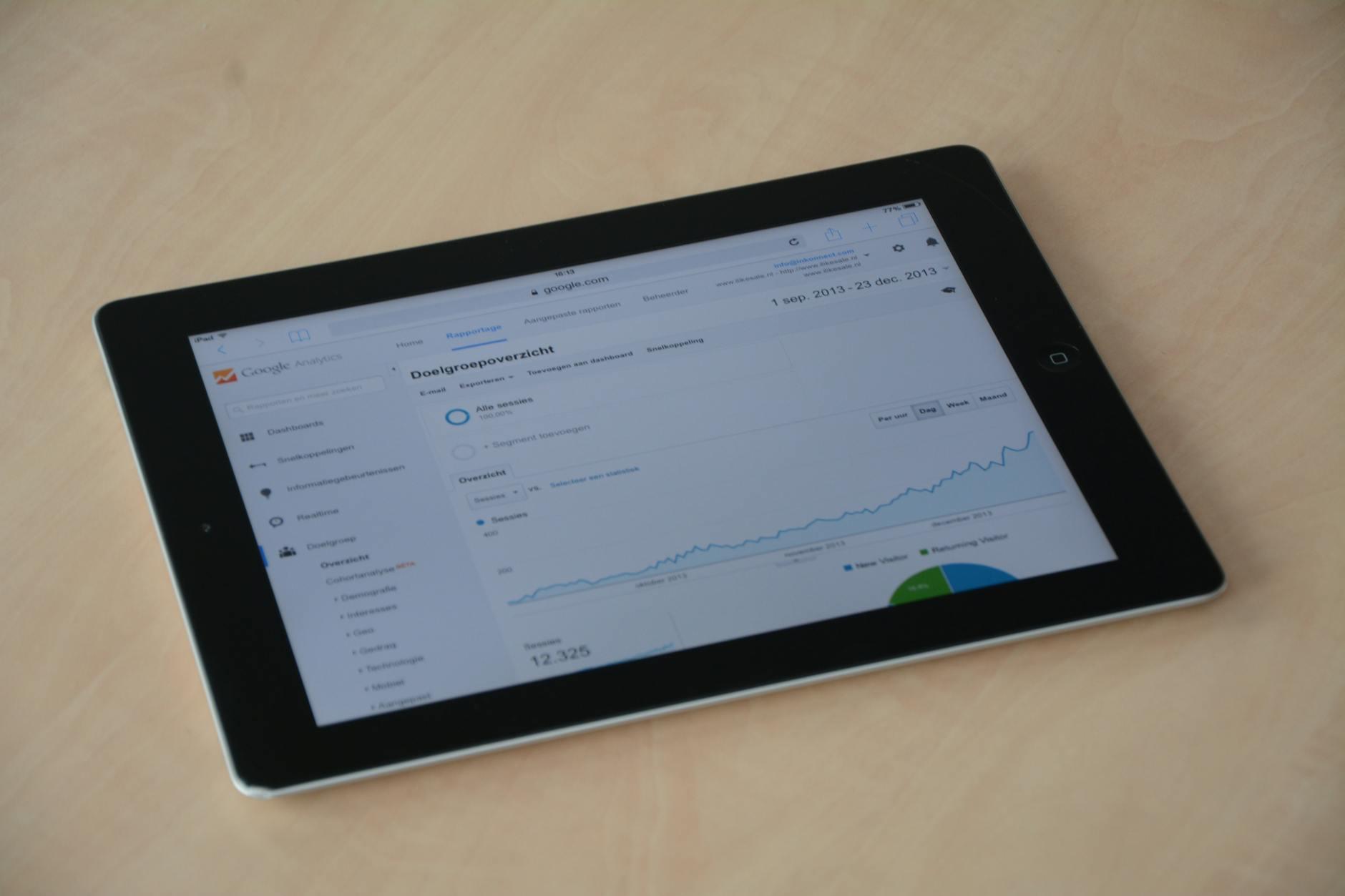
Static monthly reports become outdated the moment they're generated—Pennsylvania businesses need live visibility into operations to respond to issues before they escalate. We develop real-time dashboards that refresh every 15 seconds to 5 minutes depending on data source capabilities, displaying current production rates, inventory levels, sales performance, and quality metrics. These include predictive analytics engines that forecast trends and flag anomalies, similar to the maintenance prediction system we built for a fleet operator that reduced breakdowns by 37%. One Philadelphia distribution center reduced late shipments by 42% using real-time alerts when order volumes exceeded capacity projections.

Generic BI templates ignore the specific metrics that drive success in Pennsylvania's diverse industries—steel fabricators track different KPIs than healthcare providers or agricultural businesses. We design custom measurement frameworks based on each client's strategic goals and competitive environment, incorporating industry benchmarks and regional market factors. Our implementations include drill-down capabilities that let executives explore top-line metrics to transaction-level detail. A specialty chemical manufacturer in Pittsburgh increased EBITDA by 18% over two years by focusing on custom efficiency metrics we identified through operational analysis rather than standard industry ratios.

Pennsylvania businesses face overlapping federal, state, and industry-specific reporting requirements that consume hundreds of hours monthly when handled manually. We build automated compliance reporting that pulls required data points from operational systems, applies necessary calculations, and generates submission-ready reports. These systems include audit trails and validation rules that catch errors before submission, reducing regulatory risk. One healthcare network reduced compliance reporting labor by 320 hours monthly while improving accuracy to 99.7% through automated validation that flags inconsistencies before reports are finalized.
Pennsylvania executives managing multiple facilities or traveling for business need instant access to critical metrics without waiting for email reports or VPN connections. We design mobile-responsive dashboards that work seamlessly on phones and tablets, with touch-optimized interfaces and efficient data loading for cellular connections. These include configurable alert thresholds that send push notifications when metrics exceed boundaries. A manufacturing executive in Erie saved 6 hours weekly by monitoring production across four plants from mobile dashboards instead of daily calls with facility managers.
Many Pennsylvania businesses suffer from BI systems that take minutes to load reports because underlying databases weren't designed for analytical queries—OLTP systems optimized for transactions struggle with aggregation across millions of records. Our [sql consulting](/services/sql-consulting) team rebuilds database schemas with proper indexing, partitioning, and materialized views that reduce query times from minutes to seconds. We've optimized databases for clients where reports timing out after 5 minutes now complete in under 10 seconds, transforming BI from frustrating to actually useful for daily decision-making.
Understanding seasonal patterns, multi-year trends, and growth trajectories requires maintaining clean historical data beyond what operational systems retain. We design data warehouses that store 5-10 years of historical information with consistent schema, enabling year-over-year comparisons and long-term trend analysis. These implementations include slowly changing dimension handling that tracks how organizational structures, product categories, and customer segments evolve. A Pennsylvania retailer identified a previously unnoticed 5-year sales decline in a specific demographic segment, enabling strategic repositioning that reversed the trend within 18 months.
Empowering business users to explore data themselves reduces bottlenecks from IT ticket queues while maintaining data accuracy through proper governance frameworks. We implement BI platforms with intuitive interfaces that non-technical users can navigate, combined with data validation rules and access controls that prevent incorrect conclusions. These systems include curated datasets with business-friendly field names and automated error checking. One financial services company reduced reporting requests to IT by 64% while improving data-driven decision-making across departments through controlled self-service access.
FreedomDev definitely set the bar a lot higher. I don't think we would have been able to implement that ERP without them filling these gaps.
Automated BI systems eliminate manual data gathering, spreadsheet consolidation, and repetitive formatting that consumes dozens of hours monthly. Pennsylvania clients typically reduce monthly close processes from 10-15 days to 2-3 days.
Statistical models analyzing historical patterns, seasonal trends, and leading indicators generate more accurate predictions than intuition-based estimates. Better forecasts reduce excess inventory, staffing issues, and missed revenue opportunities.
Detailed analytics reveal inefficiencies invisible in summary reports—underutilized equipment, vendor pricing inconsistencies, process bottlenecks, and waste patterns. Clients typically find improvement opportunities worth 5-15x their BI investment annually.
Real-time dashboards and automated alerts enable immediate responses to emerging issues instead of discovering problems weeks later in monthly reports. Pennsylvania manufacturers reduce quality issue response time from days to minutes.
Automated data integration removes manual transcription between systems that introduces costly errors in pricing, quantities, and customer information. One Pennsylvania distributor eliminated $180K in annual write-offs from data entry mistakes.
Properly architected BI systems handle 10x data volume increases without proportional cost increases through efficient database design and cloud infrastructure. Pennsylvania businesses support growth without rebuilding analytics every 2-3 years.
We conduct 2-3 week analysis of your existing systems, data sources, and business processes to identify integration challenges and quick-win opportunities. This includes database profiling to assess data quality, stakeholder interviews to understand analytical needs, and documentation of current reporting workflows. We map data lineage from source systems through spreadsheets to final reports, identifying manual steps that automation can eliminate. Pennsylvania clients receive a detailed assessment report outlining findings, proposed architecture, and ROI projections before any development begins.
We design dimensional data models optimized for analytical queries, incorporating star schemas, conformed dimensions, and slowly changing dimension handling appropriate to your business. Database infrastructure includes indexing strategies, partitioning schemes, and aggregation tables that ensure sub-second query response times. For Pennsylvania manufacturers with legacy systems, we design staging areas where data quality issues are resolved before loading into the warehouse. This 3-4 week phase establishes the foundation supporting all subsequent analytics.
We build automated extraction processes that pull data from your operational systems on appropriate schedules—real-time for critical metrics, hourly for operational data, nightly for financial information. Transformation logic cleanses inconsistencies, applies business rules, and calculates derived metrics. Load procedures include error handling, duplicate detection, and reconciliation checks validating that all source records reached the warehouse correctly. Pennsylvania clients receive detailed documentation of ETL logic and monitoring dashboards showing pipeline health and data freshness.
We build role-specific dashboards using iterative design—delivering initial versions after 4-6 weeks for feedback, then refining based on actual usage patterns. Dashboards include drill-down capabilities, configurable filters, and export functionality for further analysis. We implement mobile-responsive designs for executives and field personnel requiring access outside office environments. This 6-8 week phase includes multiple review cycles ensuring visualizations effectively communicate insights and answer the questions users actually ask during daily operations.
We conduct role-specific training sessions teaching dashboard navigation, analysis techniques, and proper interpretation of metrics. Deployment includes gradual rollout to user groups with support resources readily available. Post-launch monitoring tracks usage patterns, query performance, and user feedback to identify optimization opportunities. The first 60-90 days include weekly check-ins addressing questions and monthly performance reviews ensuring the system meets expectations. Pennsylvania clients typically request 3-5 dashboard refinements during this period as users discover additional analytical needs.
After initial deployment stabilizes, we implement prioritized enhancements based on user feedback and evolving business needs. This includes adding new data sources as systems are acquired, expanding analytical depth in high-value areas, and incorporating advanced techniques like machine learning for prediction problems. Most Pennsylvania clients expand BI coverage to additional departments or facilities every 6-12 months. We maintain documentation and architectural standards ensuring consistent quality as the system grows, preventing the technical debt that eventually requires complete rebuilds.
Pennsylvania's manufacturing sector generates more complex operational data than service-based economies—69,000+ manufacturing establishments produce everything from specialty steel to pharmaceuticals, each with unique data challenges. The precision machining cluster in the south-central region operates high-tolerance equipment generating thousands of measurement points per part, requiring BI systems that identify quality trends before defect rates increase. We've worked with Pennsylvania manufacturers where our analytics detected tooling degradation patterns 2-3 weeks before traditional inspection methods, enabling proactive replacement that prevented scrapped production runs worth $120K-$300K.
The pharmaceutical and life sciences concentration around Philadelphia creates specialized BI requirements around batch genealogy, regulatory compliance, and supply chain validation. These companies must trace every raw material lot through production to finished goods while maintaining audit trails that satisfy FDA requirements. Our BI implementations for pharmaceutical clients include automated deviation detection that flags process anomalies in real-time, reducing investigation time by 60% while improving compliance posture. One biologics manufacturer reduced batch rejection rates by 14% using our analytics to identify upstream process variations affecting downstream quality.
Pittsburgh's transformation into a technology and healthcare hub brings modern BI requirements alongside legacy system integration challenges—companies founded decades ago maintain valuable historical data in outdated formats. We've built BI solutions that extract insights from mainframe systems, AS/400 databases, and paper archives while integrating with contemporary cloud platforms. This dual-timeline approach preserves institutional knowledge while enabling modern analytics, helping a 90-year-old steel service center compete with newer competitors through superior demand forecasting based on decades of market data.
The energy sector across Pennsylvania's Marcellus and Utica Shale regions requires BI systems handling enormous data volumes—drilling operations generate terabytes from sensors, seismic data, and production monitoring. We've developed specialized analytics for energy clients that process this data to optimize drilling parameters, predict equipment failures, and forecast production curves. One operator reduced dry hole costs by $4.2 million over two years using our analytics to improve geological models with production data from 200+ wells, refining targeting for subsequent drilling.
Pennsylvania's strategic location as a distribution hub for East Coast markets creates logistics BI requirements spanning multiple carriers, warehouses, and customer systems. Companies operating distribution centers in the Lehigh Valley or Harrisburg regions need visibility across inbound receipts, warehouse operations, and outbound shipments with sub-hour latency. Our logistics BI implementations consolidate carrier EDI feeds, warehouse management systems, and customer portals into unified operational views. One 3PL provider increased warehouse throughput by 23% using our space utilization analytics to optimize slot assignments based on historical pick patterns.
The agricultural industry in Lancaster and surrounding counties increasingly relies on precision farming data—soil sensors, weather stations, yield monitors, and market pricing feeds generate complex datasets. We've built BI systems for agribusinesses that combine this diverse data into actionable recommendations, from planting schedules to harvest timing to marketing decisions. One grain cooperative increased member profitability by $180 per acre using our analytics to optimize storage versus immediate sale decisions based on predicted price movements and storage costs.
Healthcare systems across Pennsylvania face unique BI challenges from the state's complex payer mix—Medicare, Medicaid, commercial insurance, and self-pay patients each require different analytics approaches. We've developed revenue cycle BI platforms that identify denial patterns, optimize coding practices, and forecast cash flow with payer-specific accuracy. One regional hospital system reduced days in A/R by 11 days while improving collections by 8% using our analytics to prioritize follow-up on accounts most likely to pay and identify systemic denial causes requiring process changes.
The higher education sector across Pennsylvania—140+ colleges and universities—generates extensive student data requiring sophisticated analytics while navigating privacy regulations. We've built enrollment management BI systems that predict application yields, identify at-risk students, and optimize financial aid packaging. One Pennsylvania university increased yield rates by 7 percentage points using our predictive models to personalize outreach to accepted students based on factors correlated with enrollment decisions, while maintaining FERPA compliance through proper access controls and data anonymization.
FreedomDev is based in West Michigan and works with clients remotely across the United States.
Talk with an experienced member of our team about your situation.
We've integrated hundreds of disparate systems—legacy mainframes, proprietary databases, cloud platforms, and custom applications across Pennsylvania's diverse industries. This experience means we anticipate integration obstacles before they derail timelines and architect solutions handling edge cases that generic BI tools miss. Our track record includes manufacturers with 1980s-era systems, healthcare networks with dozens of specialty applications, and distributors managing data from 50+ trading partners.
We understand the metrics that drive Pennsylvania industries—production efficiency for manufacturers, revenue cycle KPIs for healthcare, inventory turns for distributors, and yield optimization for agriculture. Our team includes analysts with operational experience who design dashboards reflecting how decisions are actually made rather than generic templates. We've built successful BI systems for steel processors, pharmaceutical manufacturers, logistics providers, energy companies, and agricultural cooperatives across Pennsylvania.
We build BI solutions using open-source technologies and industry-standard platforms rather than proprietary tools requiring expensive licenses and ongoing vendor dependence. Pennsylvania clients own their systems completely—source code, database schemas, and architectural documentation. This approach provides flexibility to modify analytics as needs evolve and eliminates situations where vendor price increases or discontinued products force expensive replacements. Our [custom software development](/services/custom-software-development) philosophy prioritizes long-term client independence.
Our BI implementations consistently deliver documented ROI through reduced labor costs, improved forecasting accuracy, and identified operational improvements. Pennsylvania clients report specific outcomes—64% reduction in IT reporting requests, 23% decrease in product returns through quality analytics, $2.3M annual cost savings from predictive maintenance, 35% faster loan processing. We provide [case studies](/case-studies) with real metrics rather than vague claims about data-driven decision-making, and references from companies in similar situations to yours.
We're a Michigan-based company serving Pennsylvania businesses with support teams working Eastern time zone hours—not offshore contractors nine time zones away. When issues arise or questions emerge, you reach knowledgeable developers who built your system and understand your business context. Pennsylvania clients receive responses within 2-4 hours during business hours, not 24-48 hours typical with offshore support models. For critical production issues, we provide emergency contact information reaching senior technical staff directly rather than routing through help desk tickets.
Explore all our software services in Pennsylvania
Tell us what is happening, what systems are involved, and what you are trying to improve in Pennsylvania. We'll help determine a practical next step.