
Our Oregon-based business intelligence agency helps companies across the state make informed decisions with actionable insights and expert guidance.
FreedomDev is based in West Michigan and works with clients remotely across the United States.
Oregon's economy generates over $250 billion in GDP annually, with significant contributions from forest products ($14 billion), technology ($44 billion), and manufacturing ($27 billion). Companies in these sectors face unique challenges: timber companies track inventory across thousands of acres, manufacturers optimize complex supply chains with Pacific Rim partners, and tech firms analyze user behavior across global markets. Our [business intelligence expertise](/services/business-intelligence) transforms fragmented data from ERPs, IoT sensors, and legacy systems into actionable dashboards that Oregon executives actually use to make decisions.
We've built BI systems for over 200 clients since 2003, and Oregon companies present distinct requirements compared to our Midwest base. A Portland-based outdoor gear manufacturer needed to correlate weather patterns with retail demand across 47 states. A Bend software company required user engagement analytics that processed 2.3 million events daily. A Eugene wood products firm wanted real-time yield optimization tracking material waste down to the board foot. These aren't generic reporting needs—they require deep industry knowledge and custom data architectures.
The gap between collecting data and extracting value remains massive in Oregon businesses. A Hillsboro electronics manufacturer we assessed collected 890GB monthly from production lines but couldn't answer basic questions about defect patterns by shift. A Salem food processor tracked inventory in three separate systems—none talking to each other—resulting in $340,000 annual waste from expiration losses. A Medford logistics company had driver performance data but no way to identify coaching opportunities before fuel costs escalated. Our BI implementations bridge these gaps with SQL-optimized data warehouses and industry-specific visualizations.
Oregon's geographic and regulatory landscape demands specialized BI approaches. Companies operating across both Oregon and Washington navigate different tax structures, labor laws, and environmental regulations. Forest products firms must track DEQ compliance metrics alongside production KPIs. Manufacturers with Pacific Rim suppliers need currency fluctuation analysis integrated into margin reporting. Our [custom software development](/services/custom-software-development) team builds BI platforms that account for these regional complexities rather than forcing Oregon businesses into generic templates.
The technical architecture behind effective BI differs dramatically from simple reporting tools. We've seen Oregon companies spend $80,000 on dashboard software that crumbled under real-world data volumes. A Beaverton distributor's Power BI implementation took 14 minutes to refresh inventory reports—useless for daily operations. A Corvallis research firm's Tableau server crashed when processing geospatial datasets. Our approach starts with database optimization through [sql consulting](/services/sql-consulting), ensuring query performance before building visualizations. We've reduced report generation times from minutes to seconds by restructuring schemas and implementing proper indexing.
Real-time data integration separates functional BI from executive dashboards that nobody trusts. Our [Real-Time Fleet Management Platform](/case-studies/great-lakes-fleet) processes GPS coordinates, fuel consumption, and maintenance alerts every 30 seconds across 200+ vehicles. The same architecture scales for Oregon applications: a Portland construction company now tracks equipment utilization across 12 sites with 5-second latency. A Keizer distribution center monitors picking accuracy in real-time, identifying training needs before error rates impact customer satisfaction. These systems require event-driven architectures and properly configured message queues—not just database queries running on schedules.
Financial system integration proves particularly challenging for Oregon businesses managing complex operations. Our [QuickBooks Bi-Directional Sync](/case-studies/lakeshore-quickbooks) demonstrates the technical rigor required: 47 data validation rules, automated conflict resolution, and audit trails tracking every transaction. A McMinnville winery needed similar integration between their tasting room POS, vineyard management software, and accounting system. The BI layer we built provides real-time profitability by varietal, identifying that their Pinot Noir generated 68% of revenue but only 23% of profit after properly allocating barrel aging costs. This level of insight requires sophisticated ETL processes and business logic implementation beyond standard BI tools.
Industry-specific metrics require custom development that generic BI platforms cannot deliver. Oregon's diverse economy demands specialized solutions: timber companies track stumpage values and recovery rates, tech firms monitor CAC payback periods and logo retention, food processors analyze yield variance and cold chain compliance. We've built 340+ custom KPI calculations across client implementations. A Portland packaging manufacturer needed OEE calculations factoring in planned downtime for mold changes—a nuance that standard manufacturing dashboards missed. Their custom BI system now identifies which product changeovers kill efficiency, enabling scheduling decisions that increased capacity by 14%.
Data governance becomes critical as BI systems mature and more stakeholders demand access. We implement role-based security that aligns with organizational structures: plant managers see facility-specific metrics, regional directors compare cross-location performance, executives access company-wide trends. A Tigard healthcare services company needed 23 distinct permission levels to comply with HIPAA while enabling operational reporting. Our [database services](/services/database-services) team configured row-level security, encrypted sensitive fields, and implemented audit logging that tracks who viewed which patient data when. The system passed their compliance audit with zero findings.
Mobile BI access has shifted from nice-to-have to operational necessity for Oregon companies with distributed workforces. A Pendleton agricultural services firm needed agronomists to access soil analysis data and application recommendations from client fields. A Newport seafood processor required quality managers to log inspection results from processing floors without desktop access. We build responsive BI interfaces that function on tablets and phones without sacrificing functionality. The key is understanding which metrics matter in field contexts and designing data entry workflows that work with gloved hands and bright outdoor lighting.
The total cost of ownership for BI implementations extends far beyond initial development. We've rescued Oregon companies from expensive BI failures: a $120,000 consultant engagement that delivered pretty dashboards with no data refresh automation, a $200,000 commercial platform requiring $40,000 annually in licensing plus dedicated admin staff. Our implementations include training, documentation, and support models that transfer knowledge to internal teams. A Gresham manufacturer now maintains their BI system internally after our 12-week knowledge transfer program. They add new reports quarterly without our involvement—though they still engage us for complex enhancements like predictive maintenance modeling.
Oregon's business environment continues evolving with sustainability reporting, supply chain transparency, and remote workforce management creating new BI requirements. A Portland apparel company now tracks carbon footprint by product SKU to meet B-Corp certification standards. A Eugene tech firm monitors remote employee engagement through calendar analysis and communication patterns—not surveillance, but understanding collaboration health. These emerging use cases require BI architectures flexible enough to incorporate new data sources without complete rebuilds. The data warehouses we design include extensibility as a core principle, enabling Oregon businesses to adapt as requirements change.
Tell us what is happening, what systems are involved, and what you are trying to improve. We'll help determine a practical next step.
We design star schemas, snowflake schemas, and data vault architectures optimized for specific business models. A Portland industrial distributor's warehouse handles 3.2 million inventory transactions monthly with sub-second query performance through partitioning strategies and aggregate tables. Our designs account for Oregon-specific requirements like multi-state tax tracking, seasonal demand patterns in outdoor recreation markets, and compliance reporting for forest products. The architecture supports both historical trend analysis and operational reporting without performance degradation.
Our ETL processes move data from source systems to analytics databases with appropriate latency for each use case. A Bend vacation rental management company needed reservations data updated every 60 seconds for dynamic pricing, while financial data could refresh nightly. We built differentiated pipelines using SQL Server Integration Services and custom C# components that handle API rate limits, retry logic, and data validation. The system processes 840,000 records daily with automated alerts when source data quality degrades. Error handling includes quarantine tables and notification workflows that prevent bad data from corrupting analytics.

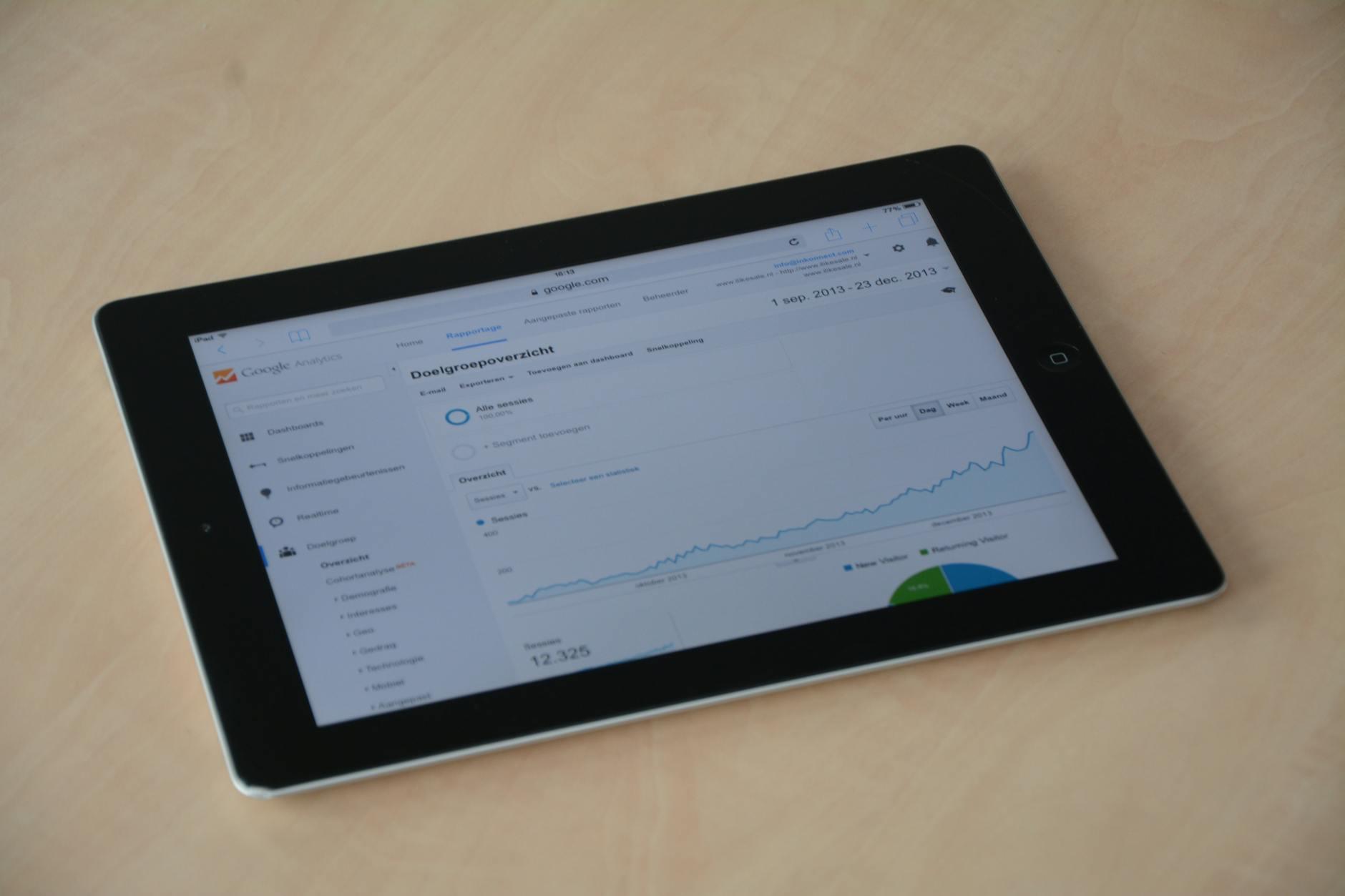
We create multi-tier dashboards that executives use to identify trends, then drill into underlying transactions for root cause analysis. A Salem manufacturing executive dashboard shows overall equipment effectiveness, quality rates, and on-time delivery. Clicking any metric reveals facility-specific performance, then production line details, then individual work order issues. The interface uses color coding based on statistically significant variances—not arbitrary thresholds—so attention focuses on genuine anomalies. A Tualatin distribution company's CEO now conducts Monday operations reviews entirely from his tablet, drilling from company-level fill rates to specific picker performance when problems emerge.

We build report automation that delivers the right information to the right people at the right time without manual intervention. A Lake Oswego financial services firm receives 23 different reports daily: compliance summaries to risk managers by 7 AM, client portfolio updates to advisors by 8 AM, operational metrics to the executive team by 9 AM. The system generates PDFs, Excel files, and interactive HTML based on recipient preferences. Parameters adjust automatically—month-end reports include additional reconciliation details while weekly reports focus on trends. Exception-based reporting only sends notifications when metrics exceed thresholds, reducing report fatigue.
We implement statistical models and machine learning algorithms that forecast future performance based on historical patterns. A Hillsboro electronics distributor's demand forecasting model analyzes three years of sales history, seasonal trends, and economic indicators to predict inventory needs by SKU. The model achieves 87% accuracy at 90-day horizons, enabling purchasing decisions that reduced stockouts by 34% while decreasing carrying costs by 19%. We use appropriate techniques for each scenario—linear regression for straightforward trends, ARIMA models for seasonal patterns, random forests when multiple variables interact in complex ways.
We connect industrial IoT devices, environmental sensors, and equipment telemetry to BI systems for operational insights. A Woodburn cold storage facility monitors 240 temperature sensors across 12 warehouses, with alerts triggering when readings vary more than 2 degrees from setpoints. The BI system correlates temperature excursions with compressor runtime data to predict maintenance needs before failures occur. A Coos Bay sawmill integrated moisture sensors throughout their kiln-drying process, reducing over-drying waste by 8% while maintaining quality specifications. The infrastructure handles high-frequency sensor data—sometimes millisecond intervals—with time-series databases optimized for IoT workloads.
We build BI systems that consolidate financial data across multiple legal entities, currencies, and accounting systems. An Oregon holding company with seven operating subsidiaries needed consolidated reporting that eliminated intercompany transactions while preserving entity-level detail for tax reporting. Our solution implements elimination rules, currency conversion using daily exchange rates, and allocation logic that distributes shared services costs based on revenue or headcount. The system produces both GAAP-compliant consolidated statements and management reports showing contribution by business unit. A Portland company with manufacturing in Oregon and Mexico now understands true product profitability after properly allocating all costs.
We create BI environments where business users build their own reports within guardrails ensuring data accuracy and security. A Corvallis research organization needed scientists to analyze experimental results without IT involvement, but required validation that calculations followed approved methodologies. We implemented a semantic layer defining metrics like 'qualified lead' and 'adjusted margin' consistently across all reports. Users drag and drop these pre-calculated measures, confident they match company definitions. The approach balances agility—users get answers in minutes instead of submitting tickets—with control, preventing the spreadsheet chaos where every department calculates metrics differently.
FreedomDev definitely set the bar a lot higher. I don't think we would have been able to implement that ERP without them filling these gaps.
Executives access current data within seconds instead of waiting days for manual reports, enabling competitive responses to market changes.
Automated reporting eliminates dozens of hours monthly spent compiling spreadsheets, while better insights identify cost reduction opportunities worth multiples of BI investment.
Statistical models trained on historical data predict demand, capacity needs, and cash flow more accurately than spreadsheet projections, reducing both stockouts and excess inventory.
Real-time visibility into order status, quality metrics, and delivery performance enables proactive communication and faster issue resolution before customers complain.
When everyone accesses the same trusted data, discussions shift from debating numbers to solving problems, accelerating organizational alignment around strategic priorities.
Companies leveraging BI identify market trends, optimize pricing, and improve operations faster than competitors relying on intuition and lagging indicators.
We conduct stakeholder interviews identifying key decisions your BI system should support, catalog existing data sources and assess quality, and document current reporting processes and pain points. For Oregon clients, this includes understanding regional considerations like multi-state operations, industry-specific regulations, and seasonal business patterns. The discovery phase typically requires 8-12 hours of your team's time over two weeks and produces a detailed requirements document with prioritized features and realistic timeline estimates.
Our database architects design the data warehouse schema, ETL workflows, and integration patterns based on your specific requirements. We select appropriate technologies—SQL Server data warehouses for most applications, PostgreSQL for cost-sensitive projects, specialized time-series databases for IoT workloads. The design document specifies table structures, indexing strategies, data retention policies, and refresh frequencies. Oregon clients review architecture proposals to ensure the design accommodates future growth like additional facilities, new product lines, or acquisition integration.
We build extraction processes connecting to your source systems, transformation logic implementing business rules and calculations, and loading procedures updating the data warehouse reliably. This phase includes extensive testing—comparing BI outputs to source systems, validating calculations with finance teams, and stress-testing performance with production data volumes. A typical ETL implementation for an Oregon mid-sized company with 3-4 source systems requires 6-8 weeks including comprehensive error handling and monitoring.
We create executive dashboards, operational reports, and self-service analytics environments based on prioritized requirements. Development is iterative—we deliver initial versions for feedback, refine based on user testing, and adjust visualizations until stakeholders find them intuitive and actionable. Oregon clients participate in weekly review sessions during this 4-6 week phase, ensuring the final deliverables match how your team actually works rather than generic BI templates.
We conduct role-specific training teaching executives to interpret dashboards, power users to build ad-hoc reports, and IT staff to maintain the system. Documentation includes user guides, administrator manuals, and data dictionaries explaining every metric calculation. For Oregon companies maintaining systems internally, we offer extended knowledge transfer covering database optimization, ETL troubleshooting, and dashboard enhancement techniques.
We migrate the BI system to production, monitor performance during initial weeks, and optimize based on actual usage patterns. Post-deployment support includes monthly performance reviews identifying slow queries for optimization, quarterly sessions discussing new requirements as business needs evolve, and priority support for urgent issues. Many Oregon clients continue engaging us for strategic enhancements—adding data sources after acquisitions, implementing predictive models, or expanding dashboards to new departments—while handling routine maintenance internally.
Oregon's economic diversity creates varied BI requirements across regions and industries. The Portland metro area hosts Nike, Intel, and Columbia Sportswear along with hundreds of technology startups—each needing different analytics approaches. Nike tracks global supply chain data across 124 countries, requiring BI systems that handle massive scale and complexity. A 12-person Portland SaaS company needs user behavior analytics and cohort analysis to optimize their customer acquisition funnel. Intel's Hillsboro campuses demand manufacturing execution systems integrated with quality management and equipment maintenance platforms. This regional concentration of different business models means Oregon BI developers must understand enterprise-scale challenges and startup agility requirements.
The Willamette Valley's agricultural and food processing sectors present unique data challenges. Oregon produces 99% of U.S. hazelnuts, substantial wine grape tonnage, and diverse specialty crops. A Dundee winery needs BI tracking grape sources by block and vintage, fermentation parameters, barrel aging timelines, and tasting room sales by member tier. A Hubbard food processor requires allergen tracking throughout production with complete lot traceability for recall management. These industries deal with natural variability—vintage quality, weather impacts, biological processes—that makes predictive modeling complex. The BI systems must incorporate agronomic data, weather patterns, and market pricing alongside traditional operational metrics.
Oregon's forest products industry generates $14 billion annually but operates with distinct data requirements reflecting sustainable forestry practices. Timber companies track growth rates across diverse species and elevations, harvest scheduling that balances volume with regeneration, and chain of custody certification for FSC compliance. A Roseburg lumber manufacturer monitors recovery rates—the percentage of finished product extracted from raw logs—across multiple product lines and log grades. Their BI system correlates moisture content, grain patterns, and cutting decisions with final yield, identifying optimization opportunities that increased profitability by 6%. The industry's long planning horizons mean BI systems must handle decades of historical data while supporting real-time operational decisions.
The state's geographic challenges affect BI implementation logistics and data architecture decisions. Companies with operations east and west of the Cascades often have limited connectivity in rural locations. A Pendleton agricultural services firm needed their BI system to function when field locations had intermittent internet—we implemented edge computing with local databases synchronizing when connectivity allowed. Oregon's position in the Pacific time zone creates coordination considerations for companies with East Coast customers or Asian suppliers. A Portland importer's BI system automatically adjusts reporting schedules so executives see overnight shipping updates from Chinese factories when starting their day.
Oregon's regulatory environment influences BI requirements, particularly for companies in healthcare, cannabis, and environmental sectors. The state's pioneering healthcare initiatives like coordinated care organizations require detailed quality metrics and outcome tracking. A Eugene healthcare analytics firm we work with processes claims data for 340,000 members, calculating risk scores and care gap analysis that drives provider incentive payments. Oregon's cannabis tracking system (CTS) requires licensed businesses to report every plant movement and transaction—a Medford dispensary's BI system integrates CTS data with inventory management and sales analytics to optimize product mix while maintaining compliance. DEQ air and water quality reporting creates BI requirements for manufacturers documenting emissions and discharge data.
The state's business culture emphasizes sustainability and social responsibility, creating new BI metrics beyond traditional financial performance. Many Oregon B-Corps and benefit corporations track environmental impact alongside profit. A Portland outdoor gear company's BI system calculates carbon footprint by product SKU, factoring materials sourcing, manufacturing energy, and transportation emissions. Their dashboards show gross margin alongside environmental cost, enabling decisions that balance profitability with sustainability goals. A Eugene employee-owned cooperative needed BI tracking employee engagement and ownership satisfaction metrics—non-traditional KPIs that required custom survey integration and sentiment analysis. These values-driven requirements demand BI flexibility beyond standard financial and operational reporting.
Oregon's technology sector sophistication means prospective BI clients often have complex existing architectures requiring integration rather than replacement. A Beaverton software company already had Salesforce, Jira, GitHub, and AWS infrastructure generating data. They didn't need basic dashboards—they needed a data lake consolidating these sources with custom applications for product usage analysis their commercial tools couldn't deliver. Our [all services in Oregon](/locations/oregon) approach recognizes that Oregon companies, particularly in the tech sector, often need complementary development filling gaps between existing platforms rather than wholesale BI replacements. The implementation required OAuth authentication, REST API integration, and webhook processing to capture events from six different systems.
The state's educational institutions and research organizations present opportunities for academic-industry BI collaboration. Oregon State University, University of Oregon, and OHSU generate significant research data requiring analytics infrastructure. We've worked with Oregon companies commercializing university research who needed BI bridging academic experimental data with manufacturing quality control. A Corvallis life sciences startup required BI correlating laboratory assay results with pilot production batches and clinical trial outcomes. The system needed to handle scientific data formats, maintain research protocols, and produce visualizations appropriate for FDA submissions—a specialized BI application requiring domain expertise in both software development and regulatory requirements.
FreedomDev is based in West Michigan and works with clients remotely across the United States.
Talk with an experienced member of our team about your situation.
Since 2003, we've delivered 200+ BI implementations across manufacturing, distribution, healthcare, technology, and professional services. This experience means we've solved problems similar to yours before and can anticipate challenges specific to your industry and data landscape. Oregon companies benefit from this expertise applied to their regional business context.
We build BI systems tailored to your specific processes, data sources, and decision-making needs. When a Portland outdoor gear company needed to correlate weather data with retail demand, we integrated NOAA APIs and built custom forecasting models—capabilities no commercial BI tool provides. Our development approach means Oregon companies with unique requirements aren't forced into generic dashboards.
Effective BI requires properly architected databases and optimized queries—our core competency. We've designed data warehouses handling billions of rows with sub-second query performance through partitioning, indexing, and aggregate tables. This foundation ensures your BI system remains fast as data volumes grow. Our [sql consulting](/services/sql-consulting) experience prevents the performance problems that plague many BI implementations.
We've delivered projects for Oregon companies understanding the state's business landscape, regulatory environment, and geographic challenges. From Portland tech startups to Medford manufacturers, we adapt our approach to each client's situation. Review our [case studies](/case-studies) to see specific examples of BI systems we've built and the business results they delivered.
We offer fully managed BI services, project-based implementations with knowledge transfer, and staff augmentation supporting your internal teams. Oregon companies choose engagement approaches matching their preferences and capabilities. Some clients want comprehensive ongoing support; others prefer building internal expertise through our training. We adapt to your needs rather than forcing you into our preferred model.
Explore all our software services in Oregon
Tell us what is happening, what systems are involved, and what you are trying to improve in Oregon. We'll help determine a practical next step.