
Ohio's manufacturing sector generates over $120 billion annually, with companies from Toledo to Cincinnati managing complex supply chains, quality data, and production metrics across multiple facilities. These organizations accumulate massive volumes of operational data in ERP systems, quality management platforms, and production databases—yet struggle to transform this information into actionable intelligence. Our business intelligence implementations for Ohio manufacturers have reduced reporting cycles from weeks to hours while providing real-time visibility into production efficiency, inventory turns, and quality trends that directly impact profitability.
We've spent twenty years building custom BI solutions that integrate with the specific systems Ohio businesses use daily. That means connecting to legacy AS/400 systems still running in Cleveland warehouses, extracting data from manufacturing execution systems in Dayton automotive plants, and consolidating financial data from QuickBooks deployments across Akron distribution centers. Our [QuickBooks Bi-Directional Sync](/case-studies/lakeshore-quickbooks) case study demonstrates how we handle real-world integration challenges with established accounting systems, creating unified dashboards that combine financial and operational metrics without disrupting existing workflows.
The difference between basic reporting and true business intelligence becomes apparent when Ohio executives face critical decisions. A Columbus-based medical device manufacturer we worked with had seventeen different Excel spreadsheets tracking production metrics across three facilities, each maintained by different managers with inconsistent formulas and data definitions. We implemented a centralized BI platform that automated data collection from their shop floor systems, established single-source-of-truth metrics, and provided role-based dashboards for plant managers, quality directors, and C-suite executives. Within three months, they identified a supplier quality issue costing $340,000 annually that had been invisible in their fragmented reporting approach.
Ohio's geographic position as a logistics hub creates unique BI requirements for transportation and distribution companies. Our [Real-Time Fleet Management Platform](/case-studies/great-lakes-fleet) showcases how we built a solution processing GPS data, fuel consumption metrics, and maintenance records for a Great Lakes shipping operation. The same architectural principles apply to trucking companies managing I-70 and I-75 corridors, distribution centers serving the Cincinnati-Dayton-Columbus triangle, and intermodal facilities in Cleveland and Toledo. These implementations require handling high-velocity data streams, providing real-time alerting, and maintaining historical analytics for trend analysis and regulatory compliance.
Healthcare organizations across Ohio face escalating pressure to improve patient outcomes while controlling costs, making data-driven decision-making essential rather than optional. We've implemented BI solutions for regional hospital systems that consolidate data from Epic and Cerner EHR systems, billing platforms, and clinical quality databases. These implementations provide visibility into readmission rates, length-of-stay patterns, resource utilization, and reimbursement trends while maintaining HIPAA compliance. One Northeast Ohio hospital network reduced their average length of stay by 0.7 days—translating to $4.2 million in annual cost savings—by identifying and addressing bottlenecks revealed through their BI dashboards.
The technical architecture of effective BI systems requires more than connecting to data sources and generating charts. Our [sql consulting](/services/sql-consulting) team builds optimized data warehouses using dimensional modeling techniques that support both detailed operational queries and executive-level analytics. We implement incremental ETL processes that minimize database load during business hours, create indexed aggregation tables that accelerate dashboard response times, and establish data quality monitoring that alerts stakeholders to anomalies before they contaminate reports. This foundation enables Ohio businesses to scale their analytics as data volumes grow and new sources are integrated.
Many Ohio companies have invested in platforms like Power BI, Tableau, or Looker but struggle to realize value from these tools. The problem typically isn't the visualization technology—it's the underlying data architecture, integration logic, and business process alignment. We've rescued multiple stalled BI initiatives where companies purchased licenses but couldn't connect to their specific systems, lacked the SQL expertise to create proper data models, or built dashboards that didn't align with actual decision-making workflows. Our approach starts with understanding the specific decisions you need to make, then building the data infrastructure to support those decisions reliably and efficiently.
Regional businesses need [custom software development](/services/custom-software-development) approaches that work with Ohio's mix of modern cloud platforms and legacy on-premises systems. A Toledo-based glass manufacturer we work with runs production systems on an IBM i platform that's been in place for fifteen years. Rather than forcing a disruptive system replacement, we built custom integration adapters that extract production data nightly, transform it into a modern data warehouse, and populate Power BI dashboards that production managers check hourly on tablets throughout their facilities. This pragmatic approach respects existing technology investments while delivering modern analytics capabilities.
The most successful BI implementations we've completed in Ohio share common characteristics: executive sponsorship with clear success metrics, phased rollouts that deliver value quickly, strong data governance establishing ownership and quality standards, and ongoing optimization based on user feedback. We recently completed a nine-month implementation for a Columbus distribution company that began with a single dashboard for their top ten KPIs, expanded to departmental analytics for operations and finance, and evolved into predictive models forecasting seasonal demand patterns. This incremental approach built credibility through quick wins while establishing the infrastructure for sophisticated analytics.
Data security and compliance requirements vary significantly across Ohio's industries, and our BI implementations address these concerns architecturally rather than as afterthoughts. For healthcare clients, we implement role-based access controls that restrict PHI visibility to authorized users, audit logging that tracks every data access, and encryption both in transit and at rest. Manufacturing clients concerned about intellectual property protection receive isolated data environments, VPN-only access to BI platforms, and contractual protections covering proprietary process data. Financial services implementations incorporate SOC 2 controls, segregation of duties, and retention policies that satisfy regulatory requirements.
The ROI of business intelligence becomes measurable when implementations address specific operational inefficiencies rather than general information needs. An Akron-based chemical distributor reduced inventory carrying costs by $890,000 annually after implementing dashboards that revealed slow-moving product lines and optimal reorder points. A Dayton healthcare system decreased claim denials by 34% using BI reports that identified common rejection patterns and high-risk procedure codes. A Cincinnati logistics company improved on-time delivery from 87% to 96% with route optimization analytics. These outcomes emerge from BI systems designed around specific business processes and decision points rather than generic dashboards.
Our work with Ohio companies emphasizes building internal analytics capabilities alongside technical implementations. We provide training on SQL fundamentals for power users who need to create ad-hoc reports, dashboard design workshops for department heads who will maintain departmental analytics, and data governance frameworks that establish roles and responsibilities. This knowledge transfer ensures your BI investment continues delivering value long after our initial implementation, and your team can adapt dashboards and reports as business requirements evolve. You'll find detailed examples of this approach throughout [our case studies](/case-studies), where we document both technical solutions and organizational change management strategies.
We build ETL pipelines that extract data from diverse systems common in Ohio businesses—AS/400 platforms, Microsoft SQL Server databases, Oracle ERP systems, MySQL applications, and cloud platforms like Salesforce and AWS RDS. Our integration code handles data type conversions, timezone adjustments, and business logic transformations that reconcile differences between systems. A Cleveland manufacturer we work with has production data in a 1990s-era manufacturing execution system, inventory in an Oracle database, and sales in Salesforce—our integration layer consolidates these sources into unified dashboards updated hourly without modifying any source systems.
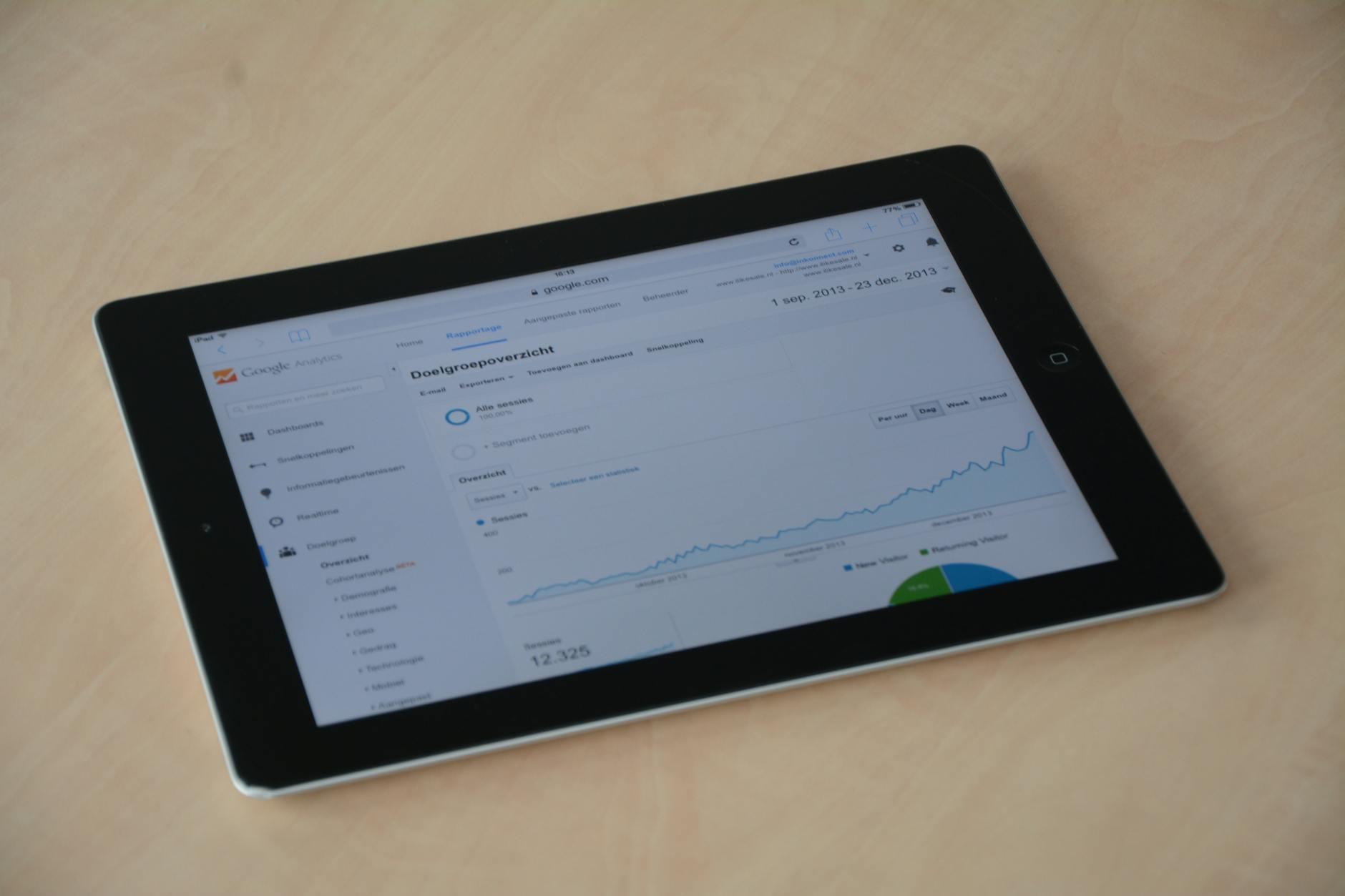
We design and build role-specific dashboards using Power BI, Tableau, or custom web applications that provide the specific metrics each user role needs for daily decisions. Production managers see real-time equipment utilization and quality metrics, finance directors monitor cash flow and receivables aging, and executives track KPIs against strategic goals. Our [Real-Time Fleet Management Platform](/case-studies/great-lakes-fleet) demonstrates how we handle streaming data for operational dashboards that update every 30 seconds. These aren't generic template dashboards—they're custom-designed for your specific workflows, with drill-down capabilities, filtering, and export functions that match how your teams actually work.

We architect data warehouses using star schema and snowflake schema designs that optimize query performance for both detailed operational reports and high-level executive analytics. This includes building fact tables for transactional data, dimension tables for descriptive attributes, slowly-changing dimension logic for historical tracking, and indexed aggregation tables for common query patterns. Our [sql consulting](/services/sql-consulting) expertise ensures these warehouses support sub-second dashboard response times even as data volumes reach millions of rows. One Cincinnati client processes 2.3 million transaction records monthly with consistent dashboard load times under 1.5 seconds.

We implement statistical models and machine learning algorithms that forecast future trends based on historical patterns in your data. This includes demand forecasting for inventory optimization, customer churn prediction for retention strategies, equipment failure prediction for preventive maintenance, and sales forecasting for capacity planning. These models integrate directly into your BI dashboards, providing not just what happened but what's likely to happen next. A Dayton distribution company uses our forecasting models to predict seasonal demand fluctuations with 91% accuracy, enabling optimized purchasing decisions that reduced emergency orders by 67%.
We build scheduled reporting systems that automatically generate and distribute reports to stakeholders via email, SharePoint, or secure portals based on your defined schedules and triggers. This includes daily operational reports, weekly management summaries, monthly board packages, and exception-based alerts when metrics exceed thresholds. Reports can be generated as PDFs, Excel files, or interactive HTML with embedded visualizations. A Toledo manufacturer receives automated quality reports every morning at 6 AM with the previous day's defect rates, trend analysis, and alerts for any metrics outside control limits—eliminating two hours of manual report preparation daily.
We design BI solutions that function effectively on tablets and smartphones, enabling warehouse managers, sales representatives, and field technicians to access critical data from anywhere. This includes touch-optimized interfaces, simplified mobile-specific dashboards, offline capabilities for connectivity-challenged environments, and responsive layouts that adapt to different screen sizes. An Akron-based field service company uses mobile BI dashboards that technicians access on tablets during customer visits, providing instant visibility into service history, parts inventory, and warranty status without calling the office.
We implement automated data quality checks that validate completeness, accuracy, consistency, and timeliness of data entering your BI systems. This includes NULL value detection, referential integrity validation, statistical anomaly detection, and business rule enforcement. We establish data governance frameworks defining data ownership, documentation standards, change control processes, and quality metrics. A Columbus healthcare organization uses our data quality monitoring to catch EHR integration issues within minutes rather than discovering problems when reports are generated, maintaining 99.7% data accuracy across their analytics platform.
We build calculation engines that implement your specific business logic for metrics that can't be derived through simple SQL queries. This includes complex profitability calculations with allocation rules, weighted scoring systems for vendor performance, composite indexes combining multiple metrics, and industry-specific calculations like EBITDA adjustments or same-store sales comparisons. These engines handle edge cases, maintain calculation audit trails, and provide transparency into how metrics are derived. Our implementations document calculation methodologies and include drill-down capabilities showing underlying data and intermediate calculation steps.
It saved me $150,000 last year to get the exact $50,000 I needed. They constantly find elegant solutions to your problems.
Eliminate manual data collection, Excel consolidation, and report formatting through automated BI systems that refresh on schedules you define. Teams that spent hours preparing weekly reports redirect that time to analysis and action.
Surface inefficiencies, waste, and unnecessary expenses that remain invisible in departmental silos. Our BI implementations consistently identify six-figure annual savings in inventory optimization, process efficiency, and resource utilization.
Replace weekly status meetings reviewing outdated reports with on-demand dashboards showing current operational state. Enable managers to respond to issues within hours rather than waiting for monthly reports to reveal problems.
Base budgets, capacity planning, and inventory decisions on statistical models analyzing years of historical data rather than spreadsheet projections. Reduce safety stock levels, emergency orders, and capacity shortfalls through improved predictive accuracy.
Eliminate contradictory reports where finance and operations present different numbers for the same metrics. Create consistent definitions, calculations, and data sources that build organizational confidence in analytics.
Build BI infrastructure that accommodates new product lines, additional locations, and acquired companies without architectural redesign. Add new data sources, metrics, and dashboards incrementally as requirements evolve.
We conduct detailed sessions with stakeholders across your organization to understand current reporting processes, identify data sources, and define specific decisions that BI should support. This includes reviewing existing reports, documenting pain points, and establishing measurable success criteria. We inventory your technical environment—databases, applications, file systems—and assess data quality and availability. This phase typically requires 1-2 weeks and produces a requirements document and preliminary architecture design.
We design dimensional data models optimized for your specific analytical needs, then construct the database infrastructure including fact tables, dimension tables, staging areas, and ETL processes. This includes establishing naming conventions, documentation standards, and data quality rules. We build integration pipelines connecting to your source systems and implement initial data loads. This foundation typically requires 3-4 weeks and results in a functioning data warehouse ready for dashboard development.
We build your first dashboard focused on top-priority KPIs, providing tangible value quickly while gathering user feedback on design and functionality. This phase emphasizes collaboration—we present initial designs, incorporate feedback, and iterate rapidly. We typically deliver this first dashboard within 4-6 weeks of project start, establishing credibility and demonstrating the platform's potential before expanding to additional analytics.
We expand the BI platform systematically, adding dashboards for different departments and user roles based on prioritized requirements. Each increment adds new data sources, metrics, and visualizations while maintaining performance and data quality. We conduct training sessions as new dashboards deploy, ensuring users understand capabilities and limitations. This phase duration varies based on scope but typically spans 2-4 months for comprehensive implementations.
We refine the system based on usage patterns and user feedback—adding indexes for frequently-used queries, automating manual processes, and enhancing dashboards with requested features. We conduct formal training for power users and administrators, document technical architecture and business logic, and establish support processes. This final phase ensures your team can maintain and evolve the system independently while we remain available for complex enhancements and troubleshooting.
After initial implementation, we provide ongoing support through monthly retainers covering technical maintenance, minor enhancements, and troubleshooting. We conduct quarterly reviews assessing system performance, discussing potential improvements, and planning new capabilities. This continuous engagement ensures your BI platform evolves with changing business needs rather than becoming a static system that gradually loses relevance.
Ohio's manufacturing sector—the third-largest in the nation with 640,000+ employees—creates enormous volumes of production data that most companies underutilize. From automotive suppliers in the Toledo and Youngstown regions to aerospace manufacturers around Cincinnati and Dayton, these companies track machine utilization, quality metrics, throughput rates, and downtime across multiple shifts and facilities. We've implemented BI solutions for Ohio manufacturers that consolidate data from Rockwell Automation PLCs, SCADA systems, and manufacturing execution platforms into unified dashboards showing real-time OEE (Overall Equipment Effectiveness), quality trends, and capacity utilization. These implementations typically reveal 8-15% productivity improvement opportunities within the first three months of deployment.
Cleveland's healthcare ecosystem—including Cleveland Clinic, University Hospitals, and MetroHealth—represents the concentration of medical expertise and complex data challenges in Northeast Ohio. Regional hospital systems manage patient data across Epic and Cerner platforms, billing systems, clinical registries, and departmental applications. Our BI implementations for Ohio healthcare organizations create unified views combining clinical outcomes, operational efficiency, and financial performance while maintaining strict HIPAA compliance. These dashboards help administrators identify readmission patterns, optimize staffing levels, track quality metrics for value-based care contracts, and forecast seasonal capacity needs. One implementation reduced emergency department wait times by 23% by identifying bottlenecks in triage, lab processing, and bed assignment workflows.
Columbus has emerged as a logistics and distribution hub due to its geographic position—60% of U.S. and Canadian populations within a day's drive. The distribution centers, fulfillment operations, and transportation companies in Central Ohio require BI solutions that handle high-velocity data from warehouse management systems, transportation management platforms, and inventory tracking applications. We build dashboards showing real-time inventory positions across multiple facilities, order fulfillment metrics, carrier performance comparisons, and cost-per-shipment analytics. A Columbus-based third-party logistics provider uses our BI platform to monitor 47 different performance metrics across client operations, providing transparency that has improved client retention rates and enabled premium pricing for data-driven value-added services.
Cincinnati's corporate headquarters environment—including Procter & Gamble, Kroger, Fifth Third Bank, and Western & Southern Financial Group—creates demand for enterprise-scale BI implementations. These organizations require solutions that consolidate data from global operations, support thousands of users with different analytical needs, and integrate with existing enterprise architecture including SAP, Oracle, and custom systems. Our [systems integration](/services/systems-integration) expertise enables us to work within complex IT governance frameworks, security requirements, and change management processes typical of large enterprises. We've supported Cincinnati corporations with BI implementations spanning multiple business units, geographic regions, and functional areas while maintaining consistent data definitions and calculation methodologies.
Dayton's aerospace and defense concentration—including Wright-Patterson Air Force Base and contractors like GE Aviation—creates specialized BI requirements around complex project management, compliance tracking, and earned value analysis. These organizations track hundreds of work packages, thousands of parts, and intricate supplier relationships across multi-year programs. We've built BI solutions that integrate project management data from systems like Primavera P6, financial data from government accounting platforms, and technical data from engineering systems. These dashboards provide program managers with integrated views of schedule performance, cost variance, risk factors, and milestone status—replacing dozens of disconnected reports with unified analytics supporting program reviews and gate decisions.
Northeast Ohio's manufacturing belt—from Akron to Youngstown—includes numerous mid-sized manufacturers operating in specialized niches with specific BI needs. A Youngstown metal fabricator tracks job costing with project-level profitability analysis. An Akron polymer manufacturer monitors batch genealogy for quality traceability. A Canton tool-and-die shop analyzes machine utilization across 34 CNC machines. These implementations require deep understanding of manufacturing operations and the ability to work with diverse systems—some running on modern platforms, others on legacy databases and custom applications. Our [our business intelligence expertise](/services/business-intelligence) includes the manufacturing domain knowledge necessary to build BI solutions that address industry-specific requirements and terminology.
Ohio's agricultural sector generates substantial data from precision farming, grain elevators, and food processing operations. Northwestern Ohio farming operations use precision agriculture systems collecting soil data, yield data, and application data across thousands of acres. We've built BI solutions that consolidate this information with weather data, commodity pricing, and input costs to support planting decisions, fertilizer optimization, and marketing strategies. These implementations demonstrate how BI principles apply beyond traditional corporate environments, providing small and mid-sized agricultural businesses with analytical capabilities previously available only to large operations. For questions about how we can address your specific needs, [contact us](/contact) to discuss your current data environment and business challenges.
The state's growing technology sector—particularly in Columbus where companies like CoverMyMeds, Root Insurance, and Branch have scaled—requires BI solutions supporting rapid growth and evolving analytical needs. These organizations need flexible BI architectures that accommodate new product lines, changing metrics, and scaling user bases without constant rearchitecture. We build BI platforms using modern cloud data warehouses like Snowflake and Databricks that provide the scalability and flexibility high-growth companies require. One Columbus SaaS company went from 40 employees to 240 in eighteen months; their BI platform scaled seamlessly from tracking a dozen metrics for founders to supporting departmental analytics across engineering, sales, customer success, and finance teams.
FreedomDev is based in West Michigan and works with clients remotely across the United States.
Schedule a direct consultation with one of our senior architects.
We've built BI solutions for Ohio companies across manufacturing, healthcare, distribution, and financial services since 2004. We understand the specific systems you use, the operational challenges you face, and the regulatory environment you navigate. This isn't theoretical knowledge from case studies—it's practical experience from dozens of implementations across your industry and region.
Our team includes senior developers with expertise in SQL Server, Oracle, MySQL, PostgreSQL, AS/400 integration, cloud data warehouses, ETL tools, and visualization platforms. We write custom code when needed rather than forcing solutions into template-based tools. This technical depth enables us to integrate with your specific environment regardless of age or complexity, as demonstrated in our case studies including legacy system modernization projects.
We prioritize delivering measurable value quickly over comprehensive feature lists that take months to implement. Our phased approach starts with quick wins that build credibility while establishing infrastructure for sophisticated analytics. We'll recommend commercial platforms like Power BI when they fit your needs and custom development when they don't—we're not tied to any specific vendor or technology stack.
We provide fixed-price proposals for defined scopes, detailed project plans with specific milestones, and weekly status updates tracking progress against plan. When issues arise—scope changes, data quality problems, integration challenges—we communicate immediately with options and implications rather than hoping problems resolve themselves. This transparency has earned us long-term relationships with Ohio clients who continue engaging us for new projects years after initial implementations.
We build systems your team can maintain and evolve rather than creating dependency on our ongoing involvement. We document technical architectures, provide comprehensive training, and encourage questions throughout implementation. While we offer ongoing support services, many clients handle routine maintenance and minor enhancements internally after our initial engagement—exactly as we intend. Our goal is building your capability, not maximizing recurring revenue.
Explore all our software services in Ohio
Let’s build a sensible software solution for your Ohio business.