
North Dakota's economy generates over $55 billion annually across agriculture, energy, manufacturing, and logistics—yet many companies still rely on disconnected spreadsheets and legacy systems that can't provide unified visibility across their operations. We've spent two decades building [business intelligence](/services/business-intelligence) platforms that transform how companies consolidate data from field operations, remote sites, and multiple ERPs into actionable dashboards. Our work with energy companies operating across the Bakken formation demonstrated how proper data architecture handles high-frequency sensor data while maintaining sub-second query performance for executives reviewing production metrics.
The challenge facing North Dakota businesses isn't lack of data—it's making sense of information scattered across drilling sites in Williams County, grain elevators in the Red River Valley, manufacturing facilities in Fargo, and distribution centers in Grand Forks. We've built BI systems that pull real-time data from SCADA systems monitoring pipeline flow rates, IoT sensors tracking grain moisture levels, manufacturing execution systems (MES) recording production yields, and transportation management systems routing deliveries across rural areas with limited connectivity. One agricultural client reduced their month-end reporting cycle from 12 days to 4 hours by replacing manual Excel consolidation with automated ETL pipelines.
North Dakota's unique operational challenges—extreme weather affecting equipment performance, remote worksites requiring offline functionality, seasonal workforce fluctuations, and regulatory reporting for multiple state and federal agencies—demand BI solutions built specifically for these conditions. Our [Real-Time Fleet Management Platform](/case-studies/great-lakes-fleet) demonstrated how edge computing enables data collection when cellular connectivity drops to zero, synchronizing automatically when connections restore. This architecture has proven essential for companies operating equipment in McKenzie County where reliable internet access remains inconsistent despite the region's economic importance.
We architect BI platforms using modern data warehousing approaches that separate transactional systems from analytical workloads, preventing dashboard queries from impacting operational performance. Our implementation for a manufacturing client in West Fargo consolidated data from their ERP (Epicor), quality management system (ETQ), and production equipment PLCs into a unified Kimball-dimensional model that supports both standard executive dashboards and ad-hoc analysis by plant engineers. The system processes 2.3 million records daily while maintaining average query response times under 800 milliseconds.
The technical foundation matters significantly more than visual polish when building BI systems that executives will trust for strategic decisions. We've seen companies invest heavily in dashboard tools without addressing underlying data quality issues—duplicate customer records, inconsistent product codes across divisions, transactions recorded in different time zones without normalization—resulting in reports that contradict each other and erode confidence. Our discovery process includes detailed data profiling using SQL queries that identify these issues before building transformation logic, similar to the approach documented in our [QuickBooks Bi-Directional Sync](/case-studies/lakeshore-quickbooks) case study where we resolved 847 data inconsistencies before enabling automated synchronization.
North Dakota businesses face specific integration challenges when their operational systems weren't designed to share data. Agricultural cooperatives run grain management software that doesn't natively integrate with their accounting systems. Energy companies operate drilling databases that don't communicate with their financial ERP. Manufacturing firms use production scheduling tools isolated from their supply chain management systems. We've built custom integration layers using APIs, database replication, message queues, and file-based exchanges depending on what each source system supports, as detailed in our [systems integration](/services/systems-integration) practice.
Real-time dashboards require fundamentally different architecture than traditional overnight batch processing. When a pipeline operator needs to monitor pressure readings across 40 compressor stations, they can't wait for nightly ETL jobs—they need data latency measured in seconds, not hours. We implement this using change data capture (CDC) that streams updates from operational databases into analytical systems, combined with in-memory caching layers that serve dashboard queries without hitting the data warehouse for every refresh. One energy client now monitors 15,000 data points with average latency of 4.3 seconds from sensor reading to dashboard display.
The distinction between operational reporting and strategic analytics drives our technical design decisions. Operational reports answer "what happened"—yesterday's sales, last week's production output, current inventory levels—using straightforward SQL queries against normalized databases. Strategic analytics answer "why it happened" and "what might happen"—identifying which product lines drive profitability, forecasting demand based on historical patterns and external factors, detecting anomalies that suggest equipment failures. These require dimensional modeling, aggregate tables, and predictive algorithms that we implement based on specific business questions rather than generic templates.
We've implemented BI platforms for companies with three employees and companies with 3,000 employees, and the principles remain consistent: start with clearly defined business questions, build data pipelines that ensure accuracy and consistency, create interfaces that match how people actually work, and establish governance processes that maintain quality as the system grows. The technology stack varies—some clients need enterprise solutions like Microsoft SQL Server Analysis Services while others benefit from open-source tools like PostgreSQL with Apache Superset—but the methodology stays the same. Our [sql consulting](/services/sql-consulting) practice has refined this approach across hundreds of implementations.
North Dakota's business environment requires BI solutions that accommodate seasonal patterns, weather impacts, and regulatory complexity unique to the state's key industries. Agricultural analytics must account for USDA reporting requirements and commodity price volatility. Energy analytics must track production tax credits and royalty calculations governed by North Dakota Industrial Commission rules. Manufacturing analytics must integrate lab testing results required by customer quality specifications. We build these industry-specific dimensions into our data models from the beginning rather than retrofitting them later, reducing development time and ensuring compliance.
The most effective BI implementations we've delivered started small—usually a single critical dashboard addressing a specific pain point—then expanded incrementally as users gained confidence and identified additional use cases. One distribution company began with a simple inventory turnover dashboard that revealed $340,000 in slow-moving stock, which justified investment in more sophisticated demand forecasting. Starting with quick wins builds organizational momentum and generates the budget for comprehensive platforms. This approach contrasts sharply with enterprise software megaprojects that take 18 months to deploy and often fail to deliver promised value.
Security and data governance become critical when BI systems consolidate sensitive information from across the organization. We implement row-level security that ensures sales representatives see only their territories, plant managers access only their facilities, and executives view enterprise-wide aggregates. Audit logging tracks who accessed which reports when, meeting compliance requirements for industries handling personal information or proprietary data. Our architecture separates authentication (who you are) from authorization (what you can access), enabling integration with Active Directory while maintaining granular control over data visibility.
We build ETL pipelines that extract data from disparate systems across remote sites—ERP databases, SCADA historians, IoT sensor networks, spreadsheet-based field reports, and third-party data feeds—then transform and load it into unified analytical databases. Our implementation for a regional energy company consolidates 47 data sources including wellhead controllers, trucking systems, and three different accounting packages into a single dimensional model supporting enterprise reporting. The system handles schema changes automatically, logging discrepancies for review rather than failing silently when source systems update their structures.
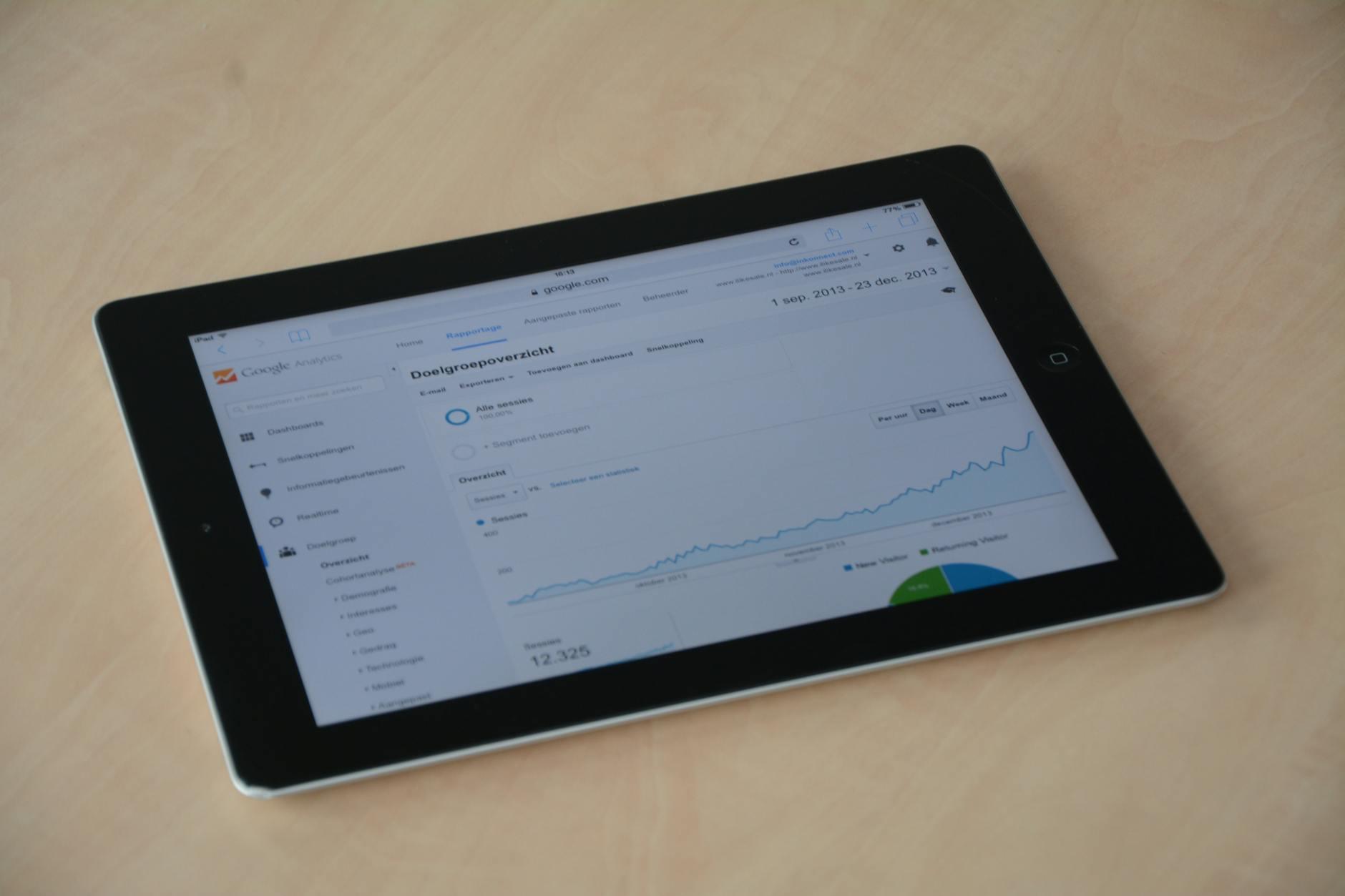
Dashboard performance degrades quickly when multiple users run complex queries simultaneously against operational databases. We architect BI platforms using aggregate tables, materialized views, and columnar storage that pre-calculate common metrics and optimize for analytical query patterns rather than transactional processing. One manufacturing client supports 85 concurrent dashboard users with average query response times of 620 milliseconds by utilizing indexed aggregate tables that refresh every 5 minutes, compared to their previous system where reports regularly timed out after 2 minutes.

Field operations in rural North Dakota can't depend on continuous cellular connectivity for data entry. We develop hybrid mobile applications that collect operational data locally—inspection results, inventory counts, equipment readings, maintenance notes—storing it in device-local databases that sync automatically when connectivity restores. Our architecture detects conflicts when the same record is modified offline by multiple users, presenting both versions for manual resolution rather than silently overwriting data. This approach has proven essential for agricultural cooperatives conducting grain sampling across remote elevator locations.

Organizations analyze performance across multiple dimensions simultaneously—product categories and individual SKUs, geographic territories and specific customers, fiscal periods and production shifts. We implement star schema data warehouses using Kimball methodology that supports these multi-dimensional queries efficiently. One distribution client analyzes sales across 6 product hierarchies, 4 customer segmentations, 3 geographic rollups, and multiple time periods using a dimensional model with 18 dimension tables and 3 fact tables, enabling queries that previously required weeks of manual Excel work.
Historical data becomes more valuable when used to forecast future outcomes and identify emerging problems before they impact operations. We implement machine learning models that detect equipment failure patterns, forecast demand based on seasonal trends and external factors, and identify anomalies suggesting data quality issues or process changes. An energy services company now predicts compressor maintenance requirements 11 days in advance with 82% accuracy by analyzing vibration sensor patterns, temperature fluctuations, and runtime hours against historical failure data.
BI systems often consolidate sensitive information that shouldn't be universally accessible—employee compensation, customer pricing, proprietary formulations, competitive bids. We implement security models that filter data based on user roles and attributes, ensuring field supervisors see only their crews, regional managers access their territories, and finance staff view data from all locations but restricted to financial dimensions. Our row-level security implementation uses database views and application-layer filtering that applies consistently whether users access data through dashboards, reports, or ad-hoc query tools.
Standard BI tools don't inherently understand industry-specific calculations like basis pricing for grain, royalty distributions for oil and gas, or quality-adjusted yields for manufacturing. We implement these as reusable calculation logic within the BI platform—stored procedures, calculation views, or application-layer business rules—ensuring consistency across all reports and enabling business users to filter and slice data without understanding the underlying formulas. One agricultural client standardized moisture-adjusted bushel calculations across 23 locations, eliminating discrepancies that previously caused monthly reconciliation headaches.
Data quality degrades over time as source systems change, integration processes fail partially, or users enter information inconsistently. We implement monitoring frameworks that continuously check for anomalies—unexpected null values, record counts outside historical ranges, referential integrity violations, duplicate entries—and alert data stewards when issues exceed defined thresholds. Our monitoring detected a vendor API change that began returning incorrect pricing data three hours after deployment, enabling correction before the bad data propagated to executive dashboards and triggered inappropriate business decisions.
FreedomDev is very much the expert in the room for us. They've built us four or five successful projects including things we didn't think were feasible.
Replace outdated reports compiled manually over days with real-time dashboards reflecting current operational status across all locations and systems.
Recover hundreds of staff hours monthly spent copying data between spreadsheets, reconciling inconsistencies, and formatting reports for distribution.
Detect operational issues, quality problems, and anomalous patterns hours or days earlier than manual review processes, minimizing financial impact.
Eliminate conflicting reports showing different numbers for the same metrics due to inconsistent calculation logic or extract timing differences.
Answer complex business questions about profitability drivers, operational efficiency, and market trends that spreadsheet-based analysis can't address at scale.
Accommodate additional locations, higher transaction volumes, and more users accessing analytics without rebuilding infrastructure or hiring additional reporting staff.
We begin by understanding your critical business questions, current reporting pain points, and existing data landscape through stakeholder interviews and technical assessment. This includes documenting data sources, reviewing sample reports users currently rely on, and identifying gaps between available information and decision-making needs. We profile source data using SQL queries that reveal quality issues, inconsistencies, and structural challenges before designing solutions, establishing realistic expectations about what's achievable given current data state.
Based on discovery findings, we design a technical architecture specifying data warehouse structure (dimensional model design), integration approach for each source system (APIs, database connections, file exchanges), refresh frequency matching business requirements, and BI tools appropriate for your users and use cases. This includes infrastructure planning for on-premises, cloud, or hybrid deployment based on your environment, security requirements, and budget constraints. We present this architecture for review before development begins, ensuring alignment on approach and technology choices.
We build BI platforms iteratively, delivering working functionality every 2-3 weeks for review and feedback rather than waiting months for complete systems. Initial releases typically include ETL pipelines from priority data sources and core dashboards addressing high-value questions, even if not all planned sources are integrated yet. This approach surfaces issues early—misunderstood requirements, unexpected data quality problems, performance concerns—when they're easier to address, and demonstrates progress through working software rather than status documents.
As dashboard functionality develops, we conduct structured testing with actual business users who validate that metrics calculate correctly, data reflects expected values, and interfaces support their workflows effectively. This testing often reveals nuances in business logic not documented formally—special handling for certain transaction types, adjustments for specific time periods, exceptions for particular customers or products. We refine calculations and interfaces based on this feedback before considering functionality complete, ensuring the platform matches how your business actually operates rather than idealized process descriptions.
Production deployment includes migrating from development to production infrastructure, configuring security and access controls, establishing backup and monitoring procedures, and scheduling ETL processes. We provide training tailored to different user groups—executives viewing dashboards, analysts creating ad-hoc reports, administrators managing users and permissions—and deliver documentation covering architecture, ETL processes, calculation logic, and troubleshooting procedures. This ensures your team can operate and maintain the platform effectively rather than depending entirely on external support.
After deployment, we establish monitoring for data quality issues, ETL process failures, and performance degradation, with alerting when thresholds are exceeded. Many clients engage us for ongoing support addressing questions, adding functionality, and optimizing performance as usage patterns emerge and requirements evolve. Our [business intelligence expertise](/services/business-intelligence) includes this operational phase where platforms mature from initial implementations into mission-critical systems supporting strategic decisions. We recommend quarterly reviews assessing what's working well, identifying improvement opportunities, and prioritizing enhancement requests.
North Dakota's economy presents unique analytical challenges across its dominant sectors—energy production generating 1.2 million barrels daily from the Bakken and Three Forks formations, agriculture producing 340 million bushels of wheat and 520 million bushels of corn annually, and manufacturing supporting both industries with specialized equipment and processing facilities. Companies operating in these sectors require BI platforms that integrate operational data from geographically dispersed locations with limited connectivity infrastructure, handle industry-specific calculations and regulatory requirements, and support decision-making at speeds matching operational tempo rather than traditional month-end cycles.
The energy sector's rapid expansion since 2008 created technology debt as companies prioritized production over information systems, resulting in fragmented data landscapes where drilling databases, production accounting systems, land management software, and financial ERPs don't communicate effectively. We've worked with operators managing assets across McKenzie, Mountrail, Williams, and Dunn counties to consolidate data from wellhead controllers providing hourly production readings, trucking systems tracking disposal volumes, and accounting packages calculating royalty distributions. These implementations must accommodate North Dakota's unique regulatory environment including severance tax reporting to the State Tax Commissioner and production reporting to the North Dakota Industrial Commission.
Agricultural cooperatives and agribusiness companies face seasonal analytical demands that spike during harvest when they need real-time visibility into receiving operations across multiple elevator locations, grain quality metrics affecting pricing decisions, and storage capacity allocation. One cooperative we worked with processes grain from 2,800 farmers across 18 counties, requiring BI systems that track contracts by farmer and commodity, monitor inventory by location and grade, calculate basis pricing relative to multiple delivery points, and generate settlement statements meeting USDA requirements. Their previous Excel-based approach required three staff members working full-time during harvest just to compile daily position reports.
Manufacturing companies in the Fargo-West Fargo industrial corridor and Grand Forks industrial park require BI platforms integrating production data from shop floor systems with quality testing results, supply chain information, and financial performance. These implementations benefit from North Dakota's proximity to Canadian markets and robust logistics infrastructure, but must accommodate complexities like customs documentation for cross-border shipments, currency conversion for international transactions, and quality certifications required by automotive or aerospace customers. We've built analytical systems that track overall equipment effectiveness (OEE) across production lines, correlate quality metrics with raw material lots, and calculate landed costs including freight and duties.
Bismarck's position as the state capital creates demand for BI solutions serving government agencies, healthcare organizations, and financial institutions that face regulatory compliance requirements beyond typical commercial applications. Healthcare analytics must maintain HIPAA compliance while providing population health insights. Banking analytics must meet Federal Reserve reporting requirements while detecting fraud patterns. Government performance dashboards must ensure public records transparency while protecting personally identifiable information. These constraints require security-first architectural approaches where access controls and audit logging are fundamental design elements rather than afterthoughts.
The state's distributed population—only 779,000 residents across 70,704 square miles—means most North Dakota businesses operate multiple locations separated by significant distances in areas where internet connectivity may rely on fixed wireless or satellite rather than fiber. BI architectures must accommodate this reality through edge computing approaches that enable local data collection and operational reporting even when connectivity to central systems is interrupted, with synchronization occurring automatically when connections restore. This differs substantially from urban-centric cloud-first approaches that assume ubiquitous high-speed connectivity.
North Dakota's extreme climate—winter temperatures regularly dropping below -20°F and summer heat exceeding 100°F—impacts equipment performance and operational patterns in ways that analytics should reflect. Energy production varies seasonally due to temperature effects on wellhead equipment and gathering systems. Agricultural operations compress into narrow windows when weather permits. Transportation and logistics companies experience weather-related delays that affect delivery performance metrics. Effective BI systems incorporate these environmental factors as analytical dimensions rather than treating weather as external noise, enabling more accurate forecasting and performance evaluation.
The state's strong entrepreneurial culture and relatively low regulatory burden compared to coastal states has fostered successful companies that grew from local operations to regional or national players—but their information systems often reflect their origins as small businesses using QuickBooks and Excel rather than enterprise platforms. As these companies scale, they need BI solutions that bridge the gap between simple small-business tools and complex enterprise systems, often requiring [custom software development](/services/custom-software-development) that integrates with existing systems rather than forcing disruptive replacements. This pragmatic approach maintains operational continuity while improving analytical capabilities incrementally.
FreedomDev is based in West Michigan and works with clients remotely across the United States.
Schedule a direct consultation with one of our senior architects.
We've built business intelligence solutions since 2002, accumulating expertise across industries, technologies, and architectural patterns that inform better design decisions and faster implementations. This experience helps us anticipate challenges, avoid common pitfalls, and apply proven approaches rather than experimenting at client expense. Our [case studies](/case-studies) demonstrate successful implementations across diverse sectors and technical environments.
Our team includes developers with deep expertise in SQL database performance tuning, ETL development using multiple tools and languages, dimensional modeling following Kimball methodology, and front-end development for custom dashboard interfaces. This full-stack capability means we're not limited to specific vendors or tools—we select technologies that fit your requirements and environment rather than forcing solutions into our preferred stack. Projects requiring [systems integration](/services/systems-integration) or [custom software development](/services/custom-software-development) beyond standard BI tools leverage this breadth effectively.
We build BI platforms your internal staff can operate and extend rather than creating dependencies on external expertise for routine changes. This includes using mainstream technologies with good local talent availability, providing comprehensive documentation, delivering hands-on training, and structuring architecture with clear separation of concerns so modifications in one area don't cascade unpredictably. Many clients handle ongoing dashboard creation and report modifications internally while engaging us periodically for major enhancements or performance optimization.
While we understand textbook BI architectures, we recognize that business constraints—budget limitations, timeline pressures, political realities, technical debt in source systems—often require pragmatic compromises. We help clients make informed tradeoffs between ideal solutions and achievable implementations, starting with focused scope that delivers value quickly rather than attempting comprehensive platforms that take years to realize benefits. Our goal is sustainable improvement over time rather than perfect systems that never launch.
BI projects often reveal uncomfortable truths about data quality, system limitations, and organizational challenges that marketing-focused firms prefer to minimize. We communicate these issues directly during discovery and throughout development, explaining what's achievable given current state and what would require improvements to source systems or data governance processes. This honesty prevents unpleasant surprises late in projects and helps clients make realistic plans rather than pursuing unattainable objectives. You can reach us directly through our [contact us](/contact) page to discuss your specific situation.
Explore all our software services in North Dakota
Let’s build a sensible software solution for your North Dakota business.