
Connecticut is home to a diverse range of industries, including finance, healthcare, and manufacturing, with the state boasting a GDP of over $280 billion. As a result, businesses in Connecticut face intense competition, and those that leverage business intelligence are better positioned to thrive. By analyzing data and market trends, companies can identify opportunities for growth and improvement. For instance, a company like [Pratt & Whitney](https://www.prattwhitney.com/) can utilize business intelligence to optimize its supply chain and improve product quality. With the right data-driven strategies, Connecticut businesses can stay ahead of the curve and achieve long-term success.
Business intelligence involves the collection, analysis, and interpretation of data to inform business decisions. In Connecticut, this can be particularly valuable, given the state's complex economic landscape. By applying business intelligence principles, companies can develop a deeper understanding of their target markets, customer needs, and competitive environments. This, in turn, enables them to create more effective marketing campaigns, improve operational efficiency, and drive revenue growth. To learn more about how business intelligence can benefit your organization, [contact us](/contact) or visit [our business intelligence expertise](/services/business-intelligence) page.
The key to successful business intelligence in Connecticut is the ability to integrate data from various sources and systems. This can include customer relationship management (CRM) software, enterprise resource planning (ERP) systems, and other applications. By consolidating this data, businesses can gain a unified view of their operations and make more informed decisions. For example, a company like [Lakeshore](https://www.lakeshorelearning.com/) can use business intelligence to analyze sales trends and optimize its marketing strategy. With the help of [custom software development](/services/custom-software-development) and [sql consulting](/services/sql-consulting) services, Connecticut businesses can develop tailored solutions to meet their unique needs.
Effective business intelligence also requires a deep understanding of data analysis and interpretation. In Connecticut, this can involve working with large datasets, identifying trends and patterns, and developing predictive models. By applying these skills, businesses can uncover new insights and opportunities for growth. For instance, a company like [Great Lakes](https://www.greatlakesfleet.com/) can use business intelligence to analyze fleet performance and optimize its logistics operations. To learn more about how business intelligence can drive business success, visit [our case studies](/case-studies) page, including the [Real-Time Fleet Management Platform](/case-studies/great-lakes-fleet) and [QuickBooks Bi-Directional Sync](/case-studies/lakeshore-quickbooks) examples.
Connecticut businesses can also benefit from business intelligence by improving their operational efficiency. By analyzing data on workflows, processes, and systems, companies can identify areas for improvement and implement changes to streamline their operations. This can involve automating manual tasks, reducing waste, and enhancing productivity. For example, a company like [The Hartford](https://www.thehartford.com/) can use business intelligence to optimize its claims processing and improve customer satisfaction. With the help of [database services](/services/database-services), Connecticut businesses can develop robust data management systems to support their operations.
Another key aspect of business intelligence in Connecticut is the ability to measure and track performance. By establishing key performance indicators (KPIs) and monitoring progress, businesses can assess the effectiveness of their strategies and make adjustments as needed. This can involve using data visualization tools, such as dashboards and reports, to communicate insights and trends to stakeholders. For instance, a company like [Aetna](https://www.aetna.com/) can use business intelligence to analyze customer engagement and optimize its marketing campaigns. To learn more about how business intelligence can drive business success, visit [our services](/services) page.
Business intelligence can also help Connecticut companies stay ahead of the competition by identifying emerging trends and opportunities. By analyzing market data, social media, and other sources, businesses can anticipate changes in customer needs and preferences. This enables them to develop innovative products and services, expand into new markets, and build strategic partnerships. For example, a company like [ESPN](https://www.espn.com/) can use business intelligence to analyze viewer engagement and optimize its content strategy. With the help of [all services in Connecticut](/locations/connecticut), businesses can develop tailored solutions to meet their unique needs.
Finally, business intelligence is essential for Connecticut businesses to ensure compliance with regulatory requirements and industry standards. By tracking and analyzing data on compliance metrics, companies can identify areas for improvement and implement changes to mitigate risk. This can involve using data analytics to monitor and report on key performance indicators, such as customer data protection and financial reporting. For instance, a company like [United Technologies](https://www.raytheon.com/) can use business intelligence to optimize its compliance processes and reduce risk. To learn more about how business intelligence can drive business success, visit [our case studies](/case-studies) page.
Tell us what is happening, what systems are involved, and what you are trying to improve. We'll help determine a practical next step.
Business intelligence in Connecticut involves the integration of data from various sources and systems, including CRM software, ERP systems, and other applications. By consolidating this data, businesses can gain a unified view of their operations and make more informed decisions. For example, a company like [Lakeshore](https://www.lakeshorelearning.com/) can use business intelligence to analyze sales trends and optimize its marketing strategy. With the help of [custom software development](/services/custom-software-development) and [sql consulting](/services/sql-consulting) services, Connecticut businesses can develop tailored solutions to meet their unique needs.
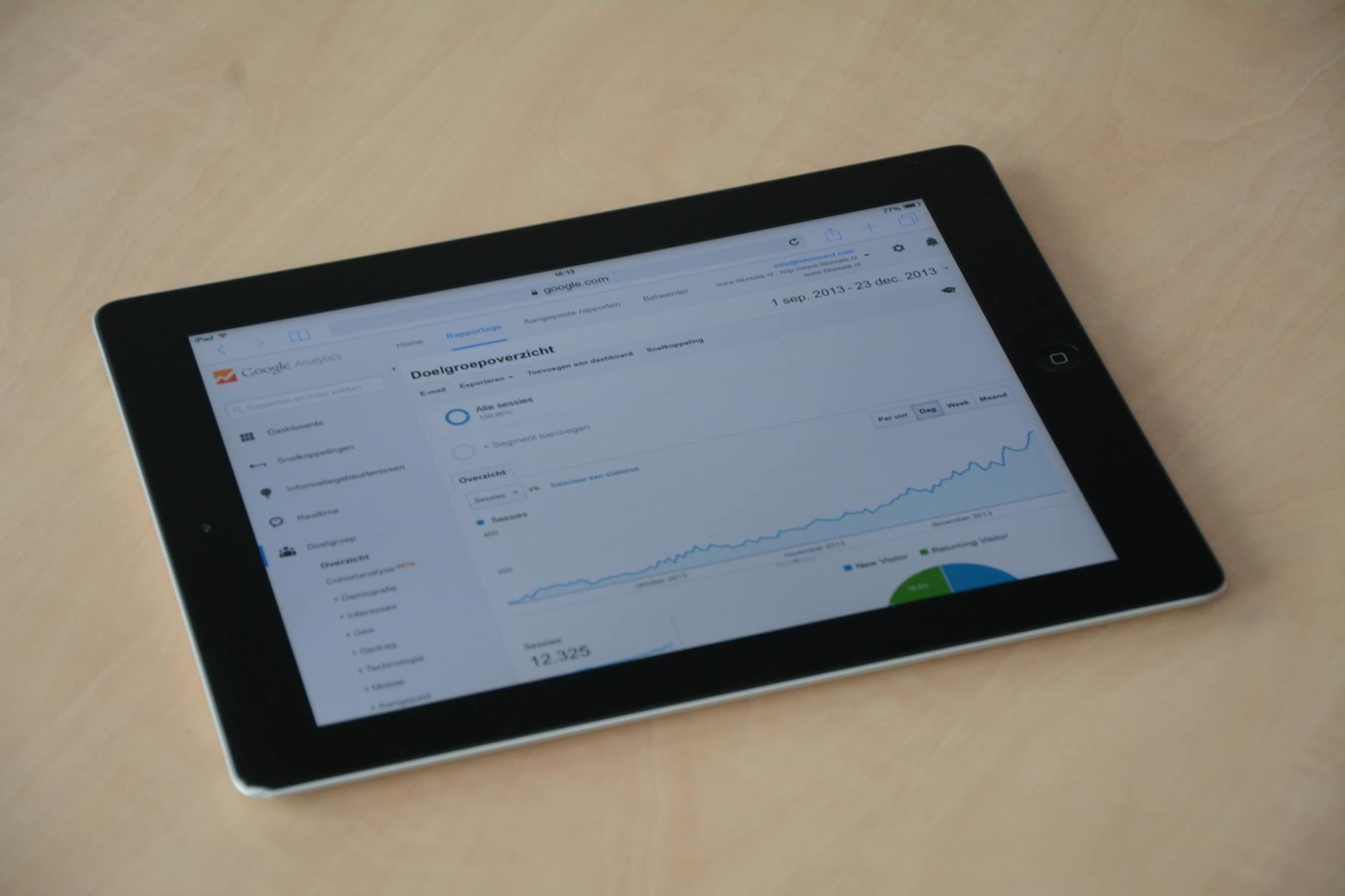
Effective business intelligence in Connecticut requires a deep understanding of data analysis and interpretation. This can involve working with large datasets, identifying trends and patterns, and developing predictive models. By applying these skills, businesses can uncover new insights and opportunities for growth. For instance, a company like [Great Lakes](https://www.greatlakesfleet.com/) can use business intelligence to analyze fleet performance and optimize its logistics operations. To learn more about how business intelligence can drive business success, visit [our case studies](/case-studies) page, including the [Real-Time Fleet Management Platform](/case-studies/great-lakes-fleet) and [QuickBooks Bi-Directional Sync](/case-studies/lakeshore-quickbooks) examples.

Business intelligence in Connecticut also involves the use of data visualization tools, such as dashboards and reports, to communicate insights and trends to stakeholders. By establishing key performance indicators (KPIs) and monitoring progress, businesses can assess the effectiveness of their strategies and make adjustments as needed. For example, a company like [The Hartford](https://www.thehartford.com/) can use business intelligence to optimize its claims processing and improve customer satisfaction. With the help of [database services](/services/database-services), Connecticut businesses can develop robust data management systems to support their operations.

Another key aspect of business intelligence in Connecticut is the use of predictive analytics to anticipate changes in customer needs and preferences. By analyzing market data, social media, and other sources, businesses can identify emerging trends and opportunities. This enables them to develop innovative products and services, expand into new markets, and build strategic partnerships. For instance, a company like [ESPN](https://www.espn.com/) can use business intelligence to analyze viewer engagement and optimize its content strategy. With the help of [all services in Connecticut](/locations/connecticut), businesses can develop tailored solutions to meet their unique needs.
Business intelligence in Connecticut is also essential for ensuring compliance with regulatory requirements and industry standards. By tracking and analyzing data on compliance metrics, companies can identify areas for improvement and implement changes to mitigate risk. This can involve using data analytics to monitor and report on key performance indicators, such as customer data protection and financial reporting. For example, a company like [United Technologies](https://www.raytheon.com/) can use business intelligence to optimize its compliance processes and reduce risk. To learn more about how business intelligence can drive business success, visit [our case studies](/case-studies) page.
Connecticut businesses can also benefit from business intelligence by developing custom software solutions to meet their unique needs. By working with a trusted partner, companies can design and implement tailored systems to support their operations and drive growth. For instance, a company like [Lakeshore](https://www.lakeshorelearning.com/) can use custom software development to optimize its sales processes and improve customer engagement. With the help of [custom software development](/services/custom-software-development) services, Connecticut businesses can develop robust and scalable solutions to support their operations.
FreedomDev brought all our separate systems into one closed-loop system. We're getting more done with less time and the same amount of people.
Business intelligence in Connecticut enables companies to make more informed decisions by providing access to accurate and timely data. By analyzing market trends, customer needs, and operational performance, businesses can develop effective strategies to drive growth and improve profitability.
Business intelligence in Connecticut also helps companies to streamline their operations and improve efficiency. By automating manual tasks, reducing waste, and enhancing productivity, businesses can reduce costs and improve customer satisfaction.
Another benefit of business intelligence in Connecticut is the ability to improve customer engagement and satisfaction. By analyzing customer data and preferences, businesses can develop targeted marketing campaigns and personalized products and services to meet their needs.
Business intelligence in Connecticut provides companies with a competitive advantage by enabling them to anticipate changes in the market and respond quickly to emerging trends and opportunities. This enables them to stay ahead of the competition and achieve long-term success.
Business intelligence in Connecticut is also essential for ensuring compliance with regulatory requirements and industry standards. By tracking and analyzing data on compliance metrics, companies can identify areas for improvement and implement changes to mitigate risk.
Finally, business intelligence in Connecticut helps companies to develop a data-driven culture, where decision-making is based on accurate and timely data. This enables businesses to drive growth, improve profitability, and achieve long-term success.
The first step in implementing business intelligence is to assess your current data management systems, including your CRM software, ERP systems, and other applications. This involves evaluating the quality and accuracy of your data, as well as the effectiveness of your current data management processes.
The next step is to develop a tailored solution to meet your unique needs and goals. This involves working with a trusted partner, such as [FreedomDev](https://www.freedomdev.com/), to design and implement effective business intelligence strategies.
The third step is to implement data integration and analysis, including the use of data visualization tools, predictive analytics, and data mining. This enables you to develop a deeper understanding of your market, customers, and operations.
The fourth step is to monitor and evaluate the effectiveness of your business intelligence initiatives, including tracking key performance indicators, such as revenue growth, customer satisfaction, and operational efficiency.
The final step is to provide training and support to your personnel, including data scientists, analysts, and IT experts. This enables them to develop the skills and knowledge needed to effectively use and maintain your business intelligence systems.
Connecticut is a hub for various industries, including finance, healthcare, and manufacturing. As a result, businesses in the state face unique challenges and opportunities. By leveraging business intelligence, companies can develop a deeper understanding of the local market and make more informed decisions. For example, a company like [Pratt & Whitney](https://www.prattwhitney.com/) can use business intelligence to optimize its supply chain and improve product quality.
According to a report by [IBISWorld](https://www.ibisworld.com/), the business intelligence market in the United States is expected to grow at a rate of 10.3% per year from 2020 to 2025. This growth is driven by the increasing demand for data-driven decision-making and the need for businesses to stay competitive in a rapidly changing market. In Connecticut, this trend is particularly relevant, given the state's diverse economy and highly competitive business environment.
Another key aspect of the local context in Connecticut is the presence of various industries, including finance, healthcare, and manufacturing. By understanding the unique challenges and opportunities faced by these industries, businesses can develop tailored solutions to meet their needs. For instance, a company like [The Hartford](https://www.thehartford.com/) can use business intelligence to optimize its claims processing and improve customer satisfaction.
Connecticut is also home to a highly skilled and educated workforce, with a strong presence of universities and research institutions. This provides businesses with access to a talented pool of professionals, including data scientists, analysts, and IT experts. By leveraging this talent, companies can develop and implement effective business intelligence strategies to drive growth and improve profitability.
The state government in Connecticut also provides various resources and initiatives to support businesses, including funding for research and development, tax incentives, and training programs. By taking advantage of these resources, companies can develop and implement business intelligence solutions to drive growth and improve competitiveness.
Furthermore, Connecticut is strategically located, with easy access to major markets in the Northeast and beyond. This provides businesses with opportunities to expand their customer base, develop new partnerships, and access new markets. By leveraging business intelligence, companies can optimize their logistics and supply chain operations to take advantage of these opportunities.
According to a report by [Deloitte](https://www.deloitte.com/), the use of business intelligence in Connecticut can help companies to improve their operational efficiency, enhance customer engagement, and drive revenue growth. By developing and implementing effective business intelligence strategies, businesses can achieve long-term success and stay competitive in a rapidly changing market.
FreedomDev is based in West Michigan and works with clients remotely across the United States.
Talk with an experienced member of our team about your situation.
We have extensive expertise in business intelligence, including data integration, data analysis, and data visualization. Our team of experts can help you to develop and implement effective business intelligence strategies to drive growth and improve profitability.
We offer custom software development services to meet your unique needs and goals. Our team of experts can design and implement tailored solutions to support your operations and drive growth.
We provide sql consulting services to help you to optimize your database systems and improve data management. Our team of experts can help you to develop and implement effective data management strategies to drive growth and improve profitability.
We offer database services, including data integration, data analysis, and data visualization. Our team of experts can help you to develop and implement effective database systems to support your operations and drive growth.
We have a proven track record of delivering successful business intelligence projects, including the [Real-Time Fleet Management Platform](/case-studies/great-lakes-fleet) and [QuickBooks Bi-Directional Sync](/case-studies/lakeshore-quickbooks) examples. Our team of experts can help you to develop and implement effective business intelligence strategies to drive growth and improve profitability.
Explore all our software services in Connecticut
Tell us what is happening, what systems are involved, and what you are trying to improve in Connecticut. We'll help determine a practical next step.