
Transform your Chicago business data into actionable insights that drive measurable ROI. Our business intelligence solutions help Chicago companies make data-driven decisions faster.
FreedomDev is based in West Michigan and works with clients remotely across the United States.
Chicago is home to over 3,000 publicly traded companies, generating more than $500 billion in annual revenue, according to the Chicago Economic Development Council. That concentration of capital and data creates a unique demand for sophisticated analytics that can turn raw numbers into strategic advantage. FreedomDev leverages two decades of custom software experience to build BI platforms that align with the city’s fast‑paced business environment. Our Chicago‑based teams understand local market pressures, from lake‑front logistics to downtown tech corridors.
Our approach starts with a deep dive into your existing data ecosystem, whether it lives in Microsoft SQL Server, Snowflake, or a hybrid cloud warehouse. We map data lineage, identify gaps, and design extraction pipelines that respect Chicago’s strict data‑privacy regulations, such as the Illinois Personal Information Protection Act. By establishing clean, governed data sources, we lay the groundwork for reliable dashboards and predictive models.
Visualization is more than pretty charts; it’s about delivering actionable insight to every stakeholder. We craft role‑based dashboards in Power BI, Tableau, and Looker that surface key performance indicators in real time, enabling warehouse managers to adjust inventory levels before stockouts occur. Our solutions embed drill‑through capabilities, so a sales executive can trace a dip in revenue back to a specific regional promotion within seconds.
Predictive analytics unlocks revenue growth by forecasting demand, churn, and maintenance needs. Using Python, R, and Azure Machine Learning, we develop models that incorporate external variables like Chicago’s weather patterns, commuter traffic, and seasonal tourism trends. For a large retail chain, our demand‑forecasting model reduced over‑stock by 12 % and increased sell‑through by 8 % during the 2023 holiday season.
Real‑time data streaming is essential for Chicago’s transportation and logistics firms. We implemented an Apache Kafka‑based pipeline for a regional trucking company, feeding GPS, fuel consumption, and driver behavior data into a live dashboard. The platform cut idle time by 15 % and saved the client over $1.2 million in the first year, a case study highlighted in our [Real‑Time Fleet Management Platform](/case-studies/great-lakes-fleet).
Integration with legacy ERP and accounting systems eliminates data silos that plague many Chicago manufacturers. Our bi‑directional sync between QuickBooks Online and a custom ERP reduced manual entry errors by 97 % for Lakeshore Manufacturing, as documented in the [QuickBooks Bi‑Directional Sync](/case-studies/lakeshore-quickbooks) study. This seamless flow ensures finance, procurement, and operations teams work from a single source of truth.
Security and compliance are baked into every layer of our BI architecture. We employ row‑level security, data masking, and Azure Active Directory integration to meet both corporate policies and Illinois state regulations. Regular penetration testing and audit‑ready logging give executives confidence that their data remains protected while still being accessible to those who need it.
Scalability is built for Chicago’s growth trajectory. Whether you’re a startup in the West Loop or an established Fortune 500 firm in the Loop, our cloud‑first designs auto‑scale compute resources during peak reporting periods, eliminating costly over‑provisioning. This elasticity is paired with cost‑optimization strategies that keep monthly spend under budget without sacrificing performance.
Partnering with FreedomDev means you gain a local ally that speaks your industry language and understands Chicago’s competitive landscape. From the initial discovery workshop to ongoing support, we keep communication transparent and results measurable. Ready to see how data can power your next growth phase? Reach out through our [contact us](/contact) page or explore more of our work in the [our case studies](/case-studies) gallery.
We architect data warehouses that reflect Chicago businesses’ specific data sources, from port‑side IoT sensors to downtown SaaS platforms. Using Snowflake or Azure Synapse, we separate compute and storage for cost efficiency. Data pipelines are built with dbt for transformation consistency and version control. The result is a single, query‑able repository that scales with your data volume.
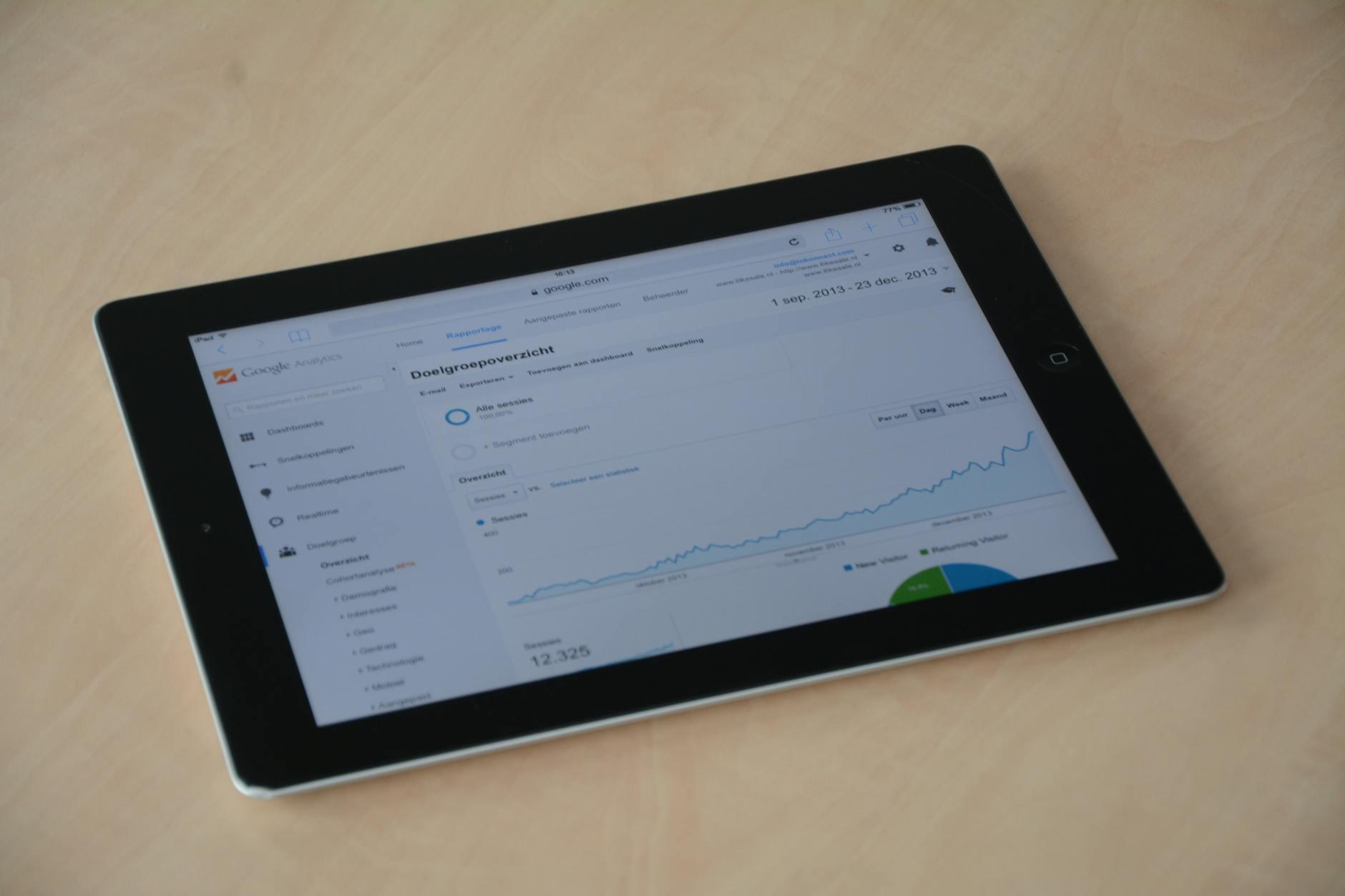
Our team creates role‑based dashboards in Power BI, Tableau, and Looker that surface the metrics that matter most to each department. Interactive filters let users slice data by zip code, product line, or time period without writing SQL. We embed dashboards directly into SharePoint or custom portals for seamless access. Training sessions ensure every user can extract insights without IT assistance.

Leveraging Azure Machine Learning, Python, and R, we develop models that forecast sales, inventory needs, and equipment failures. Features include weather data from the National Weather Service and Chicago Transit Authority ridership stats to improve accuracy. Models are deployed as REST APIs for easy integration with existing applications. Continuous monitoring adjusts model parameters as market conditions evolve.

For logistics and manufacturing clients, we implement Apache Kafka or Azure Event Hubs to ingest high‑velocity data streams. Stream processing with Spark Structured Streaming provides sub‑second latency dashboards. Alerts trigger automated actions, such as dispatching a replacement truck when a vehicle deviates from its route. This capability has reduced downtime for Chicago‑based fleets by double‑digit percentages.
Our integration layer connects ERP, CRM, and accounting systems using MuleSoft, Dell Boomi, or custom APIs. The bi‑directional sync ensures that changes in one system propagate instantly to all others, eliminating duplicate data entry. We support legacy mainframe interfaces common among Chicago’s older manufacturing firms. Comprehensive documentation and change‑management plans keep stakeholders aligned.
Data protection follows a zero‑trust model with Azure AD, role‑based access, and encryption at rest and in transit. We implement data cataloging and lineage tracking to satisfy audit requirements under Illinois’ Personal Information Protection Act. Automated compliance reports are generated monthly for executive review. Our security posture is validated through third‑party penetration testing.
Through query tuning, materialized views, and auto‑scaling policies, we keep query response times under two seconds for most dashboards. Cost‑analysis tools monitor cloud spend and recommend rightsizing of compute clusters. We set up budget alerts to prevent unexpected overruns. Clients typically see a 20‑30 % reduction in BI‑related operational costs within the first six months.
We're saving 20 to 30 hours a week now. They took our ramblings and turned them into an actual product. Five stars across the board.
Real‑time dashboards cut the reporting cycle from days to minutes, empowering managers to act on market shifts instantly.
Predictive models identify upsell opportunities and optimize pricing, driving measurable top‑line growth.
Automation of data flows eliminates manual reconciliation, freeing staff to focus on strategic initiatives.
Governed data and compliance reporting protect against regulatory penalties and data breaches.
Cloud‑native solutions grow with your business, ensuring performance remains consistent as data volumes increase.
Deep analytics reveal market trends unique to Chicago, giving you an edge over regional competitors.
We meet with stakeholders across finance, operations, and IT to map existing data sources, business goals, and compliance requirements.
Based on the assessment, we design a scalable data warehouse, define ETL pipelines, and select visualization tools that fit your tech stack.
Our engineers build data pipelines, configure security controls, and integrate with ERP, CRM, and IoT systems using APIs and middleware.
We create interactive dashboards and develop predictive models, iterating with end‑users to ensure relevance and usability.
Comprehensive training sessions empower users, followed by a staged go‑live and a 30‑day support window to address any issues.
Post‑deployment, we monitor performance, refine models, and conduct quarterly business reviews to align analytics with evolving goals.
Chicago’s economy is a mosaic of industries—finance on the Loop, manufacturing along the South Side, and a burgeoning tech scene in West Loop and River North. Each sector generates distinct data types, from high‑frequency sensor logs in steel plants to transaction streams in fintech firms. A one‑size‑fits‑all BI solution often fails to capture these nuances, leading to inaccurate insights and missed opportunities.
The city’s transportation infrastructure, including O’Hare International Airport and the Port of Chicago, creates complex supply‑chain dynamics. Freight volumes fluctuate with seasonal weather patterns, and real‑time visibility is essential for minimizing delays. Our real‑time streaming capabilities integrate directly with GPS and IoT feeds, giving Chicago shippers the granular data they need to reroute shipments on the fly.
Chicago’s regulatory environment emphasizes data privacy, especially after the Illinois Biometric Information Privacy Act (BIPA) and recent amendments to the Personal Information Protection Act. Businesses must implement strict access controls and audit trails. FreedomDev embeds these controls at the data layer, ensuring compliance without sacrificing usability.
The city’s talent pool includes graduates from the University of Chicago, Northwestern, and DePaul, many of whom specialize in data science and analytics. By partnering with a local firm, you can tap into this expertise for collaborative model development and knowledge transfer, reducing the learning curve for internal teams.
Economic development initiatives, such as the Chicago Innovation Corridor, provide incentives for companies that adopt advanced analytics. Companies that demonstrate data‑driven growth can qualify for tax credits and grant programs. Our BI platforms are built to capture the metrics required for these applications, simplifying the application process.
Chicago’s real estate market is among the most dynamic in the nation, with rapid shifts in commercial occupancy rates. Our location‑aware dashboards overlay sales data with zoning maps and transit accessibility, helping developers make informed investment decisions.
The city’s diverse demographic profile—over 30 % foreign‑born residents—means consumer behavior varies widely across neighborhoods. By integrating census data and third‑party demographic APIs, our solutions segment customers with precision, enabling hyper‑targeted marketing campaigns that resonate with Chicago’s multicultural audience.
FreedomDev is based in West Michigan and works with clients remotely across the United States.
Schedule a direct consultation with one of our senior architects.
Based in West Michigan with a dedicated Chicago office, we combine regional market knowledge with best‑in‑class methodologies used by Fortune 500 firms.
Our case studies, such as the [Real‑Time Fleet Management Platform](/case-studies/great-lakes-fleet) and [QuickBooks Bi‑Directional Sync](/case-studies/lakeshore-quickbooks), demonstrate measurable impact for local businesses.
From [SQL consulting](/services/sql-consulting) and [database services](/services/database-services) to full‑scale [ERP development](/services/erp-development), we handle every piece of the data puzzle.
We provide fixed‑price proposals tied to KPI milestones, ensuring you know the expected ROI before the project begins.
Our engineers stay current with Azure Synapse, Snowflake, and AI/ML advancements, bringing the latest technology to Chicago’s businesses.
Explore all our software services in Chicago
Let’s build a sensible software solution for your Chicago business.